Monday, June 03, 2024

Stomach Cancer: How Can Your Mouthwash Help Spot The Early Symptoms?
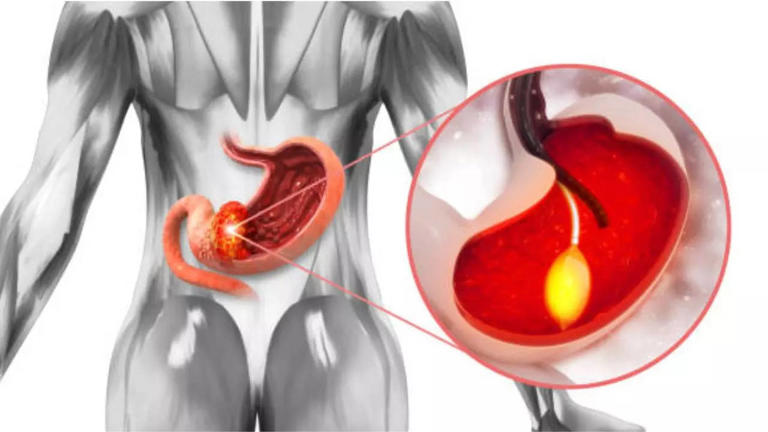
 

stomach cancer: how can your mouthwash help spot the early symptoms?       

Stomach or gastric cancer forms when cancer cells grow out of control in your stomach. It happens when abnormal cell growth meets your esophagus or the gastroesophageal junction. Doctors say more than 95 per cent of the time, stomach cancer starts in your stomach lining and progresses slowly.

According to experts, the symptoms of stomach cancer are not easy to detect initially and are usually known when it reaches the last stage. But a simple mouthwash test can detect the earliest signs of stomach cancer that strikes millions across the world. Researchers from Rutgers Robert Wood Johnson School of Medicine say the oral rinse would pick up specific bacteria that are linked to gastric cancer before it gets even formed.

Researchers say analyzing mouth bacteria samples of people with or at risk of stomach cancer can help spot the pre-cancerous conditions as it works as a screening and prevention tool. The study included 98 patients scheduled for endoscopy, of which 30 were known to have stomach cancer. Researchers said a few of them had pre-cancerous gastric conditions and the remaining 38 were healthy.

Researchers analyzed mouth bacteria samples of people with or at risk of stomach cancer, identifying specific biomarkers tied to the disease to develop their cancer spotting mouthwash. The team then found distinct differences between the oral microbiomes of the healthy group compared to the cancerous and pre-cancerous patients.

Very few differences were observed between the samples from patients with cancer and those at risk of it. This suggested that the changes in the mouth microbiome may happen as soon as the stomach starts to undergo changes that can eventually turn into cancer.

The findings that were presented at the Digestive Disease Conference suggest that mouth bacteria alone could indicate whether someone is at risk of stomach cancer. Based on the biomarkers, the study authors identified a model of 13 bacterial strains that were present in the mouths of cancerous and pre-cancerous patients.

They now plan to conduct larger studies to test whether their findings can be applied to a wider population.

Signs and symptoms of stomachcancer

Experts say stomach cancer does not typically cause symptoms during the early stages. Even the most common early signs of stomach cancer, often unexplained weight loss and stomach pain do not usually show up until the cancer is more advanced.

Symptoms of stomach cancer include:

  • Loss of appetite
  • Trouble swallowing
  • Fatigue or weakness
  • Nausea and vomiting
  • Unexplained weight loss
  • Heartburn and indigestion
  • Black stool
  • Vomiting blood
  • Feeling bloating and gassy
  • Stomach pain, often above your belly button
  • Feeling full even after eating a small meal or snack
Many of these symptoms are common in other conditions, too. See your provider to check if your symptoms are a sign of stomach cancer or another disease. You should speak to your healthcare provider if you have a strong family history of stomach cancer, if:
  • Many close family members were diagnosed with stomach cancer and other cancers, such as bowel or breast cancer
  • Close family members were diagnosed with stomach cancer at a young age, for example under the age of 40.

This is only for your information, kindly take the advice of your doctor for medicines, exercises and so on.   

https://gscrochetdesigns.blogspot.com. one can see my crochet creations  
https://gseasyrecipes.blogspot.com. feel free to view for easy, simple and healthy recipes    
https://kneereplacement-stickclub.blogspot.com. for info on knee replacement
https://cancersupportindia.blogspot.com  for infor on cancer and health related topics
https://GSiyers home remedies.blogspot.com   is the latest addition to my blogs. I'm going to add posts there, do give me your valuable feed back on my blogs. Thanks a lot, take care, be healthy and be happy.


Labels: , , , , , , , , , , ,

Friday, April 07, 2023

How to Tell If Your Immune System Is Out of Whack

Never before in recent history have people depended on their immune systems on such a mass scale like they do today. With the Coronavirus pandemic and the panic surrounding it ever-expanding, only now do we begin to understand how our immune health is our only real protection against various viruses and other infectious diseases, and how a weakened immunity can lead to the most tragic result imaginable like we’ve sadly seen in the case of many young, but immunocompromised victims of COVID-19. 
 
For various reasons, people aren’t always aware that their immune system is weakened or overactive, but in light of recent events, we strongly believe that everyone should learn to assess and monitor the state of their immune health. In this article, we’ll provide 8 signs of a weakened immune system and explain the different factors that can suppress one’s immune system. 
 
In this article, we’ll provide 8 signs of a weakened immune system and explain the different factors that can suppress one’s immune system.

What Factors Can Upset the Immune Balance?
The immune system is incredibly complex, and it involves many types of blood cells and organs, such as antibodies, immune cells, and lymph nodes, just to name a few. When any of the organs or blood cells are damaged or otherwise affected, the entire immune system may become more susceptible to infection.

Genetic abnormalities, aging, lifesaving medical interventions like organ transplants, medical conditions, some medications and even things like nutrient deficiencies, bad habits (smoking, drinking, sedentary lifestyle), pollution, stress and a lack of sleep can all take a toll on the immune system.

This makes nearly all of us susceptible to immune imbalances, and at times like these when immune health is a priority, we must be aware of the signs that point to immune problems. 
 
Below we list 8 such common and yet often overlooked signs that may point to an immune imbalance:

1. Cold hands and feet
One's fingers and toes are typically the first to show a problem with blood vessels, as they are mainly supplied by tiny capillaries that can spasm, become inflamed or clogged more easily than larger blood vessels. When exposed to cold temperatures, you can feel like your fingers, toes, and more rarely nose and ears, may become cold much quicker. 
 
In some cases, when the spasm of the vessels limits blood supply to those areas significantly, the skin may even change color to blue and white - a condition known as Raynaud's syndrome. When you return to a warmer environment and the blood supply is restored, the skin in the affected area may become painful and red.

2. Digestive Issues

Our gut microbiome, or the collection of bacteria that live in our gut, is firmly linked to our immune health, as is our nutrition, which is why we often talk of things like "immune-boosting foods" or vitamins and minerals that help our immunity. In fact, a 2018 study suggests that improving the gut microbiome may lead to novel treatments of serious autoimmune conditions, allergies, inflammatory conditions and even be a novel immune therapy for certain cancers.

If you observe that your normal digestion has slowed down, you have lost your appetite, have abdominal cramps or experience diarrhea that persists for two weeks or more, it can point to an immune issue.

3. Aching Joints
Signs of Weakened Immune System knee pain
Achy joints, too, can point to an underlying immune imbalance. As a matter of fact, the immune system is nearly always worsening joint pain, be it because it is sending immune cells to fight the cause of inflammation of the joints, or because it is malfunctioning, as in rheumatoid arthritis when immune cells suddenly start attacking the lining of the joints.

As a result of the immune issue, your joints become inflamed, and you will experience pain, as well as a loss of mobility and flexibility in the joints. The skin in the area may also be tender to the touch and warm, and symptoms may be worse in the morning.

4. Chronic fatigue
If you're healthy overall, but keep feeling tired and down, no matter how much sleep you get, it might be because something has gone awry with your immune health. You may even experience flu-like symptoms, such as occasional joint and muscle aches, without having a cold or the flu.

This condition is called Chronic fatigue syndrome (CFS), and recent research suggests that an overactive immune system or a chronic viral infection may be causing the symptoms of the CFS. It also needs noting that women in their 40's and 50's are disproportionately more likely to be affected by the condition than other populations.

5. Recurrent cold and other infections.
This might seem obvious, but one of the clearest signs that you might be suffering from an immune imbalance is that you're more susceptible to colds and the flu than others. Recurrent fungal infections, such as yeast infections and nail issues, as well as frequent complications of the cold and flu-like sinusitis, tonsillitis, and ear infections are also common signs of a compromised immune system.

6. Trouble swallowing
Signs of Weakened Immune System trouble swallowing
Have you ever felt a knot in your throat while swallowing a bite of food or a sip of some drink? Feeling that from time to time, especially when you truly had to swallow a bigger bite than usual is normal, but if that is a frequent reaction, it might point to an issue.

Some people also find that they feel like the food is stuck in their chest, and typically, both of the symptoms we mentioned can be indicative of a weakened or inflamed esophagus, as well as a possible muscle spasm of the esophagus. 
 
7. Frequent Headaches
Few people know that an immune issue may be the cause of unexplained headaches, but medical studies have found a link between immune issues, such as vasculitis - the inflammation of blood vessels, since the late 1970s. Seasonal allergies, which occur as a result of an overactive immune system, have also been implicated in causing headaches since many seasonal allergy sufferers tend to experience more headaches during an allergy flareup.  
 
8. A Mild Fever
Many of you will know that a fever is one of the tools our immune systems use to kill pathogens. This is because many viruses and bacteria can only survive at a very specific temperature range, and by raising the body temperature, the immune system is turning our bodies into an inhabitable environment for these germs. 
 
A slight fever is a fever that persists for at least 24 hours and is within the range of 98.6°F (37°C) - 100.4°F (38°C). If you observe that you have a low-grade fever frequently, it may point to an immune issue. 
 
Finding it Difficult to Tell if Your Immunity Is at Risk? Here Is a QUICK Solution
If you feel like you read through this article, but you still can't certainly determine the status of your immune system, it's completely understandable, as many different conditions can sometimes manifest themselves through the same symptoms, which is why the information we provided above is meant to raise awareness of a potential issue and inform you rather than diagnosing you. 
 
In fact, the ONLY confident and objective way to learn about your individual immune health is through a lab test, and we found an excellent and thorough one that you can take from the comfort of your home even now during mass quarantines and lockdowns. 
 
The Immune+ Test by BEWELLMED is an online service that measures mineral deficiencies and possible excessive toxins in your system that can point to an immune imbalance. The test has a number of advantages. First of all, it's just one simple test that can help you identify the cause of your personal immune issues. The test is also non-invasive, it can be conducted from your home, and you will be thoroughly guided by Bewellmed consultants from A to Z. Upon receiving your results, they will even explain what the results mean and guide you through the nutritional adjustments that will help you regain control of your immune health and know-how to maintain a perfectly-balanced immune system at all times.


This is only for your information, kindly take the advice of your doctor for medicines, exercises and so on.  

https://gscrochetdesigns.blogspot.com. one can see my crochet creations  
https://gseasyrecipes.blogspot.com. feel free to view for easy, simple and healthy recipes    
https://kneereplacement-stickclub.blogspot.com. for info on knee replacement
https://GSiyers home remedies.blogspot.com     is my latest addition to my blogs. I'm going to add posts there, do give me your valuable feed back on my blogs. Thanks a lot, take care, be healthy and be happy
.  

Labels: , , , , , , , ,

Friday, April 08, 2022

9 Early Warning Signs of Different Cancers

Early diagnosis will often significantly raise the success rate in the battle against cancer. However, many cancer symptoms are also common in other illnesses, leading doctors to initially diagnose these illnesses instead of cancer. By the time you’re done with this article, you’ll have gotten to know the nine major cancer symptoms, which should serve as a warning sign, helping you catch cancer early and save your life, or that of your loved ones.

Note: Of course, the first thing to do when encountering such persistent symptoms is to contact a doctor immediately.

1. Colon Cancer  
Colon cancer is considered to be one of the deadliest forms of cancer in the western world and manifests as growths in the lining of the colon and/or rectum. When diagnosed early enough, the success rate for treatments is very high. Adopting a healthy, active lifestyle and fiber-rich diet, as well as avoiding alcohol and processed meat can reduce the likeliness of developing this type of cancer. 
 
Blood in the stool 
The appearance of blood in the stool may indicate other stomach and intestinal illnesses, but could also serve as a warning sign for colon cancer. If you find fresh blood in your stool or have black stool, even in small amounts, this should not be ignored, and a physician should be consulted immediately. 
 
Unusually fast or slow bowel movements 
When your digestive system doesn’t work properly, it can lead to chronic diarrhea or constipation – a possible sign of colon cancer. If your bowel movements are not normal for a period of several weeks or don't respond to medical treatment, it may serve as a warning sign for cancer. 
 
Other symptoms:  
severe stomachaches
 Lumps in your stomach 
 Unexplained weight loss

2. Ovarian Cancer 
This type of cancer attacks the ovarian tissues and is most common in women over the age of 50, but it can also appear in younger women. The reasons for contracting this type of cancer are not very well known. The known factors are genetic, avoiding getting pregnant, and fertility treatments. 
 
Indigestion 
Symptoms such as bloating, nausea, constipation, diarrhea, and gas can be indicative of ovarian cancer. Since many women experience these kinds of sensitivities in their digestive system, people rarely attribute it to cancer. This is why it’s important to have these symptoms checked if only to rule out cancer. 
 
Other symptoms: 
Loss of appetite or feeling full quickly 
Pelvic and lower-back pains 
Frequent urination 
Abnormal vaginal bleeding after menopause 
Lethargy

3. Skin Cancer  
Skin cancer often attacks the surface of the skin, which later metastasizes into other parts of the body. The main cause of this type of cancer is unprotected exposure to sunlight, and it occurs among fairer-skinned individuals in particular. 
 
A change in the shape, size or color of moles or beauty marks 
Most moles and beauty marks are benign, but some may indicate the presence of skin cancer. New moles and beauty marks, ones that change their color, shape or size in a short time (weeks/months), or a change in texture to brittle/greasy/bloody – are all symptoms of skin cancer. Even if you don’t feel like having them checked, it’s important to keep an eye on them, because anyone is susceptible. Early diagnosis can save your life, even in cases of malignant melanoma. 
 
Skin sores that don’t heal after a couple of weeks 
Our skin has the ability to repair damages it experiences, but in some cases, such lesions and sores don’t heal for weeks. This must serve as a warning, so if you notice such sores on your skin, contact your GP immediately. 
 
The appearance of spots or a change in the texture of the skin 
If you notice new spots on your body or have ones you’ve never checked, as well as a change in their color and texture, they must be tested as they can be a warning sign of cancer. 
 
4. Breast Cancer 
Breast cancer usually starts as a small, painless lump(s) in the breasts, and later metastasizes into the rest of the body. Diagnosing breast cancer quickly increases the survival rate considerably. Breast cancer is most common in women over the age of 50, but it can appear in any woman of any age. It is also possible for men to contract, but these cases are very rare. 
 
Abnormal lumps or swelling of the breasts  
The most common symptoms of breast cancer are the appearance of lumps, swelling or edema. They may not be painful, but should be looked at by a doctor nonetheless. 
 
Inflammation, lumps, and dimples on the breasts  
Visible changes such as inflammation, bumps or dimples on the breasts could be indicative of cancer. Even if you think that the symptoms are barely noticeable, don’t ignore them – if it truly is breast cancer, early discovery can save your life. 
 
Nipples: change in location / inflammation / secretions 
If the skin of your nipple changes texture or becomes brittle, if it becomes inflamed, swollen, change shape or location (flattening or sinking of the nipple), or you experience secretions - these are all common indicators of breast cancer. If the symptoms don’t disappear after a while, consult with your physician. 
 
Other symptoms
Chronic pain in the breasts or armpits 
Uneven, inflamed blood vessels 
Swelling of the armpits or the collarbone 
 Sores on the breasts

5. Lung Cancer  
This deadly cancer is common in both women and men and leads to the formation of growths in the lungs, ultimately destroying them. The most common cause of this cancer is first and second-hand smoking of tobacco products. 
 
Shortness of breath 
Do you feel like you’re out of breath more often, even when you’re resting, or that you’re constantly wheezing? It may indicate lung cancer. If the shortness of breath is a result of an airway infection that doesn’t respond to medication, it can also serve as a warning sign. 
 
Chronic cough or bloody cough 
Coughing on its own is a common thing, especially during and after a cold or the flu. If your coughing continues for 3 weeks or longer or gets worse, it should serve as a warning sign. Even if you’re in good health, but the cough persists, it may indicate lung cancer. If you cough blood, even in small amounts, consult your physician immediately. 
 
Other symptoms: 
Sharp pain in the chest or shoulder when taking a deep breath 
Swelling in the neck, particularly in the lymph nodes 
Difficulty swallowing 
Lethargy 
 
6. Stomach Cancer 
Stomach cancer appears as growths in the lining of the stomach, which later spread to the lymph nodes and the organs that are in close proximity to the stomach. The causes for this cancer are unknown, though some experts claim it’s a result of consuming preservatives. This type of cancer is more common in people 65 years of age and over. 
 
Drastic, unintentional weight-loss 
We may experience weight fluctuations throughout our lives, planned or otherwise. However, if you experience a drastic loss of weight when you haven’t changed your lifestyle, it may indicate stomach cancer. 
 
Chronic indigestion 
Indigestion can occur quite often and for various reasons, but when it’s accompanied by intense pain, happens spontaneously (without any explanation), or chronic indigestion, it could be a symptom of stomach cancer. It’s important to inform your physician of these symptoms. 
 
Other symptoms: 
Blood in the stool or black stool 
Nausea and sickness 
General lack of appetite

7. Cancer of the Mouth  
Growths in the oral cavity, on the tongue, lips and gums, as well as the salivary glands and tonsils are common in cases of mouth cancer. If it metastasizes, this cancer will damage the lymphatic system, as well as your head and lungs. It’s more common in men than women who are over the age of 40. Quitting cigarettes and reducing alcohol consumption can drastically decrease the risk of contracting it. 
 
Mouth or tongue ulcers that last for more than three weeks  
Many people experience the occasional mouth ulcer, which can be caused by stress, changes in the weather or a compromised immune system. In cases where such ulcers don’t heal after three weeks, they may be symptomatic of mouth cancer. 
 
Other symptoms: 
Red or white spots in the oral cavity 
Unexplained pain in the mouth or ears 
Unexplained lump in the throat Intense sore throat 
Hoarseness and trouble swallowing 
Oral swelling and bleeding 
Color changes in the lips, gums, tongue and inner cheeks 
 
8. Throat Cancer 
Growths on the vocal cords and the lining of the throat are symptomatic of throat cancer and can spread to the esophagus, neck, and lymph nodes. Changing to a healthy lifestyle, as well as quitting cigarettes and alcohol can drastically reduce the risk of developing this type of cancer. 
 
Lumps or swelling in the neck that last more than three weeks 
Any inflammation or lumps you notice that last more than three weeks can be a symptom of throat cancer. Whether the swelling/lumps are painful or not, or whether they’re big or small, you will want to contact your physician.
 
Pain in the esophagus and trouble swallowing  
When we swallow our food, it goes through our esophagus on its way to the stomach. If you are having difficulties swallowing your food, or feel pain while doing so, or feel that the food has gotten stuck in the esophagus and won't go on - you should immediately check the issue with your doctor. 
 
Other symptoms: 
Hoarseness 
Chronic vomiting 
A chronic cough or cough with blood 
Unexplained loss of weight 
 
9. Prostate Cancer 
Prostate cancer is one of the most common types of cancer for men, especially those aged 70 and above. This cancer is, in fact, a malignant tumor in the prostate gland, which belongs to the male's reproductive system and is located close to the bladder. 
 
Difficulty urinating 
One of the most common problems of aging in men is having problems urinating. However, this is also a common symptom of prostate cancer, and as such, problems should not be ignored just because you are of a certain age. Problems like passing urine frequently, trouble pushing it out, or not being able to hold it - are major symptoms of this cancer. 
 
Other symptoms: 
Blood in the urine 
A burning sensation while urinating 
Blood in the semen

This is only for your information, kindly take the advice of your doctor for medicines, exercises and so on.   

https://gscrochetdesigns.blogspot.com. one can see my crochet creations  
https://gseasyrecipes.blogspot.com. feel free to view for easy, simple and healthy recipes    
https://kneereplacement-stickclub.blogspot.com. for info on knee replacement

Labels: , , , , , , , , , ,