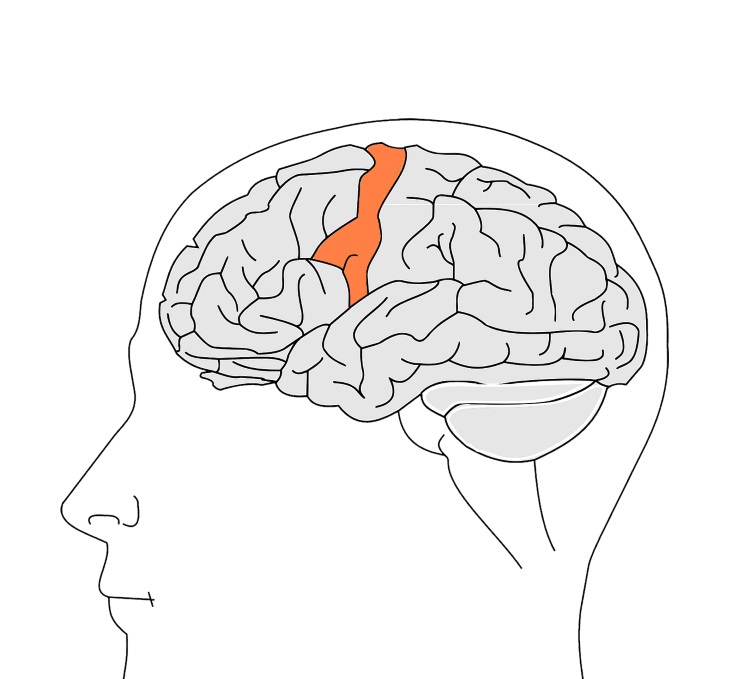
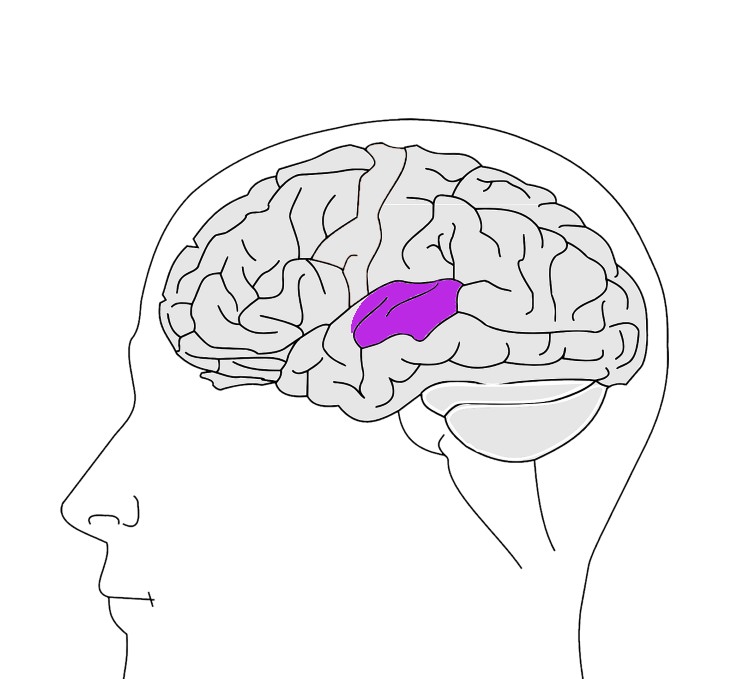
Huntington's disease attacks and destroys brain cells in humans
Recent study conducted on mice has given more insight into how and why Huntington's disease attacks and destroys certain brain cells in human beings. We're excited about this result because it may explain why the patient gets the disease in this area of the brain called the striatum, said one of the researcher.
According to the study, a toxic protein linked to Huntington's disease can move from neuron to neuron through a nanotube tunnel whose construction is initiated by a protein called Rhes.
People with Huntington's disease inherit a damaged protein that is somehow complicit in destroying brain cells. Scientists discovered this protein in 1993 but are still piecing together its role in this degenerative disease.
Scans show Huntington's disease brains are shrunken and degraded. As the neurons deteriorate, people lose motor control, they can have emotional problems and their thinking and memory suffer.
Symptoms usually begin around age 30-40 and last 15-20 years until death. A rarer and more aggressive form of the disease affects children, cutting their childhood and lives short. About three to seven people out of 100,000 have the disease and it has mostly affected those with European ancestry.
However, the researcher believed the disease is under-reported in other areas. There is a lot of stigmas associated with the disease, he said. In the case of Huntington's the question is can we block this transport and does it have any benefit or effect? he asked.
For this study, the researchers, looked at mouse neurons under a confocal microscope and saw that the cells formed sticky, string-like protrusions around 150 microns long which floated above the cells, connecting them.
When I saw Rhes, making these tunnel-like tubes between the cells I was excited and at the same time perplexed, he said. They may have been missed before because they're on a different plane. You've to be really looking for it. It's like a bridge over a lake. If you're on the lake, you may not see the bridge above, but if you're on the shore, you can see the bridge, he said.
Scientist first described another type of tunneling nanotube in rat neurons in 2004. Since then, a number of researchers have observed them in cancer and other types of cells. But how they form and what they do was less clear.
To find out, the researchers tracked cell cargo moving through this tunnel bridge. They inserted the Huntington's human disease protein into the mouse brain cells, tagged it with fluorescence and then watched as it crossed over and crawled up to enter the neighbouring cell. Once the tunnel delivered it shipment it released and sprang back. Lysosomes and endosomes, cellular cargo bins that transport cell pieces or waste, also travel these inter-cellular highways, he said.
The Rhes protein exists in both mouse and human brains sick with Huntington's disease. Knocking out the Rhes gene in diseased mice results in less brain damage. In a 2009 study, he found that Rhes also alters the Huntington's disease protein's structure making it more toxic to brain cells.
The Rhes protein makes its own road. That is what is surprising to us. But it not only transports itself. Once the road is made, many things can be transported, he said.
The researchers continue to investigate what other proteins may be helping with tunnel construction and if other disease proteins move along these membranous highways. His laboratory is also developing ways to identify how Huntington's disease protein travels in the live brain.
FOR
CROCHET DESIGNS
https://gscrochetdesigns.blogspot.com
According to the study, a toxic protein linked to Huntington's disease can move from neuron to neuron through a nanotube tunnel whose construction is initiated by a protein called Rhes.
People with Huntington's disease inherit a damaged protein that is somehow complicit in destroying brain cells. Scientists discovered this protein in 1993 but are still piecing together its role in this degenerative disease.
Scans show Huntington's disease brains are shrunken and degraded. As the neurons deteriorate, people lose motor control, they can have emotional problems and their thinking and memory suffer.
Symptoms usually begin around age 30-40 and last 15-20 years until death. A rarer and more aggressive form of the disease affects children, cutting their childhood and lives short. About three to seven people out of 100,000 have the disease and it has mostly affected those with European ancestry.
However, the researcher believed the disease is under-reported in other areas. There is a lot of stigmas associated with the disease, he said. In the case of Huntington's the question is can we block this transport and does it have any benefit or effect? he asked.
For this study, the researchers, looked at mouse neurons under a confocal microscope and saw that the cells formed sticky, string-like protrusions around 150 microns long which floated above the cells, connecting them.
When I saw Rhes, making these tunnel-like tubes between the cells I was excited and at the same time perplexed, he said. They may have been missed before because they're on a different plane. You've to be really looking for it. It's like a bridge over a lake. If you're on the lake, you may not see the bridge above, but if you're on the shore, you can see the bridge, he said.
Scientist first described another type of tunneling nanotube in rat neurons in 2004. Since then, a number of researchers have observed them in cancer and other types of cells. But how they form and what they do was less clear.
To find out, the researchers tracked cell cargo moving through this tunnel bridge. They inserted the Huntington's human disease protein into the mouse brain cells, tagged it with fluorescence and then watched as it crossed over and crawled up to enter the neighbouring cell. Once the tunnel delivered it shipment it released and sprang back. Lysosomes and endosomes, cellular cargo bins that transport cell pieces or waste, also travel these inter-cellular highways, he said.
The Rhes protein exists in both mouse and human brains sick with Huntington's disease. Knocking out the Rhes gene in diseased mice results in less brain damage. In a 2009 study, he found that Rhes also alters the Huntington's disease protein's structure making it more toxic to brain cells.
The Rhes protein makes its own road. That is what is surprising to us. But it not only transports itself. Once the road is made, many things can be transported, he said.
The researchers continue to investigate what other proteins may be helping with tunnel construction and if other disease proteins move along these membranous highways. His laboratory is also developing ways to identify how Huntington's disease protein travels in the live brain.
THIS IS ONLY FOR INFORMATION, ALWAYS CONSULT YOU PHYSICIAN BEFORE
HAVING ANY PARTICULAR FOOD/ MEDICATION/EXERCISE/OTHER REMEDIES.
PS-
THOSE INTERESTED IN
RECIPES ARE FREE TO VIEW MY BLOG-
https://gseasyrecipes.blogspot.com/
FOR INFO ABOUT KNEE
REPLACEMENT, YOU CAN VIEW MY BLOG-
https:// kneereplacement-stickclub.blogspot.com/
Labels: attacks, brain cells, degenerative diseases, destroys, deteriorate, emotional problems, Huntington's, lose motor control, memory, neurons, shrunken brain, striatum, suffer, thinking, toxic protein- Rhes
posted by G S Iyer at 11:40 PM
0 comments