Thursday, April 08, 2021

Coronavirus Second Wave: Don’t Ignore THESE Symptoms Even If You Don’t Have Fever/Cold

We all know the most common symptoms of deadly Coronavirus are cold, cough, fever, loss of taste, and smell. Most of us are aware of when to isolate or when to get tested by now. Although the second wave of Coronavirus is spreading like wildfires, after a period of lull, the second strain has started to disrupt many lives. The COVID-19 has a wide range of symptoms and medical complications which come with the virus. It impacts an individual’s physical and psychological well-being. Now, health experts have warned about 8 symptoms that tell that you have had contracted the virus. 

Wondering how will you identify without getting the COVID-19 test or antibody test done? According to experts, symptoms, and signs will show up months after battling with the virus.  
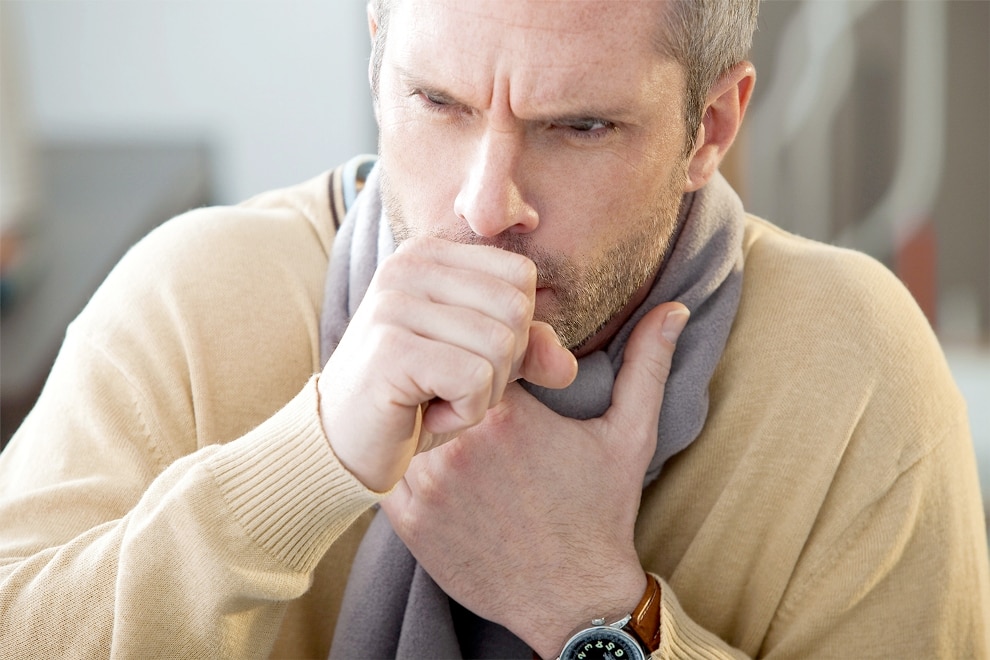
Coronavirus Second Wave: Don't Ignore THESE Symptoms Even If You Don't Have Fever/Cold Unusual Cough: 

Cough has been the main symptom of COVID-19 but a persistent cough with a sound different from the usual cough is one of the symptoms. One should not confuse it with a smoker’s cough.

Pink eye: Coronavirus Second Wave: Don't Ignore THESE Symptoms Even If You Don't Have Fever/Cold 
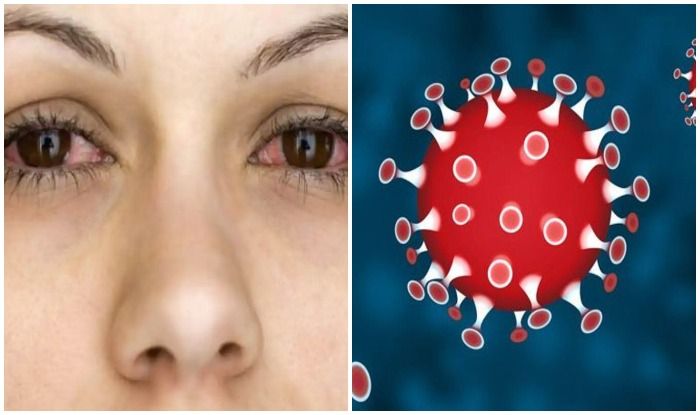
According to a study done in China, a pink eye or conjunctivitis is a sign of COVID-19 infection. In the pink eye, people can develop redness, swelling and the eye becomes watery. The 12 participants who got infected with a new strain of Coronavirus, showed this symptom.  

Breathlessness:Coronavirus Second Wave: Don't Ignore THESE Symptoms Even If You Don't Have Fever/Cold 

According to a report in Lans Live, dyspnea- difficulty in breathing with uneasiness in the chest, and heart palpitations are some of the symptoms.

Stomach Trouble: Coronavirus Second Wave: Don't Ignore THESE Symptoms Even If You Don't Have Fever/Cold 

Researchers are saying that many gastrointestinal complaints are also coming in. The COVID-19 infection impacts the upper respiratory system, although, a new study says that diarrhoea, vomiting, abdominal cramps, nausea, and pain are signs of coronavirus. If you are facing any digestive discomfort, you must get yourself tested.  

Fatigue:

Coronavirus Second Wave: Don't Ignore THESE Symptoms Even If You Don't Have Fever/Cold  

After recovering from any illness or viral infection, our body tends to take time to heal and people often get tired easily but COVID recovered patients suffer from fatigue and exhaustion, but it can last for up to six months. The severity and duration of your fatigue can help determine Long COVID. The study says that around 63% of patients have reported suffering from fatigue, weakness, muscle pain for almost six months even after the first symptoms start to show up.

Brain Fog:

Coronavirus Second Wave: Don't Ignore THESE Symptoms Even If You Don't Have Fever/Cold  
 Patients who have recovered from COVID or contracted the virus recently have reported neurological symptoms. A study published in preprint form on medRxiv, 58% of long COVID patients reported signs of brain fog or mental confusion. Not just that, neurological issues including memory loss or sleep deprivation also came up.
 
Heart Palpitations: According to Mayo Clinic, heart palpitations or a feeling of having a fast-beating, fluttering or pounding heart is a sign too. A study published in JAMA Cardiology said that 78 percent of the recovered COVID-19 patients claimed cardiac involvement, while 60% had ongoing myocardial inflammation.

Loss of Taste and Smell: COVID-19 has various symptoms and one of the most annoying of them is the loss of smell and taste. Losing the functions of your olfactory senses can be frustrating and hard to cope up with.

 If you’ve experienced any of these symptoms in the recent past, you must consult your doctor. 

This is only for your information, kindly take the advice of your doctor for medicines, exercises and so on.     

https://gscrochetdesigns.blogspot.com. one can see my crochet creations  
https://gseasyrecipes.blogspot.com. feel free to view for easy, simple and healthy recipes    
https://kneereplacement-stickclub.blogspot.com. for info on knee replacement


Labels: , , , , , , , , ,

Wednesday, October 31, 2012

FOOD POISONING, TRY APPLES !

APPLES ARE QUITE EFFECTIVE FOR FOOD POISONING, AS THEY REDUCE HEARTBURN & ACID REFLUX. APPLES ARE KNOWN TO HAVE ENZYMES THAT INHIBIT THE GROWTH OF BACTERIA THAT CAUSE DIARRHOEA  AND STOMACH ACHE. 

Labels: , , , , ,

BASIL HELPS FOR STOMACH AND THROAT INFECTIONS

Natural remedies for food poisoning

BASIL IS AN EXCELLENT REMEDY TO CURE INFECTIONS OF BOTH STOMACH & THROAT. STRAIN THE JUICE OF A FEW BASIL LEAVES, MIX IT WITH A TABLESPOON OF HONEY & WILL HELP TO GIVE YOU RELIEF IN A FEW HOURS.

Labels: , , , ,

CUMIN FOR STOMACH PROBLEMS

Natural remedies for food poisoning

Cumin is a good way to soothe the inflammation in your stomach, it reduces tenderness & aids healing. Add a tablespoon of crushed cumin seeds to your soup to help you out.

Labels: , , , , ,

Monday, March 26, 2012

Benefits & Risks of Aspirin


The Benefits

1. It could lower cancer risk.

The three new cancer studies support long-term daily aspirin use. Overall, researchers found that aspirin reduces the risk of dying from cancer by 15 percent—with notable benefits seen within three years for those taking a high dose (more than 300 mg a day) and within five years for low doses (less than 300 mg a day). Long-term use was particularly striking. After five years of regular use, risk of dying from cancer dropped by 37 percent.
Aspirin benefits were most strong with daily use or usage three to six times a week, and were less clear-cut for use only once or twice a week. The research shows "quite convincingly" that aspirin reduces cancer incidence and death ... with an apparent delayed effect," according to a commentary published alongside the new studies.

2. It may even lower risk for breast cancer.

Aspirin may lower a woman's risk of breast cancer recurrence, or possibly even its development. A 2010 report based on data from the Nurses' Health Study suggested that women who had breast cancer and took a low-dose aspirin two to five times weekly were 71 percent less likely to have a deadly recurrence than those who took little or no aspirin. And a research review published in 2008 in the Journal of the National Cancer Institute found a 13 percent relative risk reduction in women who used aspirin regularly, compared with those who did not. The findings found an overall reduced risk of 12 percent for regular use of nonsteroidal anti-inflammatory drugs (NSAIDs) in general. Previous research on breast cancer risk and NSAID use had shown conflicting results.

3. It could help during pregnancy.

A research review published in the Lancet in 2007 suggested that pregnant women who took aspirin or other antiplatelet drugs were 10 percent less likely to develop pre-eclampsia, which involves high blood pressure and potentially serious complications for mother and fetus. Aspirin therapy during pregnancy should definitely be discussed with an obstetrician.

4. There is some hope for Alzheimer's protection.

Research has been inconclusive, but a 2008 review published in Neurology found that people who used aspirin had a 13 percent lower risk of developing Alzheimer's. The study added to an ongoing debate about whether certain types of NSAIDs—say, ibuprofen versus aspirin—were more beneficial.

5. It may help prevent strokes—unless you also take ibuprofen.

A small study published in 2008 in the Journal of Clinical Pharmacology found that stroke patients who took daily aspirin to prevent another stroke and also took ibuprofen—say, for their arthritis—reaped no antiplatelet benefit. After a patient stopped the ibuprofen, the aspirin became effective. The Food and Drug Administration warns that aspirin's benefits may be diminished by ibuprofen use.


6. It may protect against Parkinson's disease.

A 2007 study published in Neurology suggests that women who used aspirin regularly (defined as two or more times a week for at least a month at any point in their lives) may be 40 percent less likely to develop the disease.

7. It may prevent asthma in middle-aged women.

A 2008 study published in Thorax found that women 45 and older who took 100 mg of aspirin every other day were 10 percent less likely to develop asthma over the next decade than women given a placebo. The study authors noted that aspirin could exacerbate symptoms in about 10 percent of people already diagnosed with asthma.

The Risks

8. It may throw off test results for prostate cancer.

In a 2008 issue of the journal Cancer, researchers reported that men who used aspirin and other NSAIDs regularly had about 10 percent lower levels of prostate-specific antigens. The researchers suggest this may hinder the detection of prostate cancer in regular aspirin users.

9. It may increase the risk of hearing loss.

In 2010, researchers reported in the American Journal of Medicine that regular use of aspirin—at least twice weekly—upped the risk of hearing loss by 12 percent in men. Those younger than 50 had a 33 percent increased risk of hearing loss. Use of other NSAIDss or acetaminophen also increased the risk of hearing loss.


10. People with diabetes might not get some benefits.

In 2008, the British Medical Journal published research that suggests diabetics taking aspirin to prevent a first heart attack are no less likely to experience an attack than those taking a placebo. People with diabetes are at least twice as likely to develop heart disease or have a stroke as the general public.

11. There is such a thing as "aspirin resistance."

A 2008 research review published in the British Medical Journal found that nearly 30 percent of people with cardiovascular disease who took prescribed aspirin were resistant to its effects. Such "aspirin resistance," the study found, makes such patients four times as likely as those for whom aspirin had an effect to have a heart attack, stroke, or die.

12. In some cases, it may be less effective in women.

In 2008, a research review published in the journal BMC Medicine found that earlier studies showed a large benefit in men taking aspirin to reduce the rates of fatal heart attack, but women did not receive the same advantage. A 2009 U.S. Preventive Services Task Force recommendation suggests some women may benefit from aspirin's action against ischemic strokes, however.

13. It may cause stomach troubles.

People taking aspirin or another NSAID are at higher risk of gastrointestinal bleeding and stomach ulcers—particularly with long-term use of the drug.

14. It may increase the risk of bleeding.

Aspirin makes the blood's platelets less sticky, and the blood less likely to clot. This is especially risky if bleeding occurs in the brain, which can be fatal.


Labels: , , , , , , , , , , , , , ,

Sunday, June 05, 2011

6 Pains You Should Never Ignore


1. Chest squeeze
Pain in the chest can be especially alarming because most people associate it with heart attack. What kind of pain is a tip-off to heart attack? It can vary, but many men who are hit with a heart attack describe a heaviness, tightness, or squeezing of the chest. Women also can experience such symptoms or others, including jaw pain and pain in the upper back, shoulders, and neck.
Fix: If your heart attack symptoms worsen or get no better after five minutes, please get medical attention at once, even if it is/ isn't a heart attack.

2. Tummy trouble
Severe abdominal pain can be a symptom of serious conditions affecting your appendix, pancreas, or gallbladder, or it might mean that you have a stomach ulcer or intestinal blockage. Don’t try and tough out such pain, especially if it is accompanied by an inability to keep food down over several days, bloody stools, vomiting blood, difficulty breathing, or pain when you touch your abdomen.
Fix: You might be suffering from internal inflammation, bleeding, or infection so you should see a physician right away. If appendicitis or hernia is diagnosed, you’ll need surgery. Other conditions might be treated with drugs like antibiotics, depending on what’s wrong.

3. Horrible headache
If you have a cold, a severe headache could be from a sinus infection. However, if you’re describing your pain as the worst headache of your life, you very likely could have a brain aneurysm. This is a bulge in a brain artery wall that has weakened and could possibly burst and cause a serious or even fatal stroke.
Fix: Doctors will use imaging testing to spot the aneurysm and operate to repair it. Time is critical because the real danger occurs after rupture, which causes bleeding and possible stroke.

4. Tingling sensation
About half the people with diabetes have some form of nerve damage known as diabetic neuropathy. Chronically high blood sugar causes nerve damage which results in pain, numbness, or tingling in the extremities. For people who don’t know they have diabetes, this can be one of the first signs.
Fix: If you suspect diabetes, get tested. If you have diabetes, keep your blood glucose levels in check.


5. Warm calf pain
A calf that is warm, painful to the touch, and perhaps swollen along a vein can be a sign of a blood clot known as deep-vein thrombosis. While rubbing your leg might be the first thing you want to do, don’t. This can send a clot to your lung, which can be fatal.
Fix: Get medical attention immediately. Doctors will perform imaging testing to confirm the clot and prescribe drugs that will dissolve it.


6. Side or pelvic pain
Pain in the side, abdomen, or pelvic area can be a sign of a urinary tract infection. This occurs when bacteria from outside the body are introduced to the tract, causing it to become inflamed and irritated. Also, you may experience pressure in your pelvis as well as pain and urgency with urination. Men may experience penis pain.
Fix: Women are more at risk because their shorter urethra (the tube that carries urine from the bladder) is closer to the anus, where bacteria hang out. Enlarged prostate and bladder prolapse, common conditions among older adults, put them at greater risk of UTIs as well. Urinalysis and urine culture confirm the diagnosis and antibiotics are usually prescribed. If left untreated, a UTI can lead to a more serious infection in the kidneys.

For more info, kindly read-
Read more:
http://www.newsmaxhealth.com/headline_health/Serious_Pains/2011/06/03/391893_6.html


Labels: , , , , ,