Sunday, March 22, 2026

Heart Palpitations - 8 Potent Home Remedies

A fluttering feeling in the chest, a racing heart, or feeling your pulse in the neck and chest are signs of heart palpitations. The sensation can last for only a few seconds or persist for a longer time, even if you lie down and rest. Learn about the causes of heart palpitations and how you can reduce them in minutes here.

A normal heart rate is between 60 and 100 beats per minute in a resting state. The heartbeat should be regular and steady. You can measure it by placing your fingers on your neck or wrist and counting your pulse. When your heartbeat is more rapid or irregular, you’re experiencing heart palpitations. 

Although heart palpitations feel unsettling, they are usually harmless. According to Mayo Clinic, a fast heartbeat can occur in situations where the heart has to work a bit harder, such as:

Stress Exercise 

Medication 

Dehydration. 

On more seldom occasions, heart palpitations are a symptom of an underlying medical condition. The serious health conditions that can trigger a racing heart are: 

Arrhythmia (an abnormal heart rhythm) 

Heart failure (rarely) 

Thyroid issues.

If you notice your heart rate is faster than it should be, talk to your doctor so that you’re able to rule out any serious health conditions. Unless your doctor finds a cause, heart palpitations on their own do not require medical care. In the meantime, try these 8 effective home treatments to improve a fluttering heart.

1. Valsalva maneuver

Home Remedies For Heart Palpitations Valsalva maneuver

The Valsalva maneuver is a breathing technique capable of restoring a normal heart rate when your heart is beating too fast. It entails breathing out with force while holding your nose closed. This movement creates just enough strain for your heart to react and return to a normal rhythm. People who suffer from heart disease, a damaged retina in the eye, or an implanted eye lens should consult their doctor before performing this technique.

Here’s how to perform the Valsalva maneuver

1. Sit in a chair or lie down. 

2. Inhale deeply and hold your breath. 

3. Cover your nose with your fingers so that no air is able to escape. 

4. Close your mouth. 

5. Contract the abdominal muscles and push, as if you’re trying to go to the bathroom, and breathe out simultaneously. 

6. Continue straining for 10-15 seconds. 

This should help your heart rate slow down in around 20 minutes. If this doesn’t happen and your fast heart rate persists, seek emergency care.

2. Vagus nerve stimulation
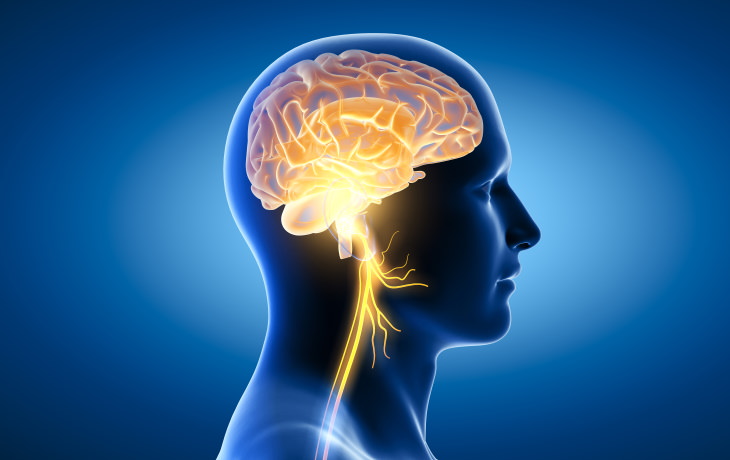
Home Remedies For Heart Palpitations Vagus nerve

The vagus nerve is a large and important neural connection that links your brain and heart. It’s actually two nerves that run down from your brain on the sides of your neck towards the heart, lungs, and digestive tract. Stimulating the vagus nerve can remedy a fast heartbeat. There are several ways you can stimulate the vagus nerve, but make sure to consult a doctor before you try it. 

1. Lie down and cough, gag, or chant “om” a few times. 

2. Lie down, hold your breath, and simultaneously contract your abs for 15-20 seconds. 

3. Jump in a cold shower, wash your face with cold water, or apply a cold compress to your face for 30 seconds. The refreshing cold water stimulates the vagus nerve.

3. Hydrate and mind your electrolytes

 Home Remedies For Heart Palpitations bananas

 Dehydration is known to make the heart work harder and cause heart palpitations. This happens for two reasons: 

1. Not enough water in your blood makes it thicker. The thicker your blood, the harder it is for your heart to circulate it throughout the body.

2. Low levels of electrolytes - molecules that transfer electrical signals throughout the body and regulate the heart rate.

In order to slow down your heart rate, you’ll need to drink plenty of fluids and restore the electrolyte balance in your blood. Potassium, calcium, magnesium, and sodium are all examples of electrolytes. You can get enough electrolytes from nutrition. While most of us get enough sodium already, the remaining electrolytes can be obtained from: 

Bananas 

Avocados 

Spinach 

Nuts 

Potatoes 

Fish.

4. Avoid stimulants

Many substances are capable of speeding up your heartbeat and causing heart palpitations. Anyone who’s ever had one too many cups of coffee will know this. Eliminating potentially harmful substances wherever possible can help restore your heartbeat. Although the sensitivity to different stimulant substances varies from person to person, here are common triggers: 

Tobacco 

Caffeinated drinks (soda, coffee, tea) 

Some cough medicines 

Mental health medication 

Appetite suppressants 

Certain high blood pressure medications 

Illegal drugs. 

If you’re taking prescription medications that increase your heart rate, consult a professional to help you find alternatives or adjust your dosage.

5. Exercise

 Heart palpitations may be a sign that you’re lacking regular exercise in your daily routine. Cardiovascular exercises like brisk walking, cycling, swimming, and jogging are all capable of improving your heart health and restoring your heart rhythm. 

The American Heart Association recommends 150 minutes of such exercises weekly. Keep in mind, however, that some exercise can cause palpitations. If you notice this, exclude them and adjust your exercise routine accordingly. 

6. Stay away from alcohol

 Even though alcohol is not a stimulant, it is a depressant, heavy drinking is known to increase one’s risk of a condition called atrial fibrillation. Atrial fibrillation is a type of arrhythmia that causes a fast and irregular heartbeat that can lead to the formation of blood clots in the heart. In patients with atrial fibrillation, the upper chambers of the heart contract irregularly. The condition raises the risk of heart failure, stroke, and other serious complications, so it shouldn't be taken lightly.

7. Hawthorn berry extract

Home Remedies For Heart Palpitations Hawthorn berry
Hawthorn berry extract comes from Chinese medicine, where it has been used to treat an upset stomach, heart failure, and high blood pressure. The tiny red berries have also caught the attention of scientists, with a 2 year-long study in 952 individuals with heart failure showing a reduction in heart palpitations among the patients who took the extract. 

In the study, one group received hawthorn extract only, another got medication and hawthorn extract, and the last group only received medication. The participants who only receive hawthorn berry extract experienced fewer heart palpitations than those who didn’t receive the extract at all. 

Keep in mind that hawthorn extract may interact with heart medications, so it’s important to consult your doctor if you’re suffering from any cardiovascular issues or chronic health problems. 

8. Relaxation

Home Remedies For Heart Palpitations Relaxation
Stress plays a huge role too. Panic attacks can make you hyperventilate and experience a racing heart, sure, but even chronic daily stress can trigger heart palpitations. Stress makes the levels of the hormone adrenaline grow, which directly increases one’s heart rate. 

Therefore, engaging in relaxation techniques throughout the day can help manage heart palpitation and lower your resting heart rate over time. Activities like meditation, yoga, tai chi, and exercise all help combat stress tremendously, but even sitting with your eyes closed and focusing on deep breathing every 2-3 hours throughout the day can help calm your mind.


This is only for your information, kindly take the advice of your doctor for medicines, exercises and so on.   


Labels: , , , , , , , ,

Friday, May 02, 2025

Lyme Disease: Symptoms, Treatments, and Prevention!

Lyme disease is caused by Borrelia burgdorferi, a bacterium that’s transmitted to humans when they are bitten by an infected black-legged or deer tick. Once infected, symptoms can occur anywhere from 3-30 days after the bite, and they can be wide-ranging, depending on the stage of infection. The chances of contracting Lyme disease from a tick bite depends on the kind of tick, where you were bitten, when the bite occurred, and how long the tick was attached to you. According to the CDC, black-legged ticks must be attached for at least 24 hours to transmit Lyme disease. 
 
What Are the Symptoms of Lyme Disease?

Lyme Disease: Symptoms, Treatments, and Prevention!

Early signs and symptoms of this disease include chills, fever, fatigue, headaches, muscle and joint pain, and swollen lymph nodes. In about 70-80% of infections a rash is seen. This rash will gradually expand over a period of days and can grow to around 12 inches wide. It may feel warm to the touch, but it shouldn’t be itchy or painful, and it can appear anywhere on the body. 
 
As the infection progresses, symptoms can include: 
• Severe headaches or neck stiffness 
• Heart palpitation or an irregular heartbeat 
• Inflammation of the spinal cord and brain 
• Loss of muscle tone or drooping on one or both sides of the face 
• Additional rashes on other parts of the body 
• Arthritis with severe joint pain and swelling, particularly in the knees 
• Shooting pains, numbness, and tingling in the hands or feet 
 
How is Lyme Disease Diagnosed? 
Lyme disease is diagnosed based on symptoms and history of tick exposure. A two-step blood test may also be taken, but the accuracy of this test depends on the stage the disease is in. For example, in the first few weeks of infection, the test may be negative, as antibodies take a few weeks to develop. These tests aren’t recommended for patients who don’t have any of the common symptoms of Lyme disease.
How is Lyme Disease Treated? 
The antibiotics amoxicillin and tetra cycline are used, usually for 10-21 days. Other antibiotics that might be used are cefuroxime and doxycycline. If you get treatment for Lyme disease when the infection is at an early stage, it is likely that you will make a full recovery.


How prevalent is Lyme Disease?

About 30,00 cases are reported each year, but the CDC estimates that you can add another 300,000 infections to this figure. Infection is more common in males up to age 15 and between the ages of 40 and 60. The reason for this is these are people who are more likely to play outside, and go hiking, camping, and hunting. 
 
How to avoid ticks completely and prevent catching Lyme disease 
 
What Areas Are More Likely to Have Lyme Disease? 
Mainly the Mid-Atlantic states, New England, and parts of the upper Midwest. According to the CDC, 95% of confirmed cases in 2015 were in the following 14 states: Delaware, Maine, Connecticut, Minnesota, Maryland, Massachusetts, New Hampshire, New York, New Jersey, Pennsylvania, Vermont, Rhode Island, Wisconsin, and Virginia. It can also be found in California, where it is carried by deer. 
 
Black-legged ticks can be found in 43 states, but they behave differently according to the climate. For example, in the South, which is more prone to hot weather, ticks tend to stay under leaf litter and don’t come out to feed as they’ll dry out. This means that Southern ticks don’t transmit Lyme disease frequently as they don’t tend to feed on humans.
What’s Driving up Lyme Disease Numbers? 
While increasing temperatures worldwide has made more Northern areas such as Maine, Canada, and Minnesota hospitable to ticks, the population of deer carrying the ticks probably plays a much bigger role. 
 
Development led to record low numbers of deer early in the last century, but the deer population has increased as a result of reforestation over the past several decades, meaning the tick population has increased as well. Furthermore, white-footed mice, which also transmit Lyme disease to ticks that bite them, are moving closer to humans as their habitat disappears. 
 
Another reason is that warm weather and mild winters may bring more people outside, increasing their chances of being bitten, especially in Lyme-prone areas.

How do you know if you have been bitten ?
Lyme Disease: Symptoms, Treatments, and Prevention!

Since ticks are the size of a poppy seed, you’ve got to have pretty good eyesight to spot them. The CDC recommends that if you’ve been walking in the woods, tall grass, or working in your garden, that you check your skin afterwards, ideally in the bath or shower. 
 
What Do You Do If There’s a Tick Under Your Skin 
Remove it with a pair of tweezers as soon as possible, pulling upward with steady pressure. If parts of the tick remain in your skin, try to remove them with the tweezers. After everything is out, clean the area with rubbing alcohol or soap and water. Put the tick in a piece of tissue, and close it in a zip bag. 
 
When should You See Your Doctor? 
A rash is a pretty good indication that you might have Lyme disease. Therefore, if a rash starts to develop in the area you were bitten, you should visit your doctor immediately. At this stage of the illness, treatment with some antibiotics will likely see you make a full recovery.
What’s the Best Way to Prevent a Tick Bite? 
Ticks cannot fly or jump, but instead live in shrubs and bushes, and grab onto someone when they walk by. To avoid getting bitten, wear pants and socks in woods, areas with a lot of trees, and while handling fallen leaves. Wear some tick repellents and clothing that has DEET, lemon oil, or eucalyptus. 
 
Shower as soon as you get home. This lets you look at your skin and wash any ticks out of your hair. Furthermore, put the clothes you were wearing into a hot wash to kill whatever ticks might remain.


This is only for your information, kindly take the advice of your doctor for medicines, exercises and so on.   


Labels: , , , , , , , , , , , ,

Saturday, February 24, 2024

5 Causes of Heart Failure All Young People Should Know


If you’re under the impression that heart failure is something that only affects older adults, we have some important intel to share: Heart failure—a chronic condition where the heart becomes unable to sufficiently pump enough blood to meet the body’s needs, causing symptoms like shortness of breath, heart palpitations, swelling in the extremities, and fatigue, among others—can occur in people of all ages, even children. It is estimated that more than 6.2 million people aged 20 years and older in the United States are living with heart failure. While the condition is definitely more common in people 65 and older, research shows that heart-failure-related deaths in young adults aged 16 to 44 actually increased from 2012 to 2019.

Heart failure may occur at a younger age for a number of reasons, such as inherited heart disease or problems with the heart’s rhythm. Other factors, including a family history of heart failure, the foods you eat, substance use, some viral infections, and certain chronic health conditions can all increase your risk for developing heart failure, no matter your age.

Here are five of the most common causes of heart failure in young people.

1. Congenital heart disease

If someone has congenital heart disease, it means they were born with a problem with their heart’s structure. Thanks to advances in medicine and surgery, people with congenital heart disease can live long, fulfilling lives. But having a heart defect from birth can put you at a higher risk of heart failure throughout your lifetime, since stress and damage to the organ can start earlier than in someone born with a totally healthy heart.

“Heart failure accounts for about 40% of all deaths in people with congenital heart disease,” William H. Marshall, MD, an adult congenital heart disease fellow at the Ohio State University Wexner Medical Center, tells SELF.That doesn’t mean everyone with congenital heart disease will experience heart failure, though: Some cases of congenital heart disease are so minor they don’t even require treatment—just regular check-ins with a cardiologist to make sure the condition doesn’t progress or worsen, according to the American Heart Association (AHA).

But some of the more severe forms of congenital heart disease can cause heart failure. In fact, among adults with complex forms of congenital heart disease, heart failure is the most common complication. “Therefore, lifelong follow-up with a cardiologist who specializes in the care of people with congenital heart disease is important,” Dr. Marshall says.

2. Genetic or familial cardiomyopathy

Genetic or familial cardiomyopathy is an inherited disease that is characterized by an enlarged, weak, or thickened heart and may result in heart failure at a young age,” Tanya P. Doctorian, MD, a heart failure and transplant specialist at Loma Linda University International Heart Institute, tells SELF. There are multiple forms of cardiomyopathy, which causes the heart muscle to become thicker, stiffer, or larger, ultimately making it harder for it to pump blood throughout the body. Over time, this may lead to heart failure.

There are also multiple types of familial cardiomyopathies—hypertrophic cardiomyopathy is the most common and affects somewhere around 1 in 500 adults in the United States. Cardiomyopathy symptoms can include shortness of breath, fatigue, and an irregular heartbeat, among others. They often appear in mid-adulthood, but they can happen earlier too.

Experts have pinpointed some of the genes connected with familial cardiomyopathy, but others are still being researched. To prevent people from going undiagnosed and progressing to heart failure, the American College of Cardiology recommends any first-degree relative of a person with hypertrophic cardiomyopathy be screened starting at age 12.

Meanwhile, methamphetamine use can cause various forms of heart damage, including inflammation, heart muscle scarring, coronary artery disease, and damage to the heart muscle cells, which can then lead to heart failure. Typically, the longer someone uses, the more damage their heart will sustain, Dr. Doctorian says. Prolonged methamphetamine use has been associated with a severe form of dilated cardiomyopathy, where the heart muscle becomes weak and can’t pump blood as effectively. Research shows that people who use methamphetamine experience heart disease at increased intensity and younger ages than is typical among the population at large.

5. Arrhythmia

An arrhythmia is an abnormal heart rhythm. According to the AHA, it can cause the heartbeat to be too slow, too fast, or even erratic, where the heart feels like it’s fluttering or skipping a beat. While some arrhythmias are considered harmless and may not need to be treated, others can have a significant impact on the heart’s ability to fill up with blood and pump it to the rest of the body, the AHA says. When this disruption to the heart’s rhythm is left untreated, eventually heart failure and other cardiac problems can occur, according to the National Heart, Lung, and Blood Institute

“The rhythm of the heart may become too fast, and because the heart is beating fast all the time, eventually the cardiac muscle tires and becomes dysfunctional, and then heart failure can happen,” Lourdes Prieto, MD, the director of the division of cardiology at Nicklaus Children’s Hospital in Miami, tells SELF.

“We can see arrhythmia in babies, but it can also be seen in young adults and 40- and 50-year-olds,” Dr. Prieto notes, adding that an arrhythmia is more likely to lead to heart failure in people who have additional underlying structural heart problems, like congenital heart disease or cardiomyopathy. Luckily, most arrhythmias can be managed with medication and lifestyle modifications, ultimately reducing your risk for heart failure and other cardiac issues now and as you get older.

If you have a family history or medical condition that predisposes you to heart failure at an early age, that doesn’t mean it’s absolutely going to happen to you. Talk to your doctor about how regular screening, lifestyle changes, and treatment (if it’s appropriate) can help you keep tabs on your ticker and make sure it’s in it for the long haul.

“We’re making more diagnoses of genetic cardiomyopathy because of the easy ability to obtain genetic screening for family members with it,” Marc Goldschmidt, MD, director of the Heart Failure and Cardiomyopathy Center at the Stony Brook Heart Institute, tells SELF. This means doctors can catch—and treat—heart failure, or damage to the heart that could lead to heart failure, earlier.

3. Peripartum cardiomyopathy 

Peripartum cardiomyopathy is a rare form of cardiomyopathy that occurs sometime within the last month of pregnancy and the first five months after giving birth, according to the AHA. When someone develops the condition, the heart becomes weak and enlarged. It doesn’t pump blood as well as it should and can lead to heart failure.

Peripartum cardiomyopathy can be tricky to diagnose because many of its symptoms, like fatigue and swollen ankles, mimic typical pregnancy symptoms.6 The underlying cause is also unclear, the AHA notes. Many people recover completely from it, while others experience lasting complications.

“While somewhere between 50% and 80% of people’s hearts completely recover, many continue to have impaired heart function and are at risk for worsening heart failure,” Dr. Marshall says. Some people who experience peripartum cardiomyopathy are also at an increased risk of experiencing the condition again in other pregnancies. Dr. Doctorian notes that the safety of a subsequent pregnancy depends primarily upon whether the heart function has fully recovered or not beforehand.

4. Substance use

“Among young people coming to the hospital with heart failure, I commonly see substance use as the cause—especially heavy alcohol or methamphetamine use,” Dr. Doctorian says.7 Other illicit drugs like cocaine can also impact the heart muscle and lead to heart failure with continued use.8 The way substance use contributes to heart failure is a bit different depending on the type of substance. 

Heavy alcohol consumption, such as frequent binge drinking or drinking about six or more drinks each day for five years or more, can lead to alcohol-induced cardiomyopathy, where the heart becomes enlarged. This can weaken the heart muscle, impact its ability to pump blood, and potentially contribute to heart failure and other serious problems. Some people may recover from alcohol-induced cardiomyopathy by fully abstaining, but others may need to take medication or even have surgery to repair heart valves or insert a pacemaker or another type of implantable device, according to the Cleveland Clinic.

Meanwhile, methamphetamine use can cause various forms of heart damage, including inflammation, heart muscle scarring, coronary artery disease, and damage to the heart muscle cells, which can then lead to heart failure. Typically, the longer someone uses, the more damage their heart will sustain, Dr. Doctorian says. Prolonged methamphetamine use has been associated with a severe form of dilated cardiomyopathy, where the heart muscle becomes weak and can’t pump blood as effectively.9 Research shows that people who use methamphetamine experience heart disease at increased intensity and younger ages than is typical among the population at large.9

5. Arrhythmia

An arrhythmia is an abnormal heart rhythm. According to the AHA, it can cause the heartbeat to be too slow, too fast, or even erratic, where the heart feels like it’s fluttering or skipping a beat. While some arrhythmias are considered harmless and may not need to be treated, others can have a significant impact on the heart’s ability to fill up with blood and pump it to the rest of the body, the AHA says. When this disruption to the heart’s rhythm is left untreated, eventually heart failure and other cardiac problems can occur, according to the National Heart, Lung, and Blood Institute

“The rhythm of the heart may become too fast, and because the heart is beating fast all the time, eventually the cardiac muscle tires and becomes dysfunctional, and then heart failure can happen,” Lourdes Prieto, MD, the director of the division of cardiology at Nicklaus Children’s Hospital in Miami, tells SELF.

“We can see arrhythmia in babies, but it can also be seen in young adults and 40- and 50-year-olds,” Dr. Prieto notes, adding that an arrhythmia is more likely to lead to heart failure in people who have additional underlying structural heart problems, like congenital heart disease or cardiomyopathy. Luckily, most arrhythmias can be managed with medication and lifestyle modifications, ultimately reducing your risk for heart failure and other cardiac issues now and as you get older.

If you have a family history or medical condition that predisposes you to heart failure at an early age, that doesn’t mean it’s absolutely going to happen to you. Talk to your doctor about how regular screening, lifestyle changes, and treatment (if it’s appropriate) can help you keep tabs on your ticker and make sure it’s in it for the long haul.


This is only for your information, kindly take the advice of your doctor for medicines, exercises and so on.   

https://gscrochetdesigns.blogspot.com. one can see my crochet creations  
https://gseasyrecipes.blogspot.com. feel free to view for easy, simple and healthy recipes    
https://kneereplacement-stickclub.blogspot.com. for info on knee replacement
https://cancersupportindia.blogspot.com  for infor on cancer and health related topics
https://GSiyers home remedies.blogspot.com   is the latest addition to my blogs. I'm going to add posts there, do give me your valuable feed back on my blogs. Thanks a lot, take care, be healthy and be happy.


Labels: , , , , , , , ,