Heart Palpitations - 8 Potent Home Remedies
A fluttering feeling in the chest, a racing heart, or feeling your pulse
in the neck and chest are signs of heart palpitations. The sensation
can last for only a few seconds or persist for a longer time, even if
you lie down and rest. Learn about the causes of heart palpitations and
how you can reduce them in minutes here.
A normal heart rate is between 60 and 100 beats per minute in a resting
state. The heartbeat should be regular and steady. You can measure it by
placing your fingers on your neck or wrist and counting your pulse.
When your heartbeat is more rapid or irregular, you’re experiencing
heart palpitations.
Although heart palpitations feel unsettling, they are usually harmless.
According to Mayo Clinic, a fast heartbeat can occur in situations where
the heart has to work a bit harder, such as:
Stress
Exercise
Medication
Dehydration.
On more seldom occasions, heart palpitations are a symptom of an underlying medical condition. The serious health conditions that can trigger a racing heart are:
Arrhythmia (an abnormal heart rhythm)
Heart failure (rarely)
Thyroid issues.
If you notice your heart rate is faster than it should be, talk to your
doctor so that you’re able to rule out any serious health conditions.
Unless your doctor finds a cause, heart palpitations on their own do not
require medical care. In the meantime, try these 8 effective home
treatments to improve a fluttering heart.
1. Valsalva maneuver
The Valsalva maneuver is a breathing technique capable of restoring a
normal heart rate when your heart is beating too fast. It entails
breathing out with force while holding your nose closed. This movement
creates just enough strain for your heart to react and return to a
normal rhythm. People who suffer from heart disease, a damaged retina in
the eye, or an implanted eye lens should consult their doctor before
performing this technique.
Here’s how to perform the Valsalva maneuver:
1. Sit in a chair or lie down.
2. Inhale deeply and hold your breath.
3. Cover your nose with your fingers so that no air is able to escape.
4. Close your mouth.
5. Contract the abdominal muscles and push, as if you’re trying to go to the bathroom, and breathe out simultaneously.
6. Continue straining for 10-15 seconds.
This should help your heart rate slow down in around 20 minutes. If this
doesn’t happen and your fast heart rate persists, seek emergency care.
2. Vagus nerve stimulation
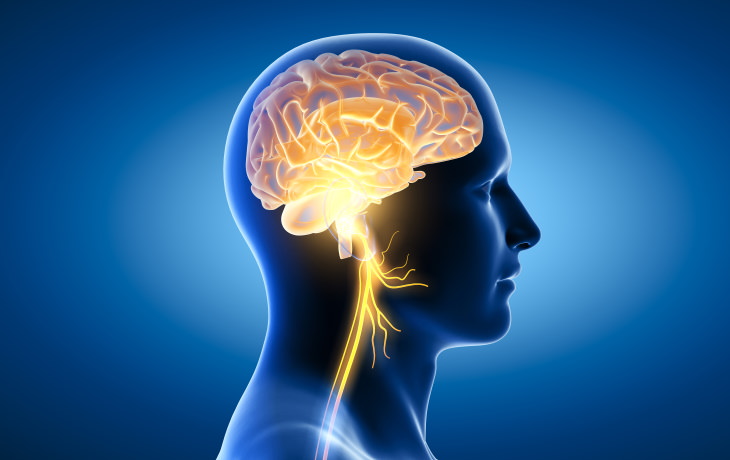 |
The vagus nerve is a large and important neural connection that links your brain and heart. It’s actually two nerves that run down from your brain on the sides of your neck towards the heart, lungs, and digestive tract. Stimulating the vagus nerve can remedy a fast heartbeat. There are several ways you can stimulate the vagus nerve, but make sure to consult a doctor before you try it.
1. Lie down and cough, gag, or chant “om” a few times.
2. Lie down, hold your breath, and simultaneously contract your abs for 15-20 seconds.
3. Jump in a cold shower, wash your face with cold water, or apply a
cold compress to your face for 30 seconds. The refreshing cold water
stimulates the vagus nerve.
3. Hydrate and mind your electrolytes

Dehydration is known to make the heart work harder and cause heart palpitations. This happens for two reasons:
1. Not enough water in your blood makes it thicker. The thicker your blood, the harder it is for your heart to circulate it throughout the body.
2. Low levels of electrolytes - molecules that transfer electrical signals throughout the body and regulate the heart rate.
In order to slow down your heart rate, you’ll need to drink plenty of fluids and restore the electrolyte balance in your blood. Potassium, calcium, magnesium, and sodium are all examples of electrolytes. You can get enough electrolytes from nutrition. While most of us get enough sodium already, the remaining electrolytes can be obtained from:
Bananas
Avocados
Spinach
Nuts
Potatoes
Fish.
4. Avoid stimulants
Many substances are capable of speeding up your heartbeat and causing heart palpitations. Anyone who’s ever had one too many cups of coffee will know this. Eliminating potentially harmful substances wherever possible can help restore your heartbeat. Although the sensitivity to different stimulant substances varies from person to person, here are common triggers:
Tobacco
Caffeinated drinks (soda, coffee, tea)
Some cough medicines
Mental health medication
Appetite suppressants
Certain high blood pressure medications
Illegal drugs.
If you’re taking prescription medications that increase your heart rate,
consult a professional to help you find alternatives or adjust your
dosage.
5. Exercise
Heart palpitations may be a sign that you’re lacking regular exercise in your daily routine. Cardiovascular exercises like brisk walking, cycling, swimming, and jogging are all capable of improving your heart health and restoring your heart rhythm.
The American Heart Association recommends 150 minutes of such exercises weekly. Keep in mind, however, that some exercise can cause palpitations. If you notice this, exclude them and adjust your exercise routine accordingly.
6. Stay away from alcohol
Even though alcohol is not a stimulant, it is a depressant, heavy
drinking is known to increase one’s risk of a condition called atrial
fibrillation. Atrial fibrillation is a type of arrhythmia that causes a
fast and irregular heartbeat that can lead to the formation of blood
clots in the heart. In patients with atrial fibrillation, the upper
chambers of the heart contract irregularly. The condition raises the
risk of heart failure, stroke, and other serious complications, so it
shouldn't be taken lightly.
7. Hawthorn berry extract

Hawthorn berry extract comes from Chinese medicine, where it has been
used to treat an upset stomach, heart failure, and high blood pressure.
The tiny red berries have also caught the attention of scientists, with a
2 year-long study in 952 individuals with heart failure showing a
reduction in heart palpitations among the patients who took the extract.
In the study, one group received hawthorn extract only, another got medication and hawthorn extract, and the last group only received medication. The participants who only receive hawthorn berry extract experienced fewer heart palpitations than those who didn’t receive the extract at all.
Keep in mind that hawthorn extract may interact with heart medications, so it’s important to consult your doctor if you’re suffering from any cardiovascular issues or chronic health problems.
8. Relaxation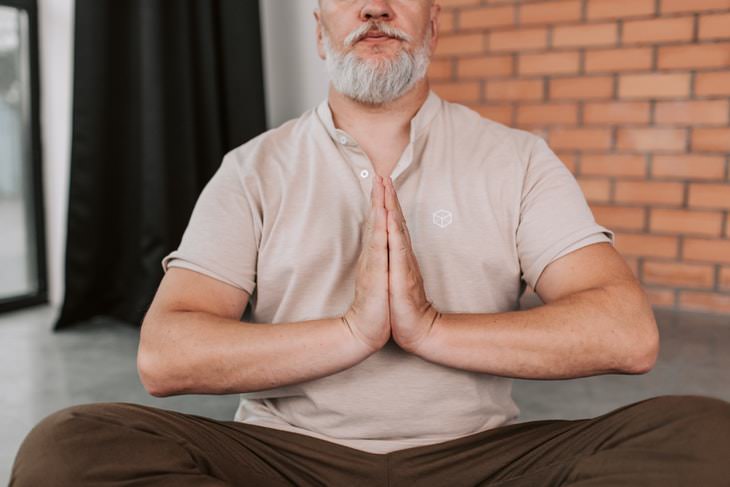
Stress plays a huge role too. Panic attacks can make you hyperventilate
and experience a racing heart, sure, but even chronic daily stress can
trigger heart palpitations. Stress makes the levels of the hormone
adrenaline grow, which directly increases one’s heart rate.
Therefore, engaging in relaxation techniques throughout the day can help
manage heart palpitation and lower your resting heart rate over time.
Activities like meditation, yoga, tai chi, and exercise all help combat
stress tremendously, but even sitting with your eyes closed and focusing
on deep breathing every 2-3 hours throughout the day can help calm your
mind.