Monday, January 31, 2022

Are you 35 plus, having fine lines, pigmentation? Here are 8 anti-aging tips for your skin

Aging of organs begins from the time when one is born, and skin is no exception to that. Skin aging is due to intrinsic factors (primarily genetic) and extrinsic factors like sun exposure, smoking, pollution, stress, etc.; Signs of skin ageing include dullness, fine lines, wrinkles, pigmentation. Here are a few tips to stop aging
Are you 35 plus, having fine lines, pigmentation? Here are 8 anti-aging tips for your skin RCB

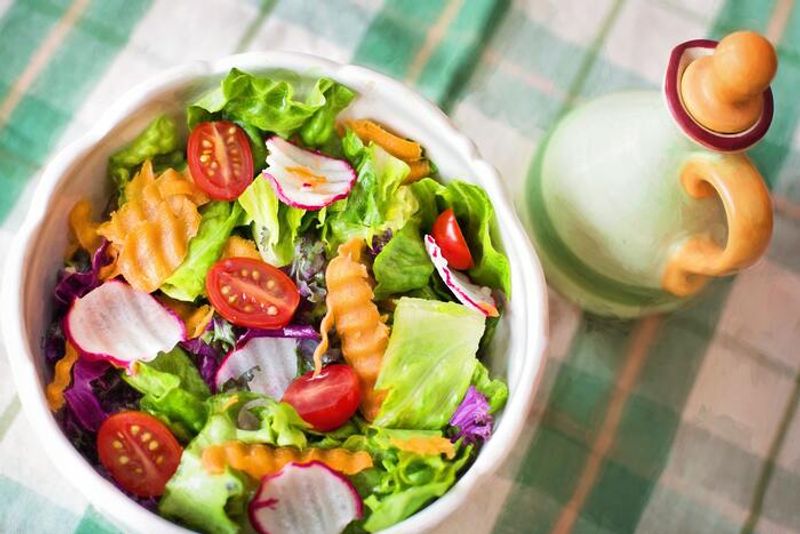
A healthy diet and lifestyle: Eating plenty of fresh fruits and vegetables rich in antioxidants helps prevent damage from free radicals that leads to premature aging. Diets containing lots of sugar and refined carbohydrates can accelerate aging

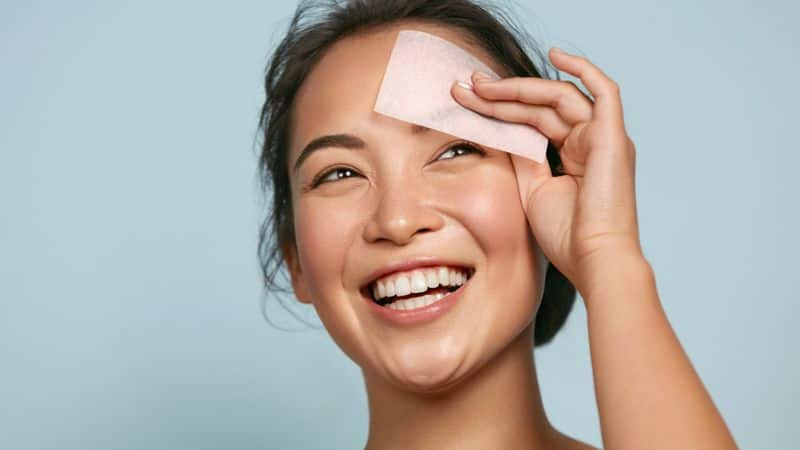
Wash Face: Wash your face twice a day by applying a gentle cleanser. Avoid any products that can irritate your skin. Scrubbing is not recommended as it can irritate skin. You should remove your makeup before going to sleep. 

Are you 35 plus, having fine lines, pigmentation? Here are 8 anti-aging tips for your skin RCB
Stop smoking, drink less alcohol: Smoking speeds up how quickly skin ages, it causes dullness, wrinkles and a sallow complexion. Alcohol dehydrates and damages the skin making it look older.

Facial moisturizer: Apply a facial moisturizer every day. It hydrates skin and gives it a youthful appearance.
Are you 35 plus, having fine lines, pigmentation? Here are 8 anti-aging tips for your skin RCB

Protect your skin from the sun: Sun exposure plays a vital role in skin aging. Applying a broad spectrum sunscreen with SPF 50 that covers both UVA and UVB protects skin from the harsh UV light. Sunscreen has to be applied 20 minutes before sun exposure and repeated every 2 -3 hours. 
Are you 35 plus, having fine lines, pigmentation? Here are 8 anti-aging tips for your skin RCB

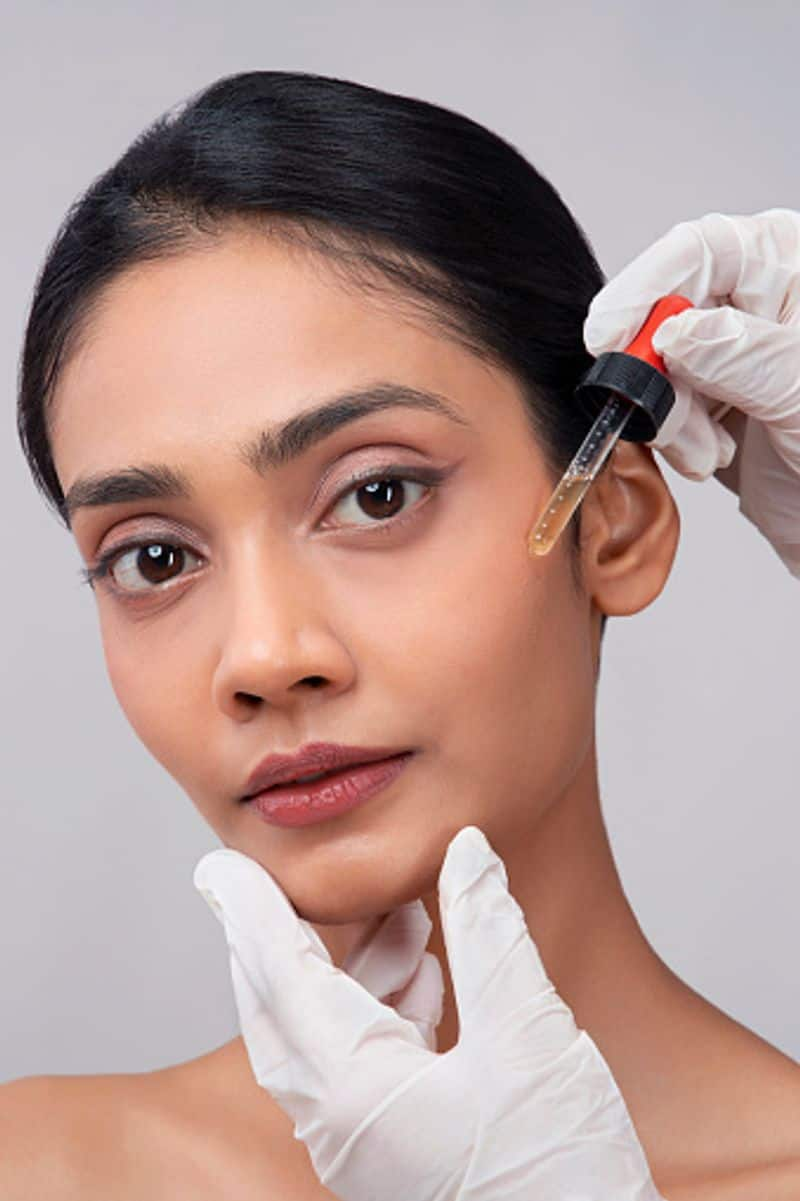
Use of Vitamin C serum and night creams: Vitamin C is an antioxidant that eliminates free radicals and helps in rejuvenating the skin. Hyaluronic acid helps in maintaining hydration of skin, thus adding to the volume. Night creams available in the market have retinoid. Retinoids are chemically similar to vitamin A. When applied on the skin, they prevent the degradation of collagen. 

In addition to these, taking oral supplements rich in beta carotene, astaxanthin, biotin, vitamin C also helps in delaying premature aging

 

Are you 35 plus, having fine lines, pigmentation? Here are 8 anti-aging tips for your skin RCB

Exercise most of the days: Moderate exercise can improve circulation, boost immunity, and give the skin a more youthful appearance.
Are you 35 plus, having fine lines, pigmentation? Here are 8 anti-aging tips for your skin RCB
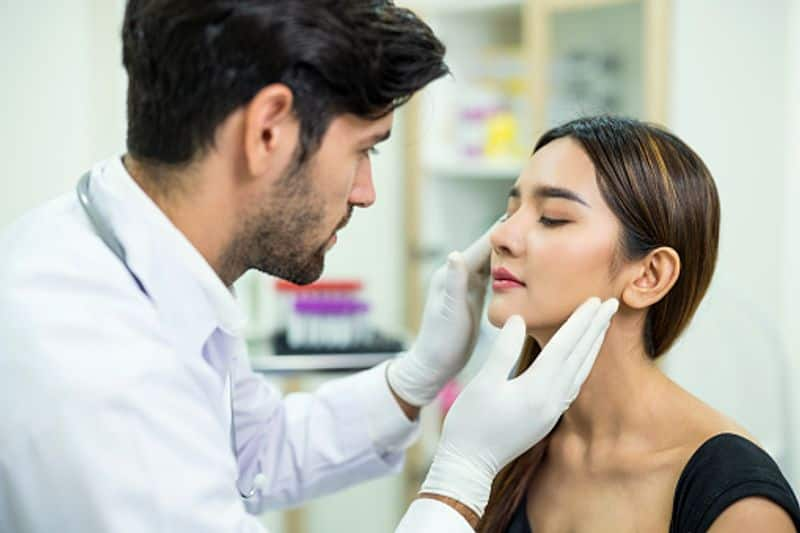
Never late than before: If signs of ageing bother you, meet a dermatologist. New treatments and less invasive procedures like chemical peels, LASERS, Botox, fillers and threads help in smoothening wrinkles and giving a brighter, younger looking skin

This is only for your information, kindly take the advice of your doctor for medicines, exercises and so on.   

https://gscrochetdesigns.blogspot.com. one can see my crochet creations  
https://gseasyrecipes.blogspot.com. feel free to view for easy, simple and healthy recipes    
https://kneereplacement-stickclub.blogspot.com. for info on knee replacement


Labels: , , , , , , , , , , ,

Tuesday, March 19, 2019

Anthocyanin: a Pigment Full of Health Benefits

Ever wondered why there are red, blue and even black variants of fruit and vegetables that are normally white or yellow? The answer lies, much like in humans and animals, in pigmentation.

This difference in color is not superficial, as dark-colored fruit and vegetables contain an essential component called anthocyanin, and it turns out that this component may benefit human health in a variety of ways.

 
Anthocyanin is a pigment, which typically makes fruit and vegetables darker, and its consumption has been linked to several major health benefits.
As a general rule, the darker the produce is, the richer in anthocyanin it will be, moving from red to a deep, almost black purple. Good sources of this pigment are eggplants, black raspberries (the similar-looking blackberries are somewhat less rich in anthocyanin), blackcurrant, elderberries, blue (Hopi) corn and blueberries.
Blue vegetables vs. diabetes and inflammation
But why are these pigments good for us, anyway?
A series of studies following over 200,000 women and men over a period exceeding 20 years in total demonstrated that a diet rich in anthocyanin, which translates to about two servings of blueberries a week, was strongly associated with a decreased risk of type 2 diabetes. Participants that had an anthocyanin-rich diet were 23% less likely to develop insulin resistance.
Type 2 diabetes occurs when our bodies develop a tolerance to insulin, the hormone in charge of absorbing carbohydrates into the body, and it is associated with overindulging in sugary and carb-rich foods. What anthocyanin appears to do is promote insulin sensitivity in the body, thus helping prevent the onset of diabetes.
Moreover, dietary anthocyanins have been consistently shown to be effective in reducing the inflammation associated with obesity and the chronic conditions that come with it.
The pigment that staves off cancer
Anthocyanins have also been demonstrated  to be potent antioxidants, a word that has become increasingly prominent in health circles. But what is an antioxidant, anyway, and what is it good for?
In short: oxidation in the body has the potential to create flawed oxygen atoms (called free radicals) with missing electrons. The atom seeks to rectify this by “stealing” electrons from the environment, i.e. our body. This causes cellular mutation in different organs and tissues, and was even shown to alter DNA.
This, in turn, can lead to a host of different degenerative diseases that are often associated with aging, such as cancer, Alzheimer’s, Parkinson’s, diabetes and others. Antioxidants neutralize these free radicals by donating the much-needed electrons. In fact, eating just half a cup of blueberries in every meal has been shown to increase the body’s ability to neutralize these harmful free radicals and protect the integrity of our DNA substantially.
And that’s just anthocyanins! Obviously, all of these berries and vegetables are also rich in nutrients that can help relieve and prevent a host of health issues. 
 
THIS IS ONLY FOR INFORMATION, ALWAYS CONSULT YOU PHYSICIAN BEFORE HAVING ANY PARTICULAR FOOD/ MEDICATION/EXERCISE/OTHER REMEDIES.                                    PS- THOSE INTERESTED IN RECIPES ARE FREE TO  VIEW MY BLOG-                                                                                           https://gseasyrecipes.blogspot.com/                                                                                                                                                         FOR INFO ABOUT KNEE REPLACEMENT, YOU CAN VIEW MY BLOG-                                                  https:// kneereplacement-stickclub.blogspot.com/           

                                                                           FOR CROCHET DESIGNS                                                                                                                                                                                                  https://gscrochetdesigns.blogspot.com 

Labels: , , , , , , , , , ,

Saturday, December 30, 2017

5 Reasons Why You Need To Include Beetroots In Your Diet

Thought of as one of the most healthy and nutritional vegetable, the beetroot is the taproot portion of the beet plant. Its deep red colour has made it a popular ingredient in foods all over the world. Apart from being used in all sorts of different food for flavour and colour, though, beetroot has also been used for its medicinal properties for centuries.

Beets are not only full of essential nutrients like vitamins B and C, iron, manganese, copper, magnesium, fiber and potassium, but they are also abundant in health-boosting nutrients that one may not get from anywhere else. Here are some great things that happen to your body when you eat beets.

1. Your haemoglobin levels get a boost
A low haemoglobin level can cause anemia. For your body to function properly, it is necessary that your haemoglobin level stays at its optimum level. Beetroot, as a result of being a good source of folate, also known as folic acid or vitamin B9, and a good source of iron, helps boost the production of haemoglobin. Patients with anemia are often asked to include beetroot in their diet.

2. You'll see a reduction in pigmentation and blemishes
The abundance of Vitamin C in beetroot makes it a very effective agent in reducing pigmentation and blemishes. Beetroot juice is a great for those with any kind of skin discolouration and pigmentation. Have a glass daily to see best and sustained results.

3. It can improve your heart and liver health
Beets are rich in a plant alkaloid called betaine. According to a research, dietary betaine improves liver function and leads to better diabetes control. It also stimulates the regeneration of liver cells and can help reduce the accumulation of fat in the liver. The research also showed "that a combination of betaine and guanidinoacetate (glycocyamine) improves the symptoms of subjects with chronic illness, including heart disease, without toxicity."

4. It helps rid your body of toxins
Because beets play an important role in improved liver health, they automatically act as a great tool for detoxification of your body. When your liver is able to detoxify chemicals and toxins more effectively, your body is better able to balance hormones, cholesterol and energy levels. Beetroot juice contains betalains, a group of phytonutrients, that help your body throw out the toxins more effectively.

5. You will see a reduction in any inflammation
Beets contain a high proportion of phytonutrients that act as anti-inflammatory agents. This can prevent many diseases and help your body stay on track.
Compounds with the strongest anti-inflammatory potential include betanin, isobetanin, and vulgaxanthin. These are all betalains - red and yellow pigments that give beets their distinct color. Betaine, which beets are also rich in, play an important role in regulating inflammation.
Beets and beetroot juice can not only reduce inflammation but may also protect against cancer and heart disease, thanks to all the nutrients present in them plus betalains. Yes, betalains, remember them!

 THIS IS ONLY FOR INFORMATION, ALWAYS CONSULT YOU PHYSICIAN BEFORE HAVING ANY PARTICULAR FOOD/ MEDICATION/EXERCISE/OTHER REMEDIES.    
 
PS- THOSE INTERESTED IN RECIPES ARE FREE TO VIEW MY BLOG-                      

HTTP:GSEASYRECIPES.BLOGSPOT.COM/
FOR INFO ABOUT KNEE REPLACEMENT, YOU CAN VIEW MY BLOG-                                                                       
HTTP://KNEE REPLACEMENT-STICK CLUB.BLOGSPOT.COM/
FOR CROCHET DESIGNS

HTTP://MY CROCHET CREATIONS.BLOGSPOT.COM

Labels: , , , , , , , , , , , , , ,