Friday, December 05, 2025

Pressure points for Constipation Relief

 When nature calls but nothing happens, millions of people reach for over-the-counter remedies. But what if the solution was literally at your fingertips? Enter acupressure—an ancient healing practice that's helping modern sufferers find natural relief from one of life's most uncomfortable problems.

We've all been there. Whether it's stress from a demanding work schedule, dehydration from that third cup of coffee, or side effects from medication, constipation strikes when we least expect it. While it's a common experience, it doesn't have to be an inevitable one. 
 
The Power of Touch: Understanding Acupressure 
 
Rooted in traditional Chinese medicine, acupressure works on the principle that our bodies contain a vital energy called qi (pronounced "chee"). This life force flows through invisible pathways known as meridians, connecting to every tissue and organ in your body. When this energy becomes blocked or imbalanced, health issues—including digestive problems—can emerge. 
 
Unlike acupuncture, which uses thin needles, acupressure harnesses the healing power of touch. By applying targeted pressure to specific points along your body's meridians, practitioners believe they can restore balance and promote natural healing responses. 
 
 "Acupressure promotes peristalsis—the wave-like muscle contractions that move stool through your digestive system," explains Dr. Kim Peirano, a licensed acupuncturist. "It also activates the vagus nerve, which plays a crucial role in healthy digestion by sending signals between your brain and digestive tract." 
 
Six Pressure Points That Pack a Punch  
 
The human body contains over 2,000 pressure points, but when it comes to constipation relief, these six locations are your best allies: 
 
San Jiao 6 (Branching Ditch): 
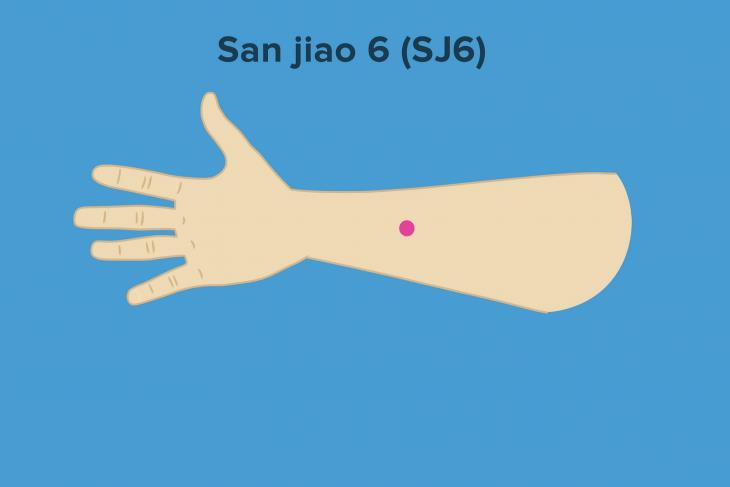
 pressure points for constipation
 
Located three finger-widths from your wrist crease on the outer arm, this point stimulates the lower digestive organs, including the large and small intestines. Apply circular pressure with your opposite thumb for one to three minutes, then repeat on the other arm.
Stomach 25 (Celestial Pivot): This digestive system balancer sits two finger-widths to the right of your belly button. Press with your thumb or index finger in circular motions for one to three minutes, then switch to the left side. This versatile point helps both constipation and diarrhea. 
 
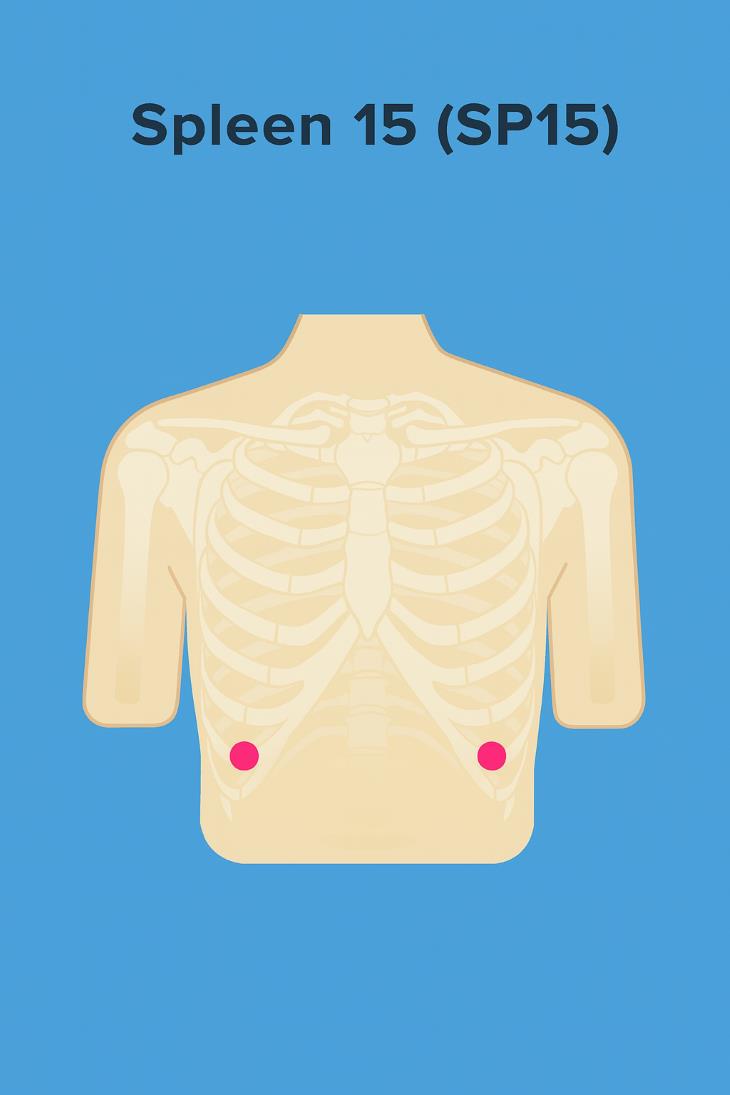
Spleen 15 (Great Horizontal): 
 pressure points for constipation
 
Found four finger-widths to the right of your navel, this point works in tandem with Stomach 25 to stimulate peristalsis. Use the same circular pressure technique for maximum effectiveness.
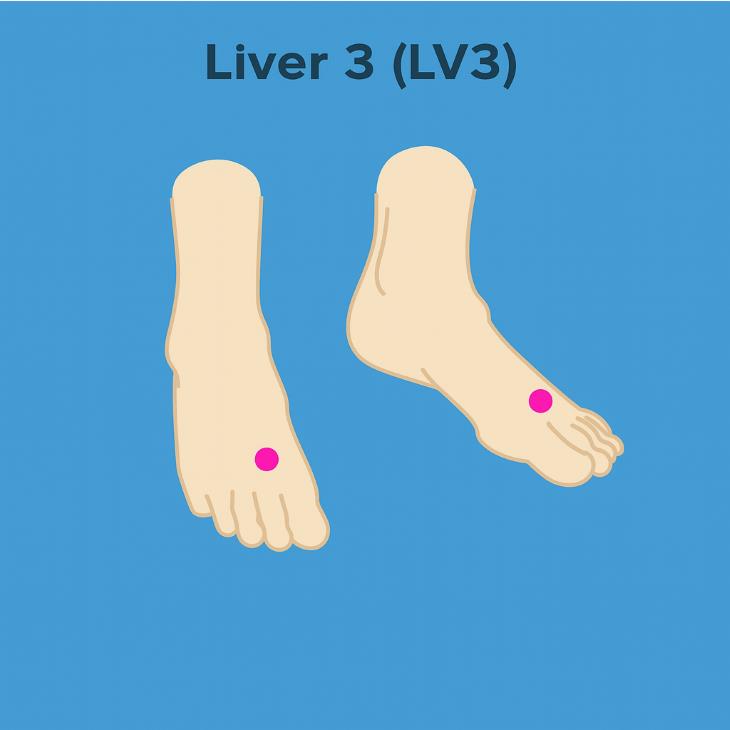
Liver 3 (Great Surge):  
 pressure points for constipation
 
When stress is the culprit behind your constipation, target this point in the soft skin between your big toe and second toe. This pressure point regulates liver qi and provides stress relief—a double win for your digestive system.

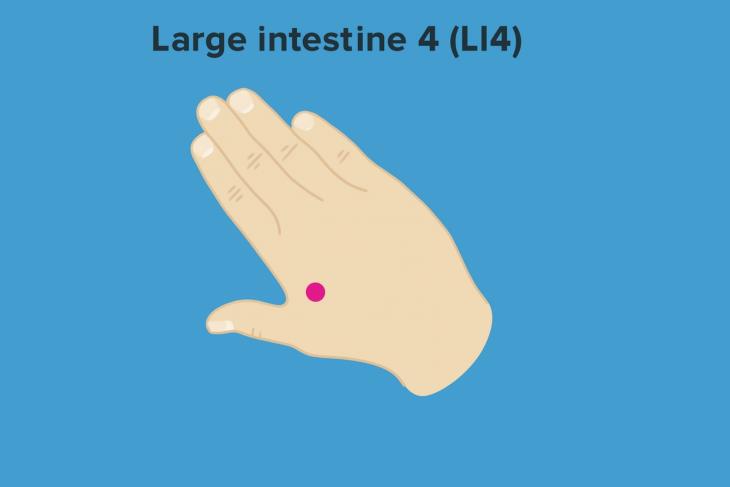
Large Intestine 4 (Joining Valley): 
 
pressure points for constipation  
Another stress-busting point, this one lives in the webbed skin between your thumb and index finger. If emotional tension is backing up your system, this point offers natural relief through circular pressure application

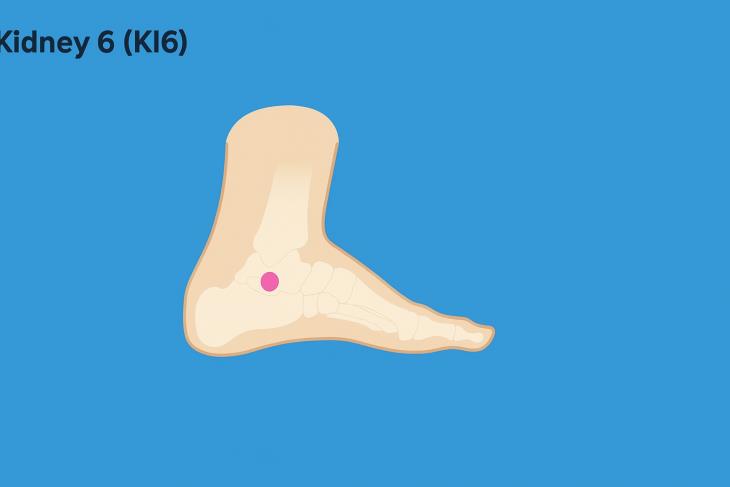
Kidney 6 (Shining Sea): 
 
pressure points for constipation 
 Located below your inner ankle bone, this foot point induces bowel movements by promoting fluid production—essential for keeping things moving smoothly through your digestive tract.

The Science Behind the Pressure 
 
Recent research supports what traditional Chinese medicine has long claimed. A 2019 study found that acupressure increases endorphin production, leading to muscle relaxation and stress reduction. This is particularly beneficial when constipation stems from emotional or psychological factors. 
 
The practice also stimulates the body's natural digestive processes, encouraging the rhythmic contractions that move waste through your system. It's like giving your digestive tract a gentle, internal massage.


Safety First: What You Need to Know 
 
While acupressure is generally safe, it's not suitable for everyone. Pregnant women should exercise caution, as certain pressure points can potentially induce labor. Those with lung, kidney, or heart disease, pacemakers, or inflamed skin should avoid the practice entirely.
 
Even when performed correctly, acupressure can cause minor side effects including bruising, soreness, or lightheadedness. The key is using gentle, consistent pressure rather than forceful pushing.

Beyond Pressure Points: A Holistic Approach 
 
Acupressure works best as part of a comprehensive digestive wellness strategy. Complement your pressure point routine with fiber-rich foods like fruits, vegetables, and whole grains. Stay hydrated—especially important when increasing fiber intake—and maintain regular physical activity to keep things moving naturally. 
 
Consider adding magnesium citrate to your routine (up to 350 mg daily for women, 400 mg for men), manage stress through relaxation techniques, and try to establish regular bathroom habits. Sometimes, medication adjustments with your doctor's guidance can also make a significant difference.
 
 
When to Seek Professional Help 
 
While acupressure and lifestyle changes can provide remarkable relief, persistent constipation warrants medical attention. Contact a healthcare provider if home remedies aren't working, or if you experience concerning symptoms like persistent abdominal pain, bloody stools, vomiting, fever, or unexplained weight loss. 
 
The Bottom Line 
 
In our fast-paced world, ancient wisdom offers surprisingly modern solutions. Acupressure provides a natural, accessible way to address constipation without relying solely on medications. With just your hands and a few minutes of focused attention, you can tap into your body's innate healing abilities. 
 
The next time digestive discomfort strikes, remember that relief might be just a pressure point away. Your body has been equipped with everything it needs—sometimes it just needs a gentle nudge in the right direction.


This is only for your information, kindly take the advice of your doctor for medicines, exercises and so on.   


Labels: , , , , , , , , , ,

Tuesday, January 08, 2019

What Is The Real Cause Of Pain

When something starts to ache in our body, we can only guess what has happened. However, depending on where the ache or pain is, it may be associated with an organ. This information is meant to serve as an introduction, not as a strict guide. 
 
1. The Heart
Normally, when something is wrong with the heart a person would feel a compressing pain in the chest that can spread to the left arm, shoulder blade and part of the neck. 
2. The Kidneys
What may seem like a simple backache could actually indicate a problem with the kidneys. Kidney pain tends to be deep under the ribs, while muscle pain is usually lower. The pain may also travel to the legs.
3. The Small Intestine
A pain in the navel region may indicate problems with the small intestine. If the pain persists and causes discomfort when bending or walking, be sure to visit your doctor. 

4. The Large Intestine
Pain in the lower abdomen, closer to the right side could indicate a pain in your large intestine. Regular constipation is also an indication.
5. The Lungs
While the lungs themselves don't feel pain due to a lack of nerve endings, if something is wrong with them, you may feel a dull ache in your chest. A cough and difficulty breathing also indicate lung problems. 
6. The Appendix
Located in the lower right region of the abdomen, appendix pain may affect the whole stomach area or its separate parts. The pain may also travel into the right thigh. Other signs also include nausea, vomiting, fever, constipation or diarrhea. 
7. The Stomach
Gastric problems usually cause pain in the middle of the abdomen, above the ribs. It can also appear on the same level in the back. 
8. The Gallbladder and the Liver
Gallbladder and liver problems may cause pain in the upper right region of the abdomen, which can also travel to the same place in the back. Other symptoms for issues associated with the liver include a sour taste in the mouth and jaundice. 
THIS IS ONLY FOR INFORMATION, ALWAYS CONSULT YOU PHYSICIAN BEFORE HAVING ANY PARTICULAR FOOD/ MEDICATION/EXERCISE/OTHER REMEDIES.                                                                                
 PS- THOSE INTERESTED IN RECIPES ARE FREE TO  VIEW MY BLOG-                                                                                           https://gseasyrecipes.blogspot.com/                                                                                                                                                                             FOR INFO ABOUT KNEE REPLACEMENT, YOU CAN VIEW MY BLOG-                                               
     https:// kneereplacement-stickclub.blogspot.com/                                                                                     
  FOR CROCHET DESIGNS                                                                                                                                                                                                         https://gscrochetdesigns.blogspot.com

Labels: , , , , , , , , , , , , , , , ,

Saturday, December 01, 2018

A New Gut Bacteria as Tremendous Potential

Move over Bifidobacterium and Lactobacillus. There's a new health-promoting gut bacterium in town, and it's called Akkermansia muciniphila. 

You will not find its benefits at the bottom of a yogurt cup. But a new study has identified more than one way to nurture its growth in the gut, and offered evidence that it may maintain—and even restore—health as we age.

The new research found that in mice and monkeys whose metabolisms had grown cranky with age, taking steps to boost A. muciniphila in the gut reduced the animals' insulin resistance.

Insulin resistance is the gradual impairment of the body's ability to efficiently use food for fuel. It is best known as a way station on a patient's path to developing type 2 diabetes.

But insulin resistance is also linked to a rogue's gallery of ills, from obesity and inflammation to the sagging immunity and frailty that comes with advancing age. If a readily available means of slowing or reversing insulin resistance could be identified, it might have broad and powerful anti-aging effects (in addition to protecting some of the world's 650 million adults who are obese against developing type 2 diabetes).

First identified in 2004, Akkermansia muciniphila inhabits the large intestine and is thought to account for between 1 percent and 5 percent of all intestinal bacteria in adults. Scientists suspect it helps preserve the coat of mucus that lines the walls of our intestines. It may also play a role in making the polyphenols we eat in plant-based foods more available to our cells.

Evidence is mounting that A. muciniphila is involved in obesity, glucose metabolism and intestinal immunity.

For instance, a 2018 study of cancer patients suggests that it plays a role in immune response. 

Compared to patients who failed to be helped by a new generation of immunotherapy, those who did had a greater abundance of Akkermansia in their guts. When researchers took the stool of a patient who responded positively to the cancer-fighting therapy and transplanted it into lab animals with human cancers, the recipients became more likely to respond positively to the same treatment.
In the new research, a team examined the molecular chain of events that appears to result from A. muciniphila's depletion in mice and macaque monkeys. And they assessed the effects of restoring this gut microbe to elderly animals.

First, they documented that the guts of older animals had markedly smaller populations of A. muciniphila than the guts of young animals, and that as A. muciniphila became more scarce, so did butyrate, one of the gut's key protectors.

The deficiency of these two substances caused the mucous walls of the of the aged animals' intestines to thin and grow leaky. That corrosive process unleashed a chain of events that touched off inflammation, prompted an immune response and, in a final step, increased insulin resistance.

Key to that final step was the accumulation in the gut of a specific kind of immune cell called 4BL cells. If the detrimental chain of events was to be disrupted, the accumulation of those 4BL cells probably had to be stopped, the researchers surmised.

The researchers also documented what appeared to be a role for A. muciniphila in fostering healthy diversity among the garden of other microbes that colonize the gut. In animals with scant populations of A. muciniphila, a host of other common gut bacteria—as well as their beneficial byproducts, particularly butyrate—also suffered.

When the researchers gave aged mice butyrate, the result was higher A. muciniphila levels and levels of insulin resistance that approached those seen in the younger animals.

They got the same results when they gave aged mice and macaque monkeys the antibiotic enrofloxacin, a broad-spectrum antibiotic used in veterinary medicine. In both animals, enrofloxacin—which is not considered safe for use in humans—routinely wiped out the 4BL cells that were thought to be a key link in the chain leading to insulin resistance. With them out of the picture, A. muciniphila levels rose and insulin resistance largely disappeared, demonstrating their pivotal role.

The results suggest "that the insulin resistance and other pathologies associated with aging and even frailty can be ameliorated by targeting" the cascade of events that flow from the depletion of of Akkermansia muciniphila, the  authors wrote.

A researcher , who is exploring a probiotic form of Akkermansia that could increase its presence in the human gut, said the new findings are "perfectly in line" with studies that have shown the bacteria's impact on insulin sensitivity.

Finding the power of this gut bacteria in macaque monkeys is a particularly important step forward that supports "even more the need for future research in humans," added the researcher.

Researchers have just finished a small study in humans to investigate the safety and the feasibility of taking Akkermansia in a form that will boost its populations in the gut—a first. The results to date have been encouraging, he said. 

  "Commensal bacteria contribute to insulin resistance in aging by activating innate B1a cells," researchers said.

THIS IS ONLY FOR INFORMATION, ALWAYS CONSULT YOU PHYSICIAN BEFORE HAVING ANY PARTICULAR FOOD/ MEDICATION/EXERCISE/OTHER REMEDIES.                                                                                                                                                                                                                                                                                        PS- THOSE INTERESTED IN RECIPES ARE FREE TO  VIEW MY BLOG-                                                                                           https://gseasyrecipes.blogspot.com/                                                                                                                                                                             FOR INFO ABOUT KNEE REPLACEMENT, YOU CAN VIEW MY BLOG-                                                                                                                             https:// kneereplacement-stickclub.blogspot.com/                                                                                       FOR CROCHET DESIGNS                                                                                                                                                                                                                                 https://gscrochetdesigns.blogspot.com


Labels: , , , , , , , , , , , , , ,

Tuesday, January 22, 2013

Colorectal Cancer

Colonoscopy View of Villous Polyp

Colorectal cancer is the second most common cause of cancer death after lung cancer. Most colon cancers come from polyps (abnormal masses) that grow on the inner lining of the large intestine. The polyps may or may not be cancerous. If they are, the cancer can spread to other parts of the body. Removing polyps early, before they become cancerous, can prevent it completely.

Labels: , , , ,