Sunday, October 27, 2024

10 omega-3-rich foods that could help reverse the clock on ageing

Whenever I interview health and nutrition experts, I make it a point to ask about their go-to supplements, and they almost always highlight omega-3-rich foods and supplements. These beneficial polyunsaturated fats, derived primarily from alpha-linolenic acid (ALA), are celebrated for their antioxidant and anti-inflammatory effects. Omega-3s support a range of health benefits, from heart and brain function to joint, eye, and skin health. They’re also known to strengthen the immune system, reduce anxiety, improve sleep quality, and may help protect against conditions like heart disease, arthritis, and Alzheimer's. In short, they are vital molecules for our well-being.

These essential Omega-3 fats—specifically EPA (eicosapentaenoic acid) and DHA (docosahexaenoic acid)—are especially important for our bodies because they cannot be synthesised naturally. Instead, they need to be obtained through dietary sources, such as fish oil, krill oil, or, ideally, Omega-3-rich foods. Specialists recommend an intake of at least 250 milligrams of EPA and DHA daily to support health, from reducing inflammation to bolstering heart and brain function. However, Omega-3 levels are often low in the typical Western diet, which tends to be richer in Omega-6 and Omega-9 fats that can have pro-inflammatory effects. For a more balanced and anti-inflammatory effect, experts suggest increasing Omega-3 intake through diet or quality supplements.

To boost your Omega-3 intake, prioritize foods rich in EPA and DHA, primarily found in fatty fish like salmon, sardines, and mackerel. Just two servings of these fish per week generally provide enough to meet the recommended daily intake. Omega-3s are also present in plant-based sources like walnuts, flaxseeds, and chia seeds, which contain alpha-linolenic acid (ALA). While ALA can convert to EPA and DHA in the body, this conversion is limited to around 15%. By including both animal and plant sources of Omega-3s in your diet, you ensure a steady supply of these essential fats for heart, brain, and overall health.

10 foods rich in omega-3

1 Mackerel

Part of the forage fish, and although considered a "poor" fish, mackerel is packed with nutrients: 100 grams contains about 500% of the recommended daily intake of vitamin B12 and 130% of that of selenium. In addition, it provides as much as 4580 milligrams of omega-3 in the form of EPA and DHA per 100 grams. This protein-dense oily fish, ubiquitous in the Mediterranean and parts of the Atlantic has a rich flavour, buttery texture, and is quick to cook on the grill, in the oven, or in a pan.

2 Salmon

Ubiquitous in food influencer stories, salmon is the ultimate anti-ageing beauty food. It contains among other things vitamin D, vitamin A, vitamin B12, minerals such as potassium phosphorus and magnesium, and 2150 milligrams of EPA and DHA per 100 grams. If available, source it fresh and cook it lightly steamed, as omega-3s are sensitive to heat. If you love raw fish enjoy it as sushi or sashimi, and if you prefer it smoked, choose it wild and of good quality.

3 Herring

These blue fish, which are abundant in the North Atlantic and North Seas of Europe (and especially Norway), are nutritionally rich and a fantastic source of omega 3: 100 grams contain as much as 2150 milligrams of EPA and DHA. They are also rich in selenium and vitamin B12. Commercially often precooked, smoked or marinated, they lend themselves to the preparation of salads such as the herring beet and red onion salad, or the hyper fancy orange, fennel and herring salad.

4 Chia seeds

These little seeds are stars of breakfast pudding and dessert recipes loved by celebrities like Meghan Markle. They are rich in protein, essential amino acids, and minerals like selenium, manganese and magnesium. And they contain 5050 milligrams of omega-3 per 28 grams, in the form of ALA (alpha linoleic acid). The easiest way to make sure you regularly enjoy the benefits of chia seeds? Add a teaspoon to your morning protein shake.

5 Flaxseed oil

Flaxseed oil is among the best dietary sources of alpha-linolenic acid (ALA): one tablespoon of flaxseed oil contains 2350 milligrams of anti-inflammatory ALA. This oil is also rich in protein, minerals, and lignans, phytochemical complexes with antioxidant properties. Consume it raw on salads and soups. Dip sourdough bread with croutons in it. And you can even use it as a compress to moisturise your hair.

6 Sardines

These small fish, especially when eaten whole, are a powerhouse of nutrients: they contain fralaltro vitamin D, selenium and vitamin B12. In addition, 150 grams of canned sardines provide 1463 milligrams of EPA and DHA. Eat them barbecued, as is done almost everywhere in Portugal, or buy them canned and add them to salads instead of tuna.

7 Walnuts

What aren't walnuts good for? Rich in vitamin E and minerals such as copper, manganese, and potassium. iron and phosphorus, they also contain 2570 milligrams of ALA per 28 grams. Crunch them between meals, chop them up in salads, and use them to make an unusual pesto; you'll get brighter skin, more peaceful sleep, and even a sharper memory.

8 Oysters

If you get the chance, and your credit card allows, enjoy a few oysters now and then. These nutrient-packed seafoods contain ALA as well as EPA and DHA: 6 oysters provide 329 milligrams of them. In addition, they are an excellent source of zinc, essential in winter to boost the immune system, copper, selenium and vitamin B12 essential for the nervous system.

9 Hemp seeds

Adopted by vegetarians and vegans as a source of complete protein (they contain all the essential amino acids) hemp seeds are a bombshell of nutrients such as vitamin E, and minerals such as potassium, magnesium, calcium, iron and zinc; and they really are a superfood, also beneficial for skin disorders such as eczema. Also notable is its omega-3 content: 6 tablespoons contain 6703 mg of ALA.

10 Seaweed

Antioxidant, anti-inflammatory, anti-ageing and anti-cancer, seaweeds are a superfood we should eat regularly. They are also a rare plant food that contains both EPA and DHA, in amounts that vary from one type of algae to another. Include them in soups, crumble them on salads and rice, wrap them to create homemade sushi, and, in the absence of anything else, take them in spirulina or chlorella tablets or powder to add to your morning smoothie.

 For vegetarians, luckily there are 2 more- kidney beans and soy bean products.


This is only for your information, kindly take the advice of your doctor for medicines, exercises and so on.   

https://gscrochetdesigns.blogspot.com. one can see my crochet creations  
https://gseasyrecipes.blogspot.com. feel free to view for easy, simple and healthy recipes    
https://kneereplacement-stickclub.blogspot.com. for info on knee replacement
https://cancersupportindia.blogspot.com  for infor on cancer and health related topics
https://GSiyers home remedies.blogspot.com   is the latest addition to my blogs. I'm going to add posts there, do give me your valuable feed back on my blogs. Thanks a lot, take care, be healthy and be happy.

Labels: , , , , , , , , , , , ,

Tuesday, January 06, 2015

10 Home Remedies That Treat Clogged Arteries

Clogged arteries are the result of a plaque buildup on the inner walls of the arteries, restricting proper blood flow, also known as atherosclerosis. Clogged arteries can eventually lead to more severe consequences, which include heart attack, stroke and even death if not treated early on. 

The most common symptom people experience is angina, which is easily mistaken for heartburn or indigestion. Angina is the feeling of pressure or tightness in your chest, and it occurs when there isn't enough blood flowing to your heart. Other common symptoms include; difficulty breathing, numbness on one side of the body and palpitations. 
 
 
The Most Common Causes and Symptoms:

Causes:
  • Smoking
  • Obesity
  • Type I and Type II diabetes
  • High blood pressure
  • High HDL cholesterol levels
  • Lack of physical exercise
  • Inflammation from other diseases, such as arthritis
Symptoms:
  • Angina (chest pain)
  • Numbness on one side of the body
  • inability to move an arm or a leg
  • Shortness of breath
  • Palpitations 
  • An irregular heartbeat
  • Weakness or dizziness
  • Nausea
  • Sweating
  • Loss of appetite
Different Testing Procedures for Clogged Arteries:
  • Cholesterol screening
  • Echocardiogram 
  • Stress Test
  • Electrocardiogram
  • Chest X-ray
  • Ultrasound
  • CT scan
  • MRI or PET scanning
  • Angiogram
Editor's note - Please visit your doctor if you are experiencing any of the above mentioned symptoms, especially the more severe ones.  

A few changes to your daily lifestyle can significantly reduce the risk for a wide assortment of heart diseases, such as pericarditis, hypertrophic cardiomyopathy, arteriosclerosis and heart attacks. Make sure you regularly exercise, maintain a healthy diet and avoid smoking at all costs. 

10 Natural Remedies for Clogged Arteries 
 
 
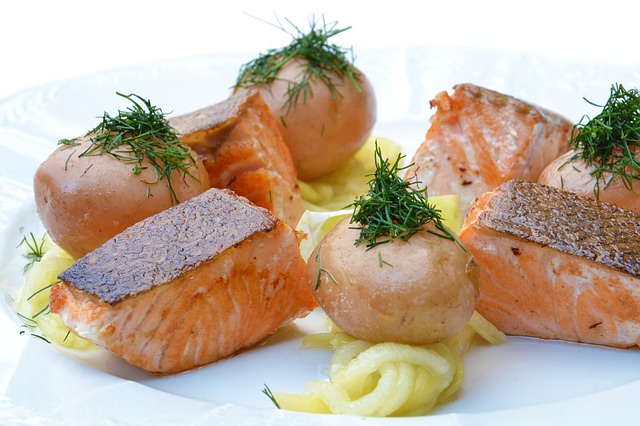
1) The SMASH Fish Diet - SMASH is the acronym for sardines, mackerel, anchovies, salmon, and herring. Cold water fish contain a high level of omega-3 fatty acids, which helps reduce the bad cholesterol, fight off inflammation and promote healthy hearts. 
 
Remedy:
  • You can select from any of the fish on the SMASH list and eat at least 2 servings per week. 
  • Garnish the fish with green leafy vegetables, such as spinach or kale.  
 
 
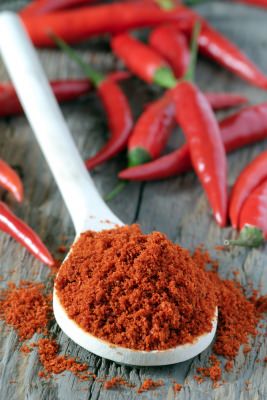
2) Cayenne Pepper - Cayenne pepper contains the powerful anti-inflammatory property of capsaicin, which is used to prevent oxidation, chest congestion, thrombosis and other heart diseases. 
 
Remedy:
  • Add 1 teaspoon of cayenne pepper to a cup of hot water. You can also mix a spoonful of the pepper into a cup of green tea, along with a bit of lemon juice and a squirt of honey.
  • Drink the concoction twice daily for a few weeks.

 
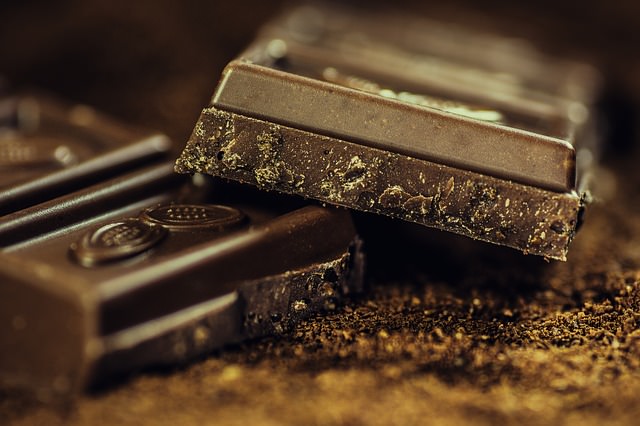
3) Dark Chocolate - Good quality dark chocolate contains more antioxidants than a handful of blueberries. The delicious treat is high in fiber, iron and magnesium, all essential components to prevent atherosclerosis. Skip the processed sugary chocolates on the supermarket shelves and stack up on the darker, healthier version instead.
 
Remedy:
  • You can snack on a small piece of dark chocolate as a sweet  alternative to fruits, but make sure you keep the intake moderate, since it is high in trans fats.
  • Use dark chocolate while baking or cooking instead of the refined variety. 
 
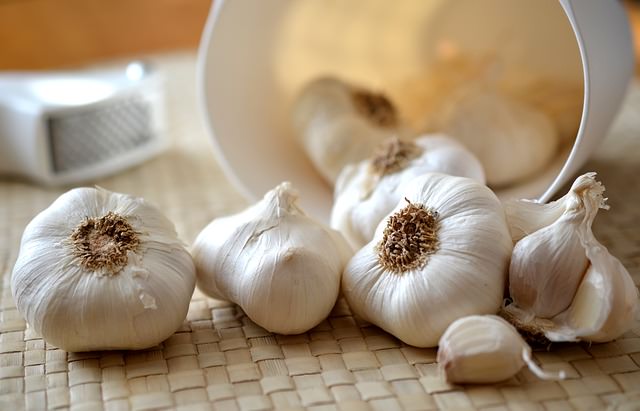
4) Garlic - Garlic might very well be the grand champion of all natural remedies. Garlic improves blood circulation, strengthens the immune system, lowers LDL cholesterol levels and reduces the risk of heart attack. 
 
Remedy:
  • Add 3 chopped garlic cloves to a glass of milk and boil it.
  • Let the milk cool off and drink it before going to bed.
  • Garlic supplements may be used as an alternative, but make sure you speak with your doctor in advance. 
 
5) Turmeric - Turmeric is one of the most powerful spices around. The health benefits of this "miracle spice" dates back over 10,000 years, and is used in traditional Ayurvedic medicine as a natural healing treatment. Turmeric supports a healthy cardiovascular system and prevents the blockage of arteries.
 
Remedy:
  • Add 1 teaspoon of turmeric powder to a glass of warm milk.
  • Add 1 tablespoon of honey to the milk.
  • Drink the turmeric milk twice per day.
  • You may also take turmeric supplements, with a suggested dosage between 400 to 600 mg, up to 3 times per day. Make sure you consult your doctor if you plan on taking any supplements.
 
 
6) Lemons - Citrus fruits are ideal for combating coronary artery diseases and other heart problems. Lemons contain high levels of vitamin C, ideal for maintaining healthy blood flow and preventing COPD (the common cold).
 
Remedy:
  • Squeeze the juice out of a single lemon into a glass of warm water.
  • Add a tablespoon of honey and a pinch of black pepper powder.
  • Drink the mixture twice daily for a couple of weeks.
  • You can also boil 1 tablespoon of lemon peels in 4 cups of warm water for about 20 minutes.
  • Strain the water and add a bit of honey. Drink 1 cup with each meal for several weeks.
 
 
7) Ginger - Ginger is one of the healthiest super foods in existence. It contains over a dozen plaque-fighting antioxidant properties and a score of benefits you would not believe. The powerful herb also flushes out toxins from the bloodstream.
 
Remedy:
  • Add 1 teaspoon of grated ginger to a cup of boiling water.
  • Allow the tea to steep for about 5 minutes and then strain. 
  • Add a tablespoon of natural honey to enhance flavoring. 
  • Drink a cup of ginger tea with each meal.  
 
 
8) Flaxseed - Flaxseeds are high in alpha-linolenic acid, which protects against inflammation and allows blood to flow properly throughout the body, while keeping your arteries clear from blockage.  
 
Remedy:
  • Consume 2 to 4 tablespoons of ground flaxseed each day.
  • You can add a tablespoon of ground flaxseeds to yogurts, cereals, salads and soups. 
  • Sprinkle a few ground flaxseeds to add extra flavor to plain vegetable salads or use them as a sugar substitute when preparing baked goods. 
 
 
9) Red Yeast Rice - The natural monacolins found in red yeast rice, helps to increase the HDL cholesterol levels in the body. The rice also prevents your arteries from clogging, while lowering the risk for other assorted heart diseases. 
 
Remedy:
  • You can consume the rice with any of the SMASH cold water fish as a healthy side dish. 
  • Red yeast rice capsules may be substituted instead, but make sure you consult your doctor beforehand. The suggested dosage is 1,200 mg twice per day with meals. 
 
 
10) Pomegranate - Pomegranates are rich sources for vitamin C, E, and K. They also contain powerful antioxidant phytochemicals, which prevent plaque from building up in the arteries. 
 
Remedy:
  • A glass of pomegranate juice per day can help improve the cardiovascular system.
  • Alternatively, you can eat 1 to 2 fresh pomegranates on a daily basis to reap the rewards.   
Additional Bonus Tips:

  • Avoid eating junk foods, fried foods, and processed foods.
  • Limit your consumption of red meat.
  • Avoid smoking.
  • Abstain from drinking alcohol.
  • Try meditation as a way to alleviate stress, which causes high blood pressure.
  • Add legumes and whole-grain products to your diet.
  • Eat more fruits with bright colors, such as mangos, blueberries, lemons, oranges, tomatoes, watermelon and butternut squash.
  • Mix 2 to 3 tablespoons of extra-virgin coconut oil with your meals, in order to help reduce plaque buildup.
  • Have a few glasses of natural cranberry juice a day to protect your cardiovascular system.
  • Bask in the early morning sunlight to get your daily dose of vitamin D, which helps reduce arterial stiffness.
  • Take 100 to 300 mcg of vitamin B12 daily, but make sure you get your doctor's approval first. 
  • Avoid refined sugar and use cinnamon or brown sugar as a substitute.
  • Take omega-3 supplements after consulting your physician.
  • Use extra-virgin olive oil while cooking.
  • Eat at least 2 servings of the SMASH Diet each week.
  • Drink a cup of green tea with each meal to keep the arteries from clogging.
  • Snack on a few almonds or walnuts to stay energized during the day and prevent heart disease.
  •  
    THIS IS ONLY FOR INFORMATION, ALWAYS CONSULT YOU PHYSICIAN BEFORE HAVING ANY PARTICULAR FOOD/ MEDICATION/EXERCISE/OTHER REMEDIES.


    PS- THOSE INTERESTED IN RECIPES ARE FREE TO VIEW MY BLOG-
    HTTP:GSEASYRECIPES.BLOGSPOT.COM/ 


    FOR INFO ABOUT KNEE REPLACEMENT, YOU CAN VIEW MY BLOG-
    HTTP://KNEE REPLACEMENT-STICK CLUB.BLOGSPOT.COM/

    FOR CROCHET DESIGNS


    HTTP://MY CROCHET CREATIONS.BLOGSPOT.COM

Labels: , , , , , , , , , , , , , , ,