Saturday, July 19, 2025

What Should You Do When Emergency Strikes?

Did you know that in the United States alone there are 136.9 million emergency room visits each year? While some injuries do merit an immediate ambulance ride, there are countless others that can be helped with a few simple precautions taken before the professionals arrive. Even if you went through some first aid training in your younger years, chances are that you're probably in need of a refresher. Rediscover these 10 basic first aid skills: 
 
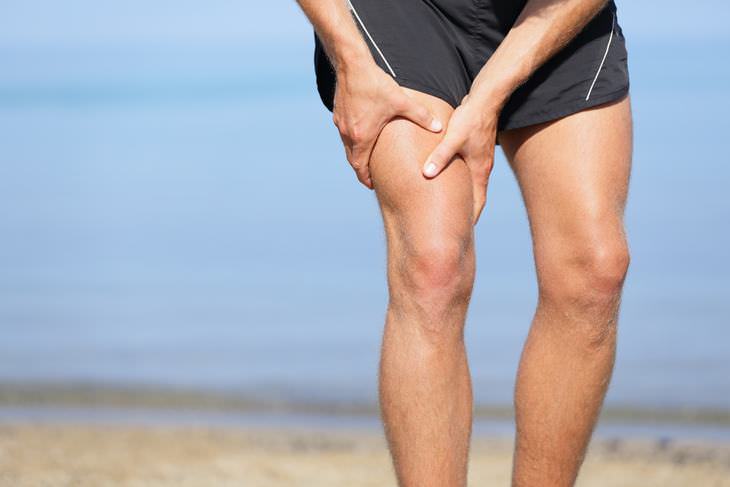
1. Relax a muscle cramp
first aid basics

If you've ever experienced a muscle cramp, you know just how painful they can be. The best way to resolve the issue is to gently massage and stretch the affected muscle group, rest and drink water, or ideally, an electrolyte-filled sports drink to calm your muscles. 
 
2. Be extra cautious about spinal injuries 
With any first aid injury that involves a head or neck injury, be extra wary of moving the victim. Especially if you did not witness the injury, or you are not sure if a spinal injury has occurred, assume that it did and encourage the person to stay as still as possible until medical professionals arrive, stabilizing the head and neck if necessary. 
 
3. Treat a sprain

first aid basics
If you've fallen or injured yourself during a sports activity, you may end up with a swollen sprained ankle or wrist. If this occurred for you, follow the RICE method: Rest (sitting down and not exerting yourself), Ice (apply an ice pack to your injury for 15 to 20 minutes at a time), Compression (using an elastic bandage to reduce swelling, but not wrapping it too tightly) and Elevation (keeping it lifted above your heart, particularly at night). This should be enough to help you recover. If not, seek medical treatment. 
 
4. Heal a bruise 
If a blow or some kind of impact causes blood vessels to burst near the skin's surface, it can look unsightly and hurt badly. More often than not, leaving it alone to heal is sufficient, but if you're looking to speed up the healing process, follow the same strategy as above, using the RICE method. If the bruising persists, consult a doctor. 
 
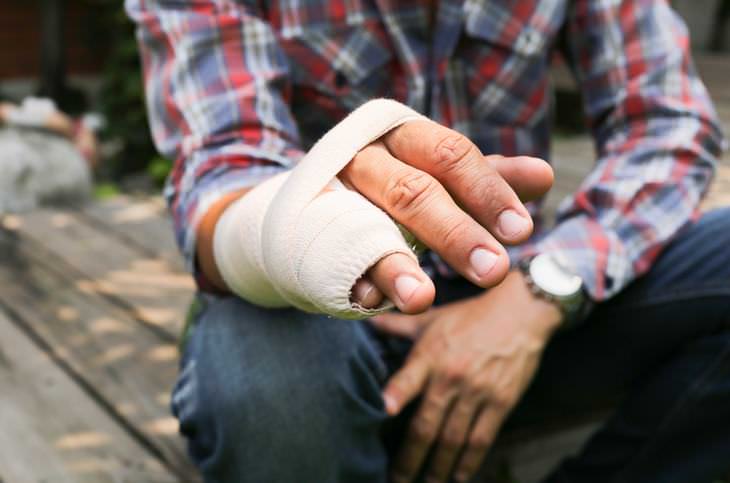
5. Splint a broken bone
first aid basics
If a more serious injury occurs, like breaking an arm or leg, stop the bleeding and reduce the swelling using ice, and call for medical assistance as soon as possible. You should also find a way to immobilize the injured appendage using a makeshift splint. To do this, simply roll up newspaper, or use a ruler or solid branch, and attach it to the arm or leg using tape or rope. The goal is to hold the appendage in place to avoid any further pain or damage. 
 
6. Deal with a larger object stuck in the eye 
If you've been struck by an object with rough edges, or one that contains chemicals, makes it hard to close your eye, or which remains stuck after taking those basic first aid steps, then be sure to seek medical treatment. Bandage the eye with a clean gauze and restrict movement. If the object is in another person's eye, cover their uninjured eye as well to prevent the affected eye from moving before you head to the doctor. If there's a large object in the eye, cover it with a paper cup to keep it from moving and get to the hospital. 
 
7. Treat shock

first aid basics
Shock creates a sudden drop in blood flow through the body which can result from blood loss, trauma, poisoning, severe burns, or a wide range of other injuries or ailments, and is generally accompanied with symptoms such as rapid breathing or a racing pulse. If someone is suffering from shock, elevate their legs and feet slightly, loosening tight clothing and checking for any bleeding or other more serious injuries. 
 
8. Deal with a severe cut 
A little cut that requires a band-aid is no big deal. But when you get a more serious wound, you need to go through a couple of steps. Firstly, rinse the wound and apply pressure using a sterile gauze or clean cloth. If the blood soaks through, then apply another bandage on top of the first one. Raise the injured part of the body to slow the bleeding and continue to apply pressure until the bleeding stops. 
 
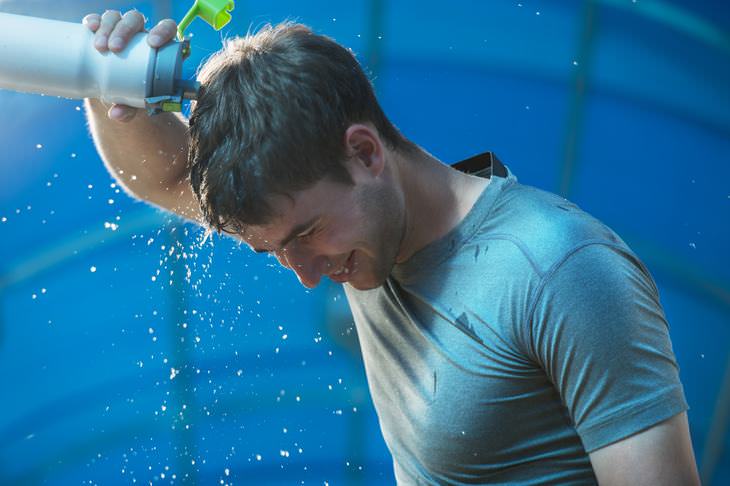
9. Relieve heat exhaustion
first aid basics
If you have been hiking for several hours in the sun and suddenly start feeling faint or ill, you could be suffering from heat exhaustion. The best solution would be to rest in a cool place, ideally, an air-conditioned building, with your legs elevated higher than your heart. Be sure to drink cool fluids, loosen any tight clothing and take a cold shower. If that doesn't work, seek medical attention. 
 
10. Handle heatstroke 
If someone's body overheats, they may get hit by heatstroke, which may cause all kinds of nasty side effects, including nausea and vomiting, fast breathing and an altered mental state. Those suffering from heat exhaustion should be moved to a cool place and immersed in cool water, a cold or even icy bath should be helpful, or pack them in a cooling blanket until medical professionals can be reached. 
 
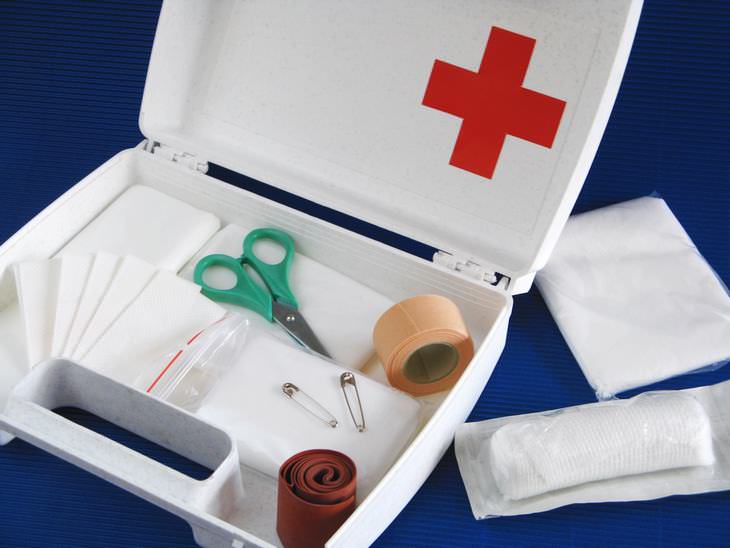
11. Refresh your first aid kit
first aid basics
You hopefully have a first aid kit around the house with a handful of bandages and ointments. If you have one be sure that you've got all the items recommended by the American Red Cross, including tweezers, an instant cold compress, and non-latex gloves. 
 
12. Deal with dehydration 
Dehydration tends to be very common, but it is often misunderstood. Dehydration is caused by not replacing both the water and salt that make up a sizable amount of our bodies. It can cause a wide range of symptoms, from headaches to muscle cramps, to dark-colored urine. Rehydrating is an immediate way to help counter the effects of dehydration, but also consider having a sports drink to help replenish electrolytes. Letting dehydration persist for too long can cause you to break out in a fever, or develop a rapid heartbeat or low blood pressure, in which case you should seek medical attention.


This is only for your information, kindly take the advice of your doctor for medicines, exercises and so on.   


Labels: , , , , , , , , , , ,

Wednesday, February 05, 2020

8 Unexpected Causes of Fever

We are all a little more worried about catching a cold or the flu during the winter. A higher than normal temperature is usually taken as one of the symptoms for these common issues, but it is important to be aware it can also point out to various other conditions. Normal body temperature is typically around 98.6 degrees Fahrenheit / 37 degrees Celsius. When it rises to 100.4° F/38° C and lasts more than a few hours – it's fever territory. Usually, fever alone is no cause for concern, unless it is combined with other specific symptoms and circumstances.

These are 8 situations associated with fever worth knowing.
1. Infection

This is probably the most common cause of a fever. When your body is trying to fight off bacteria or a virus, it releases a substance called pyrogen, which, in turn, resets your internal thermostat. In order to create a hostile environment for the intruder, your body raises the temperature. That, of course, makes life a little difficult for you, too. It is just a temporary state, by the end of which you will emerge victorious and overcome the infection.
However, you should see a doctor in cases of persistent fever that doesn’t respond to over-the-counter medications and home remedies, or when the fever is accompanied by severe headaches, difficulty breathing, blood in your urine or stool, redness of the skin, a rash, or vomiting.

2.  Vaccinations

The way vaccines work is by stimulating the body’s immune response. Certain molecules of pathogens like viruses or bacteria (not an active infection, though) are introduced into the body to trigger the immune system – so it is able to recognize and fight them in the future. As explained earlier, one of the ways in which our body wards off unwanted intruders is a mounting fever.
This is usually no cause for worry. Post-vaccination symptoms tend to be mild and pass after 2-3 days.

3.  Heat Exhaustion
This may happen on hot, humid days when you are overexerting yourself. By definition, heat exhaustion occurs when the body's core temperature rises above 98.6°F (37°C) but not beyond 104°F (40°C).
Under normal circumstances, the body has functions that are meant to cool it down, but when those systems are overcome and fail to do their job, the temperature continues to rise. Other symptoms include dizziness, excessive sweating, weak and rapid pulse, nausea, headache, and cool moist skin with goosebumps when in the heat.
If you suspect you or someone around you may be suffering from this condition, move to a cooler space, preferably air-conditioned. You can bring down the body temperature by placing a wet towel over the skin and drink cold water or a sports drink if you can hold down your fluids. If those measures fail to provide relief within 15 minutes, seek emergency medical care.

4.  Alcohol Withdrawal
Alcohol suppresses the central nervous system. In the first few days of withdrawal, the CNS needs to readjust and that may cause a fever. Another symptom of alcohol withdrawal is muscle contractions. If you experience tremors, it may increase your body temperature.
In case the temperature goes above 103°F (40°C) and does not come down within an hour of home treatment, or persists for over 24 hours during withdrawal - you should seek emergency medical care.


5.  Blood Clots
It is very important to know that fever can be a symptom of a blood clot!
A blood clot is a clump of blood, which has solidified from a liquid to a gel-like or semi-solid substance. Clotting can be necessary when you get injured or cut, as it prevents you from losing too much blood. However, when it forms in one of your veins, it can travel to your heart and lungs, get stuck and prevent blood flow. This is a medical emergency. 
According to experts, fever along with pain, swelling and redness in your leg or shortness of breath could point to a blood clot. 


 6.  Traveling
When traveling you are exposed to new types of bacteria different than the ones your body is already accustomed and immune to. The risk increases for travelers to tropical or developing countries. Doctors identify various types of travel-associated infections that cause fever - the most dangerous of these include malaria, dengue, typhoid fever, and chikungunya. All of them begin with flu-like symptoms.
It is important to consult your physician about guidelines for safe food and water consumption overseas. If you experience fevers upon your return from a trip, its best to go get checked.


7.  Hormone Disorder Changes
Thyroid hormones T3 and T4 are produced by the thyroid gland, which takes iodine (found in many foods) and converts it to said hormones. Your metabolism is regulated through the release of T3 and T4, but when too much of them is produced, the body goes into a state of hyperthyroidism.
When not treated, it can deteriorate to a thyroid storm. The symptoms are soaring heart-rate and blood pressure as well as a high fever. Besides untreated hyperthyroidism, a thyroid storm can occur because of trauma, heart attack or delivery of a baby. It is a life-threatening condition that should be treated by medical staff immediately!

8.  Inflammatory Conditions
Inflammation is the process that occurs in your body when it is fighting against harmful infections, injuries, and toxins. Similarly to the case of infection-induced fever, inflammation triggers the immune system to raise body temperature and create the symptom of fever.
Chronic inflammation is when the response lingers, thus leaving your body in a constant state of alert. This can have various negative effects over time, as the immune system eventually starts attacking healthy tissues in the body. Over time, chronic inflammation can result in tissue death, scarring, and DNA damage, all of which contribute to the development of degenerative diseases, such as cancer.


This is only for your information, kindly take the advice of your doctor for medicines, exercises and so on.     
https://gscrochetdesigns.blogspot.com. one can see my crochet creations  
https://gseasyrecipes.blogspot.com. feel free to view for easy, simple and healthy recipes    
https://kneereplacement-stickclub.blogspot.com. for info on knee replacement
 

Labels: , , , , , , , , ,

Friday, January 25, 2019

First Aid Facts You Need to Know

Quite often we meet with some injuries or someone known to us suffer from injuries. While some injuries do merit an immediate ambulance ride, there are countless others that can be helped with a few simple precautions taken before the professionals arrive. Even if you went through some first aid training in your younger years, chances are that you're probably in need of a refresher. Rediscover these 10 basic first aid skills:
 
1. Relax a muscle cramp
If you've ever experienced a muscle cramp, you know just how painful they can be. The best way to resolve the issue is to gently massage and stretch the affected muscle group, rest and drink water, or ideally, an electrolyte-filled sports drink to calm your muscles. 
2. Be extra cautious about spinal injuries
With any first aid injury that involves a head or neck injury, be extra wary of moving the victim. Especially if you did not witness the injury, or you are not sure if a spinal injury has occurred, assume that it did and encourage the person to stay as still as possible until medical professionals arrive, stabilizing the head and neck if necessary. 
 
3. Treat a sprain
If you've fallen or injured yourself during a sports activity, you may end up with a swollen sprained ankle or wrist. If this occurred for you, follow the RICE method: Rest (sitting down and not exerting yourself), Ice (apply an ice pack to your injury for 15 to 20 minutes at a time), Compression (using an elastic bandage to reduce swelling, but not wrapping it too tightly) and Elevation (keeping it lifted above your heart, particularly at night). This should be enough to help you recover. If not, seek medical treatment. 
4. Heal a bruise
If a blow or some kind of impact causes blood vessels to burst near the skin's surface, it can look unsightly and hurt badly. More often than not, leaving it alone to heal is sufficient, but if you're looking to speed up the healing process, follow the same strategy as above, using the RICE method. If the bruising persists, consult a doctor. 
5. Splint a broken bone
If a more serious injury occurs, like breaking an arm or leg, stop the bleeding and reduce the swelling using ice, and call for medical assistance as soon as possible. You should also find a way to immobilize the injured appendage using a makeshift splint. To do this, simply roll up newspaper, or use a ruler or solid branch, and attach it to the arm or leg using tape or rope. The goal is to hold the appendage in place to avoid any further pain or damage. 
6. Deal with a larger object stuck in the eye
If you've been struck by an object with rough edges, or one that contains chemicals, makes it hard to close your eye, or which remains stuck after taking those basic first aid steps, then be sure to seek medical treatment. Bandage the eye with a clean gauze and restrict movement. If the object is in another person's eye, cover their uninjured eye as well to prevent the affected eye from moving before you head to the doctor. If there's a large object in the eye, cover it with a paper cup to keep it from moving and get to the hospital. 
7. Treat shock
Shock creates a sudden drop in blood flow through the body which can result from blood loss, trauma, poisoning, severe burns, or a wide range of other injuries or ailments, and is generally accompanied with symptoms such as rapid breathing or a racing pulse. If someone is suffering from shock, elevate their legs and feet slightly, loosening tight clothing and checking for any bleeding or other more serious injuries. 
8. Deal with a severe cut
A little cut that requires a band-aid is no big deal. But when you get a more serious wound, you need to go through a couple of steps. Firstly, rinse the wound and apply pressure using a sterile gauze or clean cloth. If the blood soaks through, then apply another bandage on top of the first one. Raise the injured part of the body to slow the bleeding and continue to apply pressure until the bleeding stops. 
9. Relieve heat exhaustion
If you have been hiking for several hours in the sun and suddenly start feeling faint or ill, you could be suffering from heat exhaustion. The best solution would be to rest in a cool place, ideally, an air-conditioned building, with your legs elevated higher than your heart. Be sure to drink cool fluids, loosen any tight clothing and take a cold shower. If that doesn't work, seek medical attention. 
10. Handle heatstroke
If someone's body overheats, they may get hit by heatstroke, which may cause all kinds of nasty side effects, including nausea and vomiting, fast breathing and an altered mental state. Those suffering from heat exhaustion should be moved to a cool place and immersed in cool water, a cold or even icy bath should be helpful, or pack them in a cooling blanket until medical professionals can be reached. 
11. Refresh your first aid kit
You hopefully have a first aid kit around the house with a handful of bandages and ointments. If you have one be sure that you've got all the items recommended by the American Red Cross, including tweezers, an instant cold compress, and non-latex gloves. 
12. Deal with dehydration
Dehydration tends to be very common, but it is often misunderstood. Dehydration is caused by not replacing both the water and salt that make up a sizable amount of our bodies. It can cause a wide range of symptoms, from headaches to muscle cramps, to dark-colored urine. Rehydrating is an immediate way to help counter the effects of dehydration, but also consider having a sports drink to help replenish electrolytes. Letting dehydration persist for too long can cause you to break out in a fever, or develop a rapid heartbeat or low blood pressure, in which case you should seek medical attention. 

THIS IS ONLY FOR INFORMATION, ALWAYS CONSULT YOU PHYSICIAN BEFORE HAVING ANY PARTICULAR FOOD/ MEDICATION/EXERCISE/OTHER REMEDIES.                                    PS- THOSE INTERESTED IN RECIPES ARE FREE TO  VIEW MY BLOG-                                                                                           https://gseasyrecipes.blogspot.com/       
                                                                                                                                                                      FOR INFO ABOUT KNEE REPLACEMENT, YOU CAN VIEW MY BLOG-                                                  https:// kneereplacement-stickclub.blogspot.com/           
                                                                           FOR CROCHET DESIGNS                                                                                                                                                                                                  https://gscrochetdesigns.blogspot.com    
 

Labels: , , , , , , , , , , , , , , , , ,