What Should You Do When Emergency Strikes?
Did you know that in the United States
alone there are 136.9 million emergency room visits each year? While
some injuries do merit an immediate ambulance ride, there are countless
others that can be helped with a few simple precautions taken before the
professionals arrive. Even if you went through some first aid training
in your younger years, chances are that you're probably in need of a
refresher. Rediscover these 10 basic first aid skills:
1. Relax a muscle cramp
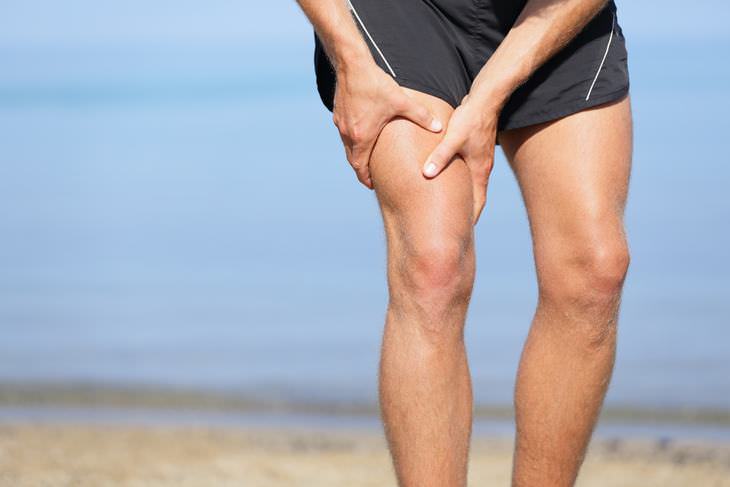
If you've ever experienced a muscle cramp,
you know just how painful they can be. The best way to resolve the issue
is to gently massage and stretch the affected muscle group, rest and
drink water, or ideally, an electrolyte-filled sports drink to calm your
muscles.
2. Be extra cautious about spinal injuries
With any first aid injury that involves a head or neck injury, be extra
wary of moving the victim. Especially if you did not witness the injury,
or you are not sure if a spinal injury has occurred, assume that it did
and encourage the person to stay as still as possible until medical
professionals arrive, stabilizing the head and neck if necessary.
3. Treat a sprain

If you've fallen or injured yourself during
a sports activity, you may end up with a swollen sprained ankle or
wrist. If this occurred for you, follow the RICE method: Rest (sitting
down and not exerting yourself), Ice (apply an ice pack to your injury
for 15 to 20 minutes at a time), Compression (using an elastic bandage
to reduce swelling, but not wrapping it too tightly) and Elevation
(keeping it lifted above your heart, particularly at night). This should
be enough to help you recover. If not, seek medical treatment.
4. Heal a bruise
If a blow or some kind of impact causes blood vessels to burst near the
skin's surface, it can look unsightly and hurt badly. More often than
not, leaving it alone to heal is sufficient, but if you're looking to
speed up the healing process, follow the same strategy as above, using
the RICE method. If the bruising persists, consult a doctor.
5. Splint a broken bone
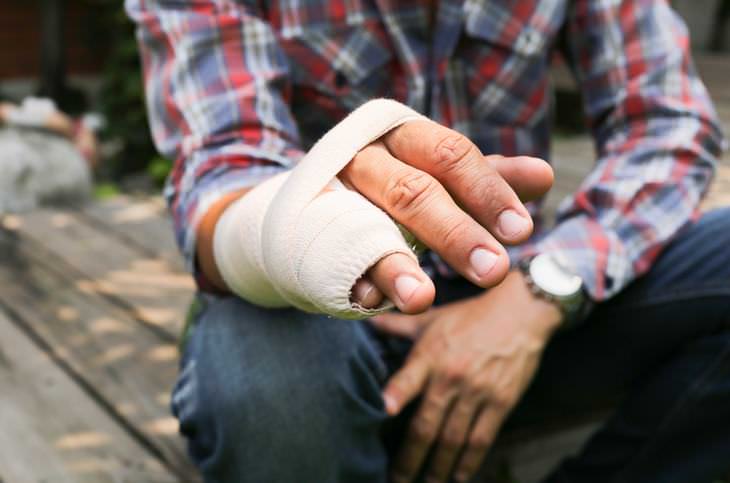
If a more serious injury occurs, like
breaking an arm or leg, stop the bleeding and reduce the swelling using
ice, and call for medical assistance as soon as possible. You should
also find a way to immobilize the injured appendage using a makeshift
splint. To do this, simply roll up newspaper, or use a ruler or solid
branch, and attach it to the arm or leg using tape or rope. The goal is
to hold the appendage in place to avoid any further pain or damage.
6. Deal with a larger object stuck in the eye
If you've been struck by an object with rough edges, or one that
contains chemicals, makes it hard to close your eye, or which remains
stuck after taking those basic first aid steps, then be sure to seek
medical treatment. Bandage the eye with a clean gauze and restrict
movement. If the object is in another person's eye, cover their
uninjured eye as well to prevent the affected eye from moving before you
head to the doctor. If there's a large object in the eye, cover it with
a paper cup to keep it from moving and get to the hospital.
7. Treat shock

Shock creates a sudden drop in blood flow
through the body which can result from blood loss, trauma, poisoning,
severe burns, or a wide range of other injuries or ailments, and is
generally accompanied with symptoms such as rapid breathing or a racing
pulse. If someone is suffering from shock, elevate their legs and feet
slightly, loosening tight clothing and checking for any bleeding or
other more serious injuries.
8. Deal with a severe cut
A little cut that requires a band-aid is no big deal. But when you get a
more serious wound, you need to go through a couple of steps. Firstly,
rinse the wound and apply pressure using a sterile gauze or clean cloth.
If the blood soaks through, then apply another bandage on top of the
first one. Raise the injured part of the body to slow the bleeding and
continue to apply pressure until the bleeding stops.
9. Relieve heat exhaustion
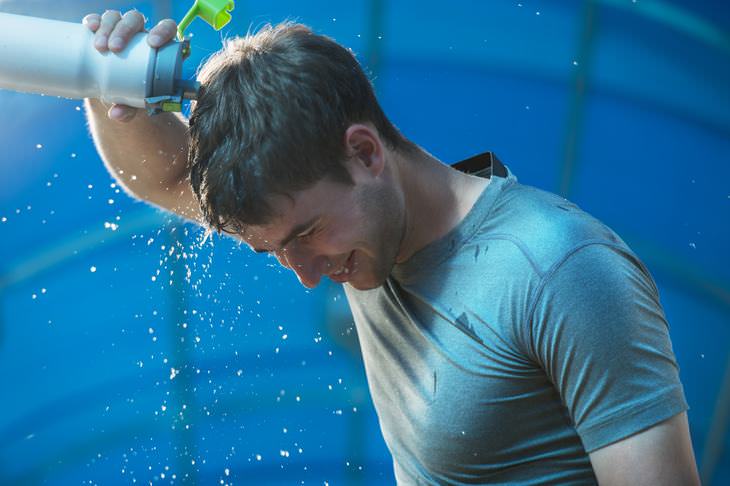
If you have been hiking for several hours in
the sun and suddenly start feeling faint or ill, you could be suffering
from heat exhaustion. The best solution would be to rest in a cool
place, ideally, an air-conditioned building, with your legs elevated
higher than your heart. Be sure to drink cool fluids, loosen any tight
clothing and take a cold shower. If that doesn't work, seek medical
attention.
10. Handle heatstroke
If someone's body overheats, they may get hit by heatstroke, which may
cause all kinds of nasty side effects, including nausea and vomiting,
fast breathing and an altered mental state. Those suffering from heat
exhaustion should be moved to a cool place and immersed in cool water, a
cold or even icy bath should be helpful, or pack them in a cooling
blanket until medical professionals can be reached.
11. Refresh your first aid kit
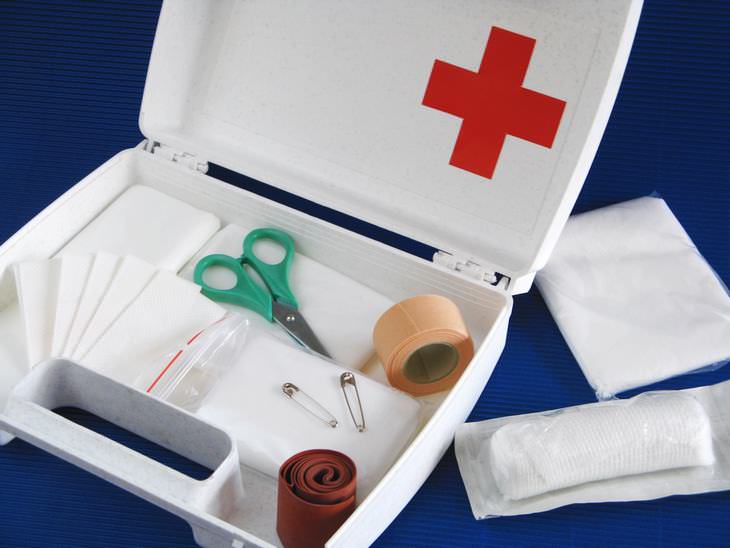
You hopefully have a first aid kit around
the house with a handful of bandages and ointments. If you have one be
sure that you've got all the items recommended by the American Red
Cross, including tweezers, an instant cold compress, and non-latex
gloves.
12. Deal with dehydration
Dehydration tends to be very common, but it is often misunderstood.
Dehydration is caused by not replacing both the water and salt that make
up a sizable amount of our bodies. It can cause a wide range of
symptoms, from headaches to muscle cramps, to dark-colored urine.
Rehydrating is an immediate way to help counter the effects of
dehydration, but also consider having a sports drink to help replenish
electrolytes. Letting dehydration persist for too long can cause you to
break out in a fever, or develop a rapid heartbeat or low blood
pressure, in which case you should seek medical attention.