Top 10 Biotin Rich Foods
Biotin, also known as vitamin B7 or vitamin
H, is a water-soluble B vitamin that plays a crucial role in converting
food into energy. This essential nutrient supports healthy hair, skin,
brain function, and liver health. Since your body doesn't store biotin,
you need to consume it regularly through your diet.
While biotin deficiency is rare, maintaining adequate levels is
important for optimal health. Adults need about 30 micrograms daily, and
the best way to meet this requirement is through nutrient-dense whole
foods rather than supplements.
Here are the top 10 biotin-rich foods to add to your shopping list:
1. Chicken Liver
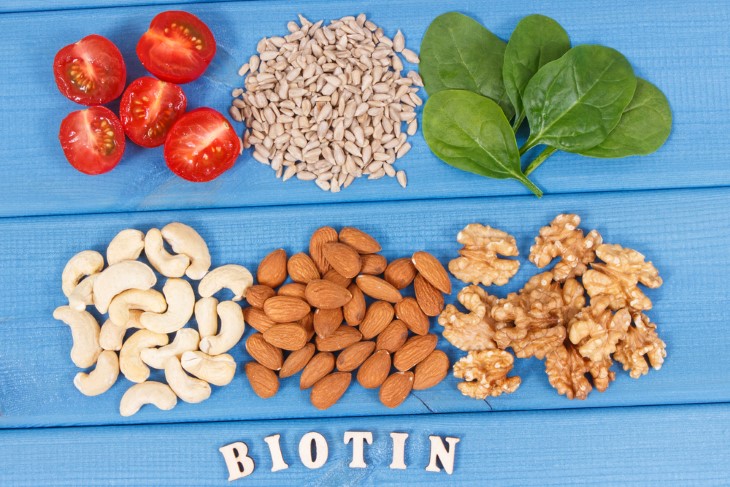
Biotin content: 138 mcg per 3-ounce serving
(460% DV)
Chicken liver tops the list as the ultimate biotin powerhouse,
delivering nearly five times your daily biotin needs in a single
serving. This organ meat provides more biotin than any other food source
because the liver naturally stores the majority of the body's biotin
reserves. Beyond its impressive biotin content, chicken liver is also
rich in vitamin A, iron, folate, and high-quality protein.
For those new to organ meats, chicken liver has a milder flavor than
beef liver, making it an excellent starting point. It can be pan-fried
with caramelized onions and herbs, chopped and incorporated into pâtés
or terrines, or minced and mixed into ground meat for burgers and
meatballs. When cooked properly, chicken liver becomes creamy and rich,
adding depth to any dish.
2. Beef Liver
Biotin content: 31 mcg per 3-ounce serving (103% DV)
Beef liver ranks second among biotin superstars, providing just over
your complete daily requirement in a single serving. Like chicken liver,
it's packed with this essential vitamin because the liver naturally
stores most of the body's biotin. Beef liver also delivers exceptional
amounts of vitamin A, iron, copper, and B vitamins, making it one of the
most nutrient-dense foods available.
While beef liver has a stronger, more robust flavor than chicken liver,
proper preparation can make it delicious and approachable. Soaking it in
milk for 30 minutes before cooking can help mellow the taste.
Traditional preparations include liver and onions, where the sweetness
of caramelized onions complements the rich, mineral flavor. It can also
be ground and mixed with regular ground beef for added nutrition without
overwhelming flavor, or chopped finely and added to pasta sauces for a
nutrient boost.
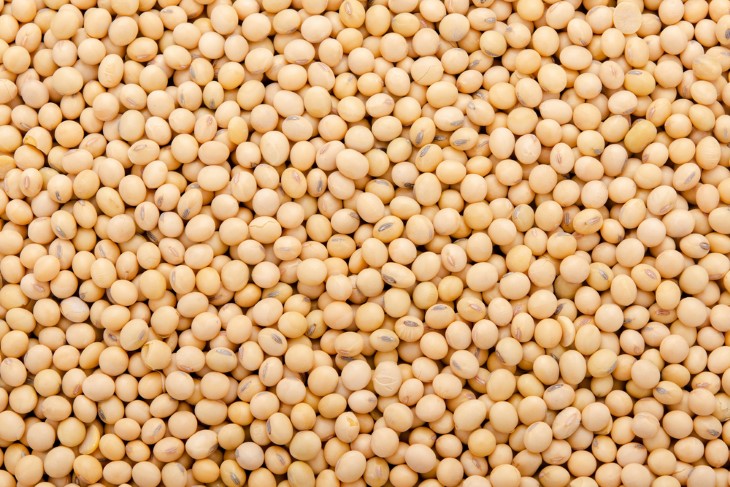
3. Whole Soybeans
Biotin content: 19.3 mcg per 3/4-cup
serving (64% DV)
Soybeans lead the plant-based biotin sources, offering impressive levels
along with complete protein, fiber, and isoflavones. These versatile
legumes provide nearly two-thirds of your daily biotin needs while
delivering all nine essential amino acids, making them a nutritional
powerhouse for vegetarians and vegans.
Fresh soybeans, known as edamame, can be boiled and eaten as a snack or
appetizer, simply seasoned with salt. Dried soybeans require longer
cooking but can be incorporated into stews, curries, and grain bowls.
They can also be roasted for a crunchy snack or ground into flour for
baking. Fermented soy products like tempeh and miso also retain
significant biotin content while offering additional probiotics and
umami flavor to dishes.
4. Eggs
Biotin content: 10 mcg per whole cooked egg (33% DV)
Eggs, particularly the yolks, provide excellent biotin content along
with high-quality protein, iron, phosphorus, and choline for brain
health. A single egg delivers about one-third of your daily biotin
needs, making it an accessible and affordable way to boost your intake.
The biotin is concentrated in the yolk, so don't skip this
nutrient-dense part of the egg.
Always cook eggs thoroughly to improve biotin absorption and reduce the
risk of foodborne illness. Raw egg whites contain avidin, a protein that
binds to biotin and prevents its absorption. Cooking deactivates
avidin, allowing your body to fully utilize the biotin. Eggs are
incredibly versatile—scrambled with vegetables, hard-boiled for snacks,
poached over salads, or baked into frittatas and quiches. For maximum
nutrition, choose pasture-raised eggs when possible, as they tend to
have higher nutrient content.
5. Nutritional Yeast
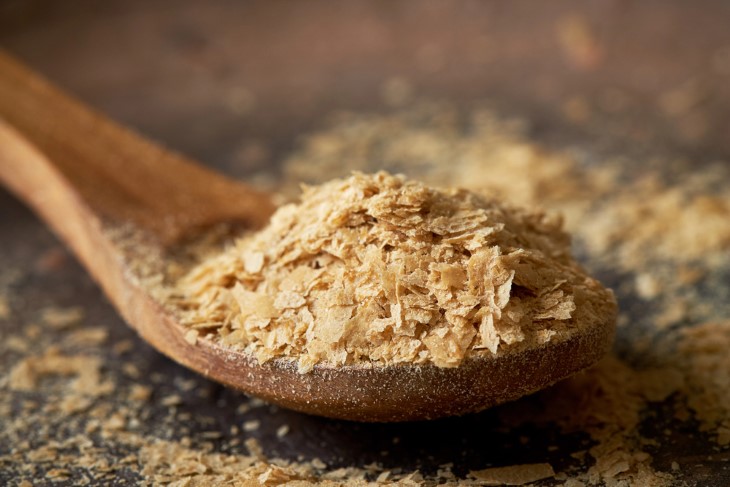
Biotin content: 9.8 mcg per 5-gram serving
(28% DV)
This inactive yeast adds a cheesy, nutty flavor to dishes while
delivering substantial biotin content—nearly one-third of your daily
needs in just one serving. Nutritional yeast is particularly popular in
plant-based cooking as a dairy-free cheese alternative, but it's
beneficial for anyone looking to boost their biotin intake naturally.
The yellow flakes dissolve easily and can be sprinkled on popcorn,
pasta, salads, or roasted vegetables for an instant umami boost. It's
also excellent blended into sauces, dressings, and dips. Many people use
it to make dairy-free "cheese" sauces for mac and cheese or to add
depth to soups and stews. Beyond biotin, nutritional yeast is often
fortified with B vitamins, including B12, making it especially valuable
for vegetarians and vegans.
6. Fresh Button Mushrooms
Biotin content: 5.6 mcg per cup chopped (19% DV)
Fresh mushrooms naturally develop high biotin content as protection
against parasites and predators in the wild, and this natural defense
system translates into significant nutritional benefits for humans.
Beyond biotin, mushrooms provide selenium, potassium, and vitamin D when
exposed to UV light, while being naturally low in calories and sodium.
Button mushrooms are the most common variety and have a mild, earthy
flavor that works well in countless dishes. They can be sliced and
sautéed for pasta dishes, stuffed with herbs and breadcrumbs for elegant
appetizers, or added raw to salads for a fresh crunch. Roasting
mushrooms concentrates their flavor and creates a meaty texture that
works well as a meat substitute. For maximum biotin retention, avoid
overcooking, and consider adding them to dishes near the end of cooking
time.
7. Roasted Peanuts
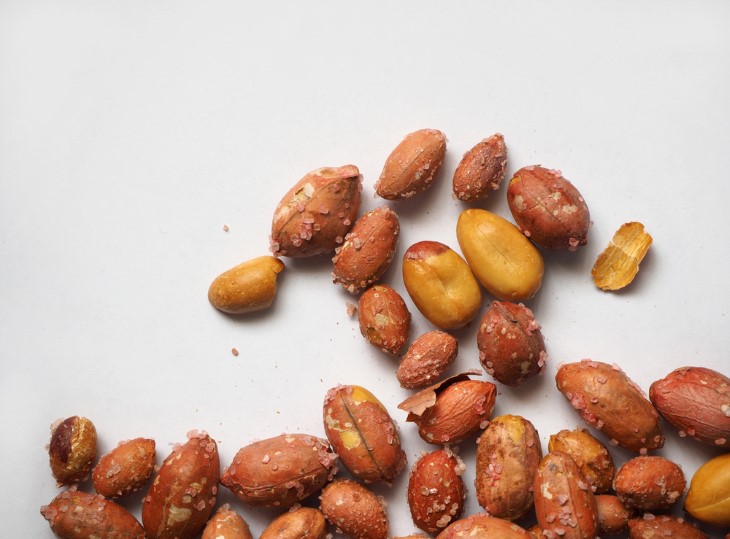
Biotin content: 5 mcg per 1-ounce serving
(17% DV)
Peanuts lead the nut category for biotin content while providing healthy
monounsaturated fats, plant-based protein, and fiber. Despite their
name, peanuts are actually legumes, not tree nuts, which explains their
higher biotin content compared to true nuts. They're also rich in
niacin, folate, and vitamin E, making them a nutritionally dense snack
option.
Roasting peanuts enhances their flavor and makes them more shelf-stable,
but raw peanuts also provide biotin. They make excellent snacks on
their own or can be incorporated into trail mixes with dried fruit and
seeds. Peanuts add protein and crunch to stir-fries, can be ground into
natural peanut butter for spreads and sauces, or crushed and used as a
coating for chicken or fish. For those with peanut allergies, other
legumes like soybeans and lentils can provide similar biotin benefits.
8. Salmon
Biotin content: 5 mcg per 3-ounce serving (17% DV)
This omega-3 rich fish provides quality protein, healthy fats, and
essential minerals like magnesium, phosphorus, and potassium alongside
its biotin content. Salmon's omega-3 fatty acids support heart and brain
health, while its complete protein profile helps maintain muscle mass
and supports cellular repair.
Wild-caught salmon typically has a more robust flavor and higher
nutrient density than farmed varieties. The fish can be prepared in
countless ways—grilled with herbs, baked with lemon and vegetables,
pan-seared with a crispy skin, or poached gently for a delicate texture.
Cold-smoked salmon works beautifully in salads and on toast, while
canned salmon provides convenience and affordability without sacrificing
nutritional value. Aim for at least two servings of fatty fish per week
to maximize both biotin intake and omega-3 benefits.
9. Sunflower Seeds
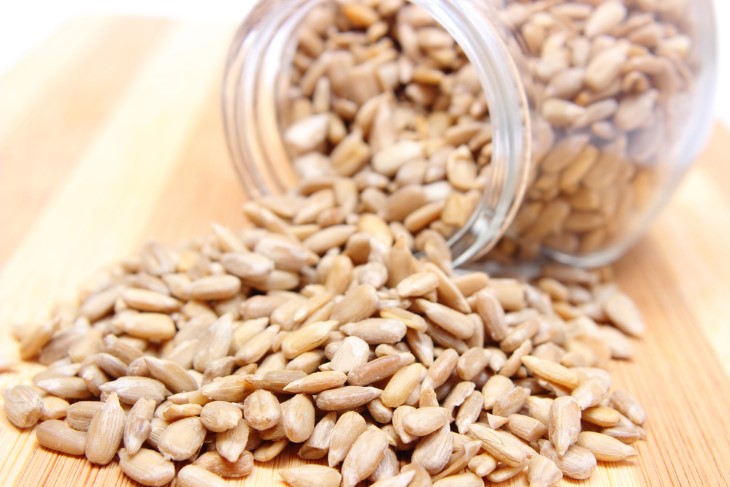
Biotin content: 2.6 mcg per 1/4-cup serving
(9% DV)
These portable powerhouses offer biotin along with vitamin E, healthy
fats, magnesium, and plant-based protein. Sunflower seeds are
particularly rich in vitamin E, a powerful antioxidant that protects
cells from oxidative damage, while their magnesium content supports bone
health and muscle function.
Raw sunflower seeds have a mild, nutty flavor and satisfying crunch that
makes them perfect for snacking. They can be toasted in a dry pan to
enhance their flavor or seasoned with spices for variety. Sunflower
seeds work well sprinkled on salads, yogurt, or oatmeal, mixed into
granola and trail mix, or incorporated into baked goods like muffins and
bread. They can also be ground into sunflower seed butter as an
alternative to peanut butter for those with nut allergies.
10. Sweet Potatoes
Biotin content: 2.4 mcg per 1/2-cup cooked serving (8% DV)
Sweet potatoes round out the top 10 with their natural sweetness and
impressive nutrient profile. Beyond biotin, they provide fiber, vitamin A
in the form of beta-carotene, potassium, and antioxidants that support
immune function and eye health. The orange color indicates high levels
of carotenoids, which have anti-inflammatory properties.
These versatile root vegetables can be prepared in numerous ways to suit
different tastes and dietary preferences. Baking whole sweet potatoes
brings out their natural sweetness, while roasting sliced sweet potatoes
creates caramelized edges and a tender interior. They can be mashed as a
healthier alternative to regular potatoes, spiralized into "noodles"
for low-carb dishes, or cubed and added to soups and stews. Sweet potato
fries offer a nutritious alternative to regular fries, and they can
even be incorporated into baked goods like muffins and pancakes for
added nutrition and natural sweetness.
Getting the Most from Biotin-Rich Foods
Incorporating these biotin powerhouses into your diet is easier than you
might think. Start your day with eggs, snack on nuts and seeds, add
mushrooms to your lunch salad, or enjoy salmon for dinner. The key is
variety—rotating through different biotin sources ensures you're getting
adequate amounts while enjoying diverse flavors and textures.
Meal Ideas to Boost Your Biotin:
Egg and avocado breakfast sandwich
Black bean and sweet potato salad
Mushroom and salmon stir-fry
Nutritional yeast-seasoned popcorn
Sunflower seed and peanut trail mix
The Bottom Line
While biotin supplements are available, most people can easily meet
their biotin needs through a balanced diet featuring these
nutrient-dense foods. Focus on incorporating a variety of these top 10
biotin sources into your meals and snacks for optimal health benefits.
From supporting energy metabolism to maintaining healthy hair and skin,
biotin plays essential roles in your body's daily functions. Make these
foods regular stars on your plate, and you'll be well on your way to
meeting your biotin needs naturally.