Friday, October 11, 2024

Looking for a home remedy for cough? Try pomegranate peel tea

 Including pomegranate peel tea in your diet can help ease your cough symptoms as well as reduce congestion in your chest. Know how to use this home remedy for cough.

 A woman coughing, a pomegranate   

While pomegranate offers a wide range of health benefits, who knew pomegranate peels were also good for your health? Pomegranate peel tea, a simple yet powerful concoction, is an effective home remedy for cough. Made of steeping dried or fresh pomegranate peels, this hot beverage is packed with antioxidants and anti-inflammatory properties. It can help soothe your throat and clear congestion. Besides this, it also helps with digestion and promotes heart health and healthier skin. Know the benefits of pomegranate peel tea, how to prepare it, and how to include it in your daily diet.

What is pomegranate peel tea?

Pomegranate peel tea

This is a herbal beverage made by steeping dried or fresh peels of pomegranate fruit in hot water. While there are many benefits of pomegranate seeds, the peel also contains high levels of antioxidants, vitamins, and other bioactive compounds that offer health benefits, as found in a study published in the journal Frontiers Nutition. This tea has been traditionally used for its medicinal properties, including aiding digestion, boosting immunity, and improving skin health. The tea has a slightly tart and earthy flavour and is often consumed as a natural remedy for various ailments.

Is pomegranate peel tea a good home remedy for cough?

This tea can be an effective home remedy for cough. The peels contain bioactive compounds like tannins, flavonoids, and polyphenols, which have anti-inflammatory, antiviral, and antibacterial properties, as found in a study published in the journal Food Chemistry Advances. These properties help soothe the throat, reduce inflammation, and fight off infections that may cause cough. Check out other natural ways to prevent inflammation in the body, “Additionally, the antioxidants in the peels help to strengthen the immune system, which can aid in quicker recovery from respiratory infections. Drinking this tea can also help loosen mucus, making it easier to expel, thereby giving you relief from cough,” says a nutritionist.

How to make pomegranate peel tea?

Here’s a simple method to make the tea.

Ingredients:

  • 1-2 tablespoons of dried pomegranate peels (or fresh peels from one pomegranate)
  • 2 cups of water
  • Honey or lemon (optional, for flavour)

Method:

  • If you are using fresh pomegranate peels, rinse them thoroughly and cut them into small pieces. In case of dried peels, you can grind them slightly for faster infusion.
  • Bring 2 cups of water to a boil in a saucepan.
  • Add the fresh or dried pomegranate peels to the boiling water. Reduce the heat to low and let the peels simmer for 5-10 minutes.
  • After simmering, strain the tea using a fine mesh strainer to remove the peels.
  • You can add honey or lemon juice for extra flavour and additional health benefits.
  • Enjoy your pomegranate peel tea warm.

Other benefits of pomegranate peel tea

Beyond its cough-relieving properties, the tea offers a range of health benefits:

This is only for your information, kindly take the advice of your doctor for medicines, exercises and so on.   

https://gscrochetdesigns.blogspot.com. one can see my crochet creations  
https://gseasyrecipes.blogspot.com. feel free to view for easy, simple and healthy recipes    
https://kneereplacement-stickclub.blogspot.com. for info on knee replacement
https://cancersupportindia.blogspot.com  for infor on cancer and health related topics
https://GSiyers home remedies.blogspot.com   is the latest addition to my blogs. I'm going to add posts there, do give me your valuable feed back on my blogs. Thanks a lot, take care, be healthy and be happy.


Labels: , , , , , ,

Tuesday, July 02, 2024

This superfood has more vitamin C than oranges, and you should be eating it

Depending on your geographical location you will know this superfood by a different name: arugula, rugola, rughetta, ruchetta. But beyond the regional distinction one fact is certain: arugula is not just any salad vegetable. This super salad has more flavour and colour than the common lettuce, iceberg or endive, and it makes every dish unique. Not only that, this superfood has anti-aging, antioxidant, and anti-inflammatory properties, and regulates blood pressure. In short, it is a genuine superfood that we should fill up on at every opportunity. Ahead, we talk about the benefits of the superfood arugula.

Why is arugula good for your health

Arugula is a vegetable from the cruciferous family, like broccoli and cauliflower. Its growing season is spring-summer, but it can now be found on supermarket counters almost year-round. This plant with its bitter, pungent, almost spicy flavor is native to West-Central Asia but also to the Mediterranean basin, where it has been cultivated and prized since the time of the ancient Romans, who valued it for both its digestive and diuretic powers and its aphrodisiac ones.

Today it is part of the FOSHU, the Foods for Specific Health Uses, those foods that according to a system created in Japan are recognized as foods that can positively influence our health. Low in calories but very rich in fiber, minerals such as iron, calcium, potassium, zinc and phosphorus, and vitamins such as vitamin C and B vitamins, this food has a variety of therapeutic properties that should never be missing from our table. Here's why.

Benefits and properties of arugula

  • Due to its high content of nutrients such as vitamin C (it contains twice as much as oranges), it has strong antioxidant and cell-protecting powers
  • It is rich in fiber that promotes proper digestion, and prebiotics that encourage the balance of the gut microbiome
  • Rich in provitamin A and antioxidant vitamin C, it is beneficial for skin health, and gives it tone and elasticity
  • Due to its anti-inflammatory powers, it was used in folk medicine to treat and prevent eczema and acne
  • It has a diuretic action, and is therefore useful for detoxifying and eliminating water retention.
  • Low in calories (it has about 25 calories per 100 grams) and rich in fiber and nutrients, it is ideal for low-calorie diets and weight management
  • Due to the presence of beta-carotene, lutein and zeaxanthin, antioxidants that also protect against UV rays, it is beneficial for eye health and retinal protection
  • Due to its high calcium and vitamin K content (it contains three times as much as milk), it is beneficial for bone and dental health
  • It protects the heart, thanks to its content of vitamin C, vitamin K and folate, nutrients that promote heart health

Precautions to keep in mind

  • It is not recommended, in large quantities, for those taking anti-coagulant drugs, because it may counteract their action.
  • Like all cruciferous vegetables, it can be difficult to digest for those with digestive problems, and cause bloating

How to eat arugula beyond a salad

Choose it wild, if available: it has an even stronger flavour and colour than common arugula, wider leaves, and a crisper texture. Eat it as fresh as possible, and preferably raw, to preserve all its nutritional properties. Its obvious use is in salads, paired with mozzarella and cherry tomatoes from pachino for example, or dressed with olive oil, balsamic vinegar and slivers of Parmigiano Reggiano.

But also to enrich pizza and meat carpaccio, chopped raw on fish dishes, in omelettes and risottos. Use it to make arugula pesto, instead of the classic basil pesto, replacing pine nuts with walnuts, almonds or cashews, for an aromatic dressing for both pasta and brown rice salads, spelt or barley salads, or hummus with chickpeas and arugula.

Put a handful of leaves in soups at the end of cooking to make them more flavorful. And you can also add a handful to your morning fruit and vegetable smoothie, with banana, apple, berries, avocado and arugula for example, to make it even more beneficial and nutritious, and start your day with a health boost.

This is only for your information, kindly take the advice of your doctor for medicines, exercises and so on.   

https://gscrochetdesigns.blogspot.com. one can see my crochet creations  
https://gseasyrecipes.blogspot.com. feel free to view for easy, simple and healthy recipes    
https://kneereplacement-stickclub.blogspot.com. for info on knee replacement
https://cancersupportindia.blogspot.com  for infor on cancer and health related topics
https://GSiyers home remedies.blogspot.com   is the latest addition to my blogs. I'm going to add posts there, do give me your valuable feed back on my blogs. Thanks a lot, take care, be healthy and be happy.


Labels: , , , , , , , , , , , , , , , ,

Wednesday, June 26, 2024

Hawthorn Berry: Nature's Health Powerhouse

Mother Nature's treasure trove is filled with incredible ingredients, each offering unique benefits for our well-being. Have you ever heard of the tiny hawthorn berry? Don't be fooled by its size! This tart, red fruit has been used for centuries in traditional medicine. This small, red berry has a rich history of use, particularly for its benefits related to heart health.
Hawthorn Berry
 
Beyond its ancient applications, modern science is uncovering the wide-ranging health advantages of the hawthorn berry. Recent studies have highlighted its ability to bolster cardiovascular well-being, improve digestion, and provide potent antioxidant support. 
 
Today, let's explore how this unassuming berry can play a pivotal role in enhancing overall well-being and why it is a valuable addition to your health regimen.

1. They're great for your heart
 Hawthorn berries are well-known for their ability to promote heart health. They can help control blood pressure, which often increases during times of stress, sickness, or when the heart is under pressure. This connection to heart health may also be due to hawthorn's ability to enhance heart muscle contractions and possibly lower cholesterol and the buildup of plaque in arteries (although more research is required in this field). 
 
 However, the impressive benefits of hawthorn berries go beyond just the heart. A study even showed that patients with stage II heart failure who consumed a standardized extract of fresh berries for two months experienced better ability to exercise and lower blood pressure. 
 
Additionally, hawthorn acts as a calming nervine, similar to rose, and can support the heart, especially during periods of stress and grief. There are also documented cases that suggest hawthorn may help the nervous system in people dealing with anxiety, stress, ADHD, and irritability. 
 
2. They are full of antioxidants

Hawthorn berries are antioxidant powerhouses! These deep red delights are rich in polyphenols and flavonoids, which are antioxidants that combat free radical damage, the main cause of cellular deterioration resulting from pollution, stress, drugs, and sickness.

Hawthorn berries are antioxidant powerhouses! These deep red delights are rich in polyphenols and flavonoids, which are antioxidants that combat free radical damage, the main cause of cellular deterioration resulting from pollution, stress, drugs, and sickness.

Hearts are among the hardest-working organs, so they are subjected to a great deal of stress and free radical damage. This perpetual activity puts it at risk of free radical harm. That's where hawthorn berries can be of great help. Their high antioxidant levels can help in healing injured tissues and keeping arteries in good shape, both crucial for peak health. 
 
3. They have anti-inflammatory properties 
Hawthorn berry might be a secret weapon in the fight against inflammation. Chronic inflammation, as research suggests, is linked to a variety of health concerns, including type 2 diabetes, asthma, and even some cancers. Interestingly, studies in mice have shown promise. One such study observed that hawthorn berry extract significantly reduced inflammatory compounds in mice with liver disease, leading to less inflammation and injury. 
 
Another study on mice with respiratory problems treated them with vitexin, a compound found in hawthorn leaves. This treatment lowered the production of molecules that trigger inflammation and also lessened the response of white blood cells to it. While these animal and test-tube studies offer exciting possibilities, more research is needed to confirm if hawthorn berry provides similar anti-inflammatory benefits in humans.  
 
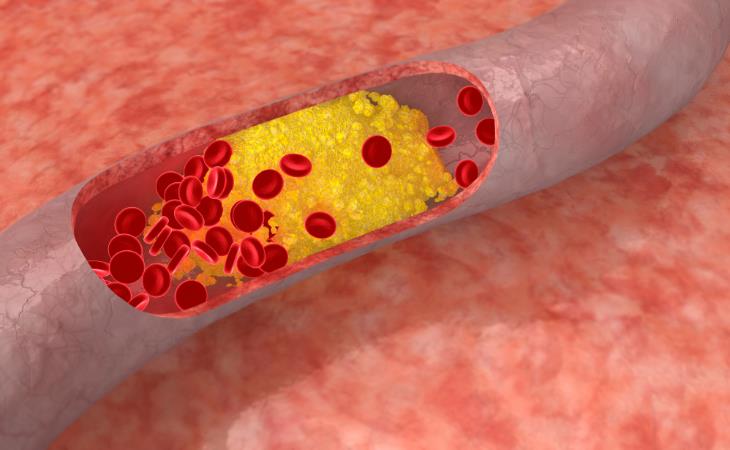
4. Can reduce blood cholesterol levels
cholestrol
Hawthorn extract might be a natural ally in your fight for healthy cholesterol levels. Studies suggest it contains flavonoids and pectin, which seem to play a role in how your body handles cholesterol. 
 
Pectin, a type of fiber, is particularly interesting for its involvement in cholesterol metabolism. This is important because imbalanced cholesterol, especially high triglycerides and low "good" HDL cholesterol, can contribute to a buildup of plaque in your arteries (atherosclerosis). If left unchecked, this plaque can harden and block blood flow, potentially leading to a heart attack or stroke. 
 
Animal studies offer promising results. Mice given hawthorn extract showed a decrease in total and "bad" LDL cholesterol, alongside significant reductions in liver triglycerides. Similarly, rats fed hawthorn supplements experienced lower triglycerides and LDL cholesterol. 
 
In a human study, participants with atherosclerosis who took hawthorn extract saw a notable decrease in the thickness of harmful plaque buildup in a key artery. These findings suggest hawthorn's potential for promoting healthy cholesterol levels.


5. Can prevent premature aging
Hawthorn berries have been investigated for their potential role in preventing premature skin aging. An important cause of this is collagen degradation, a process accelerated by excessive exposure to ultraviolet light.
 
Some initial research suggests that hawthorn berries may offer benefits in this area due to their antioxidant content. A test-tube study even showed that a combination of hawthorn and ginseng extract might inhibit wrinkle formation and increase skin moisture. However, it is important to note that this research is limited, and further studies, particularly involving human subjects, are necessary to confirm these findings. 
 
6. Can help treat indigestion and stomach pain
Hawthorn berries and extract have a long history of use in traditional medicine, particularly for treating digestive issues such as indigestion and stomach pain. This potential benefit may be attributed to the fiber content of the berries. 
 
Dietary fiber has been shown to assist digestion by promoting regularity and acting as a prebiotic. Prebiotics are non-digestible food components that nourish and support the growth of beneficial gut bacteria, which play a crucial role in maintaining overall digestive health. An observational study observed a correlation between increased dietary fiber intake and decreased bowel transit time in individuals with slow digestion. 
 
In simpler terms, consuming more fiber results in more frequent bowel movements. 
 
Moreover, studies on animals have shown that hawthorn extract can significantly decrease the time it takes for food to move through the digestive system. This shorter transit time could help with heartburn by making food move more quickly through the digestive tract. Furthermore, in vitro and in vivo studies on rodents suggest that certain compounds within hawthorn berries may enhance the production and activity of digestive enzymes, specifically those responsible for the digestion of fatty and protein-rich foods

How to add hawthorn berries to your diet
Integrating hawthorn berries into your diet can be a simple and beneficial choice. One effective method is to enjoy them as tea. Simply steep one to two teaspoons of dried hawthorn berries in hot water for 10-15 minutes. This tea can be a delightful daily addition to your routine. 
 
Alternatively, hawthorn berry supplements, available in capsule or tincture form, provide a convenient option. Make sure you adhere to the dosage recommendations on the product label or consult a healthcare professional for guidance. 
 
Hawthorn berries can also elevate your meals. Add them to smoothies, oatmeal, or yogurt for a nutritious boost. Their tangy flavor and added health benefits make them a wonderful inclusion in baking, such as in muffins or bread. For a delightful treat, consider making hawthorn berry jam or jelly to savor on toast or with desserts. 
 
No matter what method you choose, you should introduce hawthorn berries gradually into your diet and monitor your body's response. Always seek advice from a healthcare provider before making significant changes to your diet, especially if you have existing health conditions or are taking medications. This ensures that you can safely enjoy the benefits of hawthorn berries.

This is only for your information, kindly take the advice of your doctor for medicines, exercises and so on.   

https://gscrochetdesigns.blogspot.com. one can see my crochet creations  
https://gseasyrecipes.blogspot.com. feel free to view for easy, simple and healthy recipes    
https://kneereplacement-stickclub.blogspot.com. for info on knee replacement
https://cancersupportindia.blogspot.com  for infor on cancer and health related topics
https://GSiyers home remedies.blogspot.com   is the latest addition to my blogs. I'm going to add posts there, do give me your valuable feed back on my blogs. Thanks a lot, take care, be healthy and be happy.

Labels: , , , , , ,

Wednesday, December 15, 2021

5 reasons you need to include oil pulling in your dental care routine

What is oil pulling?

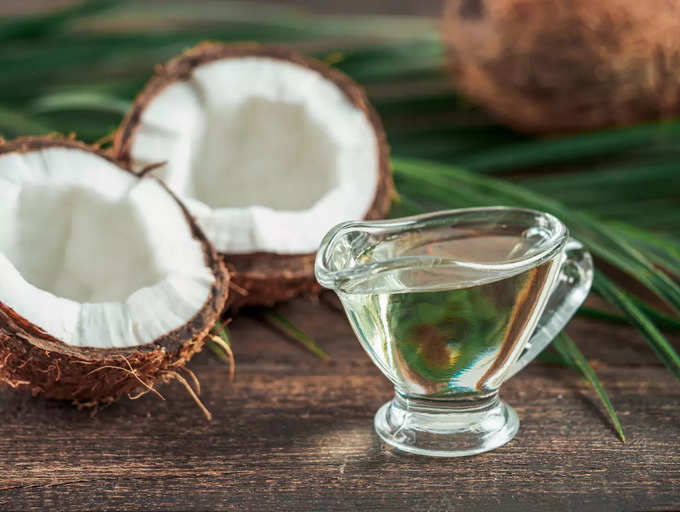
Oil pulling, also know "gundusha" or "kavala" is an ancient Ayurvedic dental technique that involves swishing edible oil in your mouth. Originated in India over 500 years ago, this technique has gained worldwide popularity due to its purported effectiveness in removing bacteria and promoting oral hygiene. The simple technique of taking two tablespoons of coconut oil in the mouth and squishing can pull bacteria from the hidden corner of your mouth where your brush cannot reach. Doing this can also help to moisturise the gums and increase the production of saliva. Apart from maintaining your oral hygiene, oil pulling also has some amazing health benefits. Here are 5 reasons why you must include oil pulling in your daily routine.

Maintain oral hygiene

Studies suggest that approximately 600 different types of bacteria live in our mouths. Some of them are healthy, while others can lead to oral problems like tooth decay and gum diseases. Oil pulling regularly in the morning can help to reduce the number of bad bacteria in the mouth. This technique can also help to reduce oral issues in kids, who often suffer from tooth decay related issues from a younger age.

Prevents cavities and reduces gum inflammation

Cavities are a common issue of tooth decay that is caused due to poor oral hygiene and bacteria build up around teeth which leads to holes in them. The bacteria destroys the enamel of the teeth and leads to tooth decay. Oil pulling flushes out such bacteria, reducing the risk of cavities. Moreover, it is also an effective remedy for gum bleeding and swollen gums.

​Reduces bad breath

Bad breath or Halitosis is a common oral health-related issue witnessed in about 50 per cent of the population. One of the major reasons for bad breath is poor oral hygiene and coating on the tongue, which traps the bacteria and causes bad breath. To reduce the bad breath, scraping the tongue and oil pulling can be the two best options. Oil pulling is a natural way to reduce bacteria from the mouth and is quite effective.

​Improves digestive health

If you often suffer from the problem of indigestion, oil pulling can be an extremely effective home remedy. Swishing oil in your mouth can stimulate your digestive tract, which can boost the process of digestion and reduce the episodes of constipation. Another benefit is that it can balance the doshas and cut down the risk of chronic diseases.

​Good for heart health

Studies carried out to understand the long term benefits of oil pulling also highlights that the ancient home remedy is also good for heart health. Research suggests that bad oral hygiene can lead to bad heart health. When you perform oil pulling, it promotes the growth of good bacteria in the saliva, as a result, you make better food choices that can keep your heart healthy and reduce the risk of cardiovascular diseases.

The choice of oil

Oil pulling works the best with coconut oil. According to Ayurveda, organic, extra-virgin or unrefined coconut oil is more effective than any other type of oil like olive oil, sunflower oil. It has anti-inflammatory, antibacterial, and antimicrobial properties. Along with that, it is edible and safe. Try not to do oil pulling forcefully and do not swallow the oil. The best time to do oil pulling is in the morning on an empty stomach.

​How to do oil pulling

Step 1: Take a tablespoon of coconut oil in your mouth and swish it around for 1 minute.

Step 2: Spit out the oil into the basin and rinse your mouth with water. You can start with 1 minute and then increase your timing.

readmore

This is only for your information, kindly take the advice of your doctor for medicines, exercises and so on.   

https://gscrochetdesigns.blogspot.com. one can see my crochet creations  
https://gseasyrecipes.blogspot.com. feel free to view for easy, simple and healthy recipes    
https://kneereplacement-stickclub.blogspot.com. for info on knee replacement


Labels: , , , , , , ,