Thursday, January 07, 2021

15 Uses of Potatoes Besides Eating Them

Potatoes are a hardy staple of numerous dishes across a whole range of cultures. You can eat them mashed, roasted, fried, baked, sautéed, or as part of a salad or soup and they are the fourth most consumed crop in the world, after rice, wheat, and corn. But as it turns out, potatoes have many other uses outside of your cooking pot. Some of them are remarkably useful, others are great fun to try, but all of them are bound to surprise you! Here are some ways you can use our potatoes outside of the dinner table.
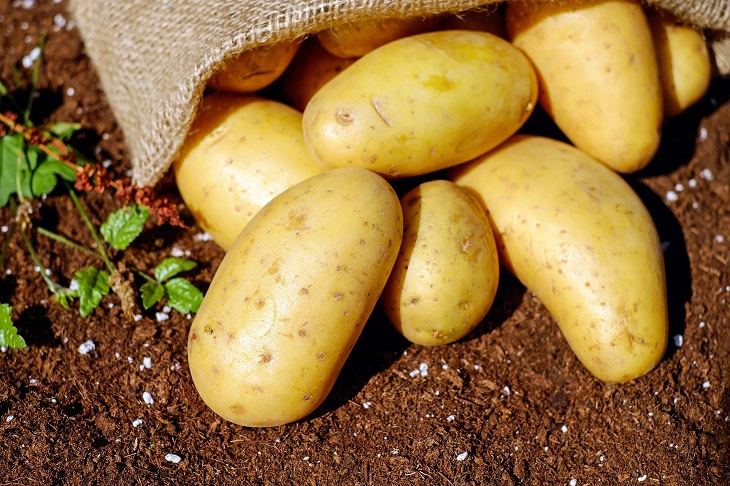
Surprising - Uses- Potatoes
1. Remove Stains 
Foods like turmeric, berries, and beets are fabulous additions to any meal, but they have a habit of leaving their traces all over your hands. It can take a lot of scrubbing with normal soap to remove these stains, and it's really hard to reach underneath your nails. Don't fear though, just keep half a potato back when preparing the dish and rub it over the affected area to magically remove the blemish! Make sure you get right under your nails too. This will work well on grass and ink stains as well. 
 
2. Make a Hot or Cold Compress 
This is one you might have read about in books, and it's been used for centuries. Potatoes retain their temperature for a surprisingly long time so if you are out and about on a cold night, keep a couple of hot potato slices in your gloves or pockets. Similarly, if you need to keep cool, use a frozen or chilled potato. If you want to ease aches and pains, then make a hot or cold compress using potato slices inside a sock.

3. Clean Your Windows  Surprising - Uses- Potatoes

Take a raw, uncooked potato and rub it over your windows, car windscreen, or even eyeglasses, before wiping away the juice with a clean cloth. You will be left with gleaming glass, without damaging your hands or leaving the smell of chemicals up your nostrils. This works well on clear plastic like swimming or ski goggles as well.

4. Use Potato Juice for Your Ailments  
Okay, so potato juice might not sound like the yummiest mixture in the world, but it has been used for centuries to fight various ailments. It is considered effective against ulcers, sprains, gout, sciatica, heartburn and bruising. The juice is rich in vitamins and it's dead easy to make. Just put a couple of potatoes in a blender, zap them for thirty seconds and you're done. Add carrot or cinnamon juice to improve the taste and you have your own homemade medicine. 
 
5. Remove Warts 
Warts are a rather unsightly annoyance, and if you get one, you will want to get rid of it. There's no need to go and have it lazered off though, just treat it with a raw potato. Carefully rub the cut end of the potato across the wart, and leave the juice on. Repeat the process every day until the wart is banished for good! 
 
6. Remove a Broken Light Bulb from a Socket 
This use of potatoes is trumpeted by numerous sources! At some point in your life, you've probably faced the annoyance of a light bulb breaking as you attempt to unscrew it. You might be wondering why companies can't design bulbs that don't do this, but in the meantime, you have a trusty potato to help you deal with the problem. Cut the potato in half, and gently press the flat side on to the remainder of the bulb. When the bulb is firmly inserted, you can simply screw it out. 
 
7. Shine Your Silverware Surprising - Uses- Potatoes
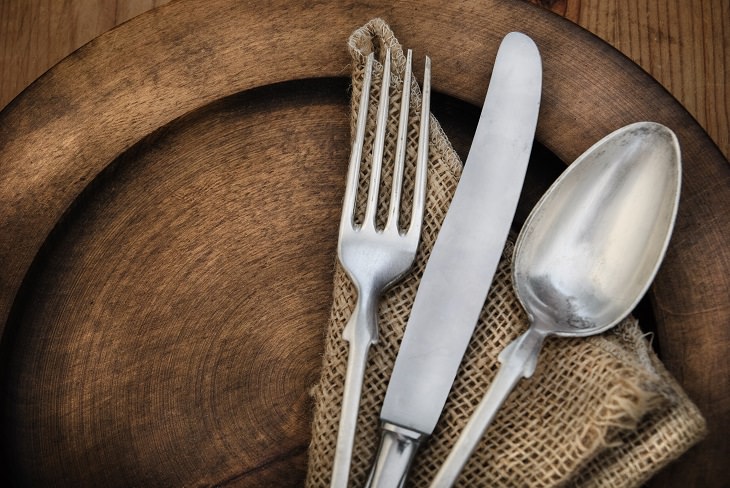
Surprising - Uses- Potatoes If your cutlery is cloudy and your trinkets are tarnished, why not use a potato to restore their sparkle? You can rub a raw potato over the items if you like, but I find it best to soak them in potato water. This also means you don't have to use extra potatoes to perform the task, simply use the water from the batch you have boiled for your dinner. Add any peeled skins into the water for great results. 
 
8. Feed Your Geraniums 
The nutrients in potatoes will help your pot plants grown. You can either carve a small hole in the potato and plant the stem of the flower inside it, before putting the whole thing into the soil; or you can sprinkle some potato shavings into the soil around your already growing flowers to give them a fantastic, natural boost. 
 
9. Sort Out Your Skin 
Potatoes are great for your skin, so making yourself a potato face mask once a week can reap rewards. You only need to use mashed potato mixed with water and leave the resulting paste on your face for 30 minutes. A couple of slices of potato can also be used to reduce the appearance of puffy eyes and black circles, and are a great alternative to the more widely used cucumber. The ability of potatoes to clear up minor rashes and acne have been known for centuries! 
 
10. Soothe a Headache 
Potatoes have been used to help ease headaches for centuries, and you will only need a few slices. You can rub them into your temples, or for more sustained relief, fix them against your forehead using a headband or bandage. 
 
11. Make Some Great Personalized Art  
We all remember making potato stamps and dipping them in paint in art class at school. But don't for a second think that this practice is just the preserve of children. Just draw the shape you want on to the cut potato, carve out the shape and dip it in fabric paint before dabbing it over your canvas. Personalize bags, cushions, walls - whatever you like! It's a really fun and easy way to personalize your home and it's great for kids too. 
 
12. Relieve a Burn   Surprising - Uses- Potatoes
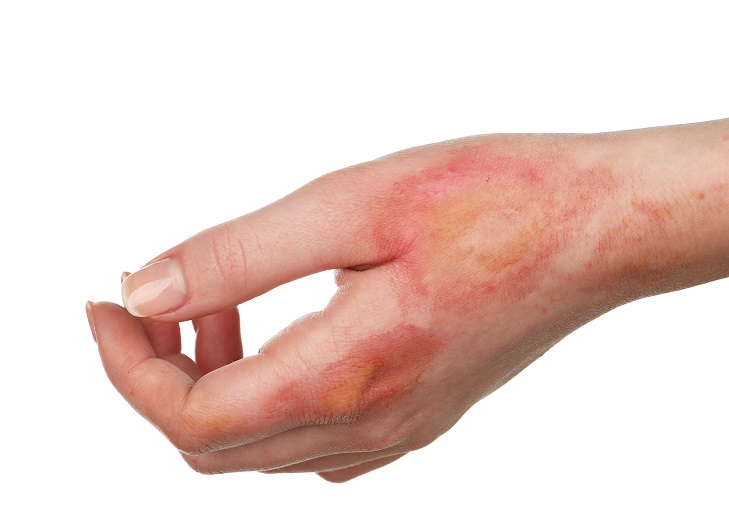
If you burnt your fingers on a hot pan or clipped your arm against the stove while it was still on, reach for a potato. Just 1 slice of raw potato should do the trick - apply it to the burn and fix in place using whatever you have handy. 
 
13. Absorbs Excess Salt from a Soup or Cooking Pot 
If you have over-salted your pot of soup or pasta by mistake, then throw in some potato slices or cubes to restore the balance. Leave the potatoes in while the mixture simmers for ten minutes or so, and then scoop them back out. 
 
14. Banish Rust from Metal  
Are your old tools or kitchen utensils starting to look like antiques? Restore them to their former glories by chopping a potato in half, adding a liberal amount of soap or salt to the cut end and rubbing it over the affected surface. Rinse and dry the object thoroughly afterward. This works great along the edge of large carving knives! 
 
15. Power a Light Bulb  
Okay, so we expect this one is more for fun than anything else, but it's still fascinating and great for entertaining the kids/grandkids. Did you know that potatoes contain lots of energy, and the chemical reactions that take place between the potato juices and a couple of dissimilar metals create enough voltage to power a small electrical device? 
 
To try this for yourself, you will need: 1 large potato, two small coins, two zinc-plated standard nails, three small pieces of copper wire and a small, low wattage light bulb: 
1. Cut the potato in half, cut a slit in each half. Wrap the coins in the copper wire a few times, using different wire for each coin. Then slide the coins into the slits. 
2. Take the remaining piece of copper wire and wrap it around one of the zinc plated nails. Stick the nail into one of the potato halves. 
3. Take the wire that's connected to the coin in the half of the potato that also contains the nail, and wrap it around the second nail. Stick the second nail into the other potato half. 
4. Connect the two loose ends of the copper wire to the light bulb and it will light up. 
 
Be careful when allowing children to handle the copper wires as they contain a small electrical charge, and don't perform the experiment near to an open flame. 
 

This is only for your information, kindly take the advice of your doctor for medicines, exercises and so on.     

https://gscrochetdesigns.blogspot.com. one can see my crochet creations  
https://gseasyrecipes.blogspot.com. feel free to view for easy, simple and healthy recipes    
https://kneereplacement-stickclub.blogspot.com. for info on knee replacement


Labels: , , , , , , , , , , , ,

Saturday, September 08, 2018

Surprising Things That Can Hurt Your Kidneys

Too Much Protein

Protein is essential to a healthy diet. But if your kidneys don’t work normally, eating too much of it can overtax them. Check with your doctor.  You may need to eat small portions of different types of protein. Eggs, fish, beans, and nuts are all good sources.

Salt

In some people, too much salt can raise blood pressure and speed up kidney damage. It also may lead to kidney stones, which can cause nausea, severe pain, and trouble peeing.

Smoking

Not only can it worsen high blood pressure and type 2 diabetes -- the two leading causes of kidney disease -- but it can interfere with medicines used to treat them. It also slows blood flow to the kidneys and can cause kidney problems in people who already have kidney disease. 

Alcohol

Heavy drinkers -- men who have more than 14 drinks a week and women who have more than seven -- double their risk of kidney disease. But a single binge session (more than four or five drinks in less than 2 hours) can sometimes cause “acute kidney injury.” That can lead to severe kidney damage, and you might need dialysis -- when a machine helps to do part of your kidneys’ work.

Sodas

If you drink two or more diet sodas a day, you may be more likely to get kidney disease. In one study, diet soda-drinking women had kidneys that worked 30% less well after 20 years compared with other women. Sugar-sweetened drinks did not have the same effect.

Dehydration

Your kidneys need water to work properly. Not getting enough -- especially if that happens often -- can cause kidney damage. How can you tell if you’re drinking what you need? Your pee should be light yellow.

Pain Medication

Taken regularly, large amounts of over-the-counter pain medications -- acetaminophen, aspirin, and ibuprofen -- can damage your kidneys. But that doesn’t necessarily mean you have to tough it out. Talk to your doctor about what you’re taking and how much to see if you might need another option.

Illegal Drugs

The use of cocaine, heroin, or methamphetamine (not a good idea for a host of reasons) can cause kidney damage in different ways. Some of these drugs can lead to high blood pressure, as well -- one of the leading causes of kidney disease.

Overtraining

Working out too hard for too long can cause rhabdomyolysis,  a condition in which damaged muscle tissue breaks down very fast. This dumps substances into your blood that can hurt your kidneys and make them fail. Don’t overdo it. Build up your workouts gradually – don’t suddenly make them more intense. If you can, avoid working out in high heat and humidity. See your doctor if you have muscle pain and dark-colored pee.

Bodybuilding Steroids

Some people take anabolic steroids -- drugs that work like the male hormone testosterone -- to get extreme muscles. But they can cause scarring in the parts of your kidneys that filter your blood.  This can make your body parts swell, make you lose protein in your blood, and give you high cholesterol.

Heartburn Drugs

Drugs called proton pump inhibitors (PPIs), which cut down on stomach acid, can cause swelling in your kidneys if you take them for a long time.  Some studies suggest that taking a lot of PPIs can also make you more likely to get long-term kidney disease.  If you’re worried, ask your doctor if another kind of heartburn drug, an H2 blocker, might be better for you.

Strep Throat

When you have this infection, your body makes proteins called antibodies to fight it. Extra ones can settle in the filtering parts of your kidneys and make them inflamed.  It usually doesn’t last long, but the kidney damage may be permanent for some people.   If you think you have strep throat, see your doctor as soon as possible.

THIS IS ONLY FOR INFORMATION, ALWAYS CONSULT YOU PHYSICIAN BEFORE HAVING ANY PARTICULAR FOOD/ MEDICATION/EXERCISE/OTHER REMEDIES.                                                                                                                                                                                                      PS- THOSE INTERESTED IN RECIPES ARE FREE TO  VIEW MY BLOG-                                                                                           https://gseasyrecipes.blogspot.com/  
FOR INFO ABOUT KNEE REPLACEMENT, YOU CAN VIEW MY BLOG-                                                                                        https:// kneereplacement-stickclub.blogspot.com/                              

FOR CROCHET DESIGNS                                                                                                                                                                                                                                 https://gscrochetdesigns.blogspot.com

Labels: , , , , , , , , , , , ,

Why Too Much Salt Is Bad For Health

We all know that salt is vital, as it gives taste to our food. We also know that anything in excess is bad for our health. But, with salt, those who are 60, those with high blood pressure and suffering from diabetes  are greater risk by eating more salt.

How excess salt affects our bodies-
In most people, the kidneys have trouble keeping up with the excess sodium in the bloodstream. As sodium accumulates, the body holds onto water to dilute the sodium. This increases both the amount of fluid surrounding cells and the volume of blood in the bloodstream. Increased blood volume means more work for the heart and more pressure on blood vessels. Over time, the extra work and pressure can stiffen blood vessels, leading to high blood pressure, heart attack, and stroke. It can also lead to heart failure. There is also some evidence that too much salt can damage the heart, aorta, and kidneys without increasing blood pressure, and that it may be bad for bones, too.
High blood pressure is a leading cause of cardiovascular disease. It accounts for two-thirds of all strokes and half of heart disease.  In China, high blood pressure is the leading cause of preventable death, responsible for more than one million deaths a year. 

The importance of potassium

Sodium and potassium have opposite effects on heart health: High salt intake increases blood pressure, which can lead to heart disease, while high potassium intake can help relax blood vessels and excrete the sodium and decrease blood pressure.
Our bodies need far more potassium than sodium each day, but the typical US diet is just the opposite: Americans average about 3,300 milligrams of sodium per day, about 75 percent of which comes from processed foods, while only getting about 2,900 milligrams of potassium each day.
A recent study in Archives of Internal Medicine provides more evidence that high salt diets have negative effects on health, and found that:
  • People who eat high sodium, low potassium diets have a higher risk of dying a heart attack or from any cause.
  • People can make a key dietary change to help lower their risk: Eat more fresh vegetables and fruits, which are naturally high in potassium and low in sodium—and eat less bread, cheese, and processed meat, as these and other processed foods are high in sodium and low in potassium.
In this study, people with the highest sodium intakes had a 20 percent higher risk of death from any cause than people with the lowest sodium intakes. People with the highest potassium intakes had a 20 percent lower risk of dying than people with the lowest intakes. But what may be even more important for health is the relationship of sodium to potassium in the diet: People with the highest ratio of sodium to potassium in their diets had double the risk of dying of a heart attack than people with the lowest ratio, and they had a 50 percent higher risk of death from any cause.

Cardiovascular disease

Besides contributing to high blood pressure,  consuming high amounts of sodium can also lead to stroke, heart disease, and heart failure.
Research also shows that reducing sodium lowers cardiovascular disease and death rates over the long term.


Cancer
Research shows that higher intake of salt, sodium, or salty foods is linked to an increase in stomach cancer. The experts concluded that salt, as well as salted and salty foods, are a “probable cause of stomach cancer.” 

Osteoporosis
The amount of calcium that your body loses via urination increases with the amount of salt you eat. If calcium is in short supply in the blood, it can be leached out of the bones. So, a diet high in sodium could have an additional unwanted effect—the bone-thinning disease known as osteoporosis.  A study in post-menopausal women showed that the loss of hip bone density over two years was related to the 24-hour urinary sodium excretion at the start of the study, and that the connection with bone loss was as strong as that for calcium intake.  Other studies have shown that reducing salt intake causes a positive calcium balance, suggesting that reducing the salt intake could slow the loss of calcium from bone that occurs with aging.

Clear Signs You’re Eating Too Much Salt

Your brain feels foggy

 Who knew that salt could even impact your brain function? According to a 2011  study on 1,200 more sedentary adults, those with high-sodium diets had a higher chance of cognitive decline than those with less salt in their diets. As you age it is important to keep track of how much salt you consume, and make changes if necessary.

Your thirst is raging

Foods with high amount of sodium (think: chips, spaghetti sauce, and pepperoni pizza) make you feel thirstier, because sodium messes with the balance of fluid in your body. If you had a day of eating more high-sodium food, like at a baseball game, try to drink a lot of water. Your body is probably craving water, so it can restore the salt balance in your cells.

Your body is swelling in strange places

Yes, just one night of too much sodium can actually make you look and feel more bloated in the morning. This is called edema, the swelling of extra fluid in your body’s tissues. According to Mayo Clinic, edema can be a symptom of an underlying disease, but it can also be a sign of too much sodium in your diet. The simple solution is to cut back on sodium. Read food labels, look for low-sodium options, or cook your own food to control the salt.

You get kidney stones

A diet high in too much sodium can actually hinder kidney function. According to the doctors, too much salt can increase the amount of protein found in your urine. More protein in your urine is a “major risk factor” for kidney disease. Additionally, high-sodium diets can also increase the risk of kidney stones. If you have excessive kidney stones or pain, you should see a doctor and work with a nutritionist to change to a low sodium diet. 

You have stomach ulcers
Too much sodium has been linked to stomach ulcers and cancer in animals, according to a study published. Although more research is needed, the findings suggest that people should be wary of salt damaging their stomach lining.

You have high blood pressure

Americans consume almost 3,400 milligrams of sodium a day. According to the doctors, you should be eating only 1,500 milligrams of sodium. This extra sodium can increase blood pressure by holding more fluid in the body, making your heart pump harder. Ask your doctor if following a low sodium diet could lower your blood pressure.

You use table salt (like, ever)

While it is good to control your own salt intake, it is easy to overdo the salt shaker. A half a teaspoon of table salt contains 1,150 milligrams of sodium. If you shake some salt on your pasta three times during a meal, the milligrams of sodium can quickly add up. Bottom line: Minimize your use of the salt shaker, especially if you eat a lot of convenience foods (which tend to be rich in sodium). 

THIS IS ONLY FOR INFORMATION, ALWAYS CONSULT YOU PHYSICIAN BEFORE HAVING ANY PARTICULAR FOOD/ MEDICATION/EXERCISE/OTHER REMEDIES.                                                                                                                                                                                                      PS- THOSE INTERESTED IN RECIPES ARE FREE TO  VIEW MY BLOG-                                                                                           https://gseasyrecipes.blogspot.com/  
FOR INFO ABOUT KNEE REPLACEMENT, YOU CAN VIEW MY BLOG-                                                                                 https:// kneereplacement-stickclub.blogspot.com/                              

FOR CROCHET DESIGNS                                                                                                                                                                                                                                 https://gscrochetdesigns.blogspot.com


Labels: , , , , , , , , , , , ,

Thursday, April 19, 2018

All That One Must Know About Salt

The health effects of salt are the conditions associated with the consumption of either too much or too little salt. Salt is a mineral composed primarily of sodium chloride (NaCl) and is used in food for both preservation and flavour. Sodium ions are needed in small quantities by most living things, as are chloride ions. Salt is involved in regulating the water content (fluid balance) of the body. The sodium ion itself is used for electrical signaling in the nervous system.

The experts state that excess sodium can increase blood pressure and the risk for a heart disease and stroke in some individuals. Therefore, health authorities recommend limitations on dietary sodium. The researchers recommend that individuals consume no more than 1500–2300 mg of sodium (3750–5750 mg of salt) per day depending on race, medical condition and age. The WHO recommends that adults consume no more than 5 gm of salt per day.

As an essential nutrient, sodium is involved in numerous cellular and organ functions. Salt intake that is too low, below 3 gm per day, may also increase risk for cardiovascular diseases and early death.

THIS IS ONLY FOR INFORMATION, ALWAYS CONSULT YOU PHYSICIAN BEFORE HAVING ANY PARTICULAR FOOD/ MEDICATION/EXERCISE/OTHER REMEDIES.                                                                                                                                                                                                      PS- THOSE INTERESTED IN RECIPES ARE FREE TO VIEW MY BLOG-                                                                                           https://gseasyrecipes.blogspot.com/   

FOR INFO ABOUT KNEE REPLACEMENT, YOU CAN VIEW MY BLOG-                                                                                                                      https:// kneereplacement- stickclub.blogspot.com/                              
FOR CROCHET DESIGNS                                                                                                                                                                                                                         https://my crochet creations.blogspot.com


Although many health organizations and recent reviews state that high consumption of salt increases the risk of several diseases in children and adults, the effect of high salt consumption on long term health is controversial. Some suggest that the effects of high salt consumption are insignificant.
Excess sodium consumption can increase blood pressure. Most studies suggest a "U" shaped association between salt intake and health, with increased mortality associated with both excessively low and excessively high salt intake.
Health effects associated with excessive sodium consumption include:
  • Stroke and cardiovascular diseases.
  • High blood pressure: Evidence shows an association between salt intakes and blood pressure among different populations and age range in adults. Reduced salt intake also results in a small but statistically significant reduction in blood pressure.
  • Left ventricular hypertrophy (cardiac enlargement): "Evidence suggests that high salt intake causes left ventricular hypertrophy. This is a strong risk factor for cardiovascular disease, independently of blood pressure effects." "...there is accumulating evidence that high salt intake can predicts left ventricular hypertrophy." Excessive salt (sodium) intake, combined with an inadequate intake of water, can cause hypernatremia. It can exacerbate  renal diseases.
  • Edema: A decrease in salt intake has been suggested to treat edema (fluid retention).
  • Stomach cancer is associated with high levels of sodium, "but the evidence does not generally relate to foods typically consumed in the UK." However, in Japan, salt consumption is higher.
  • Kidney disease: A US expert committee reported in 2013 the common recommendation by several authorities "to reduce daily sodium intake to less than 2,300 milligrams and further reduce intake to 1,500 mg among persons who are 51 years of age and older and those of any age who are African-American or have hypertension, diabetes, or chronic kidney disease", but concluded that there was no health-outcome-based rationale for reducing intake below 2,300 mg, and did not have a recommendation for an upper limit.
Salt intake is not same as Sodium intake. Salt is Sodium Chloride and is just one of the forms in which human beings consume Sodium. Here are some tips--
  1. Recommended Salt/ Sodium intake - Adults should consume <5gms 1="" a="" appx="" be="" daily.="" day="" font="" gms="" ideal="" in="" intake="" nbsp="" of="" or="" salt="" should="" sodium="" teaspoon="">
  2. To decrease salt/sodium, AVOID processed foods like Chips, nachos, popcorns, namkeens like bhujiya, salted peanuts etc, pickles, papads, chutneys, sauces like tomato and soya sauce, ready-to-eat meals, junk and fried food like burgers, french fries, cured hams or bacon or salami, packed salty drinks like juices or buttermilk, hot chocolate etc. 
  3. Avoid adding salt from over the top in your salads, soups, curds and vegetables. 
  4. DO NOT Absolutely remove salt from your diet. Hence, Salt used while cooking the food at home is fine, but once the food is cooked do not add extra salt/chaat masala in the cooked food. 
  5. Teach healthy eating habits to your children by encouraging them to eat fruits, vegetables, eating fresh food and home cooked meals rather than junk food. 
  6. If you are heart disease patient or kidney disease patient discuss with your Cardiologist or Nephrologist about the optimum recommended salt intake specified for you. 
  7. It is difficult to get used to low salt in terms of taste when you are used to salty taste, but it is possible. But the health benefits of controlling salt in diet can play a major role in BP reduction thus preventing the need for medicines, hence it can be worthwhile to get used to low salt taste.

Labels: , , , , , , , , ,