Saturday, September 07, 2024

9 facts about kidney health

1. How do you know if you are suffering from kidney disease?

Swollen eyes and feet, blood, or protein in the urine (foamy urine), high blood pressure, anemia, shortness of breath, fluid retention, decreased/increased urine output, nausea, vomiting, muscle cramps, itchy and dry skin and loss of appetite are some of the signs which indicate that a person may be suffering from kidney disease.

2. How do you test for kidney disease?

A blood test, measuring the level of waste product (creatinine) and urine determines the extent of damage to the kidney function. Age, size, gender, and ethnicity are taken into consideration when calculating the glomerular filtration rate (eGFR-a measure of kidney function) Normal function is eGFR of > 90 ml/min. In chronic kidney disease, there is a progressive decrease in eGFR.

The other measure of kidney damage is to determine the amount of urine albumin as measured by 24 hours urine albumin or spot urine albumin creatine ratio.

 3. What are the main causes of kidney disease?

Kidney disease is primarily caused due to long-term diabetes and uncontrolled high blood pressure (which has gone untreated for a long period). Few patients also get diagnosed with conditions like Glomerulonephritis, stone disease, drug-induced kidney damage, and cysts in their kidneys. The uncontrolled growth of these results in chronic kidney disease and kidney failure over time.


4. What foods should you avoid for your kidneys’ sake?

If you are suffering from kidney disease, consult your kidney doctor and dietitian for your nutritional needs. One should avoid foods with high sodium content, restrict intake of high amounts of potassium.

Proteins are commonly restricted in chronic kidney patients as they may put pressure on your kidneys. However, this should be done only in patients consuming high protein In India normal population consumes lower protein (0.8 g/kg body weight) which is what patients with CKD need. We don’t recommend protein restriction in Indian patients as malnutrition is very common in CKD patients and it carries serious adverse effects in CKD Thus take adequate calories (35 kcal/ kg and protein 0.7 gm/kg body weight).

In addition, avoid consuming avocados, canned foods, whole wheat bread, brown rice, bananas, juices.

5. What are the treatment options available for kidney failure?

A kidney transplant is the best treatment for patients with kidney failure in terms of longevity, quality, and cost-effectiveness but can be done when there is either a deceased or living donor available. Dialysis is the other treatment option for renal failure. It can’t cure the condition but can help in improving the quality of life and extending the lifespan.

There are two types of dialysis:

* Haemodialysis is performed to remove waste and toxins from the blood with the help of an external machine.

* Peritoneal dialysis is another management option that filters the waste, by using the lining of the abdomen called the peritoneum as a filter. The latter is usually done daily by patients (after training) at home.

6. What are the different stages of kidney failure? At what stage does one require dialysis?

There are five stages of chronic kidney disease based on the glomerular filtration rate.

Stage 1: Normal or high GFR (GFR > 90 mL/min) – Kidney functions normally, but some symptoms can be subject to kidney disease

Stage 2: mild chronic kidney disease (GFR = 60-89 mL/min) – Kidney functions slowly, the signs become slightly visible

Stage 3A: moderate chronic kidney disease (GFR = 45-59 mL/min) – Moderately reduced kidney function. At this stage, your kidneys functions are reduced by half

Stage 3B: moderate chronic kidney disease (GFR = 30-44 mL/min) – Moderately reduced kidney function. At this stage, your kidneys functions are reduced by half

Stage 4: Severe chronic kidney disease (GFR = 15-29 mL/min) –

Stage 5: End stage chronic kidney disease (GFR <15 mL/min) – This is stage of kidney failure.

Urinary albumin is raised in many of these stages. A kidney transplant or dialysis is required in stage 5 when symptoms develop.

7. What are the medications one should avoid with Chronic Kidney Disease?

Any medications you take must pass through the kidney to filter the chemicals to enter the body. It is advisable to avoid using anti-inflammatory medications, herbal medicines, food supplements, etc. as it may put pressure on your kidney. Self-medication is not the right option if you are suffering from chronic kidney disease. Check with your nephrologist before taking any counter medicines.


8. Apart from diet, what are lifestyle changes should we focus on to control the Chronic Kidney Disease?

One can prevent and control kidney disease by following a healthy routine that keeps your body and kidneys healthy:

* Control and monitor blood sugar and Blood pressure
* Staying physically active
* Avoiding unhealthy activities like smoking and excessive alcohol
* Avoiding stress
* Adequate sleep
* Exercise and a healthy diet with adequate vegetables and fruits
* Maintaining a proper weight

9. What is anemia and how it is related to kidney disease?

Anaemia is a disease caused by decreased red blood cells which are responsible for carrying oxygen in the body. A lack of red blood cells in the body leads to fatigue, shortness of breath, heart disease, etc. The kidneys are responsible for forming red blood cells in the body through secretion of the hormone called Erythropoietin With the persistence of Chronic Kidney Disease, the kidney becomes unable to form Erythropoietin and the red blood cells. Therefore, there is a high chance of people with this condition suffering from anaemia.


This is only for your information, kindly take the advice of your doctor for medicines, exercises and so on.   

https://gscrochetdesigns.blogspot.com. one can see my crochet creations  
https://gseasyrecipes.blogspot.com. feel free to view for easy, simple and healthy recipes    
https://kneereplacement-stickclub.blogspot.com. for info on knee replacement
https://cancersupportindia.blogspot.com  for infor on cancer and health related topics
https://GSiyers home remedies.blogspot.com   is the latest addition to my blogs. I'm going to add posts there, do give me your valuable feed back on my blogs. Thanks a lot, take care, be healthy and be happy.


Labels: , , , , , , , , , , ,

Thursday, April 25, 2024

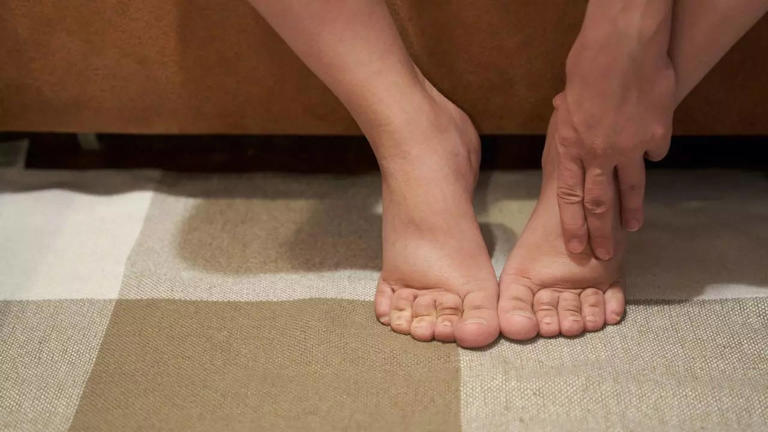
Swelling To Itching: 6 Signs of Kidney Disease Detected on Feet

 swelling to itching: 6 signs of kidney disease detected on feet swelling- itching

Your kidneys are one of the most important organs of the body. They help in removing waste products and toxins such as urea, creatinine, and excess ions, from the blood in the form of urine. However, kidney disease affects the functioning of the kidneys. This eventually affects different functions of the body. If kidney disease is left untreated, it can lead to serious complications such as cardiovascular disease, kidney failure requiring dialysis or transplantation, and even death.


Therefore, it is important to spot the early signs of kidney disease so that you can seek the required treatment that prevents the condition from reaching advanced stages which might lead to kidney failure. Here, take a look at some of the signs of kidney disease that might appear on your feet.

Oedema (Swelling)

One of the important signs of kidney disease is oedema, which commonly is seen as swelling in the feet and ankles. Poor kidney function may affect its ability to remove excess fluid and sodium from the body, leading to fluid retention. This accumulation of fluid causes swelling, often noticeable as puffiness or tightness in the feet.

Skin Changes

Chronic kidney disease can result in various skin changes, some of which may be seen on the feet. The skin may become darker, taking a bronze-like or yellowish shade, due to a buildup of waste products in the blood. Also, the texture of the skin may change, becoming dry, itchy or flaky, which can be particularly prominent in the feet.

Pruritus (Itching)

Persistent itching, also known as pruritus, is a symptom associated with kidney damage. Itching is often generalized but may be particularly seen in the lower extremities, including the feet. It is believed that the itching happens due to the buildup of toxins in the bloodstream.

Peripheral Neuropathy

Kidney disease can lead to nerve damage, resulting in peripheral neuropathy. This condition causes symptoms such as tingling, numbness or burning sensations in the feet and legs. Peripheral neuropathy can impact mobility and quality of life for people with kidney disease and it worsens as the condition reaches advanced stages.

Foot Pain

In advanced stages of kidney disease, a rare but serious condition called calciphylaxis can happen. This condition is characterised by painful, non-healing wounds on the skin which typically affect the feet and lower legs. Calciphylaxis is caused by calcium and phosphorus imbalances in the body, leading to the formation of calcifications in small blood vessels, ultimately resulting in tissue damage and necrosis.

Nail Changes

Changes in the appearance and texture of the nails may also be indicative of kidney disease. Nails may become discoloured, thickened or brittle, and these changes may be particularly noticeable in the toenails.


Spotting these signs and symptoms on the feet can help people seek medical evaluation and appropriate treatment for underlying kidney disease. Early detection and treatment are important for slowing the progression of kidney disease and reducing the risk of complications.


This is only for your information, kindly take the advice of your doctor for medicines, exercises and so on.   

https://gscrochetdesigns.blogspot.com. one can see my crochet creations  
https://gseasyrecipes.blogspot.com. feel free to view for easy, simple and healthy recipes    
https://kneereplacement-stickclub.blogspot.com. for info on knee replacement
https://cancersupportindia.blogspot.com  for infor on cancer and health related topics
https://GSiyers home remedies.blogspot.com   is the latest addition to my blogs. I'm going to add posts there, do give me your valuable feed back on my blogs. Thanks a lot, take care, be healthy and be happy.

Labels: , , , , , , , ,

Friday, March 18, 2022

How to keep your kidneys healthy?

Kidneys health: chronic kidney disease is a progressive reduction in the kidney’s ability to eliminate waste and affects 10% of the population, to a greater or lesser extent

It is a “silent” disease and, in its early stages, does not present any specific symptoms indicating a malfunction of the kidneys

In order to be diagnosed, it therefore requires the full attention of the doctor as well as the patient.

Attention must be paid to pre-existing conditions, such as diabetes and hypertension, which can give rise to kidney disease, and to warning signs, such as sudden swelling of the legs or the appearance of a need to urinate at night.

Healthy kidneys: check your blood pressure

High blood pressure is a sign of kidney disease, so it is good to know your blood pressure level.

When you’re young, it’s measured at sports or occupational health checkups, but over the age of 40, you should remember to check your blood pressure regularly, especially if you have a family history of cardiovascular disease, hypertension, kidney disease or diabetes.

In addition, high blood pressure can cause worsening of kidney function, so it is important to treat it to obtain a level that your doctor will define as more adequate.

Check creatinine levels and do a urine test

A simple blood creatinine test and urine test are the tests that most often allow the diagnosis of kidney disease to be made and treatment to be undertaken, which in many cases can prevent or at least slow down the progression of the disease.

Kidneys health: keep fit and watch your weight

The kidneys are highly vascularised organs, so it is essential to reduce or abolish modifiable cardiovascular risk factors such as smoking, low physical activity, being overweight, and, as mentioned above, high blood pressure.

Regular physical activity helps to prevent overweight and control blood pressure and therefore reduces the risk of kidney disease.

It is sufficient to walk a few kilometres every day (e.g. getting off the bus a few stops before your destination), take the stairs, ride the exercise bike at home for 15-20 minutes.

And then keep your calorie intake proportional to your energy consumption.


This is only for your information, kindly take the advice of your doctor for medicines, exercises and so on.   

https://gscrochetdesigns.blogspot.com. one can see my crochet creations  
https://gseasyrecipes.blogspot.com. feel free to view for easy, simple and healthy recipes    
https://kneereplacement-stickclub.blogspot.com. for info on knee replacement


Labels: , , , , , , ,

Monday, April 08, 2019

High doses of vitamin D can lead to kidney failure

A 54-year-old man, after returning from a trip to Southeast Asia where he spent much of his holiday sunbathing, showed increased levels of creatinine, suggesting kidney damage or malfunction. After referral to a kidney specialist and further testing, it was discovered that he had been prescribed high doses of vitamin D by a naturopath, who recommended a dose of 8 drops every day. 

Over 2 ½ years, the patient, who did not have a history of bone loss or vitamin D deficiency, took 8-12 drops of vitamin D daily, totalling 8000-12 000 IU. As a result, he had very high levels of calcium in the blood, which left him with significant kidney damage.
 
"Although vitamin D toxicity is rare owing to a large therapeutic range, its widespread availability in various over-the-counter formulations may pose a substantial risk to uninformed patients," writes a Dr.
 
The recommended daily allowance is 400-1000 IU, with 800-2000 IU recommended for adults at high-risk of osteoporosis and for older adults.
 
"Our experience informs us that patients and clinicians should be better informed about the risks regarding the unfettered use of vitamin D. Given new findings from the US Preventive Services Task Force, current Canadian guidelines regarding its use in low-risk individuals should be revisited," the authors suggest.
 
"Use of vitamin D drops leading to kidney failure in a 54-year-old man" is published in an article recently.
 
THIS IS ONLY FOR INFORMATION, ALWAYS CONSULT YOU PHYSICIAN BEFORE HAVING ANY PARTICULAR FOOD/ MEDICATION/EXERCISE/OTHER REMEDIES.                                    PS- THOSE INTERESTED IN RECIPES ARE FREE TO  VIEW MY BLOG-                                                                                           https://gseasyrecipes.blogspot.com/                                                                                                                                                         FOR INFO ABOUT KNEE REPLACEMENT, YOU CAN VIEW MY BLOG-                                                  https:// kneereplacement-stickclub.blogspot.com/           


                   FOR CROCHET DESIGNS                                                                                                                                                                                                  https://gscrochetdesigns.blogspot.com


Labels: , , , , , , , ,