Cancer Support India

Wednesday, September 18, 2024

Is Urinating At Night a Symptom Of Something More Serious?

When you body goes into rest mode every night, your bladder switches gears and produces less, but more concentrated urine to let you sleep without interruption. This balance can be cut short by a variety of factors, including disease. And while the majority of people need a nighttime detour to the bathroom because of the glass of wine they had in the evening and have nothing to worry about, frequent and multiple nighttime urination is a red flag.
 
Even so, nocturia (the scientific term for frequent nighttime urination) may be caused by a disease, there are some benign causes, among which are the following: 
 
Diuretic medications 
 
Caffeine 
 
Alcohol 
 
Excessive fluids before bedtime. 
 
As a symptom, nocturia can point to a variety of diseases, from urinary infections to neurological diseases and everything in-between. Scroll down to read about each cause.


1. Obstructive Sleep Apnea
 nocturia Obstructive Sleep Apnea

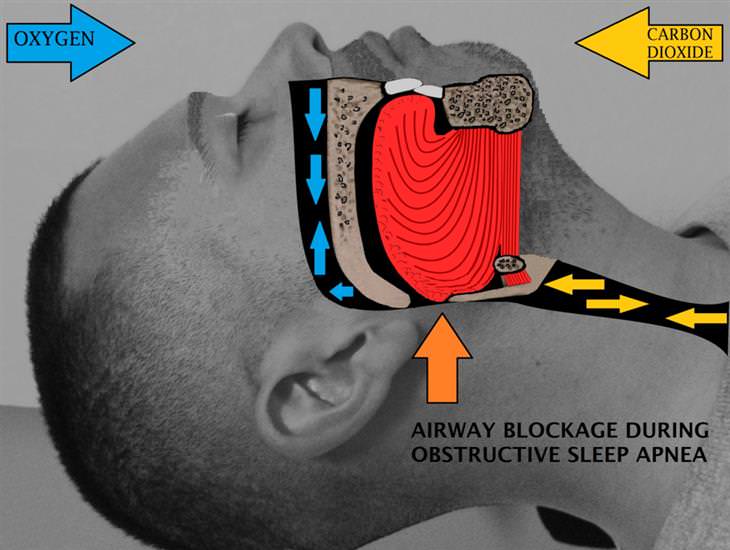
Nighttime urination is so prevalent in sleep apnea that it became a tell-tale sign of the disease, as significant as snoring, but many people don’t suspect that sleep apnea may be the cause of frequent nighttime urination. The American Sleep Apnea Association mentions that over 84% of patients suffering from sleep apnea reported nocturia. 
 
Many patients with untreated sleep apnea report 6 or more nighttime bathroom trips. The underlying mechanism of nocturia in sleep apnea is unclear, but it is known that patients who start a treatment targeting sleep apnea find that it resolves the nightly bathroom breaks almost completely. 
 
2. Bladder Prolapse 
A bladder prolapse can happen when a woman’s bladder is poorly supported by pelvic muscles and ligaments, as a result, it descends to the vaginal wall. Patients with even a minor prolapse complain about nocturia, and bladder prolapse is one of the leading causes of nocturia in women. 
 
In this condition, nighttime urination likely occurs because the tension of the vagina can aggravate the bladder when in a horizontal position, and one gets the urge to urinate, even when the bladder isn’t full. 
 
 
3. Enlarged Prostate
nocturia Enlarged Prostate

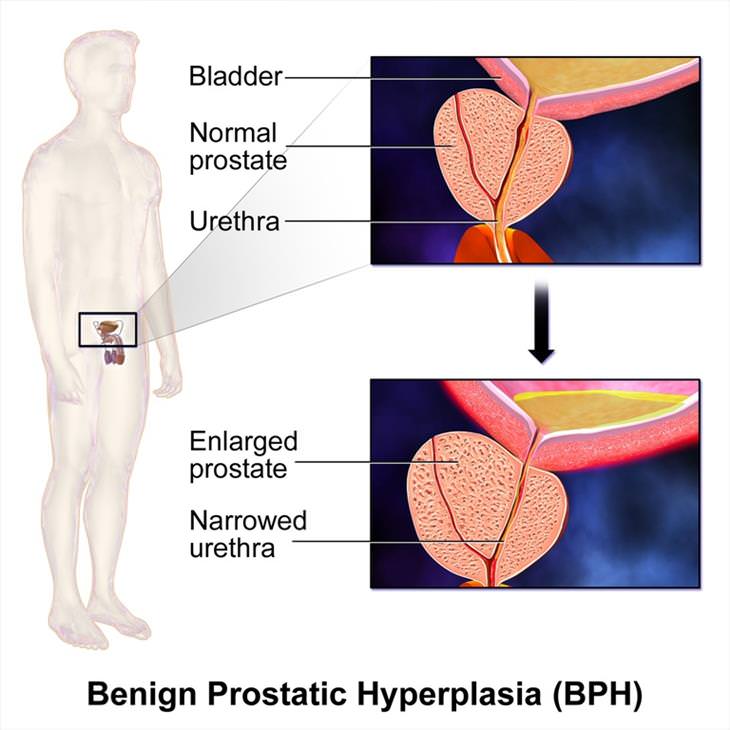
An enlarged prostate is called benign prostatic hyperplasia (BPH) in medical terms. In patients suffering from BPH, the urinary tract changes its shape and functionality together with the enlargement of the prostate.

BPH is one of the major causes of nocturia in males, which is brought about by increased bladder sensation and the narrowing of the urethra, which can make you feel an urgency to urinate, even when your bladder is nearly empty. In these cases, nocturia is not the only symptom and an increased need to urinate and incontinence are also observed. 
 
 
4. Anxiety and Depression

nocturia Anxiety and Depression
Mental problems, such as anxiety and depression may manifest themselves in the form of nocturia, too. Although the exact link between these 2 conditions is unknown, nocturia is believed to be a side effect of sleep disturbances that come with anxiety and depression. 
 
In these cases, it’s not the need to empty the bladder that wakes a person up, but they take a trip to the bathroom when they’re already up. To stop both the nocturia and the sleep disturbances, it is recommended to try to relax before sleep, either by doing breathing exercises, aromatherapy, or meditation. 
 
It is also a good idea to avoid evening naps, nighttime meals and caffeinated drinks in the evenings. 
 
5. UTIs 
One of the most common causes of nocturia are a urinary tract infections (UTIs), cystitis, as well as bladder or kidney infections. These infections of the urinary system usually cause frequent burning sensations before, during and after urination, as well as the urgency to urinate during the day and night. 
 
Other symptoms of these infections include changes in urine, fever, pain in the lover back and lower pelvis. 
 
 
6. Swelling of the Legs (Edema) 
 nocturia UTIs Swelling of the Legs (Edema)
 
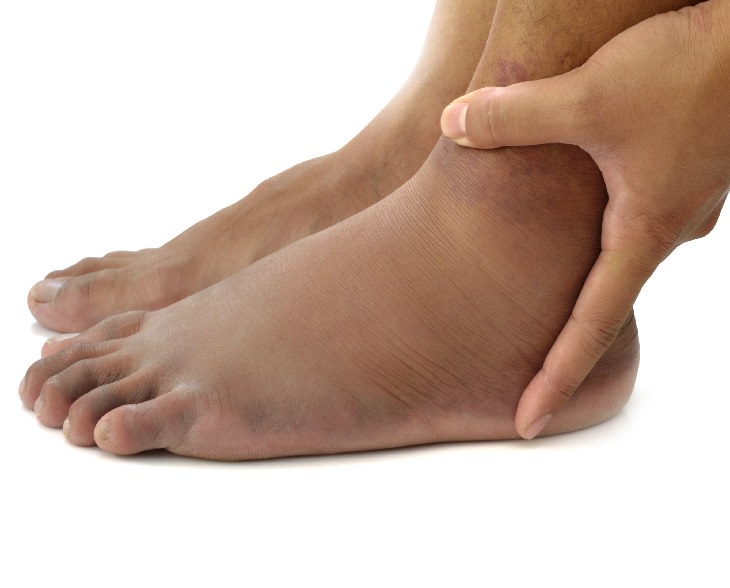
There are many causes of edema, ranging from liver failure to heart disease, but all of these conditions cause excess water buildup in the tissues of the extremities.

This extra fluid has to go somewhere, so the body transports this fluid to the kidneys to excrete it from the body, which usually happens at night. This way, patients suffering from leg swelling may have to take a few night trips to the bathroom. 
 
 
7. Multiple Sclerosis

 nocturia
People who suffer from multiple sclerosis, too, can experience nocturia, with an estimated 80 percent having some sort of bladder dysfunction during the progression of the disease, with some patients having to wake up 5-8 time during the night, feeling the urge to urinate. 
 
This symptom occurs because MS patients have suffered damage to the nervous system, which may result in the disruption of nerve signals connected to the functioning of the bladder. 
 
8. Parkinson’s Disease 
Parkinson's disease (PD) is the 2nd most common neurodegenerative disease. In the course of the disease, patient most commonly experience motor control difficulties, but as much as 60% of PD patients also have bladder symptoms. 
 
Although the causes of nocturia in PD are poorly understood, it was suggested that it may be due to higher quantities of urine production or a lower capacity of the bladder. 
 
9. Overactive Bladder
An overactive bladder is a diagnosis encompassing a variety of conditions that all have the same symptom: a sudden unstoppable urge to urinate. Nocturia is one of the symptoms of an overactive bladder, and it is more common in people over the age of 60, but it has also been reported that one in three adults over the age of 30 needs 2 or more nighttime bathroom trips as well. 
 
Other symptoms of an overactive bladder include a sudden uncontrollable urge to urinate, frequent incontinence, and more than 8 bathroom breaks in a 24-hour period. The reasons of this conditions are unknown, and therapy includes a variety of exercise, dietary restrictions, botox injections and even electro stimulation.

10. Tumors In the Pelvic Area  
Both malignant and benign tumors of the organs of the lower abdomen, such as kidneys, reproductive organs and the digestive system may cause nighttime urination, as the tumor may press against the bladder, making it smaller and capable of holding less urine. 
 
This will usually cause not only nocturia, but also incontinence and frequent urination during the day time. 
 
11. Diabetes
Having high blood glucose levels can make the body get rid of excess glucose through urine. The more sugar the urine contains, the more it stimulates urine production. 
 
This will make you urinate more often throughout the day and night, and it will also bring about the sensation of thirst. There is also a form of diabetes called diabetes insipidus that causes excess urination, with some patients urinating 20 litres (5.28 gallons) more than a normal person every day.


This is only for your information, kindly take the advice of your doctor for medicines, exercises and so on.   

https://gscrochetdesigns.blogspot.com. one can see my crochet creations  
https://gseasyrecipes.blogspot.com. feel free to view for easy, simple and healthy recipes    
https://kneereplacement-stickclub.blogspot.com. for info on knee replacement
https://cancersupportindia.blogspot.com  for infor on cancer and health related topics
https://GSiyers home remedies.blogspot.com   is the latest addition to my blogs. I'm going to add posts there, do give me your valuable feed back on my blogs. Thanks a lot, take care, be healthy and be happy.

Labels: anxiety and depression, bladder prolapse, diabetes, enlarged prostate, multiple sclerosis, nocturia- UTIs, obstructive sleep apnea, over-active bladder, Parkinson's, swelling of legs, tumor in pelvic area

posted by G S Iyer at 10:53 AM 0 comments

Friday, March 18, 2022

How to keep your kidneys healthy?

Kidneys health: chronic kidney disease is a progressive reduction in the kidney’s ability to eliminate waste and affects 10% of the population, to a greater or lesser extent

It is a “silent” disease and, in its early stages, does not present any specific symptoms indicating a malfunction of the kidneys

In order to be diagnosed, it therefore requires the full attention of the doctor as well as the patient.

Attention must be paid to pre-existing conditions, such as diabetes and hypertension, which can give rise to kidney disease, and to warning signs, such as sudden swelling of the legs or the appearance of a need to urinate at night.

Healthy kidneys: check your blood pressure

High blood pressure is a sign of kidney disease, so it is good to know your blood pressure level.

When you’re young, it’s measured at sports or occupational health checkups, but over the age of 40, you should remember to check your blood pressure regularly, especially if you have a family history of cardiovascular disease, hypertension, kidney disease or diabetes.

In addition, high blood pressure can cause worsening of kidney function, so it is important to treat it to obtain a level that your doctor will define as more adequate.

Check creatinine levels and do a urine test

A simple blood creatinine test and urine test are the tests that most often allow the diagnosis of kidney disease to be made and treatment to be undertaken, which in many cases can prevent or at least slow down the progression of the disease.

Kidneys health: keep fit and watch your weight

The kidneys are highly vascularised organs, so it is essential to reduce or abolish modifiable cardiovascular risk factors such as smoking, low physical activity, being overweight, and, as mentioned above, high blood pressure.

Regular physical activity helps to prevent overweight and control blood pressure and therefore reduces the risk of kidney disease.

It is sufficient to walk a few kilometres every day (e.g. getting off the bus a few stops before your destination), take the stairs, ride the exercise bike at home for 15-20 minutes.

And then keep your calorie intake proportional to your energy consumption.


This is only for your information, kindly take the advice of your doctor for medicines, exercises and so on.   

https://gscrochetdesigns.blogspot.com. one can see my crochet creations  
https://gseasyrecipes.blogspot.com. feel free to view for easy, simple and healthy recipes    
https://kneereplacement-stickclub.blogspot.com. for info on knee replacement


Labels: (CKD)., creatinine, diabetes, hypertension, kidney health, swelling of legs, urine test, watch your weight

posted by G S Iyer at 9:48 AM 0 comments

Wednesday, July 01, 2020

10 warning signs your kidneys are failing; 8 things you can do to keep your organs healthy

Your kidneys are vital organs and they need to be taken care of. Situated on each side of our spine, they filter your blood and eliminate toxins from your body. Any changes to damage to your kidneys can cause these amazing organs to fail. World Kidney Day (March 12), celebrated each year on the second Thursday in March, aims to raise awareness of the importance of kidney health and preventive behaviours to reduce the risk of kidney disease.

Chronic kidney disease (CKD) often has no signs or symptoms in the early stages. That’s why the majority of individuals with kidney disease tend to have symptoms in the later stages - when the kidneys are failing or when there are high levels of protein in the urine. Some people with kidney failure may experience a few symptoms.

What are the signs and symptoms of kidney failure?

Possible signs that indicate your kidneys are beginning to fail may include:
  1. Too much or not enough urine
  2. Swelling of legs, ankles, feet
  3. Persistent nausea
  4. Vomiting
  5. Muscle cramps
  6. Itching
  7. Fatigue
  8. Pain or pressure in your chest
  9. Confusion
  10. Unexplained shortness of breath
A person may notice one or more of the following symptoms in case the kidneys stop working:
  • Back pain
  • Abdominal pain
  • Fever
  • Nosebleeds
  • Diarrhoea
You should seek immediate medical help if you experience any of these symptoms.
healthy kidneys
 

What causes kidney failure?

There are several causes or conditions that can lead to kidney failure - with diabetes and high blood pressure being the most common cause of kidney failure, also known as end-stage renal disease or ESRD. Other factors that put you at an increased risk of kidney failure are:
  • Heart disease or a heart attack
  • A severe infection like sepsis
  • Urinary tract problems
  • Chemotherapy drugs that treat cancer and some autoimmune diseases
  • Drug abuse
  • Being overweight or obese
  • Dehydration
  • Kidney stones
  • A family history of kidney disease

How to prevent kidney failure

There is a lot you can do to prevent or reduce your risk of kidney failure.
  1. Eat a healthy diet rich in fresh fruits, vegetables
  2. Reduce your intake of salt to avoid high blood pressure
  3. Exercise regularly
  4. Lose weight if you’re overweight
  5. Keep your blood sugar, lipids under control
  6. Do not smoke or quit smoking
  7. Take medications as directed by your doctor
  8. Get tested for kidney disease especially if you’re at risk
Don’t hesitate to consult your doctor if you have any concerns about your kidney health. Act now to take care of your amazing organs and they will take care of you!


This is only for your information, kindly take the advice of your doctor for medicines, exercises and so on.     

https://gscrochetdesigns.blogspot.com. one can see my crochet creations  
https://gseasyrecipes.blogspot.com. feel free to view for easy, simple and healthy recipes    
https://kneereplacement-stickclub.blogspot.com. for info on knee replacement


Labels: abdominal pain, confusion, Fatigue, feet ankles, fever, itching, kidneys, pain/ pressure in chest, persistent nausea, swelling of legs, too much/ not enough urine

posted by G S Iyer at 4:41 AM 0 comments

About Me

Name: G S Iyer

View my complete profile

Previous Posts

  • Healthy-Looking People Can Have Lung Disease Too: ...
  • The Best High-Protein Carbs to Add to Your Grocery...
  • New Rapid Brain Tumour Test Cuts Diagnosis Time to...
  • Blood Test May Predict Cancer Risk Years Before Di...
  • Vasectomy Reversal Outcomes Vary Widely Between Su...
  • Genomic Newborn Screening Could Detect Childhood C...
  • Neuroimaging Reveals Brain Abnormalities After Lig...
  • Nutrition for PMOS (Polyendocrine Metabolic Ovaria...
  • Polyendocrine Metabolic Ovarian Syndrome (PMOS)
  • The symptoms which women call " normal": 6 everyd...

Archives

  • August 2004
  • September 2004
  • October 2004
  • December 2004
  • January 2005
  • May 2005
  • June 2005
  • July 2005
  • May 2006
  • June 2006
  • July 2006
  • December 2006
  • February 2007
  • May 2007
  • September 2008
  • October 2008
  • May 2010
  • June 2010
  • July 2010
  • August 2010
  • September 2010
  • October 2010
  • November 2010
  • December 2010
  • January 2011
  • February 2011
  • March 2011
  • April 2011
  • May 2011
  • June 2011
  • July 2011
  • August 2011
  • September 2011
  • October 2011
  • November 2011
  • December 2011
  • January 2012
  • February 2012
  • March 2012
  • April 2012
  • May 2012
  • June 2012
  • July 2012
  • August 2012
  • September 2012
  • October 2012
  • November 2012
  • December 2012
  • January 2013
  • February 2013
  • March 2013
  • April 2013
  • May 2013
  • June 2013
  • July 2013
  • August 2013
  • September 2013
  • October 2013
  • November 2013
  • December 2013
  • January 2014
  • February 2014
  • March 2014
  • April 2014
  • May 2014
  • June 2014
  • July 2014
  • August 2014
  • September 2014
  • October 2014
  • November 2014
  • December 2014
  • January 2015
  • February 2015
  • March 2015
  • April 2015
  • May 2015
  • June 2015
  • July 2015
  • August 2015
  • September 2015
  • October 2015
  • November 2015
  • December 2015
  • January 2016
  • February 2016
  • March 2016
  • April 2016
  • May 2016
  • June 2016
  • July 2016
  • August 2016
  • September 2016
  • October 2016
  • November 2016
  • December 2016
  • January 2017
  • February 2017
  • March 2017
  • April 2017
  • May 2017
  • June 2017
  • July 2017
  • August 2017
  • September 2017
  • October 2017
  • November 2017
  • December 2017
  • January 2018
  • February 2018
  • March 2018
  • April 2018
  • May 2018
  • June 2018
  • July 2018
  • August 2018
  • September 2018
  • October 2018
  • November 2018
  • December 2018
  • January 2019
  • February 2019
  • March 2019
  • April 2019
  • May 2019
  • June 2019
  • July 2019
  • August 2019
  • September 2019
  • October 2019
  • November 2019
  • December 2019
  • January 2020
  • February 2020
  • March 2020
  • April 2020
  • May 2020
  • June 2020
  • July 2020
  • August 2020
  • September 2020
  • October 2020
  • November 2020
  • December 2020
  • January 2021
  • February 2021
  • March 2021
  • April 2021
  • May 2021
  • June 2021
  • July 2021
  • August 2021
  • September 2021
  • October 2021
  • November 2021
  • December 2021
  • January 2022
  • February 2022
  • March 2022
  • April 2022
  • May 2022
  • June 2022
  • July 2022
  • August 2022
  • September 2022
  • October 2022
  • November 2022
  • December 2022
  • January 2023
  • February 2023
  • March 2023
  • April 2023
  • May 2023
  • June 2023
  • July 2023
  • August 2023
  • September 2023
  • October 2023
  • November 2023
  • December 2023
  • January 2024
  • February 2024
  • March 2024
  • April 2024
  • May 2024
  • June 2024
  • July 2024
  • August 2024
  • September 2024
  • October 2024
  • November 2024
  • December 2024
  • January 2025
  • February 2025
  • March 2025
  • April 2025
  • May 2025
  • June 2025
  • July 2025
  • August 2025
  • September 2025
  • October 2025
  • November 2025
  • December 2025
  • January 2026
  • February 2026
  • March 2026
  • April 2026
  • May 2026
  • June 2026
  • July 2026
  • August 2026
  • September 2026

Powered by Blogger