Saturday, August 02, 2025

Your Body Needs More Folic Acid If You Have These Signs

The Institute of Medicine in the US states that adults should consume 400 micrograms of folic acid a day. It is also known as folate or vitamin B9, and is crucial for our health as it helps our body make and repair DNA as well as produce red blood cells. Should you be running low on folate, you may suffer from certain symptoms and develop anemia, a condition in which your internal organs can't get enough oxygen to work properly. Here are a list of common signs that indicate your body needs more folic acid. 
 
1. Cognitive problems

folic acid deficiency

Folic acid is especially important for your central nervous system. If your body lacks this vitamin, you may struggle with depression, have trouble concentrating and may feel forgetful and irritable. If it is not treated properly, an insufficient intake of folate may increase the risk of developing serious disorders including dementia or Alzheimer's disease. 
 
2. Body pains 
 If anemia caused by folate deficiency is severe, your brain will get a lot less oxygen than it ideally should. As a result, the brain's arteries will start swelling and you'll likely get a headache. If your brain isn't the only organ lacking in oxygen, you may also feel pain in other parts of your iron-deficient body, particularly in the chest and legs. 

3. Pale skin
There is a protein contained in red blood cells called hemoglobin which is responsible for transporting oxygen from your lungs to all of your body tissues. When your body is lacking in folate you don't have enough red blood cells (and hemoglobin) to provide your internal organs with the necessary amount of oxygen. This can cause a feeling of weakness in your muscles, fatigue and numbness in your hands and feet as, well as painful skin. 
 
4. Shortness of breath 
Do you notice yourself getting out of breath when doing things that you'd normally handle without any issues? This could indicate that your oxygen levels are low because your body is lacking in red blood cells. Along with this symptom, you might also experience an increased heart rate as well as a feeling of dizziness or faintness. 
 
5. Digestive problems
Gastrointestinal symptoms like nausea, vomiting, stomach pain and diarrhea after meals may be the first signs indicating that your body is low in folic acid. In severe cases, you may also suffer from anorexia which usually leads to significant weight loss. 
 
6. Mouth sores and tongue swelling 
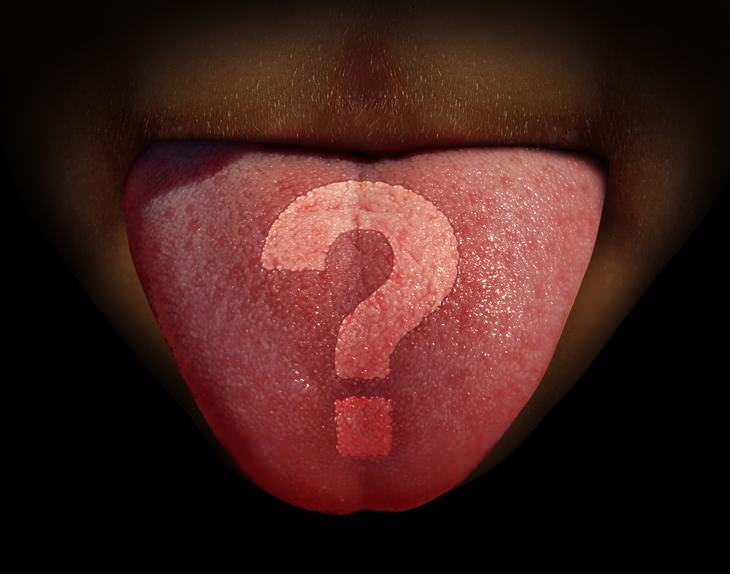
When your folate levels are severely low, you may notice mouth sores and tongue swelling - two symptoms you shouldn't neglect. Your tongue may look swollen, red or shiny particularly around the tip and the edges. Due to a decrease in red blood cells, you may feel pain when swallowing or suffer from a sore tongue and stomatitis. 
 
7. Reduced sense of taste
folic acid deficiency
According to some studies, in addition to mouth sores, deficiency in folic acid may result in having trouble tasting your food. This happens because your taste receptors, called papillae, cannot send messages to your brain via your nervous system, due to the existing tongue problems. 
 
How to treat folate deficiency 
The easiest way to resolve folate deficiency is through your diet. Be sure to eat more dark green vegetables like broccoli, Brussels sprouts, spinach, and asparagus. As for other foods, it is better to consume citrus fruits, beans, mushrooms and whole grains on a regular basis.


This is only for your information, kindly take the advice of your doctor for medicines, exercises and so on.   


Labels: , , , , , , , , , , ,

Monday, May 09, 2022

7 Signs Your Body Needs More Folic Acid

The Institute of Medicine in the US states that adults should consume 400 micrograms of folic acid a day. It is also known as folate or vitamin B9, and is crucial for our health as it helps our body make and repair DNA as well as produce red blood cells. Should you be running low on folate, you may suffer from certain symptoms and develop anemia, a condition in which your internal organs can't get enough oxygen to work properly. Here are a list of common signs that indicate your body needs more folic acid.

1. Cognitive problemsfolic acid deficiency
Folic acid is especially important for your central nervous system. If your body lacks this vitamin, you may struggle with depression, have trouble concentrating and may feel forgetful and irritable. If it is not treated properly, an insufficient intake of folate may increase the risk of developing serious disorders including dementia or Alzheimer's disease. 
 
2. Body pains 
If anemia caused by folate deficiency is severe, your brain will get a lot less oxygen than it ideally should. As a result, the brain's arteries will start swelling and you'll likely get a headache. If your brain isn't the only organ lacking in oxygen, you may also feel pain in other parts of your iron-deficient body, particularly in the chest and legs.

3. Pale skin
folic acid deficiency
There is a protein contained in red blood cells called hemoglobin which is responsible for transporting oxygen from your lungs to all of your body tissues. When your body is lacking in folate you don't have enough red blood cells (and hemoglobin) to provide your internal organs with the necessary amount of oxygen. This can cause a feeling of weakness in your muscles, fatigue and numbness in your hands and feet as, well as painful skin. 
 
4. Shortness of breath 
Do you notice yourself getting out of breath when doing things that you'd normally handle without any issues? This could indicate that your oxygen levels are low because your body is lacking in red blood cells. Along with this symptom, you might also experience an increased heart rate as well as a feeling of dizziness or faintness. 
 
5. Digestive problems
Gastrointestinal symptoms like nausea, vomiting, stomach pain and diarrhea after meals may be the first signs indicating that your body is low in folic acid. In severe cases, you may also suffer from anorexia which usually leads to significant weight loss. 
 
6. Mouth sores and tongue swelling  
When your folate levels are severely low, you may notice mouth sores and tongue swelling - two symptoms you shouldn't neglect. Your tongue may look swollen, red or shiny particularly around the tip and the edges. Due to a decrease in red blood cells, you may feel pain when swallowing or suffer from a sore tongue and stomatitis.  
 
7. Reduced sense of taste
According to some studies, in addition to mouth sores, deficiency in folic acid may result in having trouble tasting your food. This happens because your taste receptors, called papillae, cannot send messages to your brain via your nervous system, due to the existing tongue problems. 
 
Bonus: How to treat folate deficiency  
The easiest way to resolve folate deficiency is through your diet. Be sure to eat more dark green vegetables like broccoli, Brussels sprouts, spinach, and asparagus. As for other foods, it is better to consume citrus fruits, beans, mushrooms and whole grains on a regular basis.

This is only for your information, kindly take the advice of your doctor for medicines, exercises and so on.   

https://gscrochetdesigns.blogspot.com. one can see my crochet creations  
https://gseasyrecipes.blogspot.com. feel free to view for easy, simple and healthy recipes    
https://kneereplacement-stickclub.blogspot.com. for info on knee replacement


Labels: , , , , , , , , , , , ,

Saturday, February 09, 2019

Breathing Pure Oxygen Could Repair Brain Damage Years After a Concussion

Researchers have revisited hyperbaric oxygen sessions as a possible treatment for brain damage sustained after a concussion. According to a report compiled for experts, in a single year, approximately 2.2 million emergency room visits were for traumatic brain injuries (TBI). The majority of these injuries are considered mild and are commonly called concussions. These injuries are common in contact sports and in soldiers.

Most individuals who suffer a concussion are able to heal back to normal brain activity, yet up to five percent of sufferers can experience long-term symptoms. This is called post-concussion syndrome and it can manifest with headaches, mood changes, and other cognitive problems. The symptoms are caused by damage to blood vessels in the brain, making it more difficult for the organ to receive adequate oxygen.

A study published in 2013 showed that treating post-concussion syndrome patients with pure oxygen significantly improved cognitive function and quality of life for participants. Research  shows exactly how this treatment heals the brain. The lead researcher explained that “Once the extra oxygen diffuses into damaged areas, it supplies energy and the regenerative process can happen.” The extra oxygen helped to regrow blood vessels and nerve fibers.

This treatment was previously tested in 2015 by researchers. They concluded that the treatment was not effective. However, their conclusions were based on a faulty interpretation of their supposed “sham” treatment. The researchers subjected a group of participants to a pressurized chamber with normal levels of oxygen. These patients also showed improved cognitive function, so the researchers concluded that the treatment was no more effective than breathing normally.

However, the researchers did not account for the higher pressure actually allowing more oxygen to enter the brain, thus performing along the same lines as the patients who were actually receiving the active treatment. “It was meant to be a sham treatment, but it was actually an active treatment,” says the researcher.

Using hyperbaric oxygen treatments for post-concussion syndrome still needs to be approved by the FDA. More research is needed to confirm its safety and efficacy. However, should the treatment prevail, it will be the first to tackle the underlying causes of the syndrome, as opposed to treating individual symptoms.

THIS IS ONLY FOR INFORMATION, ALWAYS CONSULT YOU PHYSICIAN BEFORE HAVING ANY PARTICULAR FOOD/ MEDICATION/EXERCISE/OTHER REMEDIES.                                    PS- THOSE INTERESTED IN RECIPES ARE FREE TO  VIEW MY BLOG-                                                                                           https://gseasyrecipes.blogspot.com/       
                                                                                                                                                                      FOR INFO ABOUT KNEE REPLACEMENT, YOU CAN VIEW MY BLOG-                                                  https:// kneereplacement-stickclub.blogspot.com/           
                                                                           FOR CROCHET DESIGNS                                                                                                                                                                                                  https://gscrochetdesigns.blogspot.com


Labels: , , , , , , , , , , , , ,