Saturday, April 26, 2025

Suffer From Body Pain? Apply Pressure to These Points

If you're not feeling well, there are a lot of things you can do. Try get up and take a walk, drink some water, take a deep breath. Alternatively, you could try acupressure, a technique from traditional Chinese medicine which helps prevent and treat discomfort. Acupressure can be done on your own, anywhere, anytime, and all you have to do is apply pressure to certain parts of the body. Acupressure encourages energy flow through natural pathways in the body, sending it to our internal organs and limbs. It also helps restore a natural energetic flow, returning the body to a state of well-being. 


1. For upper body pain
acupressure
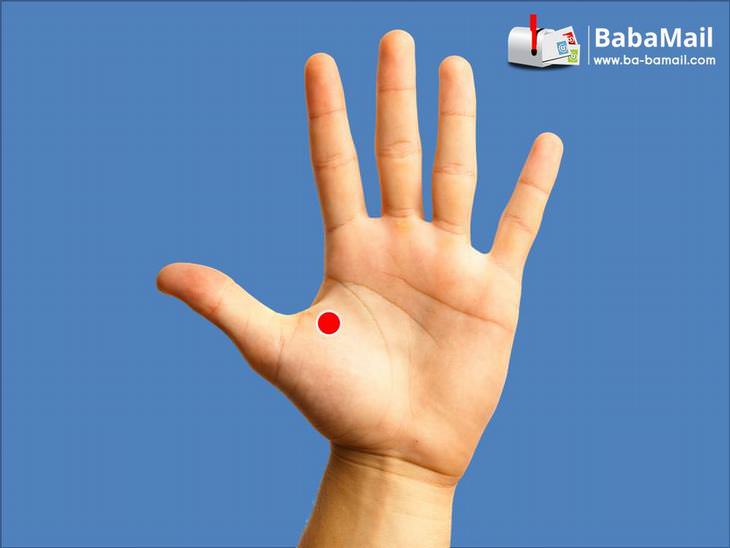
If you have pain or stiffness in the head, neck, throat or face - this includes a headache, neck and jaw tension, toothache, sinus pain or a sore throat - gently massage the fleshy web between the thumb and the index finger. This acupressure point is known as Large Intestine 4 (He Gu). 


2. For stomach discomfort
 acupressure
 
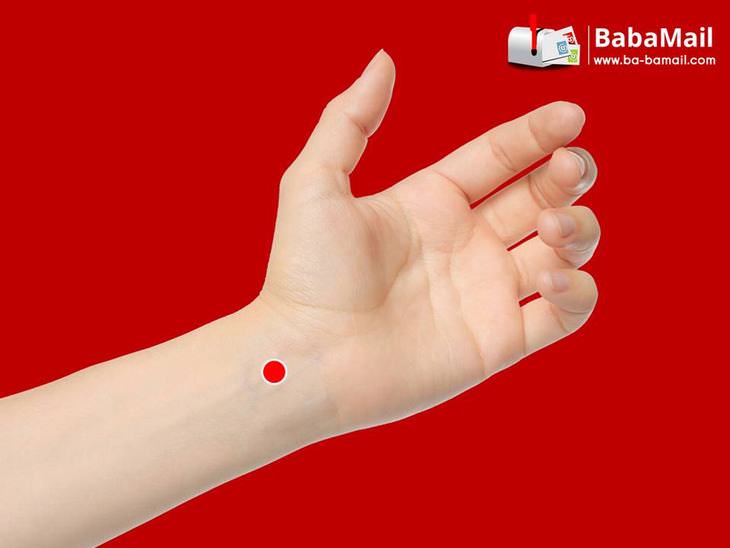
 Whether it be nausea, dizziness, anxiety or motion sickness, put pressure on the inside of the wrist to alleviate the symptoms. Apply pressure about three finger widths down from where your wrist meets your hand. Pregnant women who suffer from morning sickness can also apply pressure to this point. This acupressure spot is called Pericardium 6 (Nei Guan).
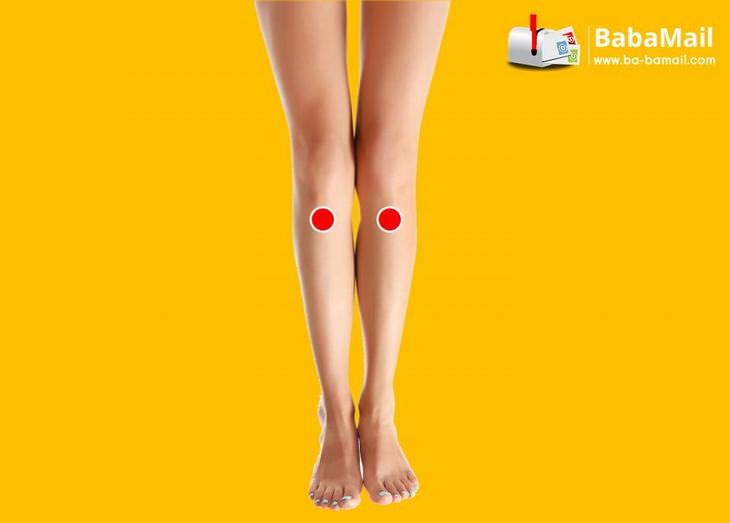
 
 
3. When you're exhausted
acupressure
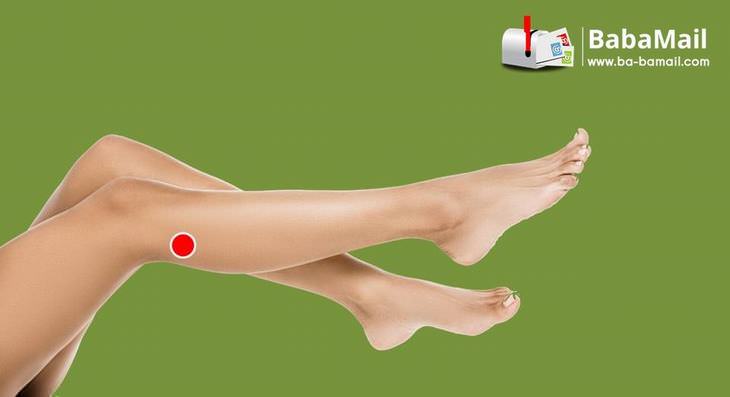
If you are feeling tired, have low immunity or poor digestion, or simply want to promote overall vitality, apply pressure to this spot located four finger widths below the kneecap and one finger width to the outside of the shinbone. You should feel tenderness when applying pressure here. It is said that if you are tired and can no longer walk, stimulating this point will allow you to walk another three miles. This point is known as the Stomach 36 (Zu San Li).


4. Indigestion
 acupressure
 
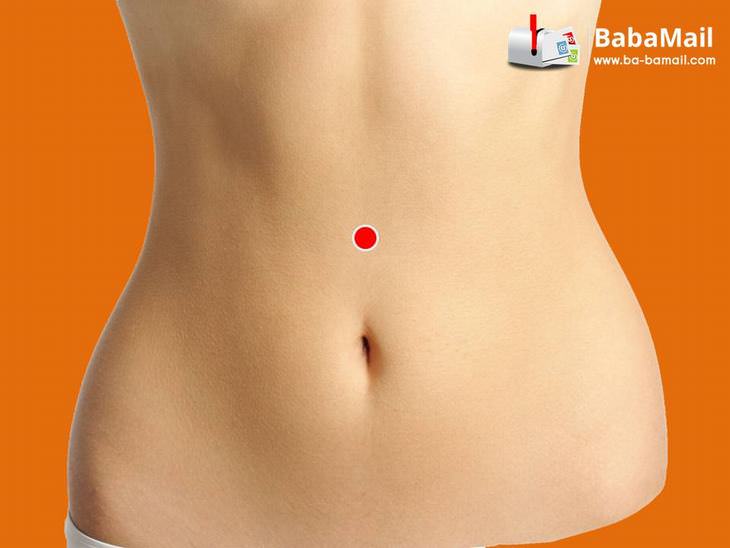
If you are feeling bloated, have indigestion, intestinal gas or a lack of appetite, gently massage the space between the sternum and the belly button. Either massage this point gently or simply rest your hand over the area. This point is known as the Ren 12 (Zhong Wan). 
 
 
5. For period cramps
acupressure
If you suffer from menstrual cramps or back pain during menstruation, apply pressure or gently massage the tender point four finger widths below the groove where the inner leg curves. This acupressure spot is known as Spleen 8 (Diji).


This is only for your information, kindly take the advice of your doctor for medicines, exercises and so on.   


Labels: , , , , ,

Monday, May 09, 2022

7 Signs Your Body Needs More Folic Acid

The Institute of Medicine in the US states that adults should consume 400 micrograms of folic acid a day. It is also known as folate or vitamin B9, and is crucial for our health as it helps our body make and repair DNA as well as produce red blood cells. Should you be running low on folate, you may suffer from certain symptoms and develop anemia, a condition in which your internal organs can't get enough oxygen to work properly. Here are a list of common signs that indicate your body needs more folic acid.

1. Cognitive problemsfolic acid deficiency
Folic acid is especially important for your central nervous system. If your body lacks this vitamin, you may struggle with depression, have trouble concentrating and may feel forgetful and irritable. If it is not treated properly, an insufficient intake of folate may increase the risk of developing serious disorders including dementia or Alzheimer's disease. 
 
2. Body pains 
If anemia caused by folate deficiency is severe, your brain will get a lot less oxygen than it ideally should. As a result, the brain's arteries will start swelling and you'll likely get a headache. If your brain isn't the only organ lacking in oxygen, you may also feel pain in other parts of your iron-deficient body, particularly in the chest and legs.

3. Pale skin
folic acid deficiency
There is a protein contained in red blood cells called hemoglobin which is responsible for transporting oxygen from your lungs to all of your body tissues. When your body is lacking in folate you don't have enough red blood cells (and hemoglobin) to provide your internal organs with the necessary amount of oxygen. This can cause a feeling of weakness in your muscles, fatigue and numbness in your hands and feet as, well as painful skin. 
 
4. Shortness of breath 
Do you notice yourself getting out of breath when doing things that you'd normally handle without any issues? This could indicate that your oxygen levels are low because your body is lacking in red blood cells. Along with this symptom, you might also experience an increased heart rate as well as a feeling of dizziness or faintness. 
 
5. Digestive problems
Gastrointestinal symptoms like nausea, vomiting, stomach pain and diarrhea after meals may be the first signs indicating that your body is low in folic acid. In severe cases, you may also suffer from anorexia which usually leads to significant weight loss. 
 
6. Mouth sores and tongue swelling  
When your folate levels are severely low, you may notice mouth sores and tongue swelling - two symptoms you shouldn't neglect. Your tongue may look swollen, red or shiny particularly around the tip and the edges. Due to a decrease in red blood cells, you may feel pain when swallowing or suffer from a sore tongue and stomatitis.  
 
7. Reduced sense of taste
According to some studies, in addition to mouth sores, deficiency in folic acid may result in having trouble tasting your food. This happens because your taste receptors, called papillae, cannot send messages to your brain via your nervous system, due to the existing tongue problems. 
 
Bonus: How to treat folate deficiency  
The easiest way to resolve folate deficiency is through your diet. Be sure to eat more dark green vegetables like broccoli, Brussels sprouts, spinach, and asparagus. As for other foods, it is better to consume citrus fruits, beans, mushrooms and whole grains on a regular basis.

This is only for your information, kindly take the advice of your doctor for medicines, exercises and so on.   

https://gscrochetdesigns.blogspot.com. one can see my crochet creations  
https://gseasyrecipes.blogspot.com. feel free to view for easy, simple and healthy recipes    
https://kneereplacement-stickclub.blogspot.com. for info on knee replacement


Labels: , , , , , , , , , , , ,

Wednesday, January 19, 2022

The Omicron symptom that is the most common in fully vaccinated COVID-19 patients

How effective are COVID-19 vaccines?

COVID-19 vaccines have provided a great sense of hope and light in these dark, baneful times. Not only have they helped in preventing severe infections, but they have also minimized the risk of hospitalisation and deaths. But at a time, when new variants continue to emerge and wreak havoc, have the COVID-19 vaccines really stepped up and proved effective? Let's find out.

Can the Omicron variant escape vaccine-induced immunity?

Recent findings suggest that the new coronavirus variant, Omicron, has the potential to escape vaccine-induced immunity. Given that it has over 30 mutations in the spike protein, experts have said that it could develop an immune-escape mechanism, which helps them evade vaccine protection.

While unvaccinated individuals remain at a greater risk of contracting the virus and developing severe illness, according to health agencies, breakthrough infections can occur and lead to various ailments.

According to the Centres for Disease Control and Prevention (CDC), "Current vaccines are expected to protect against severe illness, hospitalizations, and deaths due to infection with the Omicron variant. However, breakthrough infections in people who are fully vaccinated are likely to occur."

Additionally, in a recent update, the World Health Organization (WHO) said that current COVID-19 vaccines may need to be reworked to ensure they are effective against Omicron and future variants of the coronavirus. This only suggests that the Omicron variant avoids some of the antibodies induced by two vaccine doses and therefore the existing vaccines may need to be updated accordingly.

Breakthrough infection is a reality we must accept

Although available COVID-19 vaccines provide a certain level of protection against the SARs-COV-2 virus, studies have shown that breakthrough infections can occur in partially and fully vaccinated individuals.

A breakthrough infection occurs when a person who has received one of both the doses of a COVID-19 vaccine contracts the virus. He or she either remains asymptomatic or develops mild to moderate symptoms. In some cases, one may also develop severe illnesses, leading to hospitalisation and in very rare circumstances, death.

During the second wave in India, a large number of people, vaccinated and unvaccinated were infected with COVID-19. However, data reveals that a higher percentage of severely ill patients consisted of unvaccinated people. 

Beware of this symptom if you are fully vaccinated

Beware of this symptom if you are fully vaccinated

It has come to light that the new variant is comparatively milder than the previously existing variants, especially the Delta. Doctors have noted that most infected patients develop cold-like symptoms, and get better on their own.

Having said that, if you're someone who has received their standard COVID shots, watch out for any sign of sore, scratchy throat, says Chicago Department of Public Health Commissioner Dr. Allison Arwady.

Earlier she said, "Especially in people who we're seeing these more mild breakthrough infections, we are definitely seeing sore throat be a predictor in that group."

She also encourages people with cold- or flu-like symptoms to assume they have COVID-19 "until proven otherwise."

The UK's ZOE Covid study is of the same opinion and has constantly urged people to NOT take their symptoms lightly. Apart from the sore throat, some of the other Omicron symptoms include fatigue, fever, body pain, night sweats, sneezing, runny nose, nausea and loss of appetite.

Unlike the Delta, Omicron is less likely to cause loss of sense of smell and taste. 

Get yourself tested and isolate

Get yourself tested and isolate

For people who develop any of the above-mentioned symptoms, it is important to get yourself tested and make sure you isolate until the symptoms are gone. The CDC recently revised its isolation guidelines and recommends people with COVID-19 to isolate for 5 days. "If they are asymptomatic or their symptoms are resolving (without fever for 24 hours), follow that by 5 days of wearing a mask when around others to minimize the risk of infecting people they encounter," the US health agency adds.

Do not let your guide down

Do not let your guide down

While recent COVID-19 cases seem to be mild, experts still urge people to take all preventive measures. The heavily mutated and highly virulent variant has impacted many countries and continues to spread rampantly accross the world.

That said, wear your masks, do not attend gatherings, maintain social distancing and avoid crowded areas. At any sign of symptoms, do not dismiss it as a cold, instead get tested and isolate.


This is only for your information, kindly take the advice of your doctor for medicines, exercises and so on.   

https://gscrochetdesigns.blogspot.com. one can see my crochet creations  
https://gseasyrecipes.blogspot.com. feel free to view for easy, simple and healthy recipes    
https://kneereplacement-stickclub.blogspot.com. for info on knee replacement


Labels: , , , , , , ,