Saturday, April 26, 2025

Suffer From Body Pain? Apply Pressure to These Points

If you're not feeling well, there are a lot of things you can do. Try get up and take a walk, drink some water, take a deep breath. Alternatively, you could try acupressure, a technique from traditional Chinese medicine which helps prevent and treat discomfort. Acupressure can be done on your own, anywhere, anytime, and all you have to do is apply pressure to certain parts of the body. Acupressure encourages energy flow through natural pathways in the body, sending it to our internal organs and limbs. It also helps restore a natural energetic flow, returning the body to a state of well-being. 


1. For upper body pain
acupressure
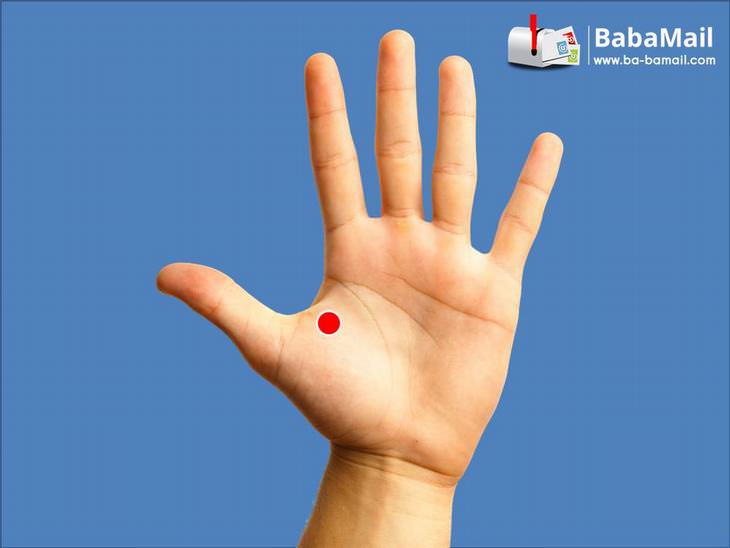
If you have pain or stiffness in the head, neck, throat or face - this includes a headache, neck and jaw tension, toothache, sinus pain or a sore throat - gently massage the fleshy web between the thumb and the index finger. This acupressure point is known as Large Intestine 4 (He Gu). 


2. For stomach discomfort
 acupressure
 
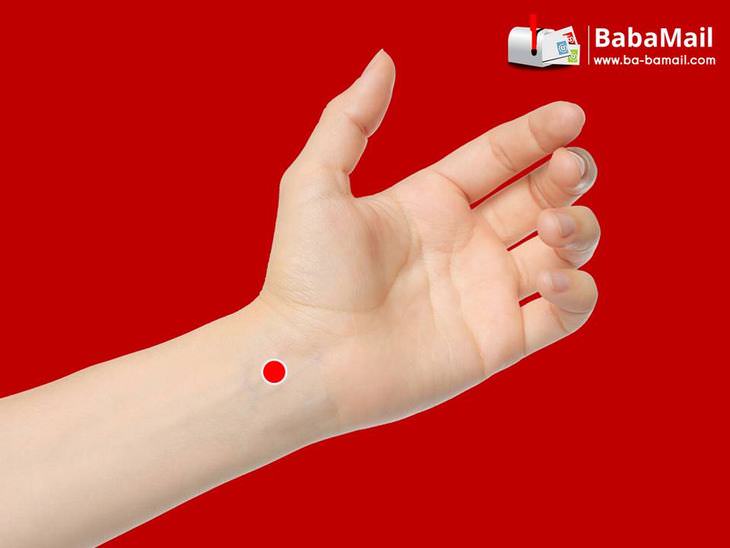
 Whether it be nausea, dizziness, anxiety or motion sickness, put pressure on the inside of the wrist to alleviate the symptoms. Apply pressure about three finger widths down from where your wrist meets your hand. Pregnant women who suffer from morning sickness can also apply pressure to this point. This acupressure spot is called Pericardium 6 (Nei Guan).
 
 
3. When you're exhausted
acupressure
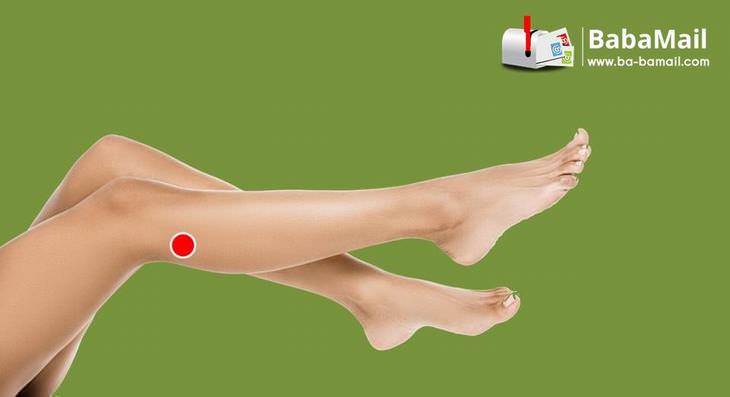
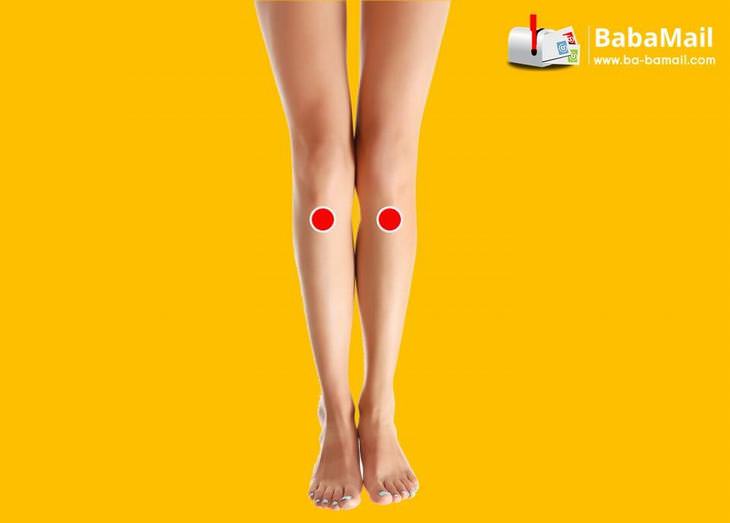
If you are feeling tired, have low immunity or poor digestion, or simply want to promote overall vitality, apply pressure to this spot located four finger widths below the kneecap and one finger width to the outside of the shinbone. You should feel tenderness when applying pressure here. It is said that if you are tired and can no longer walk, stimulating this point will allow you to walk another three miles. This point is known as the Stomach 36 (Zu San Li).


4. Indigestion
 acupressure
 
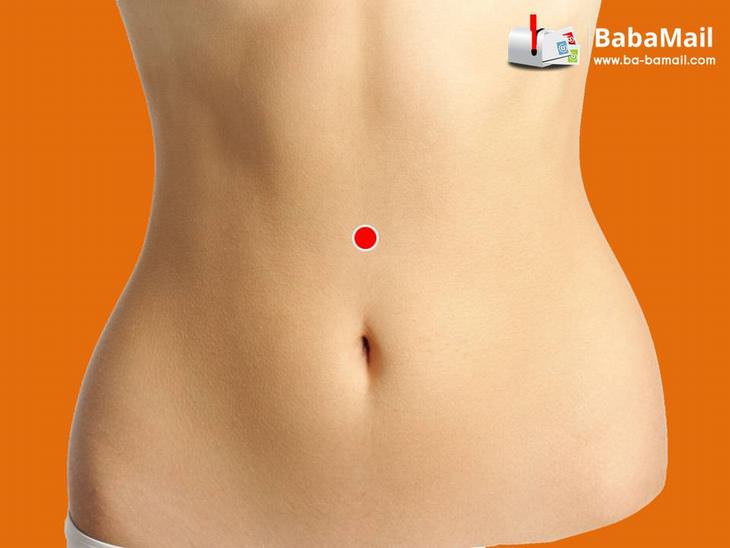
If you are feeling bloated, have indigestion, intestinal gas or a lack of appetite, gently massage the space between the sternum and the belly button. Either massage this point gently or simply rest your hand over the area. This point is known as the Ren 12 (Zhong Wan). 
 
 
5. For period cramps
acupressure
If you suffer from menstrual cramps or back pain during menstruation, apply pressure or gently massage the tender point four finger widths below the groove where the inner leg curves. This acupressure spot is known as Spleen 8 (Diji).


This is only for your information, kindly take the advice of your doctor for medicines, exercises and so on.   


Labels: , , , , ,

Tuesday, September 24, 2019

Heart Attack Signs Every Woman Should Know

Subtle symptoms

It's true: Women are different from men, not least of all when it comes to heart attack symptoms. Once considered almost strictly a man's problem, we now know that anyone can have a heart attack.

A lady had a heart attack in 2012, and like most women, she didn't experience the classic, chest-clutching "Hollywood Heart Attack." Instead she had aching in her arms and chest along with nausea and clammy skin, and like many women didn't realize what was happening.

Heart disease is now the number-one killer of women. Know the signs of heart attack, and call 9-1-1 if you or someone you know has one or more of the following symptoms.

1) Shortness of breath

One study found that 42% of women having a heart attack had shortness of breath.
Although men also have this symptom, women are more likely to have trouble breathing without concurrent chest pain, says a Dr.

The difficulty breathing is usually sudden and may come on for no apparent reason and in the absence of exertion.

2) Upper body pain

Pain in the neck, back, jaw, teeth, arms (typically the left) and shoulder blades is a frequent symptom of heart attack in women.
This is called "radiating" pain and is due to the fact that the heart has many fewer nerve endings than, say, the fingertip, where pain will be localized, the Dr. explains.

"When the heart is being injured, pain can be felt in other areas," she says. Generally, though, pain related to a heart attack is confined to the upper body. It's not likely to travel below the belly button.

Nausea, vomiting, and upset stomach

According to the doctors, women are twice as likely as men to experience nausea, vomiting, or indigestion-like symptoms, such as heartburn, while having a heart attack.
This is often because the blood supply to the right coronary artery, which extends to the bottom of the heart, is blocked, Dr. explains. Unless they're also having chest pain, many women write it off as something they ate when they should be calling 9-1-1, she adds.

Fatigue and sleep problems

Many women—about half—experiencing a heart attack report fatigue that comes on suddenly and has no apparent cause.
One study of 515 women who had had a heart attack found that 70.7% reported fatigue more than one month before the event.

This study also found that about half had trouble sleeping. Any abrupt changes in sleep patterns could be a warning sign.


Flu-like symptoms

Other vague, but possibly life-threatening signs of a heart attack are flu-like symptoms that can also include tiredness.
"If you feel like you just cannot do what you can normally do in a given day, you should consider that it's your heart," says a Dr. "This is one of the most common complaints in women."

Don't ignore it!


Cold sweats

The lady reported feeling "clammy" when she was experiencing her heart attack and, among women, this isn't unusual.
Be wary if you suddenly break out in a cold sweat, especially if you're sure you're not going through menopause. Fortunately, this may be one symptom that actually gets you to the hospital sooner rather than later.


One study of about 1,000 patients found that those who experienced sweating, among other symptoms, were less likely to delay getting to the hospital.


Chest pain and pressure


Classic chest pain may not be the hallmark symptom of a heart attack in women, but it certainly happens.
"There are huge overlaps between men's and women's symptoms," Dr. Hayes says. Any acute chest pain or pressure, such as the classic "feeling like you have an elephant standing on your chest" deserves prompt attention.

"Regardless of what the symptom is, if it's something new and it's not going away, it's better safe than sorry," the Dr. says.

Dizziness or light-headedness


Feeling dizzy or light-headed is another almost unknown symptom of heart attack.
One study found that 39% of women having a heart attack reported feeling this way as the attack progressed. Another study found that women were actually more likely than men not only to feel dizzy, but even to faint.

This is likely the result of a blockage in one of the blood vessels leading to the heart.

this is only for your information, kindly take the advice of your doctor for medicines, exercises and so on.   
https://gscrochetdesigns.blogspot.com. one can see my crochet creations 
https://gseasyrecipes.blogspot.com. feel free to view for easy, simple and healthy recipes    
https://kneereplacement-stickclub.blogspot.com. for info on knee replacement


Labels: , , , , , , , , , , ,