Tuesday, August 08, 2023

Concerned About Liver Cirrhosis? You Need to Read This

Did you know that the largest internal organ you've got inside of you is your liver? It's roughly the size of a football and can weigh up to three pounds in all. It's responsible for getting rid of plenty of nasty toxins from your body, which is why it's really important to take care of it. One major complication that can occur in the liver is cirrhosis. While it currently has no known cure, there are plenty of natural and clinical procedures that can limit the risk of liver failure and additional complications. Keep reading to find out all about them.

 1. What is cirrhosis?

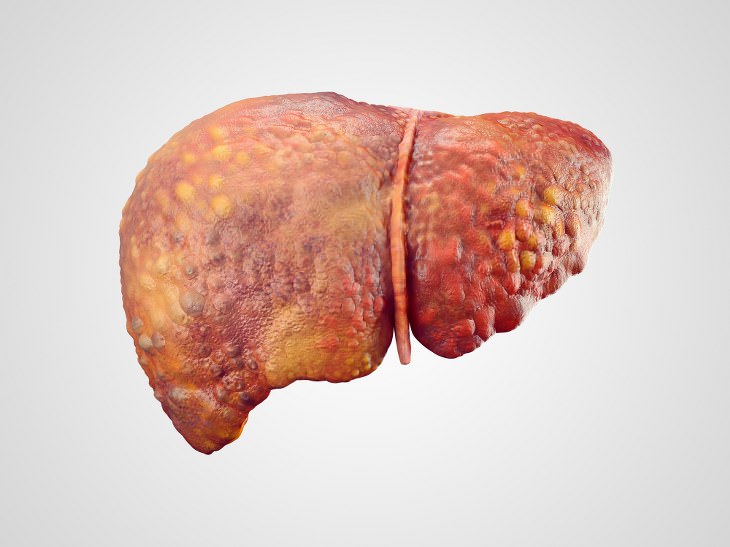
Cirrhosis is a progressive disease where scar tissue is developed in the liver. It results in a dysfunction which ends up impacting essential function like hormone levels, the digestion of essential nutrients, blood flow, and the removal of waste products from the body. 
 
Alcohol abuse, certain viruses (such as hepatitis), and having a history of fatty liver disease are the most common causes of cirrhosis. Other risk factors include genetics, poor dietary choices, and dangerously high levels of bad cholesterol. 
 
Cirrhosis caused the liver to deteriorate over time, and once it reaches its more advanced stages liver failure or liver cancer might develop. At such a stage, a liver transplant is usually the only option left, which is why it's important to act as quickly as possible and take proper care of your liver throughout your life.
What Are the Symptoms of Cirrhosis?
 Cirrhosis guide
 
Cirrhosis is typically accompanied by quite a number of symptoms including: 
 
• Appetite loss 
 
• Lack of energy 
 
• Symptoms of jaundice 
 
• Swollen ankles or legs 
 
• Itchy skin 
 
• Dark-colored urine 
 
• Pale or tar-colored stool 
 
• Bruising easily 
 
• Unexplained weight changes 
 
• Chronic fatigue syndrome 
 
• Digestive issues, such as vomiting, nausea, cramps or abdominal pain 
 
• Cognitive issues such as disorientation, mood swings, confusion or personality changes


Liver Cirrhosis Complications

Cirrhosis goes through a number of stages before entering the advanced and final stage. Early on, sufferers may experience symptoms like skin changes, decreased levels of energy, nutrient deficiencies, and swelling. As the disease progresses, many of the other symptoms mentioned above will start to manifest themselves. Once cirrhosis enters an advanced stage, some of these complications may arise: 
 
• Bile duct stones 
 
• Gallstones 
 
• Type 2 diabetes 
 
• Insulin resistance 
 
• A weakened immune system 
 
• An increased risk of lung and kidney failure 
 
• Sensitivity to certain drugs 
 
• A greatly increased risk of liver cancer 
 
• Metabolic bone diseases 
 
• Hepatic encephalopathy 
 
• Various issues with the spleen 
 
• Varices 
 
• Ascites 
 
• Edema 
 
• Portal hypertension


What Causes Cirrhosis?

There are various factors that can lead to the development of cirrhosis, which can stem from both your own lifestyle and habits, as well as from external and environmental factors. The most common risk factors for cirrhosis of the liver include: 
 
• Drinking too much alcohol 
 
• Smoking 
 
• Drug abuse 
 
• Consuming a poor diet 
 
• Having a history of fatty liver disease, diabetes or metabolic syndrome 
 
• Being obese 
 
• High triglyceride levels 
 
• High levels of bad cholesterol 
 
• Genetic factors 
 
• Constant exposure to toxins or pollutants 
 
• Serious infections or viruses
 
Treating Cirrhosis Conventionally

Conventional treatment for cirrhosis will ultimately depend on what initially caused it, as well as how far the disease has progressed. Doctors will typically combine a number of different treatments including both drugs and major lifestyle changes. Unfortunately, there is no textbook cure for this disease, yet these techniques have been found to be the most effective: 
 
• Eliminating processed food from your diet 
 
• Reducing your salt intake 
 
• Increasing your nutrient intake 
 
• Eliminating drug and alcohol intake 
 
• Using diuretics to control ascites and edema 
 
• Controlling cholesterol levels 
 
• Losing weight 
 
• Cognitive therapy 
 
• Using laxatives to improve elimination of toxins 
 
• Using steroids and antiviral medication if the cause is hepatitis 
 
• Getting a liver transplant in the most severe cases 
 
Dealing With Cirrhosis Naturally 
 
1. Cleansing the Liver Regularly

To cleanse your liver, try to eat as much as you can of the following: 
 
• citrus fruits 
 
• ginger 
 
• dark green leafy vegetables 
 
• vegetable juices 
 
• raw or steamed vegetables 
 
• bananas, avocados, and sweet potatoes 
 
• turmeric 
 
• milk thistle seeds 
 
• Spirulina, chlorella, and wheatgrass 
 
• burdock root 
 
• dandelion root tea 
 
• black seed oil 
 
• probiotics 
 
• lemon juice 
 
• coconut oil 
 
• extra virgin olive oil 
 
• raw apple cider vinegar 
 
 
Make sure to avoid these foods at all times if suffering from cirrhosis: 
 
 • fried food 
 
• processed food 
 
• very spicy food 
 
• sugar 
 
• refined carbohydrates, especially those containing gluten 
 
• alcohol 
 
• excessive amounts of caffeine 
 
• rich and complex dishes 


2. Consume an Anti-Inflammatory and Organic Diet
Cirrhosis guide
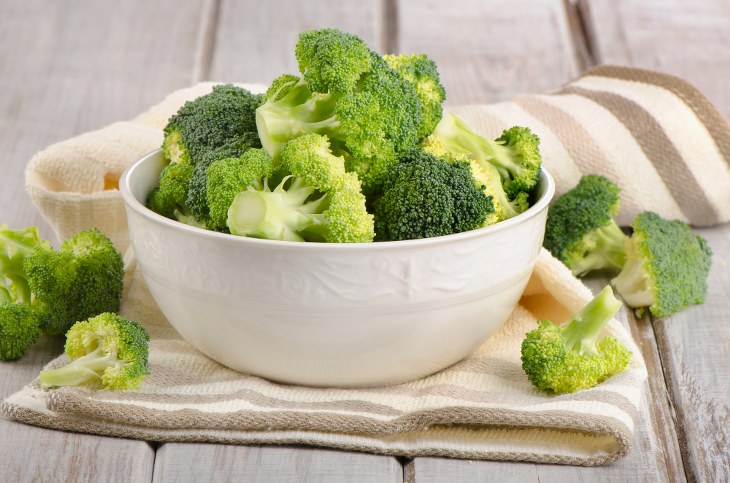
The key to maintaining a healthy and functioning liver is to consume plenty of organic vegetables with most meals. Ideally, you should aim to consume around 4 or 5 servings of fresh, organic vegetables each day. If this seems like too much, then you might want to consider juicing them instead. In order to put the least amount of strain on your liver as possible, you should limit the saturated fats you eat to only high-quality cage-free, free-range or grass-fed animal products. This is because animals bred in captivity have been found to store a lot more toxins in their fat than is desirable. As a general rule, the less foods that come out of packaging, the safer your liver should be. Here are some of the best liver-supporting vegetables you can eat: 
 
• broccoli 
 
• cauliflower 
 
• celery 
 
• cabbage 
 
• Brussels sprouts 
 
• kale 
 
• spinach 
 
• dandelion 
 
• watercress 
 
• asparagus 
 
• cucumber 
 
• beetroot 
 
• carrot 
 
• herbs, such as basil, mint, parsley, and cilantro  
 
 
3. Use Natural Supplements
Cirrhosis guide
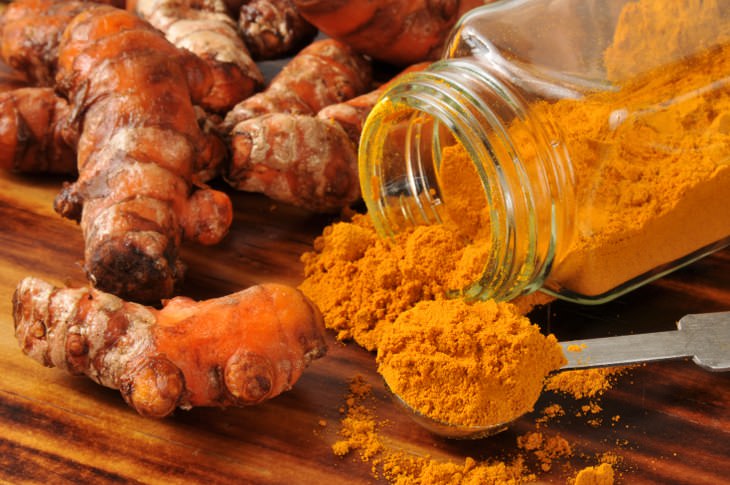
Plenty of supplements can help produce proper enzymes and bile, reduce intestinal gas, lower inflammation, and sooth the digestive system. Here are some of the most powerful ones: 
 
• Turmeric - this potent anti-inflammatory spice will support your liver's metabolism by providing you with a decent blood-sugar balance. It can also help aid your digestive tract. 
 
• Milk thistle - it helps to get rid of a buildup of alcohol, pollutants, and heavy metals. 
 
• Probiotics - these can help boost your liver health by assisting with its detoxification and metabolism. 
 
• Multivitamins - vitamin A, vitamin C, and vitamin B-6 are particularly the most essential when it comes to protecting the liver. 
 
• Potassium - This mineral is extremely beneficial since it lowers your cholesterol, triglyceride levels, and systolic blood pressure.


4. Check the Medication You're TakingCirrhosis guide

Quite a significant number of prescription medications can end up damaging your liver as an unwanted side effect. The worst offenders have been found to be hormone replacement drugs and birth control pills, however many other drugs can also put quite a lot of unnecessary strain on your liver, too. 
 
Unfortunately, research has shown that a large number of prescription medications are being over-prescribed, are being mixed with other drugs in a dangerous way, or are taken in an incorrect manner. If you are on medication, then we'd recommend learning how they can adversely affect your liver, and to carefully follow dosage instructions when taking them. It would also be a good idea to ask a healthcare professional if there are any natural remedies that they can be replaced with.
 
Precautions to Take When Treating Cirrhosis
If you spot any warning signs of liver damage, make sure to get in touch with a doctor as soon as possible, since stopping liver damage before the disease advances will greatly improve your quality of life and chances of survival. Of course, it's good to keep in mind that once symptoms begin to appear, it is likely that the condition has already been present for some time, which is all the more reason to get yourself checked immediately.


This is only for your information, kindly take the advice of your doctor for medicines, exercises and so on.   

https://gscrochetdesigns.blogspot.com. one can see my crochet creations  
https://gseasyrecipes.blogspot.com. feel free to view for easy, simple and healthy recipes    
https://kneereplacement-stickclub.blogspot.com. for info on knee replacement
https://cancersupportindia.blogspot.com  for infor on cancer and health related topics
https://GSiyers home remedies.blogspot.com   is the latest addition to my blogs. I'm going to add posts there, do give me your valuable feed back on my blogs. Thanks a lot, take care, be healthy and be happy.

Labels: , , , , , , , , , , , , , ,

Thursday, July 08, 2021

6 Cavity-Fighting Foods to Include in Your Diet

Living during a pandemic comes with surprising sacrifices. Mundane things like going to the shopping mall, getting your hair done, and visiting the dentist have become a risky endeavor, and most of us are trying to space out all of these activities as much as possible. If you were forced to skip your scheduled trip to the dentist this year or want to make sure you won’t need one any time soon, there are several things you can do to promote long-term oral health. Apart from the obvious brushing and flossing, you should also be mindful of what to eat.

Firstly, avoiding certain foods that often contribute to cavities and oral health issues is a good idea. To learn what those are, read our previous article titled Foods and Drinks That Can Damage Your Teeth. But it's not just about limiting yourself, as certain delicious foods can also help you fight tooth decay. The foods and drinks we list below will help prevent cavities, bad breath, and tooth decay, so make sure to include plenty of those in your daily diet, though chances are you’re already doing so, as many of these foods are quite common. 
 
1. Dairy
Foods That Help Prevent Tooth Decay and Cavities Dairy
Dairy products like milk, cheese, butter, and plain white yogurt are among the best foods to eat for long-term oral health. Rich in calcium and phosphates, dairy products help remineralize teeth. This is extremely important, as we lose these important minerals while we eat, and putting them back in your teeth essentially helps rebuild tooth enamel, which the first line of defense against cavities. 
 
Apart from that, cheese helps your body produce more saliva, which also helps repair the enamel. Lastly, dairy, especially grass-fed dairy, is rich in vitamin K2, a vitamin in which most of us are deficient that is vital for healthy teeth. Other foods rich in vitamin K2 are eggs, liver, natto, and beef.

2. Tea
Foods That Help Prevent Tooth Decay and Cavities Tea
Certain drinks can help prevent cavities and other oral issues, too. Though wine has been suggested to help promote oral health in some studies, there is still little evidence to support that claim. In addition, drinking alcohol daily isn't a good idea, and red wine specifically is also known to stain teeth, so we cannot recommend it. 
 
A drink that's much better for your teeth is green or black tea (but not herbal tea). The ingredients in tea that will benefit oral health are polyphenols, a type of antioxidant capable of killing plaque bacteria that produce acid that degrades the tooth enamel. Do keep in mind, however, that you should stick to unsweetened tea, as sugar can increase the risk of cavities, as you may already know.
 
3. Citrus Fruit
Most acidic foods, like tomatoes, aren't good for the teeth, as acid degrades the tooth enamel, but citrus fruit like lemons, grapefruit, and oranges, can be enjoyed in moderation and offer some benefits for oral health. These fruits contain a lot of vitamin C, which can reduce gum inflammation that is capable of causing gum disease. This is because vitamin C strengthens the blood capillaries in the mouth and make your gums more resilient. 
 
4. Fatty Fish
Fatty fish like salmon and tuna are known for their multitude of health benefits, but these fish also naturally contain the perfect cocktail for tooth health. Firstly, fatty fish is high in omega-3 fats, which are suggested to benefit brain and cardiovascular health. However, most people aren't aware that omega-3 fatty acids can also support gum health and may even help reduce gum disease, an extremely common health issue. If your gums bleed or hurt when you're flossing or brushing your teeth, increasing your intake of omega-3s may help deal with that issue. 
 
Apart from that, fatty fish is also rich in vitamin D, which also helps prevent cavities, as well as vitamin K2 and A, which can remineralize the teeth and aid in the repair of tooth enamel. 
 
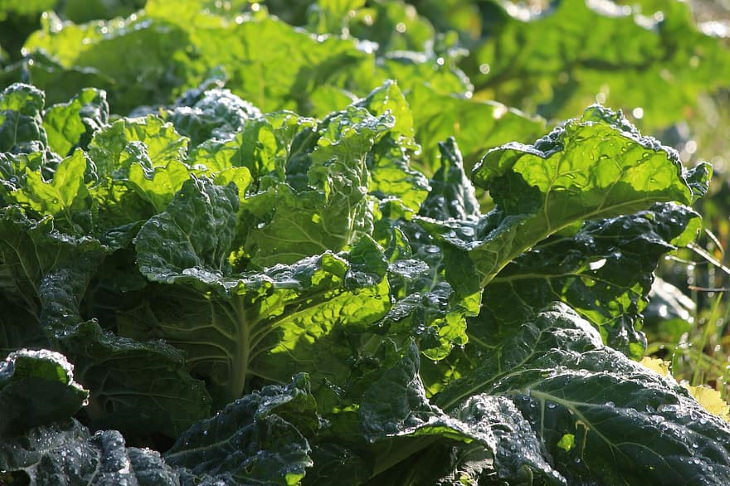
5. Leafy Greens Foods That Help Prevent Tooth Decay and Cavities Leafy Greens
Here's another reason to eat more leafy greens, especially dark green ones like spinach, kale, Swiss chard, and arugula. Apart from containing many minerals that can help replenish the enamel, leafy greens are also capable of balancing out the microflora in your oral cavity. 
 
This is because leafy greens are rich in prebiotics, which are essentially food for the beneficial bacteria that live in your mouth. By increasing the number of these beneficial bacteria, the number of harmful ones that can cause tooth decay simultaneously decreases, making your teeth cleaner and plaque-free in the short term, and more resilient to tooth decay in the long run.

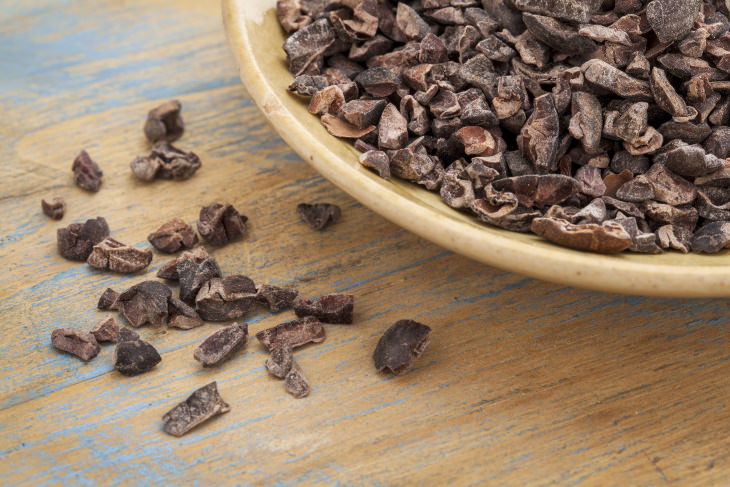
6. Cacao Nibs Foods That Help Prevent Tooth Decay and Cavities Cacao Nibs
The last item on this list may be less common than the other ones, but it has a good amount of research backing its effectiveness at reducing the number of harmful bacteria in the mouth. Cacao nibs are essentially crushed up cacao beans. Unlike chocolate, cacao beans don't contain any sugar, but they are naturally rich in polyphenols, the same antioxidants present in tea we discussed earlier. 
 
Research from 2019 has revealed that a mouth rinse based on cocoa beans eradicated cavity-causing bacteria called S. mutans as well as a prescription mouthwash. Unlike the latter, however, the cacao-based mouthwash didn't harm the beneficial bacteria in the mouth. So, munching on some cocoa nibs as a snack or springing some on your morning oatmeal or granola is a good idea.

This is only for your information, kindly take the advice of your doctor for medicines, exercises and so on.   

https://gscrochetdesigns.blogspot.com. one can see my crochet creations  
https://gseasyrecipes.blogspot.com. feel free to view for easy, simple and healthy recipes    
https://kneereplacement-stickclub.blogspot.com. for info on knee replacement

Labels: , , , , , ,

Friday, August 30, 2019

Mosquito-borne Diseases: How to Keep Dengue at Bay with Food That Boost Immunity System

Monsoon can be a tough time as it takes a toll on human health. From manageable disease like cold and flu, to fatal diseases like dengue, malaria and chikungunya, monsoon brings along with it health complications that can put us at risk. However, despite our best efforts towards the prevention of monsoon diseases such as malaria, viral fever, dengue, chikungunya, we often fall prey to them.

While it might not be possible to avoid mosquito bites, as despite using ways like using mosquito repellents and avoiding mosquito-breeding, the vector succeeds in transmitting these diseases. 

However, one can always depend on a healthy, immunity-booster diet that can make the body healthy and give the virus a tough fight within the human body. Here are a few immunity-booster foods to keep dengue virus at bay:

Mosquito-borne Diseases:  

How to Keep Dengue at Bay with Food That Boost Immunity System
All Indian households depend on turmeric for a lot of functions. From adding flavor to the food to using it for religious purposes, turmeric is an important part of our lives.


Monsoon can be a tough time as it takes a toll on human health. From manageable disease like cold and flu, to fatal diseases like dengue, malaria and chikungunya, monsoon brings along with it health complications that can put us at risk. However, despite our best efforts towards the prevention of monsoon diseases such as malaria, viral fever, dengue, chikungunya, we often fall prey to them.

While it might not be possible to avoid mosquito bites, as despite using ways like using mosquito repellents and avoiding mosquito-breeding, the vector succeeds in transmitting these diseases. However, one can always depend on a healthy, immunity-booster diet that can make the body healthy and give the virus a tough fight within the human body. Here are a few immunity-booster foods to keep dengue virus at bay:


1. Citrus Fruits: Rich in Vitamin C, citrus food like lemon, orange, pineapple and others, helps in building strong immunity by increasing the production of white blood cells in the body. The white blood cells or lymphocytes are the disease-fighting cells of the body. In addition, Vitamin c rich foods are loaded with antioxidants and protect the body from damage from free radicals.

2. Garlic: Garlic is an important ingredient in most of the dishes that we cook at home. While it adds flavor and taste to the food, Garlic also helps in providing immunity to the body as it has the presence of sulfur (sulphur) in it. Garlic helps in fighting infections. In addition, it has antibacterial and anti-fungal properties as well.

3. Turmeric: All Indian households depend on turmeric for a lot of functions. From adding flavor to the food to using it for religious purposes, turmeric is an important part of our lives. The golden spice, loaded with medicinal properties, also helps in improving the functioning of the immune system. In addition, it has anti-inflammatory properties.

4. Ginger: Apart from adding flavor to our food, Ginger is usually used in tea to keep the body warm. The root plant is also an important immunity-booster and is helpful in treating sore throat, inflammation, nausea and other symptoms of dengue fever.

5. Yogurt: Apart from helping you in getting good sleep, yogurt is also known for its immunity-booster properties. A strong probiotic, yogurt helps in the functioning of the immune system. It also helps in improving digestive health. 


THIS IS ONLY FOR INFORMATION, ALWAYS CONSULT YOU PHYSICIAN BEFORE HAVING ANY PARTICULAR FOOD/ MEDICATION/EXERCISE/OTHER REMEDIES.                                    PS- THOSE INTERESTED IN RECIPES ARE FREE TO  VIEW MY BLOG-                                                                                           https://gseasyrecipes.blogspot.com/                                                                                                                                                FOR INFO ABOUT KNEE REPLACEMENT, YOU CAN VIEW MY BLOG-                                                                       https:// kneereplacement-stickclub.blogspot.com/                                                                                                                     FOR CROCHET DESIGNS                                                                                                   
                                https://gscrochetdesigns.blogspot.com


Labels: , , , , , , , , , , , , , ,

Sunday, April 21, 2019

9 Common Causes Of Bad Breath

Having persistent bad breath is annoying and embarrassing, and it often doesn’t go away after brushing your teeth or eating mints. Although we all know that garlic or onions can make your breath smell quite unpleasant, plenty other foods and nutrition-related habits might produce the same unwanted result.

If you suffer from diabetes, tonsil infections or stomach issues, for example, you might experience bad breath. Simultaneously, by far not all cases of an unflattering breath are health related, and here are 9 common reasons you might be experiencing bad breath and how to deal with it.

1. Peanut Butter


Nothing can compare to a good old peanut butter and jelly sandwich: not only is it packed full of proteins and plant-based fatty acids, it’s also delicious. However, peanut butter has a very sticky consistency, which makes it stick to the gums and the teeth for hours.

At the same time, peanut butter, especially with the addition of jelly, but also on its own, is often very high in sugar, so, by sticking around in your mouth, it provides food for the bacteria and causes dental and gum problems, and a smelly breath. That’s why it is important to brush your teeth after eating any foods that contain peanut butter.

2. A High Protein Diet


Proteins are digested differently to other nutrients, with the body producing ammonia as a side product of the digestive process. Usually, ammonia is converted into urea and excreted from the body through urine.

If we consume too much protein, the body cannot get rid of all the ammonia and it builds up in the body, making our mouth smell like you guessed what, among other things. This unpleasant smell can linger on even after brushing your teeth, but it can be canceled out by eating zinc-rich plant foods, such as pumpkin seeds, spinach and chickpeas.

3. Not Drinking Enough Water


A dehydrated body cannot produce enough saliva, which is essential for the maintenance of a healthy and smell-free mouth cavity, as it envelops the mouth and throat and cleans them. When not enough saliva is produced, be it as a result of dehydration or any other health condition, bacteria start multiplying in your mouth cavity, which often causes bad breath.

If you suspect that your mouth is dry because you’re dehydrated, simply drink more water. In other cases, you will have to address the underlying health condition to regain a fresh breath.

4. Citrus Fruit


Although you might think of lemons and other citrus fruit as broadly antibacterial, some bacteria, particularly the odor-causing kind, thrive in acidic environments. And since most citrus fruit are also rich is sugar, you’re creating the perfect environment for the bacteria in your mouth by eating or drinking too much citrus.

To prevent this from happening, drink less juice containing citrus and rinse your mouth with water after eating citrus fruit.

5. Alcohol


Drinking alcohol can also upset the balance between the good and the bad bacteria in your mouth. Even though an occasional drink will most likely not cause any long-term effects, a large 2018 study conducted in the U.S. found that people who drink regularly have significantly more bad bacteria in their mouth cavity than non-drinkers.

Needless to say, this is dangerous and could not only bad breath, but also chronic infections.

6. Food Stuck in the Mouth


Everyone should floss at least once a day to get rid of the food particles that get stuck between the teeth, but your teeth aren’t the only place in your mouth that can be affected by small and stubborn food particles. Food can get stuck in the tonsils, too, especially after a flu or sore throat when they get inflamed.

The reason for this is that tonsils actually have naturally-occurring crevices called crypts, which usually help the immune system fight off different environmental dangers by increasing the contact surface of the tonsils. At the same time, food can become stuck in these crypts and medical attention is usually necessary to dislodge these food particles.

7. Tomato Sauce


Similarly to citrus fruit, tomatoes are actually quite acidic, which can promote the growth of those bad bacteria and cause a smelly breath. This is especially true about tomato sauces (ketchup, marinara sauce, soups, etc.) and tomato juice that are highly-concentrated and have added vinegar, so they contain a lot more acids than one or two fresh tomatoes.

Another reason why tomato sauce and juice might cause bad breath is because they actually cause acid reflux, which can increase the acidity in your mouth even more. It’s best to sip on some water while eating foods that contain tomato sauce to prevent acid reflux and wash away the acidity.

8. Canned Fish


After eating canned fish, you might experience a fishy smell lingering in your mouth. This is because canned fish varieties contain a lot more trimethylamines compared to fresh fish, as canned fish had plenty of time to oxidize while it was in the tin. These compounds are the culprits behind the fishy smell, and they are difficult to get rid of because they don’t bind well with water on their own.

A splash of lemon juice or vinegar can help them bind with liquids, so add a little lemon to the canned fish and drink some water after eating it to combat the unpleasant smell.

9. Coffee Drinks and Dairy

Researchers at Tel Aviv determined that it’s not coffee per se that causes that unpleasant mouth taste and smell, but rather the milk added to it. In fact, black coffee can have the opposite effect, making your breath fresher. When it is part of a cappuccino or any other drink containing milk, however, it may contribute to the problem, as it dries out the mouth, increasing the likelihood of developing bad breath.


Milk and dairy products, in turn, are known to cause bad breath, as they contain amino acids, which create sulfur when consumed by the bacteria that live in the mouth. Sulfur, as you may know, has a smell of rotten eggs, so it is to blame for the sour taste and smell in your mouth. To get rid of the smell, it's best to brush your teeth, but simply rinse your mouth with water also helps.
THIS IS ONLY FOR INFORMATION, ALWAYS CONSULT YOU PHYSICIAN BEFORE HAVING ANY PARTICULAR FOOD/ MEDICATION/EXERCISE/OTHER REMEDIES.                                    PS- THOSE INTERESTED IN RECIPES ARE FREE TO  VIEW MY BLOG-                                                                                           https://gseasyrecipes.blogspot.com/    

                                                                                                                                                     FOR INFO ABOUT KNEE REPLACEMENT, YOU CAN VIEW MY BLOG-                                                  https:// kneereplacement-stickclub.blogspot.com/  

         
                   FOR CROCHET DESIGNS                                                                                                                                                                                                  https://gscrochetdesigns.blogspot.com  
 

Labels: , , , , , , , , , , , , ,