Monday, January 25, 2021

Typhoid: All you need to know about this bacterial infection

All you need to know about typhoid

Typhoid is a serious bacterial infection that can lead to high fever, diarrhoea and vomiting. It is caused by Salmonella typhi bacteria, passed on to humans through contaminated water or foods. Typhoid fever is highly contagious and can be passed on from an infected person to another by accidentally coming in contact with their poop (stools) or pee (urine), in a rare case. The disease can easily be treated with antibiotics when detected on time. If left untreated, it can even turn fatal, especially for children.

Typhoid fever is quite common across the globe, especially in developing countries. Every year about 12.5 million persons are affected with the typhoid virus in different parts of the world. 

Symptoms
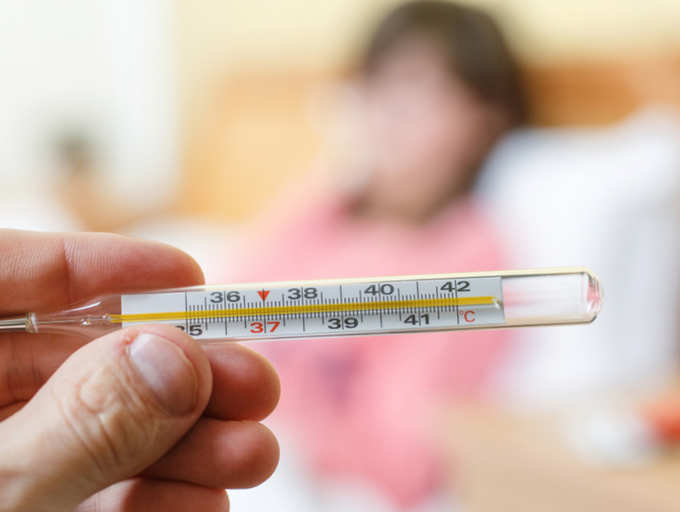
The symptoms of typhoid start to appear a week or two after the infection. High fever for up to 104°F (39°C to 40°C) and rashes particularly on the neck and abdomen are the two most common symptoms of these infectious diseases. Other common signs may include:

Weakness

Stomach ache

Headache

Loss of appetite

Brain fogging

Constipation or diarrhoea

Muscle aches 

Other symptoms

In rare cases, it can even lead to intestinal bleeding or perforations in the intestine. If left untreated for a long time, it can lead to serious complications, which may include:

Pneumonia

Kidney or bladder infection

Pancreatitis

Myocarditis

Endocarditis

Meningitis

Delirium, hallucinations, paranoid psychosis

Causes
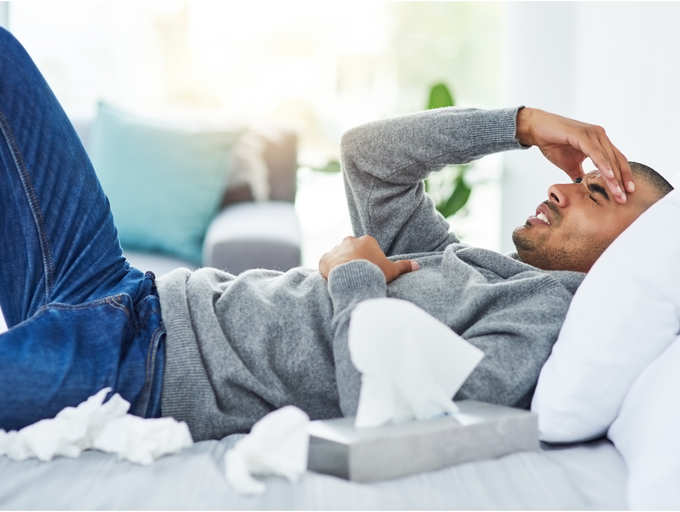
Typhoid fever is caused by Salmonella typhi bacteria, which belongs to the same family that causes a serious intestinal infection called salmonellosis. The bacteria can only be transferred by drinking or eating food and beverages contaminated with Salmonella typhi. Once being infected with the pathogen, one can spread it to others through the faecal route. The bacteria can survive for weeks in water or dried sewage.

Typhoid carriers

Even after antibiotic treatment, some infected people continue to harbour a small number of bacteria. These people are referred to as chronic carriers. They particularly may not show any signs or symptoms of infection, still shed the bacteria in their faeces, which can easily infect others. But this happens in a rare case. Only 3 to 5 per cent of people recovered from typhoid become carriers of the bacteria after the acute illness. They can be the source of new outbreaks for many years.

Prevention

The bacteria is spread through infected food and water. You must drink clean water, keep your surroundings clean and seek adequate medical help to prevent and control typhoid fever. Here are a few things you must practise regularly to prevent the bacterial infection.

Wash your hands properly: Wash your hands frequently, especially after touching contaminated surfaces, eating foods, preparing foods and coughing or sneezing.

Cleaning your hands with soap and water or 70 per cent alcohol-based sanitizers for 30 seconds is the best way to control infection.

Avoid drinking untreated water: Drinking contaminated water is the common cause of typhoid infection. Always drink bottled water or purified water. If it is not possible then boil the water before drinking it.

Clean raw fruits and vegetables: There are high chances that raw products may have been washed in contaminated water. So, do not eat any raw vegetables or fruits without washing it. Bring them home and wash them properly in clean water and baking soda solution before eating or cooking.

Eat hot foods: Avoid consuming foods that are stored at room temperature. That's because bacteria grow at a rapid speed in room temperature. Always prefer to eat hot food, even when you are out in a restaurant. 

​How to protect others from infection

In case you have been infected with the virus, you need to take extra care to prevent it from spreading to others. Here are a few things you must do to keep people around you safe:

Complete your antibiotic dose: Make sure you complete your dose of antibiotics. Leaving the treatment midway can make the bacteria resistant to antibiotics and increase the risk of complication.

Wash your hands often: This is the most important thing to do to keep from spreading the infection to others. Scrub your hands properly from 30 seconds with soap and water or alcohol-based sanitizers often.

Avoid handling food: Avoid preparing food for others till the time you are longer contagious. 

Vaccination
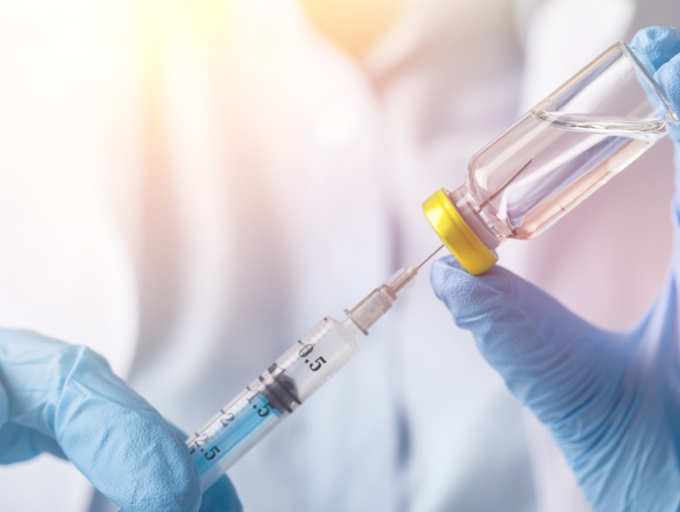
For most healthy people typhoid vaccination is not necessary. But in special cases, your doctor may recommend you to get one. You may be asked to get vaccinated if you are:

A carrier

In close contact with a carrier

Traveling to a country where typhoid is common

Most typhoid vaccines are only 50 to 80 per cent effective. Repeated immunization is required as the effectiveness wears off over time. Vaccination can be two types:

Inactivated typhoid vaccine: This vaccine is a one-dose injection and provides protection only for two years.

Live typhoid vaccine: It’s an oral vaccine given in four doses, two days apart. One needs booster shots after every five years.

None of the two vaccines provides complete protection, which makes it even more important to follow other preventive guidelines. 

Diagnosis

After entering the body, the bacteria invades the small intestine and enter the bloodstream temporarily. From there it is carried to different parts of the body like liver, spleen, and bone marrow by the white blood cells where they multiply and reenter the bloodstream. It is only at this point, people start showing mild symptoms like fever and rashes. From the bloodstream, the infection-causing bacteria enter the gallbladder, biliary system, and the lymphatic tissue of the bowel. They start multiplying rapidly and then move to the intestinal tract and pass into the stool. So, for diagnosis doctors often first physically examine the person and then prescribe a culture test, with a small sample of your blood, stool, urine or bone marrow.

Treatment

Once the traces of typhoid bacteria is confirmed in your body, the doctors often resort to antibiotic therapy to bring down the fever and tackle other symptoms. Antibiotics like Ciprofloxacin, Azithromycin and Ceftriaxone are prescribed on a usual basis. Besides, the patient is also recommended to drink plenty of fluid to prevent dehydration caused due to prolonged fever and diarrhoea.

This is only for your information, kindly take the advice of your doctor for medicines, exercises and so on.     

https://gscrochetdesigns.blogspot.com. one can see my crochet creations  
https://gseasyrecipes.blogspot.com. feel free to view for easy, simple and healthy recipes    
https://kneereplacement-stickclub.blogspot.com. for info on knee replacement


Labels: , , , , , , , , , ,

Tuesday, January 12, 2021

How vaccinated grandparents should approach visiting loved ones now

Many grandparents have one goal in mind this winter: Get vaccinated so they can see their children and grandchildren again. But is that safe if their younger family members have not yet been vaccinated?

Older adults are one of the priority groups for vaccination. After health care workers and nursing home residents are vaccinated, the US Centers for Disease Control and Prevention has said that individuals 75 years old and older -- along with other categories of essential workers -- are next in line for vaccines. In an increasing number of states, seniors are already getting vaccinated or will be vaccinated soon.
 
What happens when older adults are vaccinated, but their children and grandchildren aren't? Can grandparents now safely visit with family, or are there still certain precautions they need to take? We turned to CNN medical analyst Dr. Leana Wen, an emergency physician and visiting professor at George Washington University Milken Institute School of Public Health, for guidance. 
 
CNN: Let's start with timing. When does the vaccine give you protection after you're vaccinated? How much protection does it offer?
 
Dr. Leana Wen: Both the Pfizer and Moderna vaccines require two doses to give optimal protection. There is probably some level of immunity after one dose, but we don't know how complete the protection is and how long it lasts. The clinical trials were run with two doses, and you should definitely get both doses. Make sure you get the second dose of the same vaccine as the first (so if you got the Pfizer vaccine the first time, get the Pfizer the second time, too). Follow your provider's recommendations about when to get the second dose. The second dose of the Pfizer vaccine is typically given after three weeks and the Moderna after four weeks. 
 
After the second dose, it probably takes another two or three weeks to develop the optimal degree of immune protection.
 
Let's say you've received one dose of vaccine. After a week or two, you have some level of immunity, but you could certainly get Covid-19 if you're exposed to the coronavirus. A few weeks after the second dose, studies have shown that the vaccine efficacy is approximately 95%. That's a very high level of protection but it's not 100%. So even after getting both doses of the vaccine, you could still get Covid-19, but your chance is much lower. And if you did get it, according to what we know from clinical trials, you're probably going to have less severe disease than if you didn't get the vaccine. 
 
CNN: Once an older adult has received the second dose, and it's been three weeks, can they visit their grandchildren?
 
Wen: Maybe. The answer is not as simple as saying that someone who is vaccinated can get back to pre-pandemic life. Here's why. 
 
First, the vaccine is not 100% effective. There is still a chance that someone who has received the vaccine can get Covid-19. This is particularly true as there are many parts of the country that are undergoing substantial surges of infection. The rate of community transmission is very high, so there is still going to be a chance of contracting coronavirus even after getting vaccinated.
 
Second, the vaccine has not yet been shown to reduce transmission of the virus. We don't know if people who are vaccinated could still be carriers of the virus, even if they don't get sick. That means you could be protected yourself if you get exposed to someone with coronavirus, but you could still be a carrier of the virus. When you get together with your loved ones, you could spread it to those who aren't vaccinated.

This is only for your information, kindly take the advice of your doctor for medicines, exercises and so on.     

https://gscrochetdesigns.blogspot.com. one can see my crochet creations  
https://gseasyrecipes.blogspot.com. feel free to view for easy, simple and healthy recipes    
https://kneereplacement-stickclub.blogspot.com. for info on knee replacement


Labels: , ,

Thursday, March 26, 2020

Asymptomatic Carriers May Still Transmit Coronavirus, Says New Research

The advice from the Centers for Disease Control and Prevention, World Health Organization, and other reputable agencies on how to protect yourself from coronavirus is simple: wash your hands frequently, don't share personal items, and try to keep your distance from those who are showing symptoms. But now, new research and anecdotal evidence shows that even those without symptoms may be able to transmit the coronavirus.

While it's still unclear exactly how much of the current coronavirus outbreak has been fueled by asymptomatic, mildly symptomatic, or pre-symptomatic people, the risk is there, Nate Favini, MD, medical lead of Forward, tells Health. That's because people who are asymptomatic can still spread the virus and have high levels of the virus in their respiratory secretions, he says—something that is apparent from the rapid spread of the coronavirus. "Given the rapidity of the spread of COVID-19, it seems plausible that people who are asymptomatic or mildly symptomatic could be playing a role in spreading the virus," he says.

Deborah Birx, MD, an American family physician who's currently serving as the response coordinator for the White House Coronavirus Task Force, has also voiced concern about potential asymptomatic carriers of the coronavirus. During a White House press conference Saturday, Dr. Birx mentioned that experts are still trying to understand people—mainly those under the age of 20—who don't have "significant symptoms": "Until you really understand how many are asymptomatic and asymptomatically passing the virus on, we think it's better for the entire American public to know that the risk of serious illness may be low, but they could be potentially spreading the virus to others," she said.

One instance of this possible asymptomatic spreading took place in Massachusetts during a recent Biogen conference at the Boston Marriott Long Wharf. According to CNN, the conference took place in February, and after the meeting was over, three employees tested positive for coronavirus—but a spokesperson for the Massachusetts Department of Public Health, via CNN, noted that those three employees didn't show symptoms during the meeting. As of Monday, 108 cases of Massachusetts' total 164 coronavirus cases have been linked back to the Biogen conference.

New research from various outlets also points to asymptomatic or mildly symptomatic carriers, which may count for a significant amount of transmission. One research letter, set to be published in the CDC journal Emerging Infectious Disease, found that that time between cases in a chain of transmission is less than a week, with more than 10% of patients being infected by somebody who has the virus but does not yet have symptoms. "The data suggest that this coronavirus may spread like the flu," Lauren Ancel Meyers, a professor of integrative biology at UT Austin, who was part of a team of scientists from the United States, France, China and Hong Kong, explained in a press release. "That means we need to move quickly and aggressively to curb the emerging threat."

Two more studies—neither peer-reviewed, but posted on MedRxiv, a pre-print server founded by Yale University, the medical journal BMJ and Cold Spring Harbor Laboratory in New York—found that pre-symptomatic people were responsible for an overwhelming amount of overall spread.

One of the studies, shared by Dutch and Belgian researchers, analyzed two coronavirus clusters in Singapore and Tianjin, China, and found that between 48% and 66% of the 91 people in the Singapore region contracted the infection from someone who was pre-symptomatic, while between 62% and 77% of the 135 people caught coronavirus from someone who had yet to show symptoms in the Tianjin cluster. The other study, shared by Canadian, Dutch, and Singaporean researchers and also looked at the Singapore and Tianjin clusters, found that the coronavirus was transmitted, on average, 2.55 days before symptom onset in Singapore and 2.89 days before symptoms onset in Tianjin.


And in February, researchers in China published a research letter in the Journal of the American Medical Association, outlining a case of an asymptomatic woman in Wuhan, China who reportedly spread the virus to five family members while traveling to Anyang, China—all of whom developed COVID-19 pneumonia. "The sequence of events suggests that the coronavirus may have been transmitted by the asymptomatic carrier," wrote the study authors.

Despite the most recent information and research, US agencies, including the CDC, maintain that the coronavirus is mainly spread by symptomatic people—but according to William Haseltine, PhD, president of the global health think tank ACCESS Health International, it's this way of thinking that may render the current mode of testing for the coronavirus in the US as "dramatically ineffective."

Instead, Haseltine recommends a testing system known as "contact tracing," which, he says, has already been implemented in Singapore and South Korea. The method involves testing everyone with symptoms first; then, after identifying those with the virus, attempting to find and test every person the infected individual has come into contact with over a period of two weeks. Essentially, says Haseltine, it's not necessarily about how many tests an area has, but how they're used. "You want to catch people early, before they get sick" he says.

The information in this story is accurate as of press time. However, as the situation surrounding COVID-19 continues to evolve, it's possible that some data have changed since publication. While Health is trying to keep our stories as up-to-date as possible, we also encourage readers to stay informed on news and recommendations for their own communities by using the CDC, WHO, and their local public health department as resources.


This is only for your information, kindly take the advice of your doctor for medicines, exercises and so on.     

https://gscrochetdesigns.blogspot.com. one can see my crochet creations  
https://gseasyrecipes.blogspot.com. feel free to view for easy, simple and healthy recipes    
https://kneereplacement-stickclub.blogspot.com. for info on knee replacement

Labels: , , , , , , , , ,