Thursday, August 05, 2021

Do COVID-19 vaccines really delay your periods and menstrual cycle? Separating fact from fiction

Can getting a COVID-19 vaccine REALLY impact your period cycles? We explain
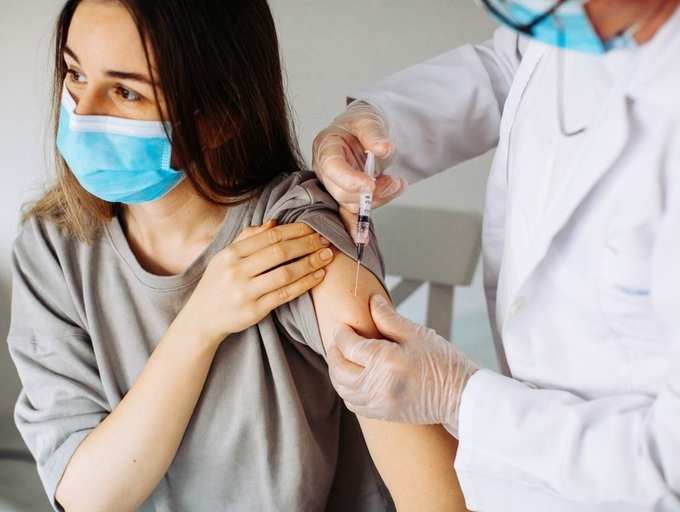
A lot has been said and discussed about coronavirus vaccines and the different, unusual side-effects they can lead to. While vaccines are known to affect every individual a bit differently, startling effects have right now been seen with women and their menstrual cycles.

From a lot of emerging evidence available globally, COVID-19 vaccines have been seen to postpone periods for some women, or 'alter' menstrual cycles altogether. The observations have made many put off vaccination, or even worry about if their 'side-effects' are alright. While a lot of women have seemingly observed these differences shortly after vaccination, no scientific evidence has been linked to the same. So, what's really causing these unusual side-effects?

What evidence do we have about COVID-19 vaccines impacting women's fertility and menstrual cycles?
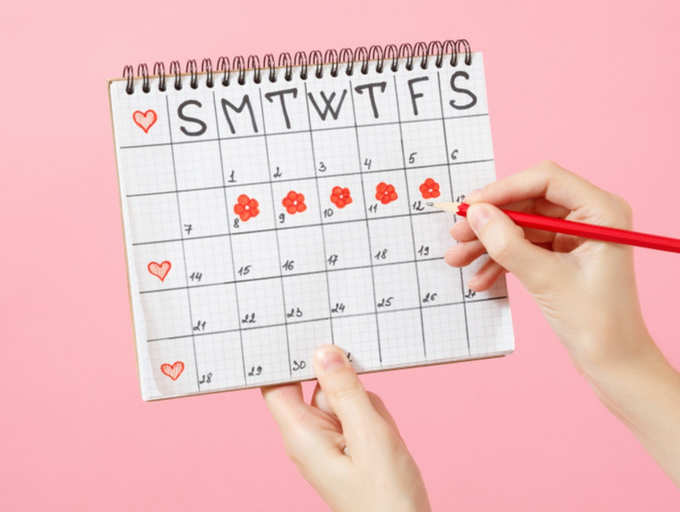
Findings from immunization data collected through the recent months have found that a peculiar side-effect of the COVID-19 vaccines could be impacting menstrual cycles. Not only has been become a wide topic of discussion on internet forums, the increasing reports have also been subjected to clinical research. Most commonly, a lot of women have reportedly experienced a delayed than usual period cycle, intense premenstrual symptoms and period pain, lighter/heavier periods and similar other changes in their cycle durations.

The side-effects have become an increasing cause of concern and worry for women all around experiencing these changes even as no concrete or scientific link between the vaccines impacting menstrual cycles have been found. 

Can your immune system bring changes to your menstrual cycle?
The strange changes, though may not be categorized as typical vaccine side-effects have become a cause of worry. While experts continue to peg them to be unrelated to vaccine's working, what doctors do feel is that the irregularities and changes could possibly be fueled by our immune system.

Although reproductive side-effects are not associated with vaccines, there's one way how our immune system could bring about changes to periods, all thanks to our hormones.

Women, unlike men, have a highly volatile hormonal system in place, and there are specific changes that come in through cycle lengths. For example, just as a woman is about to ovulate, the immune system receives a sort of a 'signal' to prevent infectious agents from disrupting the process of fertilization. Similar changes kick in once fertilization occurs successfully.

The cells present in the uterine linings also contain some immune cells, which could be affected by hormonal changes and create some mild, inflammatory reactions. So, in most cases, for women who may be in the middle or near to their ovulation cycles, the hormonal changes could drive some changes and if the ovulation doesn't happen, the vaccine could end up spelling some changes to the period cycle.

Blame it on the stress!
Apart from the above-stated factor, there's also a big pre-existing determinant that affects period-related changes, and also affects immune changes associated with the vaccine, that is stress.

Stress and anxiety are known to impact and weaken immune functioning over time. With vaccines particularly, it has been observed that a lot of the immunization-related side-effects are actually resultant of underlying stress, and not directly related to the vaccine. So, while stress has been clinically known to delay and impact periods, it can be quite possible that undue levels of stress and heightened anxiety around vaccination could also delay your periods or drive in hormonal changes.

Chemical stress- which is termed to be the reaction when medications that alter your period could also be a reason behind the delay. Women who may be relying on certain medications, such as diabetes, hypertension, thyroid or mental health disorders are more prone to suffering from menstrual irregularities, with or without a vaccine.

Are there any other effects seen with inoculation and overall fertility?

Apart from the temporary period-related changes, no effects as such have been observed on women's fertility or reproduction with respect to vaccines. While there have been a lot of falsities and misinformation around vaccines hampering fertility, or women being advised not to get jabbed during their cycles, no evidence or truth has been found about the same. Even with the menstrual changes, though unusual, these 'side-effects' have been found to be temporary in nature.

Scepticism and myths could contribute to hesitancy
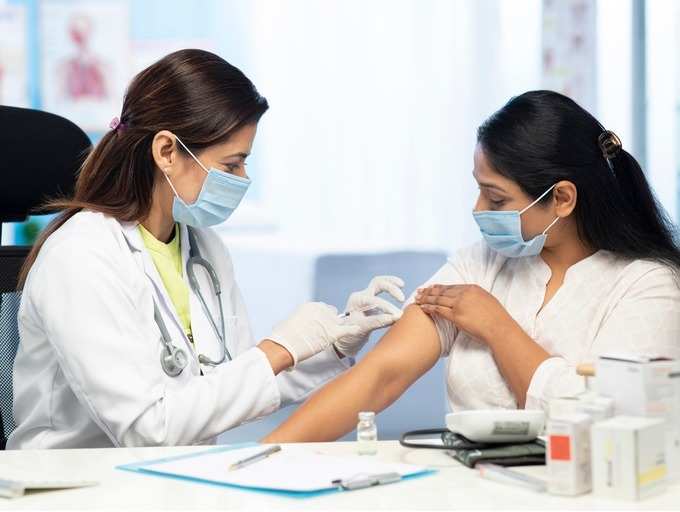
Again, while experts continue to look into the matter, experts emphasize that women worldwide must be educated on the possible side-effects, and know how to separate fact from fiction to curb any hesitancy related to inoculation. Women currently are more vulnerable to the COVID-19 risks, and also less inoculated than men. Hence, awareness, and counselling of possible side-effects will quell fears and hesitancy.

What should you really do if you observe changes?
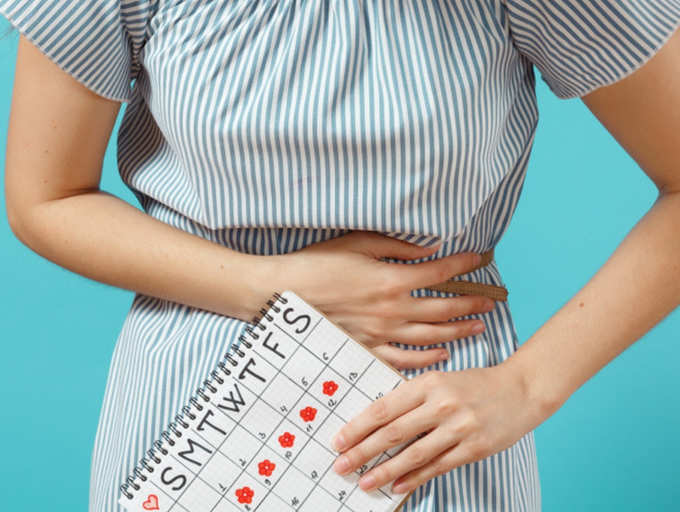
Observing period-related changes as a possible COVID-19 vaccine side-effect can happen, even if there are rarer chances of that happening. Nonetheless, not only should women be prepared to 'expect' such a side-effect, it should be remembered that any changes would be temporary in nature.

If period disruptions continue to bother you, booking a consult with a healthcare provider (preferably a gynaecologist) could help guide you on the right path. Seeking help at the right time, following preventive protocols before and after vaccination will also help women manage their hormonal changes better.

This is only for your information, kindly take the advice of your doctor for medicines, exercises and so on.   

https://gscrochetdesigns.blogspot.com. one can see my crochet creations  
https://gseasyrecipes.blogspot.com. feel free to view for easy, simple and healthy recipes    
https://kneereplacement-stickclub.blogspot.com. for info on knee replacement


Labels: , , , , ,

Thursday, June 24, 2021

What parents should know about rare cases of heart inflammation in young people after a COVID-19 vaccine

  • The CDC acknowledged Wednesday that mild heart inflammation may be a rare side effect of COVID-19 vaccination.
  • The condition, called myocarditis, is more common in young men and teenage boys, especially after their second dose.
  • COVID-19 is still a greater threat to the heart, though, which is why health experts recommend vaccination.

Federal disease investigators at the Centers for Disease Control and Prevention are keeping an eye on cases of myocarditis and perocarditis after vaccination against the coronavirus.

They're keeping an especially close watch on teenage and young adult men who've been administered two doses of Pfizer or Moderna's COVID-19 vaccines.

According to data reviewed by independent advisors to the CDC this week, it looks like they might be at slightly increased risk for developing the conditions, which can cause some chest pain in the week after vaccination.  

The good news is that it is both exceedingly rare and mild. Here's what parents need to know.


This is only for your information, kindly take the advice of your doctor for medicines, exercises and so on.   

https://gscrochetdesigns.blogspot.com. one can see my crochet creations  
https://gseasyrecipes.blogspot.com. feel free to view for easy, simple and healthy recipes    
https://kneereplacement-stickclub.blogspot.com. for info on knee replacement


Labels: , , , ,

Thursday, March 18, 2021

7 COVID-19 Vaccine Myths, Debunked by Experts

In the US, cases of COVID-19 continue to drop as more people are vaccinated against the virus. But not everyone feels comfortable getting vaccinated.

Social media is flooded with comments from people who say they won't get the vaccine over fears and concerns that, unfortunately, aren't based in truth. Doctors say that's dangerous.

"If people don't understand the science behind the vaccines [or] have their questions answered, they will be hesitant to get it," William Schaffner, MD, an infectious disease specialist and professor at the Vanderbilt University School of Medicine, tells Health. "We want people to understand the truth so they feel more comfortable and reassured that getting the vaccine is good for them."

There's also this to consider: "The vaccine can be lifesaving," Shobha Swaminathan, MD, an associate professor of medicine at Rutgers New Jersey Medical School and clinical research site leader for the Moderna COVID-19 vaccine trial, tells Health.

Whether you have someone in your life that you want help with clearing up a COVID-19 vaccine myth or have questions yourself, here's the truth behind some of the biggest vaccine inaccuracies floating around right now.

Myth 1: You can (and should) choose which COVID-19 vaccine you want

Right now, there are three COVID-19 vaccines authorized for us in the US, created by Pfizer-BioNTech, Moderna, and Johnson & Johnson, respectively. Since a lot has been reported on each of them, it's easy to form an attachment to one vaccine in particular and decide it's the one for you.

One big sticking point for many people has been the difference in efficacy between the Pfizer-BioNTech and Moderna vaccines, and the Johnson & Johnson vaccine. While the first two vaccines have an effectiveness of around 95% at preventing COVID-19, the Johnson & Johnson one is closer to 66% effective.

While that seems like a huge difference—and it definitely exists—all of the vaccines are "extremely effective" at preventing severe forms of COVID-19, Dr. Swaminathan says. "That's what we want to prevent: serious complications of COVID-19 or people dying from it," she says.

Unfortunately, we're not at the part of the pandemic—or vaccine supply—where you can pick and choose which vaccine you get.

"Right now, you're going to get what's being offered," infectious disease expert Amesh A. Adalja, MD, senior scholar at the Johns Hopkins Center for Health Security, tells Health. "Maybe there will be more choice later on, after we're out of the emergency phase of the pandemic. But we're not there yet."

If you have a known allergy to an ingredient in one of the vaccines, that's one thing, Dr. Adalja says. But trying to hold out for one vaccine over the other will just delay the time when you'll be protected against COVID-19.

"Overall, it is recommended to get the first vaccine that is available to you, whichever type that might be," Prathit Kulkarni, MD, an assistant professor of medicine in infectious diseases at Baylor College of Medicine, tells Health.

Myth 2: The COVID-19 vaccine causes infertility

Infectious disease doctors are especially frustrated with this one. "This is just made up," Dr. Adalja says. "It's a completely arbitrary statement made in the absence of evidence. I could say 'the COVID-19 vaccine makes you turn into a squirrel' and would have the same level of evidence."

In order to understand why this isn't true, it's a good idea to (quickly) recap how these vaccines work. The Pfizer-BioNTech and Moderna vaccines user a newer technology called messenger RNA (mRNA). These vaccines work by encoding a part of the spike protein that's found on the surface of SARS-CoV-2, the virus that causes COVID-19, according to the Centers for Disease Control and Prevention. The mRNA vaccines use pieces of that encoded protein from SARs-CoV-2 to create an immune response from your body. You then develop antibodies. Your body eventually eliminates the protein and the mRNA, but the antibodies stick around.

The Johnson & Johnson vaccine works more like a traditional vaccine. It uses an adenovirus, which usually causes colds, that is modified with the SARS-CoV-2 protein. The adenovirus can't reproduce in your body and won't make you sick. When you get the vaccine, the modified virus is pulled inside your cells, where it travels to the cell nucleus. The adenovirus then puts its DNA into the nucleus, your cell reads the spike protein gene, and it's copied into mRNA. Your cells start making spike proteins, which recognized by your immune system. That causes your body to make antibodies.

Based on Facebook posts circulating about this, the myth seems to be based on incorrect information that says the vaccine contains a spike protein called syncytin-1, which is associated with the function of the placenta, the organ that provide nutrients to the baby during pregnancy.

But that's not correct. The SARS-CoV-2 spike protein isn't similar to syncytin-1, and there's also no evidence that blocking syncytin-1 even causes infertility, Dr. Schaffner says.

The American College of Obstetricians and Gynecologists (ACOG) has even issued a statement debunking this. "Given the mechanism of action and the safety profile of the vaccine in non-pregnant individuals, COVID-19 mRNA vaccines [like Pfizer-BioNTech and Moderna] are not thought to cause an increased risk of infertility," ACOG said in a practice advisory. "Because it does not replicate in the cells, the [Johnson & Johnson] vaccine cannot cause infection or alter the DNA of a vaccine recipient and is also not a cause of infertility."

Dr. Swaminathan stresses that there is "absolutely no evidence whatsoever" to support the claims that the vaccines cause infertility. "Just because you say something loudly doesn't it true," she says. "The vaccines do no impact the fertility system."

Myth 3: You don't need the vaccine if you already had COVID-19

The CDC recommends that people who already had COVID-19 still get vaccinated against the virus. "People can consider delaying vaccination for 90 days after having recovered from COVID-19, but this is not an absolute requirement," Dr. Kulkarni says. "Eventually, everyone should be vaccinated."

Why? It's not known yet how long you're protected from getting the virus again after you've recovered from COVID-19, Dr. Schaffner explains. "The vaccine provides even more antibody protection than the virus itself," he says. "You are more strongly protected after you receive the vaccine." That includes protection against variants of the virus, he points out.

Myth 4: You don't have to continue wearing masks after you get the COVID-19 vaccine

This is based in half-truths. The CDC recently released guidance for fully vaccinated people and says that those who have received their full vaccinations—that means two shots of both the Moderna and Pfizer vaccines, and one shot of Johnson & Johnson's vaccine, followed by the appropriate waiting periods for each to kick in—can stop wearing masks in these situations:

  • You're indoors with other fully vaccinated people.
  • You're indoors with unvaccinated people from one other household, as long as they're considered low risk for developing severe complications from COVID-19

But the CDC stresses that it's still important to wear masks in public and when you're gathering with unvaccinated people from more than one household. Why? It's not known at this point whether you can pass on the virus to others after you've been vaccinated and how effective the vaccines are against all variants of the virus.

Myth 5: The COVID-19 vaccine will give you the virus or make you test positive for the virus

Nope. "It is biologically impossible for any of the COVID-19 vaccines to cause someone to have COVID-19," Dr. Kulkarni says. "They should also not cause a positive COVID-19 viral test."

Again, the vaccines only either contain the code to help your body make the SARS-CoV-2 spike protein or contain a modified virus with the code for the spike protein—none of them actually contain SARS-CoV-2. "The vaccines do not contain the full virus, so they can't give you COVID-19," Dr. Adalja says. "The only test you would test positive on would be an antibody test."

Myth 6: The vaccines were rushed out, so you can't trust the safety

"It's true that we've never created a vaccine on a shorter timeline," Dr. Swaminathan says. "But the vaccines went through the same rigorous processes as other vaccines. Everything just fell into place perfectly."

She points out that all COVID-19 vaccines authorized for use in the US went through the Food and Drug Administration's strict vaccine development timeline, which includes research and development, preclinical trials, three phases of clinical trials, and then FDA authorization.

It's important to point out, too, that mRNA technology has been around for decades, and was studied before for flu, Zika virus, rabies, and cytomegalovirus. It just was never in a vaccine that was authorized by the FDA.

"You can trust the safety," Dr. Schaffner says. "No corners were cut." If you want extra reassurance about the safety of the vaccines, Dr. Schaffner recommends looking at the CDC's vaccine tracker, which shows that more than 98 million vaccines have been given so far. "Nothing serious has cropped up except the very rare anaphylactic reaction in people who have had previous anaphylactic reactions," he says. (In case you're not familiar with it, an anaphylactic reaction is a severe, potentially life-threatening allergic reaction.)

Overall, Dr. Schaffner says, "these vaccines are very safe."

Myth 7: The COVID-19 vaccine will alter your DNA

Dr. Adalja says that this is "another statement made in the absence of evidence."

"The vaccines cannot alter your DNA," he says. In order for something to alter your DNA, it needs to go into the nuclear membrane of your cells, Dr. Adalja explains. "None have the ability to do that," he says. "They don't even go near your DNA on a cellular level."

Dr. Kulkarni agrees, adding, "This is not biologically feasible."

The information in this story is accurate as of press time. However, as the situation surrounding COVID-19 continues to evolve, it's possible that some data have changed since publication. While Health is trying to keep our stories as up-to-date as possible, we also encourage readers to stay informed on news and recommendations for their own communities by using the CDC, WHO, and their local public health department as resources.

This is only for your information, kindly take the advice of your doctor for medicines, exercises and so on.     

https://gscrochetdesigns.blogspot.com. one can see my crochet creations  
https://gseasyrecipes.blogspot.com. feel free to view for easy, simple and healthy recipes    
https://kneereplacement-stickclub.blogspot.com. for info on knee replacement


Labels: , , , , , , ,