Saturday, March 08, 2025

8 Great Methods For Remedying Excessive Sweating

Although there are many different ways to reduce or halt perspiration, we sometimes cannot stop the inevitable wet spots under our arms when we are exercising, stressed out, or feeling very hot. Furthermore, there’s also the unpleasant smell to deal with. Here are 8 tried and tested ways of preventing excessive sweating:

1. Antibacterial hand wash
A quick way of cleaning your armpits when there’s no possibility of taking a shower is to use wipes, then apply antibacterial hand wash. Doing so will kill the germs that cause the smell. 
 
 2. Hydrogen peroxide
Add 1 teaspoon of hydrogen peroxide to half a cup of water and apply the mixture to clean underarms in the morning. This will allow you to benefit from its antiseptic properties and help you avoid unpleasant odors throughout the day. 
 
 3. Baking soda
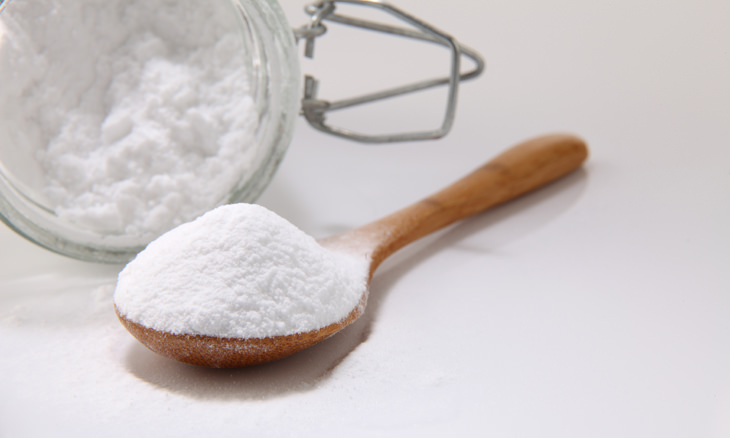
sweating
 
Baking soda has a whole range of uses, and it can also be used as a natural antiperspirant. You can apply it to slightly moist skin in the morning, then shake off the excess. If you know you’re going to have a hard day involving physical activity, you can try making this mixture and drinking it: 
 
2 tbsp baking soda 
1 tsp salt 
1 tsp sugar 
1 liter (1 qt) water 
 
Drink 1 cup of this mixture in the morning. If you find it difficult to drink all in one go, try sipping it throughout the day.


5. Alunite
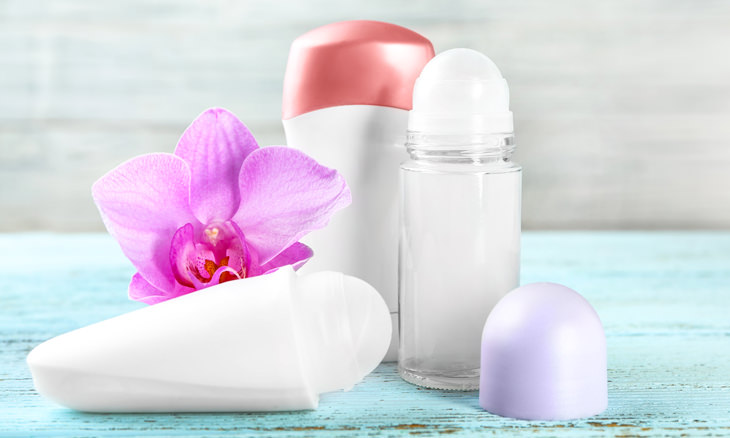
 sweating
 
Alunite is a mineral deodorant crystal that is essentially a natural counterpart of conventional deodorants. It is odorless, does not leave traces on clothing and consists of alum (alunite crystals). What’s more is that it has antiseptic, antibacterial and tonic properties. It even shrinks sweat glands! To use alunite, you need to moisten it with water and rub your armpits with it. 
 
6. Aluminum chloride 
Another way to approach excessive sweating is to look for antiperspirants with high aluminum chloride content. They reduce sweating significantly, even in very hot weather. Although you might have heard that aluminum compounds can trigger breast cancer, research into this matter has not proved that there is any link.  
 
 
7. Botox
Botox injections are becoming increasingly popular to treat hyperhidrosis, which is a clinical case of excessive sweating. Seeing as botox is a toxin, it blocks the nerve impulses leading to the sweat glands, stopping sweat from being secreted. The effect of a botox injection can last anywhere between 6 and 12 months. 
 
 
8. Laser
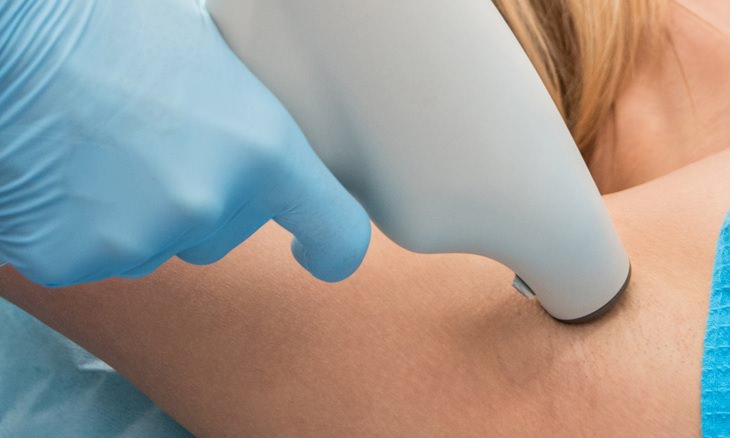
sweating
If all of the above doesn’t make a difference, the next thing to do is go to your doctor to see if you have hyperhidrosis. If you do, your sweat glands can be halted from functioning permanently with the use of a laser. 
 
Sweating involves heat regulation and removing unnecessary substances from the body, so the laser is only applied to areas where the sweating is particularly bad. Note that heavy sweating can also be a symptom of heart failure and diabetes, so you should definitely consult a doctor if you begin to sweat more than usual.


This is only for your information, kindly take the advice of your doctor for medicines, exercises and so on.   


Labels: , , , , , ,

Tuesday, February 12, 2019

All You Need to Know About Botox

Perhaps you have been considering Botox for some time and would like to know if it's safe, what the benefits are and how much it costs. More importantly, is it right for you? These are questions more than 7 million Americans who received Botox in 2017 had. The truth is that the effects of Botox can be very subtle.A  dermatologist says “My patients know they’re going to leave with a natural look." 

A good dermatologist takes the time to see how your face moves—and injects accordingly. In fact, the Dr. says “I’m observing the way you speak, laugh, frown—we go through all your emotions, so I know which muscles to inject and how much. And you should never feel pressured to get more than you’re comfortable with.” Another dermatologist confirms: “Over-treatment and improper placement are the two biggest causes of ‘bad Botox.’”
Of course, it is recommended that you start slow. A great place to start is to see an experienced dermatologist. But, if this is your first time you're considering Botox, you likely have more questions. So, before your first appointment, read on for everything you should know:
What is Botox? 
Botox is made from a protein called botulinum toxin which freezes your muscles. Dr. says “In simple terms, Botox binds to the receptors on the muscles, so that they don’t receive the signal to contract.” And as Dr.  puts it, “Botox essentially acts as a mute button between the nerve and muscle.”
This so-called mute button means you won't be able to make the movements associated with wrinkles between your eyebrows, crow's feet, and forehead lines. These three areas for cosmetic treatment are approved by the FDA. Dr. says “Botox won’t help with static wrinkles, the wrinkles that are there when you aren’t making an expression. The goal is to prevent dynamic wrinkles from becoming permanent static wrinkles.”
What are the benefits of Botox beyond reducing wrinkles?
Botox is also used to treat non-cosmetic issues like excessive sweating or eyelid twitching. Dr. says “Botox blocks the signal of the nerve telling the sweat gland to secrete sweat and relaxes the muscles around the eyes to help with twitching eyelids.”
But how did doctors come about this knowledge? Dr. notes that they did so through therapeutic observations. In addition to this, the muscle-relaxing effects also help to treat chronic migraines, overactive bladder, strabismus (crossed eyes), and maybe also depression. In fact, treatments that prevent frowning correlate with reduced negative mood, according to a study published.
Is Botox expensive, and how long does it last?
Prices vary depending on your provider. A Dr. charges patients around $150-$400 per area, such as the forehead, or around the eyes. As for what you can claim from your insurance? Botox isn't typically covered for cosmetic procedures. 
Once you've had your Botox procedure, it usually takes about five to 14 days to fully activate, and the results last anywhere from three to four months. 
Does Botox hurt?
Botox is an injection, so expect to feel a few quick pricks. If you really can't stand needles, ask your dermatologist to use numbing cream. Overall, the process is short and sweet and you can move on with your day, with just a little, mild redness. 

Is Botox safe? What are the side effects?
According to the FDA, there is a chance that the toxin can move beyond the site of injection, causing muscle weakness, double vision, urinary incontinence, and even difficulty breathing, swallowing or speaking. If any of these symptoms occur, seek medical attention ASAP, particularly in relation to swallowing and breathing difficulties which can be life-threatening. 
Still, severe side effects have never been definitively linked to dermatological use, where the doses are low. According to research conducted in this area, research shows adverse effects are more likely in therapeutic cases, where doses are much higher, and other diseases are also at play. 
According to Dr., “Botox is safe and efficacious as long as you’re in the hands of someone who’s licensed and trained.” Of course, as with any other drug, side effects are possible, albeit minor ones. Dr. says “Side effects are uncommon but include a headache, bruising, and a drooping brow or eyelid.” So, if you're one of the few people stuck with one of the latter, according to Dr., your doctor can prescribe eye drops to stimulate the eyelid muscle and raise the lid. “Or, if the brow is drooped, you can inject Botox into the muscles that pull the brow down to get some brow elevation.” This is a rare occurrence, but to be on the safe side, you can reduce your risk by seeing an experienced provider. 
So, the bottom line is that Botox is a popular treatment that comes with limited side effects when performed by an experienced dermatologist. It is not a painful treatment, and in total lasts for up to four months, however, in terms of cosmetic purposes, it is pricey.


THIS IS ONLY FOR INFORMATION, ALWAYS CONSULT YOU PHYSICIAN BEFORE HAVING ANY PARTICULAR FOOD/ MEDICATION/EXERCISE/OTHER REMEDIES.                                    PS- THOSE INTERESTED IN RECIPES ARE FREE TO  VIEW MY BLOG-                                                                                           https://gseasyrecipes.blogspot.com/       

                                                                                                                                                             FOR INFO ABOUT KNEE REPLACEMENT, YOU CAN VIEW MY BLOG-                                                  https:// kneereplacement-stickclub.blogspot.com/           
                                                                           FOR CROCHET DESIGNS                                                                                                                                                                                                  https://gscrochetdesigns.blogspot.com


Labels: , , , , , , , , , ,

Friday, January 04, 2019

Botox jabs effective, safe in reducing chronic migraine

Besides removing those wrinkles and enhancing your beauty, botox has also been proven to be effective and safe in treating chronic migraine that affects your daily activities, says a new study.

Chronic migraine is defined as at least 15 headache attacks per month for more than three months, with migraine symptoms on at least eight days every month.

The study showed that botox or botulinum toxin injections is superior to inactive placebo for preventive treatment of migraine and that it significantly reduced the frequency of chronic migraine attacks.

Botox prevents migraine headaches before they start, but takes time to work. It is injected around the pain fibres involved in the production of headaches. 


"Botulinum toxin is a safe and well-tolerated treatment that should be proposed to patients with migraine," said the researchers.


For the study, the team included nearly 3,650 patients, among which 1,550 had chronic migraine. The remaining patients had less-frequent episodic migraine headaches.

The results found that three months after injection, patients treated with botulinum toxin had an average of 1.6 fewer migraine attacks per month, compared to those treated with inactive placebo.

The improvement was apparent within two months of botulinum toxin treatment. They are repeatedly injected every three months to sustain the effects of treatment.

Although botulinum toxin had a higher rate of adverse effects compared to placebo, but none of these were serious.


Importantly, there was a significant improvement in quality of life in patients treated with botulinum toxin which was directly linked to a reduction in depressive symptoms. 

"It can be explained by the reduced impact of headaches and migraine-related disability, thus reducing symptoms of depression and anxiety," said a Professor.

Although botulinum toxin injection for chronic migraine is  government approved, there are still conflicting data regarding its effectiveness, the study said.
THIS IS ONLY FOR INFORMATION, ALWAYS CONSULT YOU PHYSICIAN BEFORE HAVING ANY PARTICULAR FOOD/ MEDICATION/EXERCISE/OTHER REMEDIES.                                                                                
 PS- THOSE INTERESTED IN RECIPES ARE FREE TO  VIEW MY BLOG-                                                                                           https://gseasyrecipes.blogspot.com/                                                                                                                                                                             FOR INFO ABOUT KNEE REPLACEMENT, YOU CAN VIEW MY BLOG-                                               
     https:// kneereplacement-stickclub.blogspot.com/                                                                                     
  FOR CROCHET DESIGNS                                                                                                                                                                                                              https://gscrochetdesigns.blogspot.com

Labels: , , , ,

Monday, November 13, 2017

Surgery can treat migraine

It makes sense to go under the knife to get rid of migraine, a study conducted by doctors has concluded. Their claim is based on follow-up results of 30 patients who underwent surgery to treat the neurovascular disease that affects 20% of the global population and is characterised by severe ache on one side of the head.
Conventionally, doctors prescribe analgesics and steroids to such patients for pain relief, but these medicines have known side-effects.

With surgery, the study claims, 14 (46.7%) out of 30 patients reported complete elimination of migraine after a year and an equal number reported significant relief of symptoms one year after the procedure. Only two (6.6%) patients failed to notice any significant improvement. 


A maxillofacial surgeon , who led the study, told that surgery for migraine involved removing some muscles of the forehead or temples that are believed to trigger the attacks by compressing neighbouring nerve branches.

Surgical treatment of migraine is being done in many countries on trial basis, but in some there have been few such attempts.

'Removal of muscles gives long-term relief'
While patients are given botox injections at the trigger site, there is at least a 50% reduction in frequency and intensity of pain, surgical removal of these muscles provides long-term relief," said a Dr. , professor and head, division of oral maxillofacial surgery.


A  plastic surgeon, noticed the benefits of surgery in migraine patients in 1990's while doing cosmetic procedures like forehead lifts.
Dr. observed that many of his patients, who were also suffering from migraine, reported significant reduction in headache. "This led to the beginning of research in this field," the  professor said. He, however, cautioned that surgery may not be a solution for all.

The professor and head of neurology  said surgical management of migraines is an innovative experiment. "It presents a very diverse approach to treat migraine and may even prove ground-breaking in future. But we would require more studies...." he said. Migraine headache is a widespread neurovascular disorder, affecting nearly 20% of the world population.

A dentist,  who underwent surgery last year, said "I... stumbled upon the possibility of surgery and opted for it. It has helped reduce the painful attacks significantly." 


THIS IS ONLY FOR INFORMATION, ALWAYS CONSULT YOU PHYSICIAN BEFORE HAVING ANY PARTICULAR FOOD/ MEDICATION/EXERCISE/OTHER REMEDIES.   
 

PS- THOSE INTERESTED IN RECIPES ARE FREE TO VIEW MY BLOG-                      

HTTP:GSEASYRECIPES.BLOGSPOT.COM/
FOR INFO ABOUT KNEE REPLACEMENT, YOU CAN VIEW MY BLOG-                                                                       
HTTP://KNEE REPLACEMENT-STICK CLUB.BLOGSPOT.COM/
FOR CROCHET DESIGNS

HTTP://MY CROCHET CREATIONS.BLOGSPOT.COM

Labels: , , , , ,

Wednesday, June 22, 2016

carpal tunnel syndrome

this is only for your information, kindly take the advice of your doctor for medicines, exercises and so on.

https://gscrochetdesigns.blogspot.com. one can see my crochet creations

https://gseasyrecipes.blogspot.com. feel free to view for easy, simple and healthy recipes

https://kneereplacement-stickclub.blogspot.com. for info on knee replacement


What is Carpal Tunnel Syndrome?
Carpal tunnel syndrome (CTS) is a medical condition in which the median nerve is compressed as it travels through the wrist at the carpal tunnel and causes pain, numbness and tingling in the part of the hand that receives sensation from the median nerve.

The main symptom of CTS is intermittent numbness of the thumb, index, and middle (long) fingers and the radial (thumb) side of the ring finger. The numbness often occurs at night, with hypothesized reasons related to sleep position - such as the wrists being held in a flexed position during sleep or sleeping on one's side.

What are the Causes?
The medical cause of CTS is a compression of the median nerve, although physicians aren’t sure what the underlying causes are. However, several common factors were found to correlate with the development of CTS:
  • Obesity
  • Oral contraceptives
  • Hypothyroidism
  • Arthritis
  • Diabetes
  • Pre-diabetes (impaired glucose tolerance)
  • Trauma to the region
Prevention
The prevention of CTS begins with comfort – reducing the levels of stress, using ergonomic equipment, and taking breaks from repetitive actions. All of these have been suggested by physicians as preventative measures for CTS. Other suggested prevention methods involve proper intake of B-vitamins, performing stretches and strength-training the joint.
Treatments
1. Acupuncture 
A recent study from 2014 found that even after a single session of acupuncture, patients displayed a significant increase in their grip strength and reported reduced symptoms.
2. Botox Injections 
Yes, the same Botox used to minimize wrinkles can also be used to stop CTS pain, according to an ongoing clinical trial at the University of Minnesota.
3. Icing

 Applying ice to your wrists twice a day for 15-20 minutes each time can significantly reduce CTS symptoms. The low temperatures reduce the local inflammation, which causes the pain.

4. Taking Steroids Orally/Injections
Steroids, taken orally or via shots are helpful in numbing the pain. They are, however, not a treatment, as they do not heal the underlying cause of CTS. If you’re taking steroids for the pain, but your median nerve is still pinched, the pain will resume once you stop taking the steroids. Furthermore, long-term use of steroids can lead to various conditions, such as high blood pressure and glaucoma, and even ruptured tendons.
5. Wearing a Splint 
A physician would recommend using a splint as the final step, before surgery is necessary. A splint will keep your wrist from moving too much, thus preventing an aggravation of the condition, eventually helping it heal. You may even have to sleep with the splint if your sleeping position is what caused the pinching of the median nerve.
6. Self-Massage
Grab some lotion and massage your hands by using your fingers to rub along and in between the fingers, as well as the palm and the wrist, and even your forearm. Repeat this twice per day, for about 15 minutes for best results.
7. Using Ergonomic Equipment 
8. Carpal Tunnel Stretches
Recommended by many physiotherapists, these simple stretches can help relieve and treat CTS. 
 
9. Wet Cupping
This is an old Chinese medicinal technique, in which the therapist pricks the skin in acupuncture points, and then places glass cups on these spots to create suction. In 2009,  a study  found that this technique is quite effective in relieving CTS symptoms within a week.

10. Yoga


Labels: , , , , , , , , , ,

Friday, October 02, 2015

Everything you want to know about Carpal Tunnel Syndrome

THIS IS ONLY FOR INFORMATION, ALWAYS CONSULT YOU PHYSICIAN BEFORE HAVING ANY PARTICULAR FOOD/ MEDICATION/EXERCISE/OTHER REMEDIES.


PS- THOSE INTERESTED IN RECIPES ARE FREE TO VIEW MY BLOG-
HTTP:GSEASYRECIPES.BLOGSPOT.COM


FOR INFO ABOUT KNEE REPLACEMENT, YOU CAN VIEW MY BLOG
HTTP://KNEE REPLACEMENT-STICK CLUB.BLOGSPOT.COM/

FOR CROCHET DESIGNS- http://My Crochet Creations.blogspot.com/
 
 
You’ve probably heard of the carpal tunnel syndrome before, and if you’re suffering from it, you know that it can start off as a mild inconvenience and turn into a truly disabling affliction if left untreated. In severe cases, a surgical operation may be required, but it’s actually quite easy to prevent an exacerbation of this problem, and even make it go away.
What is “Carpal Tunnel Syndrome”?
CTS

Carpal tunnel syndrome (CTS) is a medical condition in which the median nerve is compressed as it travels through the wrist at the carpal tunnel and causes pain, numbness and tingling in the part of the hand that receives sensation from the median nerve.
The main symptom of CTS is intermittent numbness of the thumb, index, and middle (long) fingers and the radial (thumb) side of the ring finger. The numbness often occurs at night, with hypothesized reasons related to sleep position - such as the wrists being held in a flexed position during sleep or sleeping on one's side. 
What are the Causes?
The medical cause of CTS is a compression of the median nerve, although physicians aren’t sure what the underlying causes are. However, several common factors were found to correlate with the development of CTS:
Obesity
Oral contraceptives
Hypothyroidism
Arthritis
Diabetes
Pre-diabetes (impaired glucose tolerance)
Trauma to the region
Prevention
The prevention of CTS begins with comfort – reducing the levels of stress, using ergonomic equipment, and taking breaks from repetitive actions. All of these have been suggested by physicians as preventative measures for CTS. Other suggested prevention methods involve proper intake of B-vitamins, performing stretches and strength-training the joint.
Treatments
Acupuncture
A recent study from 2014 found that even after a single session of acupuncture, patients displayed a significant increase in their grip strength and reported reduced symptoms.

Botox Injections
Yes, the same Botox used to minimize wrinkles can also be used to stop CTS pain, according to an ongoing clinical trial in the University of Minnesota.
Icing
Applying ice to your wrists twice a day for 15-20 minutes each time can significantly reduce CTS symptoms. The low temperatures reduce the local inflammation, which causes the pain.

 
Taking Steroids Orally/Injections
Steroids, taken orally or via shots are helpful in numbing the pain. They are, however, not a treatment, as they do not heal the underlying cause of CTS. If you’re taking steroids for the pain, but your median nerve is still pinched, the pain will resume once you stop taking the steroids. Furthermore, long-term use of steroids can lead to various conditions, such as high blood pressure and glaucoma, and even ruptured tendons.
Wearing a Splint
A physician would recommend using a splint as the final step, before a surgery is necessary. A split will keep your wrist from moving too much, thus preventing an aggravation of the condition, eventually helping it heal. You may even have to sleep with the splint if your sleeping position is what causes the pinching of the median nerve.

Self-Massage
Grab some lotion and massage your hands by using your fingers to rub along and in between the fingers, as well as the palm and the wrist, and even your forearm. Repeat this twice per day, for about 15 minutes for best results.
Using Ergonomic Equipment             
If you work in front of a computer, invest in ergonomic mouse pad and an ergonomic keyboard for starters. Also invest in a chair with good posture support. Remember: the best angle for your elbows is 90 degrees, with your fingers lightly touching the keyboard.

Wet Cupping
This is an old Chinese medicinal technique, in which the therapist pricks the skin in acupuncture points, and then places glass cups on these spots to create suction. In 2009, German scientists conducted a study and found that this technique is quite effective in relieving CTS symptoms within a week.
Yoga
By performing a type of yoga called Iyengar yoga, which improves body and posture alignment, CTS patients reported reduced symptomology. Scientists assume that the reason is the easing of the pressure on the nerves.

Labels: , , , , ,