Thursday, September 25, 2025

Is Urinating At Night a Symptom Of Something More Serious?

When you body goes into rest mode every night, your bladder switches gears and produces less, but more concentrated urine to let you sleep without interruption. This balance can be cut short by a variety of factors, including disease. And while the majority of people need a nighttime detour to the bathroom because of the glass of wine they had in the evening and have nothing to worry about, frequent and multiple nighttime urination is a red flag. 
 
Even so, nocturia (the scientific term for frequent nighttime urination) may be caused by a disease, there are some benign causes, among which are the following:

Diuretic medications 
 
Caffeine 
 
Alcohol 
 
Excessive fluids before bedtime. 
 
As a symptom, nocturia can point to a variety of diseases, from urinary infections to neurological diseases and everything in-between. Scroll down to read about each cause.

1. Obstructive Sleep Apnea
 nocturia Obstructive Sleep Apnea
 
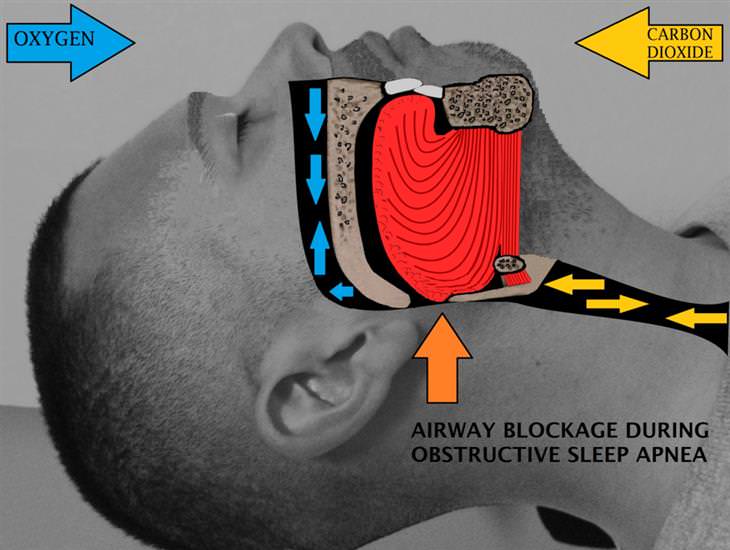
Nighttime urination is so prevalent in sleep apnea that it became a tell-tale sign of the disease, as significant as snoring, but many people don’t suspect that sleep apnea may be the cause of frequent nighttime urination. The American Sleep Apnea Association mentions that over 84% of patients suffering from sleep apnea reported nocturia.

Many patients with untreated sleep apnea report 6 or more nighttime bathroom trips. The underlying mechanism of nocturia in sleep apnea is unclear, but it is known that patients who start a treatment targeting sleep apnea find that it resolves the nightly bathroom breaks almost completely.

2. Bladder Prolapse
A bladder prolapse can happen when a woman’s bladder is poorly supported by pelvic muscles and ligaments, as a result, it descends to the vaginal wall. Patients with even a minor prolapse complain about nocturia, and bladder prolapse is one of the leading causes of nocturia in women.


In this condition, nighttime urination likely occurs because the tension of the vagina can aggravate the bladder when in a horizontal position, and one gets the urge to urinate, even when the bladder isn’t full.

3. Enlarged Prostate

 nocturia Enlarged Prostate
 
 
An enlarged prostate is called benign prostatic hyperplasia (BPH) in medical terms. In patients suffering from BPH, the urinary tract changes its shape and functionality together with the enlargement of the prostate.

BPH is one of the major causes of nocturia in males, which is brought about by increased bladder sensation and the narrowing of the urethra, which can make you feel an urgency to urinate, even when your bladder is nearly empty. In these cases, nocturia is not the only symptom and an increased need to urinate and incontinence are also observed.

4. Anxiety and Depression
Mental problems, such as anxiety and depression may manifest themselves in the form of nocturia, too. Although the exact link between these 2 conditions is unknown, nocturia is believed to be a side effect of sleep disturbances that come with anxiety and depression.

In these cases, it’s not the need to empty the bladder that wakes a person up, but they take a trip to the bathroom when they’re already up. To stop both the nocturia and the sleep disturbances, it is recommended to try to relax before sleep, either by doing breathing exercises, aromatherapy, or meditation
It is also a good idea to avoid evening naps, nighttime meals and caffeinated drinks in the evenings.
 
 
5. UTIs
One of the most common causes of nocturia are a urinary tract infections (UTIs), cystitis, as well as bladder or kidney infections. These infections of the urinary system usually cause frequent burning sensations before, during and after urination, as well as the urgency to urinate during the day and night. 
 
Other symptoms of these infections include changes in urine, fever, pain in the lover back and lower pelvis.

6. Swelling of the legs ( edema)
 nocturia UTIs Swelling of the Legs (Edema)
 
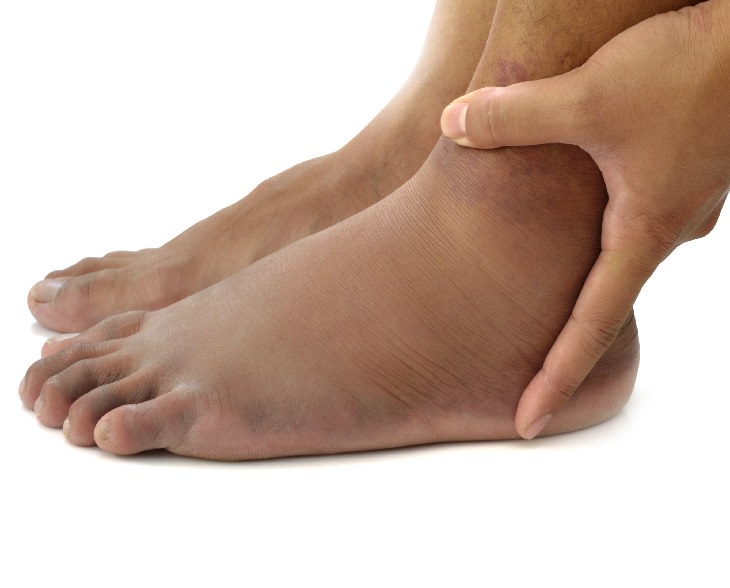
There are many causes of edema, ranging from liver failure to heart disease, but all of these conditions cause excess water buildup in the tissues of the extremities.

This extra fluid has to go somewhere, so the body transports this fluid to the kidneys to excrete it from the body, which usually happens at night. This way, patients suffering from leg swelling may have to take a few night trips to the bathroom.
 
7. Multiple Sclerosis
People who suffer from multiple sclerosis, too, can experience nocturia, with an estimated 80 percent having some sort of bladder dysfunction during the progression of the disease, with some patients having to wake up 5-8 time during the night, feeling the urge to urinate.

This symptom occurs because MS patients have suffered damage to the nervous system, which may result in the disruption of nerve signals connected to the functioning of the bladder.

8. Parkinson's Disease
Parkinson's disease (PD) is the 2nd most common neurodegenerative disease. In the course of the disease, patient most commonly experience motor control difficulties, but as much as 60% of PD patients also have bladder symptoms.

Although the causes of nocturia in PD are poorly understood, it was suggested that it may be due to higher quantities of urine production or a lower capacity of the bladder.

9. Overactive Bladder
An overactive bladder is a diagnosis encompassing a variety of conditions that all have the same symptom: a sudden unstoppable urge to urinate. Nocturia is one of the symptoms of an overactive bladder, and it is more common in people over the age of 60, but it has also been reported that one in three adults over the age of 30 needs 2 or more nighttime bathroom trips as well. 
 
Other symptoms of an overactive bladder include a sudden uncontrollable urge to urinate, frequent incontinence, and more than 8 bathroom breaks in a 24-hour period. The reasons of this conditions are unknown, and therapy includes a variety of exercise, dietary restrictions, botox injections and even electro-stimulation.


10. Tumours in Pelvic Area
Both malignant and benign tumors of the organs of the lower abdomen, such as kidneys, reproductive organs and the digestive system may cause nighttime urination, as the tumor may press against the bladder, making it smaller and capable of holding less urine. 
 
This will usually cause not only nocturia, but also incontinence and frequent urination during the day time.


11. Diabetes
Having high blood glucose levels can make the body get rid of excess glucose through urine. The more sugar the urine contains, the more it stimulates urine production. 
 
This will make you urinate more often throughout the day and night, and it will also bring about the sensation of thirst. There is also a form of diabetes called diabetes insipidus that causes excess urination, with some patients urinating 20 liters (5.28 gallons) more than a normal person every day.


This is only for your information, kindly take the advice of your doctor for medicines, exercises and so on.   


Labels: , , , , , , , , , , ,

Sunday, April 07, 2019

Causes of Nighttime Urination

When you body goes into rest mode every night, your bladder switches gears and produces less, but more concentrated urine to let you sleep without interruption. This balance can be cut short by a variety of factors, including disease. And while the majority of people need a nighttime detour to the bathroom because of the glass of wine they had in the evening and have nothing to worry about, frequent and multiple nighttime urination is a red flag.
Even so, nocturia (the scientific term for frequent nighttime urination) may be caused by a disease, there are some benign causes, among which are the following:

    Diuretic medications
    Caffeine
    Alcohol
    Excessive fluids before bedtime.

As a symptom, nocturia can point to a variety of diseases, from urinary infections to neurological diseases and everything in-between. Scroll down to read about each cause.


1. Obstructive Sleep Apnea

Nighttime urination is so prevalent in sleep apnea that it became a tell-tale sign of the disease, as significant as snoring, but many people don’t suspect that sleep apnea may be the cause of frequent nighttime urination. The American Sleep Apnea Association mentions that over 84% of patients suffering from sleep apnea reported nocturia.


Many patients with untreated sleep apnea report 6 or more nighttime bathroom trips. The underlying mechanism of nocturia in sleep apnea is unclear, but it is known that patients who start a treatment targeting sleep apnea find that it resolves the nightly bathroom breaks almost completely.


2. Bladder Prolapse
A bladder prolapse can happen when a woman’s bladder is poorly supported by pelvic muscles and ligaments, as a result, it descends to the vaginal wall. Patients with even a minor prolapse complain about nocturia, and bladder prolapse is one of the leading causes of nocturia in women.


In this condition, nighttime urination likely occurs because the tension of the vagina can aggravate the bladder when in a horizontal position, and one gets the urge to urinate, even when the bladder isn’t full.


3. Enlarged Prostate

 nocturia Enlarged ProstateAn enlarged prostate is called benign prostatic hyperplasia (BPH) in medical terms. In patients suffering from BPH, the urinary tract changes its shape and functionality together with the enlargement of the prostate.

BPH is one of the major causes of nocturia in males, which is brought about by increased bladder sensation and the narrowing of the urethra, which can make you feel an urgency to urinate, even when your bladder is nearly empty. In these cases, nocturia is not the only symptom and an increased need to urinate and incontinence are also observed.


4. Anxiety and Depression
Mental problems, such as anxiety and depression may manifest themselves in the form of nocturia, too. Although the exact link between these 2 conditions is unknown, nocturia is believed to be a side effect of sleep disturbances that come with anxiety and depression.


In these cases, it’s not the need to empty the bladder that wakes a person up, but they take a trip to the bathroom when they’re already up. To stop both the nocturia and the sleep disturbances, it is recommended to try to relax before sleep, either by doing breathing exercises, aromatherapy, or meditation.


It is also a good idea to avoid evening naps, nighttime meals and caffeinated drinks in the evenings.


5. UTIs
One of the most common causes of nocturia are a urinary tract infections (UTIs), cystitis, as well as bladder or kidney infections. These infections of the urinary system usually cause frequent burning sensations before, during and after urination, as well as the urgency to urinate during the day and night.


Other symptoms of these infections include changes in urine, fever, pain in the lover back and lower pelvis.


6. Swelling of the Legs (Edema)
There are many causes of edema, ranging from liver failure to heart disease, but all of these conditions cause excess water buildup in the tissues of the extremities.


This extra fluid has to go somewhere, so the body transports this fluid to the kidneys to excrete it from the body, which usually happens at night. This way, patients suffering from leg swelling may have to take a few night trips to the bathroom.


7. Multiple Sclerosis
People who suffer from multiple sclerosis, too, can experience nocturia, with an estimated 80 percent having some sort of bladder dysfunction during the progression of the disease, with some patients having to wake up 5-8 time during the night, feeling the urge to urinate.


This symptom occurs because MS patients have suffered damage to the nervous system, which may result in the disruption of nerve signals connected to the functioning of the bladder.


8. Parkinson’s Disease
Parkinson's disease (PD) is the 2nd most common neurodegenerative disease. In the course of the disease, patient most commonly experience motor control difficulties, but as much as 60% of PD patients also have bladder symptoms.


Although the causes of nocturia in PD are poorly understood, it was suggested that it may be due to higher quantities of urine production or a lower capacity of the bladder.


9. Overactive Bladder
An overactive bladder is a diagnosis encompassing a variety of conditions that all have the same symptom: a sudden unstoppable urge to urinate. Nocturia is one of the symptoms of an overactive bladder, and it is more common in people over the age of 60, but it has also been reported that one in three adults over the age of 30 needs 2 or more nighttime bathroom trips as well.


Other symptoms of an overactive bladder include a sudden uncontrollable urge to urinate, frequent incontinence, and more than 8 bathroom breaks in a 24-hour period. The reasons of this conditions are unknown, and therapy includes a variety of exercise, dietary restrictions, botox injections and even electro stimulation.


10. Tumors In the Pelvic Area
Both malignant and benign tumors of the organs of the lower abdomen, such as kidneys, reproductive organs and the digestive system may cause nighttime urination, as the tumor may press against the bladder, making it smaller and capable of holding less urine.


This will usually cause not only nocturia, but also incontinence and frequent urination during the day time.


11. Diabetes
Having high blood glucose levels can make the body get rid of excess glucose through urine. The more sugar the urine contains, the more it stimulates urine production.


This will make you urinate more often throughout the day and night, and it will also bring about the sensation of thirst. There is also a form of diabetes called diabetes insipidus that causes excess urination, with some patients urinating 20 litres (5.28 gallons) more than a normal person every day.


Please keep in mind that the information contained in this article is presented for informative purposes only. If you experience nocturia or any other suspicious symptoms, make sure to get a diagnosis by a specialist.
 

THIS IS ONLY FOR INFORMATION, ALWAYS CONSULT YOU PHYSICIAN BEFORE HAVING ANY PARTICULAR FOOD/ MEDICATION/EXERCISE/OTHER REMEDIES.                                    PS- THOSE INTERESTED IN RECIPES ARE FREE TO  VIEW MY BLOG-                                                                                           https://gseasyrecipes.blogspot.com/                                                                                                                                                         FOR INFO ABOUT KNEE REPLACEMENT, YOU CAN VIEW MY BLOG-                                                  https:// kneereplacement-stickclub.blogspot.com/           


                   FOR CROCHET DESIGNS                                                                                                                                                                                                  https://gscrochetdesigns.blogspot.com

Labels: , , , , , , , , , , , , ,

Tuesday, February 12, 2019

All You Need to Know About Botox

Perhaps you have been considering Botox for some time and would like to know if it's safe, what the benefits are and how much it costs. More importantly, is it right for you? These are questions more than 7 million Americans who received Botox in 2017 had. The truth is that the effects of Botox can be very subtle.A  dermatologist says “My patients know they’re going to leave with a natural look." 

A good dermatologist takes the time to see how your face moves—and injects accordingly. In fact, the Dr. says “I’m observing the way you speak, laugh, frown—we go through all your emotions, so I know which muscles to inject and how much. And you should never feel pressured to get more than you’re comfortable with.” Another dermatologist confirms: “Over-treatment and improper placement are the two biggest causes of ‘bad Botox.’”
Of course, it is recommended that you start slow. A great place to start is to see an experienced dermatologist. But, if this is your first time you're considering Botox, you likely have more questions. So, before your first appointment, read on for everything you should know:
What is Botox? 
Botox is made from a protein called botulinum toxin which freezes your muscles. Dr. says “In simple terms, Botox binds to the receptors on the muscles, so that they don’t receive the signal to contract.” And as Dr.  puts it, “Botox essentially acts as a mute button between the nerve and muscle.”
This so-called mute button means you won't be able to make the movements associated with wrinkles between your eyebrows, crow's feet, and forehead lines. These three areas for cosmetic treatment are approved by the FDA. Dr. says “Botox won’t help with static wrinkles, the wrinkles that are there when you aren’t making an expression. The goal is to prevent dynamic wrinkles from becoming permanent static wrinkles.”
What are the benefits of Botox beyond reducing wrinkles?
Botox is also used to treat non-cosmetic issues like excessive sweating or eyelid twitching. Dr. says “Botox blocks the signal of the nerve telling the sweat gland to secrete sweat and relaxes the muscles around the eyes to help with twitching eyelids.”
But how did doctors come about this knowledge? Dr. notes that they did so through therapeutic observations. In addition to this, the muscle-relaxing effects also help to treat chronic migraines, overactive bladder, strabismus (crossed eyes), and maybe also depression. In fact, treatments that prevent frowning correlate with reduced negative mood, according to a study published.
Is Botox expensive, and how long does it last?
Prices vary depending on your provider. A Dr. charges patients around $150-$400 per area, such as the forehead, or around the eyes. As for what you can claim from your insurance? Botox isn't typically covered for cosmetic procedures. 
Once you've had your Botox procedure, it usually takes about five to 14 days to fully activate, and the results last anywhere from three to four months. 
Does Botox hurt?
Botox is an injection, so expect to feel a few quick pricks. If you really can't stand needles, ask your dermatologist to use numbing cream. Overall, the process is short and sweet and you can move on with your day, with just a little, mild redness. 

Is Botox safe? What are the side effects?
According to the FDA, there is a chance that the toxin can move beyond the site of injection, causing muscle weakness, double vision, urinary incontinence, and even difficulty breathing, swallowing or speaking. If any of these symptoms occur, seek medical attention ASAP, particularly in relation to swallowing and breathing difficulties which can be life-threatening. 
Still, severe side effects have never been definitively linked to dermatological use, where the doses are low. According to research conducted in this area, research shows adverse effects are more likely in therapeutic cases, where doses are much higher, and other diseases are also at play. 
According to Dr., “Botox is safe and efficacious as long as you’re in the hands of someone who’s licensed and trained.” Of course, as with any other drug, side effects are possible, albeit minor ones. Dr. says “Side effects are uncommon but include a headache, bruising, and a drooping brow or eyelid.” So, if you're one of the few people stuck with one of the latter, according to Dr., your doctor can prescribe eye drops to stimulate the eyelid muscle and raise the lid. “Or, if the brow is drooped, you can inject Botox into the muscles that pull the brow down to get some brow elevation.” This is a rare occurrence, but to be on the safe side, you can reduce your risk by seeing an experienced provider. 
So, the bottom line is that Botox is a popular treatment that comes with limited side effects when performed by an experienced dermatologist. It is not a painful treatment, and in total lasts for up to four months, however, in terms of cosmetic purposes, it is pricey.


THIS IS ONLY FOR INFORMATION, ALWAYS CONSULT YOU PHYSICIAN BEFORE HAVING ANY PARTICULAR FOOD/ MEDICATION/EXERCISE/OTHER REMEDIES.                                    PS- THOSE INTERESTED IN RECIPES ARE FREE TO  VIEW MY BLOG-                                                                                           https://gseasyrecipes.blogspot.com/       

                                                                                                                                                             FOR INFO ABOUT KNEE REPLACEMENT, YOU CAN VIEW MY BLOG-                                                  https:// kneereplacement-stickclub.blogspot.com/           
                                                                           FOR CROCHET DESIGNS                                                                                                                                                                                                  https://gscrochetdesigns.blogspot.com


Labels: , , , , , , , , , ,