Thursday, May 26, 2022

Monkeypox early signs in kids can be more...', Don't ignore these chickenpox-like symptoms
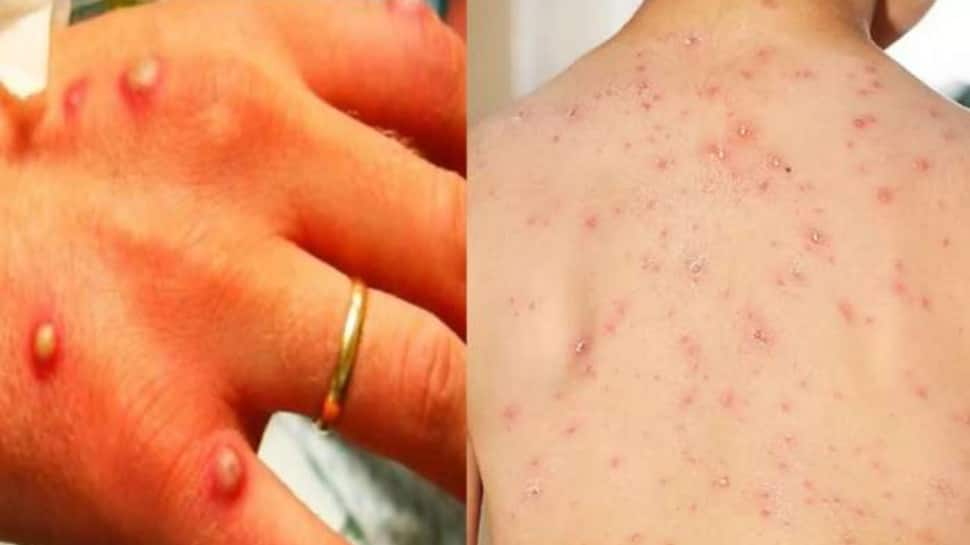
'Monkeypox early signs in kids can be more...', Don't ignore these chickenpox-like symptoms 

As Monkeypox cases continue to rise and spread across the globe, especially in Europe and America, the WHO has issued health advisories to watch out for and keep a check on any further spread of the rare virus. While the symptoms of Monkeypox are quite easy to catch in adults, with kids the task becomes more difficult as the early signs are more or less similar to smallpox or chickenpox. However, parents must note that Monkeypox can attack your kids too and thus, it is significant to monitor any change in your child’s body and be mindful of any unusual symptoms that may emerge. As Monkeypox viral is difficult to be recognised in kids, here are some common early signs of Monkeypox that one must watch out for in children.

According to health experts, some of the most common early symptoms of Monkeypox in kids are:

  • Moderate to High fever
  • Rashes
  • Body aches
  • Lymph nodes
  • Excessive exertion

Signs to watch out for

Rashes

Parents must note that in Monkeypox, rashes begin to appear on the 2nd or 3rd from the onset of infection and other symptoms and usually appear first on the face and spread to the hands, palms and finally feet. The rashes are mostly fluid-filled.

Fever

As per experts, the fever in kids suffering from Monkeypox viral is comparatively higher than the adults. It remains on the scale of 101 F to 102 F or higher. Make sure you get the immediate professional medical help if you see these symptoms in your kid.

Monkepox: How to prevent kids from getting the virus

  • Hand hygiene- Make sure your kids wash their hands for 20 seconds with soap and water or an alcohol-based sanitiser.
  • Prevention of animal to human transmission.
  • Cook meat thoroughly.
  • Avoid any contact with a person who has a rash or fever
  • Avoid contact with any fluid or object from a sick patient.

Monkepox cases in the world

The more than 100 suspected and confirmed cases in the recent outbreak in Europe and North America have not been severe, the WHO`s emerging diseases and zoonoses lead and technical lead on COVID-19, Maria van Kerkhove said on Monday.

UKHSA has advised that high-risk close contacts of confirmed cases should isolate for 21 days.


This is only for your information, kindly take the advice of your doctor for medicines, exercises and so on.   

https://gscrochetdesigns.blogspot.com. one can see my crochet creations  
https://gseasyrecipes.blogspot.com. feel free to view for easy, simple and healthy recipes    
https://kneereplacement-stickclub.blogspot.com. for info on knee replacement

Labels: , , , , , , , , , ,

Saturday, December 15, 2018

Here are 10 ways to avoid H1N1 infection

At least 90 people have reportedly died of swine flu in Maharashtra since January this year. According to a report, statistics  revealed that a total of 88 deaths due to H1N1 virus infection have been reported till Tuesday (September 25, 2018) in the state - with Nashik, Pimpri Chinchwad, Ahmednagar, and Pune being the most affected areas. Also, as many as 892 swine flu positive cases, including eight from other states, have been recorded in Maharashtra, said the report.

Swine influenza virus, also known as swine flu or H1N1 flu, is a respiratory infection caused by type A influenza viruses that regularly cause outbreaks of influenza in pigs. Swine flu viruses normally do not affect humans, however, human infections can and do happen. The first human respiratory infection caused by a particular influenza virus H1N1 strain (popularly known as swine flu) was identified in Mexico in 2009. Swine flu is now considered a normal type of seasonal flu and is included in the annual flu vaccine. The virus is contagious and can spread from person to person. However, individuals with regular exposure to pigs are at an increased risk of swine flu infection.

Swine flu signs and symptoms

The signs and symptoms of swine flu in humans are similar to the symptoms of other regular flu strains  and may include the following - such
  • Fever
  • Cough
  • Sore throat
  • Runny or stuffy nose
  • Watery, red eyes
  • Body aches
  • Headache
  • Chills and fatigue
  • Diarrhoea
  • Nausea and vomiting
If you or any member of your family member has symptoms of flu or fever, seek medical help. Swine flu, like the regular flu, can lead to more serious health problems, such as pneumonia, a lung infection, and other breathing problems. An infection of H1N1 virus can make other illnesses like diabetes or asthma worse.
 
Swine flu infection is treated using antiviral drugs - such as oseltamivir (Tamiflu) and zanamivir (Relenza) - to help relieve the symptoms. These medications are generally particularly reserved for individuals at a higher risk of complications. Patients should also take plenty of fluids and rest well.

How to prevent spreading or catching swine flu infection

  • Get vaccinated against the flu.
  • Wash your hands properly - you can also use an alcohol-based hand sanitiser.
  • Avoid touching your eyes, nose or mouth - germs spread this way and can get into your body through these areas.
  • Always cover your nose and mouth with a tissue when you cough or sneeze. Make sure that you throw the tissues in the trash after you have used them.
  • Eat only properly handled cooked food
  • Avoid contact with people suffering from swine flu
  • Wear masks on the mouth
  • Stay away from work or school if you are sick or have H1N1 flu.
  • Get enough sleep, at least 8 hours each night
  • Make sure you're getting enough vitamin C
  • Change clothes, shoes once home, wash up your body
  • Ventilate your house well, let fresh air and sunshine in
  • Keep surfaces of keyboards, door handles, tabletops etc clean
In case, someone in your household falls ill with swine flu, designate only one family member to take care of the ill person. This will help reduce exposure to H1N1 flu within your household.

THIS IS ONLY FOR INFORMATION, ALWAYS CONSULT YOU PHYSICIAN BEFORE HAVING ANY PARTICULAR FOOD/ MEDICATION/EXERCISE/OTHER REMEDIES.                                                                                                                                                                                                                                                                                        PS- THOSE INTERESTED IN RECIPES ARE FREE TO  VIEW MY BLOG-                                                                                           https://gseasyrecipes.blogspot.com/                                                                                                                                                                             FOR INFO ABOUT KNEE REPLACEMENT, YOU CAN VIEW MY BLOG-                                                                                                                             https:// kneereplacement-stickclub.blogspot.com/                                                                                       FOR CROCHET DESIGNS                                                                                                                                                                                                                                 https://gscrochetdesigns.blogspot.com   

Labels: , , , , , , , , , , , , , , , , ,