Thursday, March 24, 2022

Weight loss: Which is the healthiest and lightest dal?

The best dal for weight loss
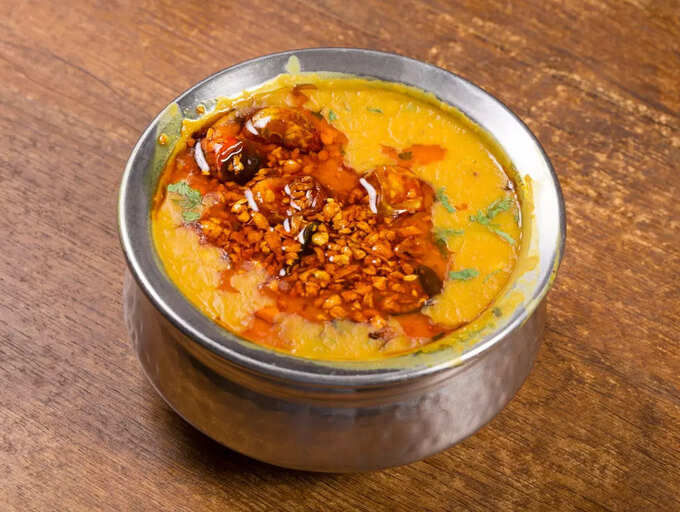
A warm bowl of rice with dal and a teaspoon of ghee makes a delicious meal. The easy to make dish has been vouched by nutritionists as healthy and perfect for all those trying to shed kilos. But what confuses people is the type of dals they should pick from the variety of options available. There are more than 10 types of dal, all taste different and have different health benefits. So, if you too are confused about which one you should go for, we are here to make the process easier for you.

Dal for weight loss
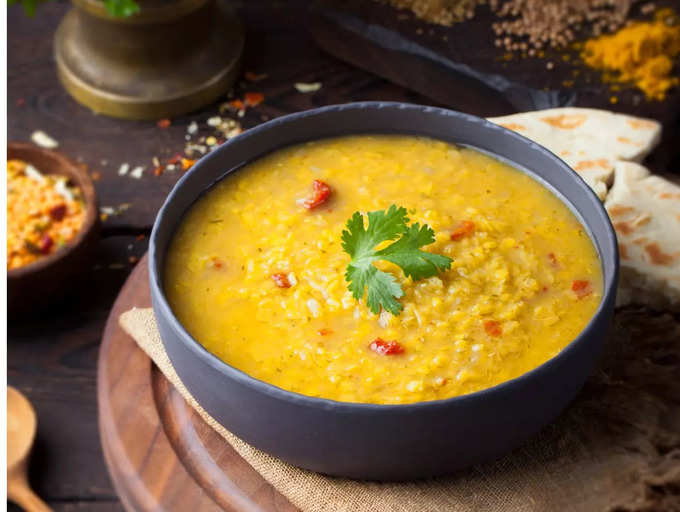
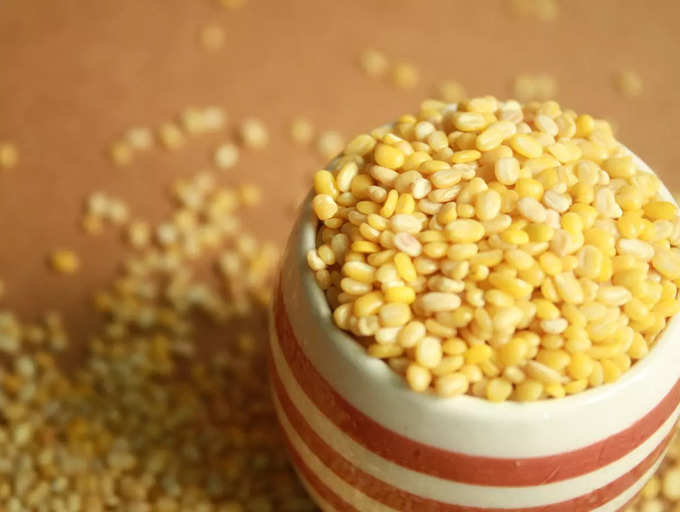
Lentil or dal is a source of protein. Besides, they are also loaded with healthy vitamins and minerals. Generally, you must include all in your diet from time to time. But when we discuss the one extremely helpful for weight loss, then yellow moong dal or yellow split gram is the best choice. This dal or lentils is low in calories and light. It is easy for your stomach to digest and the risk of constipation is also low.

​Nutrient value

One cup (200 grams) of yellow moong dal contains:

Calories: 212

Fat: 0.8 grams

Protein: 14.2 grams

Carbs: 38.7 grams

Fiber: 15.4 grams

This variety of moong dal is rich in folate, manganese, vitamin B1, phosphorus, iron, copper, potassium and zinc. All these trace minerals help to build your immune health and increase the efficiency of the organs. 

Yellow moong dal for weight loss
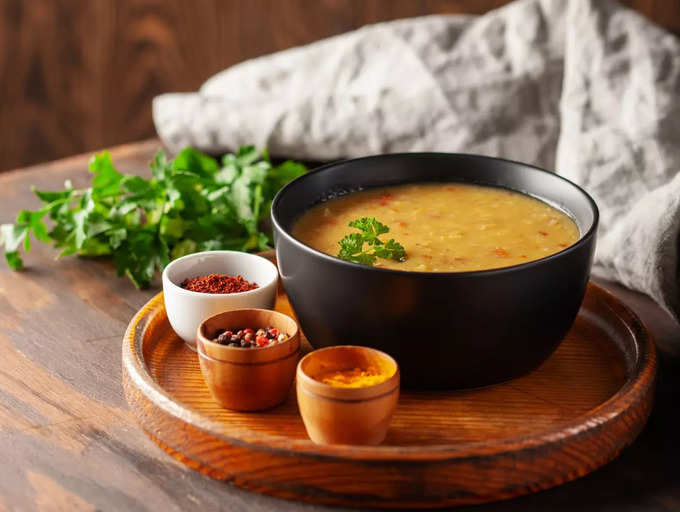
Dal or lentil is a source of high-quality plant protein. Although it is an incomplete source of protein, when combined with rice it becomes a complete source of protein. Increasing protein consumption when trying to lose weight can help to build muscles and improve satiety. Protein is a macronutrient that can also require building muscles and getting lean. Being rich in fiber, this dal helps to keep you fuller for a longer time and increases satiety. It prevents constipation and helps your body to function well. Most importantly, it is easy to cook and is extremely light as compared to other dals like split Bengal gram and red lentils.

​Other benefits of consuming yellow dal

 Not only for weight loss, but this dal can also help you get healthy in numerous ways. The fiber present in this dal can help to prevent the deposition of bad cholesterol and promote good heart health. The trace minerals present in it can help to maintain the elasticity of the skin, keep it wrinkle-free and young. Furthermore, being a good source of iron, it can also help to increase the count of Red Blood Cells (RBCs). Even diabetes and high blood pressure patients can have yellow moong dal. 

The bottom line
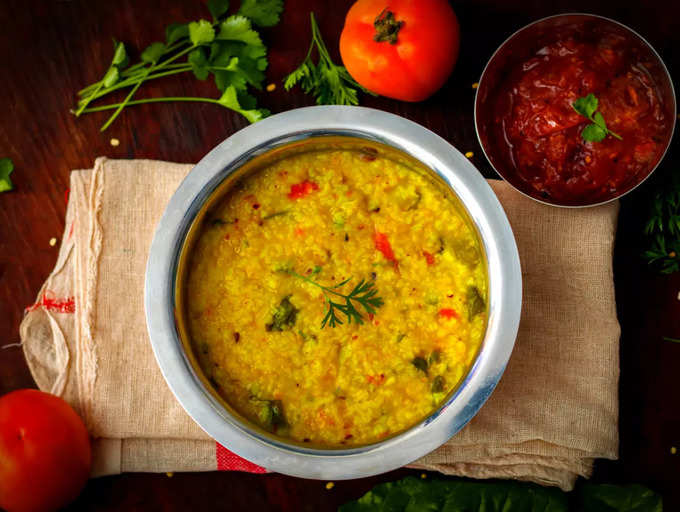
You can add yellow dal to your diet in multiple ways. Either you can make proper dal, which is made in every Indian household and can consume it with chapati or rice or can sprout it and add it to your salad. Moong dal chilla and tikki are some other recipes that you can try. 

This is only for your information, kindly take the advice of your doctor for medicines, exercises and so on.   

https://gscrochetdesigns.blogspot.com. one can see my crochet creations  
https://gseasyrecipes.blogspot.com. feel free to view for easy, simple and healthy recipes    
https://kneereplacement-stickclub.blogspot.com. for info on knee replacement


Labels: , , , , , , , , , , , , , ,

Saturday, June 22, 2019

7 causes of burning sensation in the feet that you should know

A burning sensation in the feet is a common clinical symptom of several conditions affecting people of all age groups. It can be short-term or long-term and often comes along with redness, swelling and increased feet temperature. Usually, these associated symptoms help identify the underlying cause of the condition. Although general fatigue and over-exertion are the most common causes of burning feet, here are some of its serious implications that should not be ignored.
 
1. Peripheral neuropathy: It is a condition in which peripheral nerves that transmit signals from the brain to the limbs get damaged. As a result, they transmit the signals of pain without any injury. Peripheral neuropathy is common in people with diabetes. It is an indication of diabetic complications due to poor blood sugar control.

2. Vitamin B12 deficiency: Vitamin B12 plays an important role in several processes of the body, including those involved in the functioning of the nervous system. Therefore, a deficiency of B12 can cause burning feet along with a tingling, burning sensation in the arms.  

3.Hypothyroidism: A low level of thyroid hormones can cause all the processes in the body to slow down. When the extremities do not receive a normal flow of blood, swelling due to water retention may occur. This accumulated fluid exerts extra pressure on the nerves causing pain and burning sensation in the feet.

4. Vasculitis: At times, blood circulation may get affected due to inflammation of the blood vessels, also called vasculitis. In this condition, the immune system attacks the blood vessels and causes inflammation.

5. Hypertension: Another condition related to blood circulation that can cause burning feet is high blood pressure. Hypertension can also cause decreased circulation resulting in changes in skin colour, reduced pulse rate in the feet and reduced temperature in the extremities along with a burning sensation.

6. Toxin accumulation: Too much of anything can be harmful for health. This especially holds true for drugs and supplements. An overdose of vitamin supplements (mainly vitamin B6) or heavy metal poisoning can damage the peripheral nerves and blood vessels to cause pain and swelling in the feet.

7. Infectious diseases: Although burning feet may not be a key symptom for infectious diseases, they too can cause neuropathy. Some of diseases in which feet problems may occur include HIV/ AIDS, Lyme disease and Guillain-Barre syndrome. 

THIS IS ONLY FOR INFORMATION, ALWAYS CONSULT YOU PHYSICIAN BEFORE HAVING ANY PARTICULAR FOOD/ MEDICATION/EXERCISE/OTHER REMEDIES.                                    PS- THOSE INTERESTED IN RECIPES ARE FREE TO  VIEW MY BLOG-                                                                                           https://gseasyrecipes.blogspot.com/                                                                                                                                                FOR INFO ABOUT KNEE REPLACEMENT, YOU CAN VIEW MY BLOG-                                                  https:// kneereplacement-stickclub.blogspot.com/                                                                      FOR CROCHET DESIGNS                                                                                                                                                                                     https://gscrochetdesigns.blogspot.com

Labels: , , , , , , , , , , , ,

Monday, January 07, 2019

Foods To Boost Brain Health

The brain is the most high-powered organ that we have and it requires the right amount and type of fuel to work properly. When we don’t give it the right fuel, it slows us down, decreases our focus, and makes us unhappy and demotivated.
If you want to maximize your brain power to help increase your focus, think more clearly, and live a much happier and potentially longer life, then pay close attention as we’re about to give you the top nutrients that you need to maximize your brain power and what foods to include in your diet in order to get them.


1. Omega-3

Your brain is 60% fat, so if you want a healthy and optimally performing brain, you need to ensure that you’re giving your brain the right building blocks and fat is one of the most important. Fat has been vilified for decades, but in reality, high-quality fat is not only good for you, it’s essential for your brain power and health.
Omega-3 is one of the most important fats to give your brain. In fact, not getting enough omega-3 in your diet can affect normal brain development and cognition. It has also been shown to be implicated in premature brain aging and cognitive decline.
Best sources: Chia seeds, walnuts, sardines, salmon, eggs, fish oil, and flaxseed.
2. Magnesium
Magnesium is essential for brain activity and has been known to calm the brain and the nervous system to the point that it has been called “Nature’s Natural Valium.” Magnesium is essential for hundreds of metabolic processes within the body and brain, yet it’s the second most common nutritional deficiency in the world.
Magnesium helps the brain by:
• Decreasing stress hormones
• Providing anti-inflammatory benefits
• Increasing neuroplasticity
• Helping to lift depression
• Reducing anxiety
• Relaxing the nervous system

Best sources: Spinach, almonds, avocado, black beans, and cashews.

3. Vitamin B1: Thiamine


Many B vitamins are known to be beneficial for brain health and well-being. B1, also known as thiamine, is needed for a large number of metabolic processes in the body including the processes that manage your energy levels. Your brain uses a lot of energy throughout the day, so having low levels of thiamine can rob your brain of the vital energy that it requires.
Thiamine can help to boost your mood, energy, and alertness by providing the energy that your brain cells need to work effectively.
Low levels of thiamine have been associated with:
• Nerve inflammation
• Nerve damage
• Fatigue
• Confusion
• Irritability
• Loss of short-term memory

Best sources: Sunflower seeds, lentils, black beans, macadamia nuts, and seaweed.
4. Vitamin B6
Vitamin B6 helps to improve your mood, but it’s also needed to combat mental fatigue. B6 is a critical component when it comes to building the neurotransmitters serotonin and norepinephrine.
Serotonin helps to improve your mood while norepinephrine helps your brain to stay focused and alert.
Symptoms of B6 deficiency include:
• Loss of focus and concentration
• Fatigue
• Irritability
• Memory trouble
• Muscle pains

Best sources: Tuna, turkey breast, avocado, pistachios, and grass-fed beef.

5. Vitamin B9


Vitamin B9, also known as folate, is especially important for normal brain development. It’s an important component in creating many neurotransmitters that the brain uses to communicate and regulate our immune system. Folate is also an antioxidant and studies have shown that it helps to preserve brain function and memory.
Low levels of folate can be very detrimental to the brain. A deficiency in folate has been shown to lead to increased degeneration in the cerebral cortex as well as cognitive impairment and decline.
Symptoms of low levels of folate include:
• Chronic fatigue
• A lowered immune system
• Increased irritability
• Anxiety
• Brain fog 

Best sources: Broccoli, beef liver, spinach, romaine lettuce, and asparagus.
6. Vitamin B12
Vitamin B12 is essential for many aspects of our health and wellbeing. This includes building strong bones, skin, hair, nails, immune system, and heart health. B12 is also extremely important for your brain and mental wellbeing.
It’s essential for many aspects of mental performance including being able to memorize and stay focused. It also plays an important role in producing serotonin and dopamine (a motivation and reward neurotransmitter).
Having low levels of B12 can have some serious side effects such as:
• Memory loss
• Brain fog
• Anxiety
• Depression
• Confusion
• Hallucinations

Best sources: Wild salmon, eggs, sardines, beef liver, and nutritional yeast.

7. Vitamin C


Your brain consumes a lot of energy and oxygen when it’s doing its job and antioxidant such as vitamin C help to protect the brain from any wear and tear. Vitamin C is also needed to produce important neurotransmitters such as serotonin, dopamine, and norepinephrine. These neurotransmitters are important regulators of your mood, so without adequate vitamin C to produce them, your mood may suffer.
Best sources: Citrus fruits, broccoli, bell peppers, spinach, and watermelon.
8. Vitamin D
Vitamin D, known as the sunshine vitamin, is arguably one of the most important vitamins that many of us miss out on. It’s usually associated with bone and heart health, but it has been shown that it also plays a critical role in your brain performance. Several studies have proven that low levels of vitamin D can impair cognitive function and performance.
Fewer people are getting out in the sun leading to more cases of vitamin D deficiency than ever before. The best part about vitamin D is that you can get it for free. Just a couple of minutes of natural sunlight each day can make a huge difference to your vitamin D levels.
Best sources: Natural sunlight or buy a vitamin D supplement.

9. Vitamin E

This is a very powerful antioxidant. Oxidative stress is a metabolic process that causes wear and tear to our cells. Antioxidants help to fight against this wear and tear to keep our cells youthful and working their best.
Vitamin E is an often overlooked vitamin for brain health. It prevents oxidative stress from damaging important components of our brain cells. DHA forms the outer membrane of our brain cells and vitamin E works to prevent oxidative stress from damaging it, ensuring that our brain cells stay healthy and productive.
Symptoms of a vitamin E deficiency include:
• Cognitive impairment
• Balance issues
• Muscle weakness
• Diarrhea

Best sources: Kale, Swiss chard, almonds, olives, and parsley.
10. Zinc
Zinc is very important for neuron growth and performance. The highest concentration of zinc in our body is located in our brain, particularly in the hippocampus, the area of the brain involved in regulating your limbic system, the region that regulates emotions. Neurons need zinc in order to communicate effectively with one another.
Low levels of zinc are associated with:
• A lowered immune system
• Attention and focusing issues
• Diarrhea
• Acne
• Rashes

Best sources: Grass-fed beef, spinach, mushrooms, cashews, and pumpkin seeds.

source- lifehack
 
THIS IS ONLY FOR INFORMATION, ALWAYS CONSULT YOU PHYSICIAN BEFORE HAVING ANY PARTICULAR FOOD/ MEDICATION/EXERCISE/OTHER REMEDIES.                                                                                
 PS- THOSE INTERESTED IN RECIPES ARE FREE TO  VIEW MY BLOG-                                                                                           https://gseasyrecipes.blogspot.com/                                                                                                                                                                             FOR INFO ABOUT KNEE REPLACEMENT, YOU CAN VIEW MY BLOG-                                               
     https:// kneereplacement-stickclub.blogspot.com/                                                                                     
  FOR CROCHET DESIGNS                                                                                                                                                                                                              https://gscrochetdesigns.blogspot.com
  

Labels: , , , , , , , , , , , , , , , , ,