The 13 Essential Vitamins
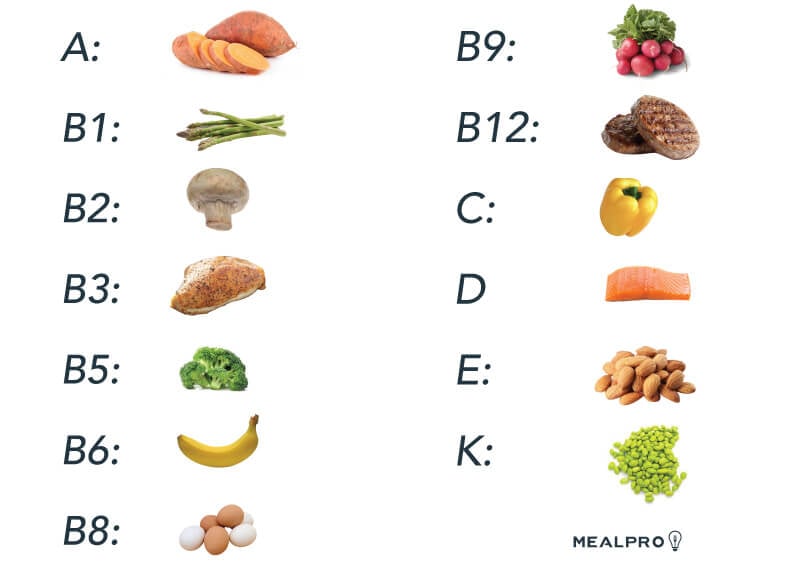
Vitamins are essential nutrients that help your body function at its best. They play an important role in regulating bodily functions such as your metabolism, digestion and immune system. A vitamin deficiency could result in health problems, so it’s important that you get your daily dose of these indispensable chemical compounds.
There are 13 essential vitamins and each one plays a unique and vital role in keeping your body healthy. Vitamins can be broken down into two categories.
Fat-soluble vitamins are the likes of vitamins A, D, E and K are stored in the body’s fatty tissues – there can be harmful effects of too little fat that will impair absorption of these vitamins.
Water-soluble vitamins
are the B vitamins that include thiamine, niacin, riboflavin and folic
acid. These must be replenished regularly because they are excreted in
urine.
Vitamins aid in the growth, development and function of all the cells. Your body can’t produce most, or enough, vitamins on its own so we need to get them from outside sources. Although vitamins are available in supplement form and many people do take a daily multivitamin, the vitamins found in supplements are not as easily processed by the body. The best way to meet your daily vitamin intake needs is by eating a nutrient-dense diet.
If you can name all 13 essential vitamins—good for you! But if you’re stumped on the vitamins past A, and C— keep reading.
A list of the 13 Essential Vitamins and their functions
A: Promotes cell development, and healthy skin, hair, nails, gums, glands….
C: Strengthens blood vessel walls; promotes wound healing and iron absorption; supports the immune system.
D: Aids calcium absorption, and builds and maintains strong bones and teeth.
E: Protects fatty acids; maintains muscles and red blood cells; and serves as an important antioxidant.
K: Used by the body for proper blood clotting.
B1 – thiamine: Maintains a healthy metabolism. It also helps maintain normal digestion, appetite and proper nerve function.
B2 – riboflavin: Essential for energy metabolism. It also aids adrenal function, supports normal vision and helps maintain healthy skin.
B3 – niacin: Is used to metabolize energy and promote normal growth. In large doses, Vitamin B3 can also lower cholesterol.
B5 – pantothenic acid: Aids energy metabolism and normalizes blood sugar levels.
B6 – pyroxidine: Promotes protein metabolism, metabolism of carbohydrates and the release of energy. It also plays a role in proper nerve function and the synthesis of red blood cells.
B7 – biotin: Maintains a healthy metabolism.
B9 – folate: To make DNA, RNA, red blood cells, and synthesize certain amino acids. Vitamin B9 is also important for pregnant women, as it helps prevent birth defects.
B12 – cobalamin: Used to make red blood cells, DNA, RNA, and myelin for nerve fibers.
Vitamins Recommended Daily Intake For a Healthy Diet
Below is a table of the quantity of vitamins you need to take for optimal health. Ideally, the vitamins and essential minerals you ingest come from quality food sources, but supplements can help where you have deficiencies in your diet.
Vitamin | Daily Intake |
|---|---|
A | Adult men should aim for 900 micrograms (mcg) per day. Adult women should aim for 700 mcg per day. |
C | Adult women typically need 75 milligrams (mg); adult men need 90 mg. |
D | Recommendations vary, but generally speaking, most adults should aim for 600 international units (IU) a day to increase their vitamin D levels. |
E | Adults typically need 15 mg per day. |
K | Adult women typically need 90 mcg per day; adult men need 120 mcg per day. |
B1 | Adult women typically need 1.1 mg per day, while adult men typically need 1.2 mg. |
B2 | Adult women typically need 1.1 mg, adult men typically need 1.3 mg. |
B3 | Adult women typically need 14 mg; adult men need 16 mg. |
B5 | Adults typically need 5 mg per day. |
B6 | Adults typically need 1.3 mg. |
B7 | Adults typically need 30 mcg. |
B9 | Adults typically need 400 mcg per day. |
B12 | Adults typically need 2.4 mcg per day. |
What foods contain the 13 essential vitamins?
Below are some examples of foods that contain each of the 13 essential vitamins. This is not meant to be a comprehensive list but the most common ingredients are included below.
A: Beef, shrimp, fish, sweet potato, squash, spinach.
C: Bell peppers, Brussel sprouts, potatoes, citrus fruits such as oranges.
D: Fatty fish like salmon, mackerel, branzino, and tuna, cheese, egg yolk, mushrooms.
E: Leafy green vegetables, whole grains, nuts, vegetable oils.
K: Cabbage, liver, collards, sprouts, kale, eggs, milk.
B1 – thiamine: Pork, fish, legumes, soymilk, watermelons, ham.
B2 – riboflavin: Milk, eggs, yoghurt, cheese, meats, green leafy veggies, fortified cereals, whole grains like brown rice.
B3 – niacin: Meat, steak, poultry, fish, mushrooms, potatoes, peanut butter.
B5 – pantothenic acid: Egg yolk, avocado, broccoli, tomatoes.
B6 – pyroxidine: Tofu, soy products, poultry, fish, meat.
B7 – biotin: Organ meats (e.g. liver), whole grains, fish, egg yolk.
B9 – folate: Asparagus, okra, spinach, turnip, broccoli, orange juice, tomato juice, legumes like chickpeas.
B12 – cobalamin: Fortified cereals, meat, fortified soymilk, cheese, poultry, fish, milk.
For a balanced diet include some of the foods from the above list in your nutrition plan. This will ensure you consume the 13 essential vitamins.
This is only for your information, kindly take the advice of your doctor for medicines, exercises and so on.
https://gscrochetdesigns.blogspot.com. one can see my crochet creations
https://gseasyrecipes.blogspot.com. feel free to view for easy, simple and healthy recipes
https://kneereplacement-stickclub.blogspot.com. for info on knee replacement
https://cancersupportindia.blogspot.com for infor on cancer and health related topics
https://GSiyers
home remedies.blogspot.com is the latest addition to my blogs. I'm
going to add posts there, do give me your valuable feed back on my
blogs. Thanks a lot, take care, be healthy and be happy.
Labels: B 12, B 3, B 5, B 7, B1, B2, B6, B9, C, D, E, F, foods- 13 essential vitamins- A
posted by G S Iyer at 9:32 PM
0 comments
