Saturday, November 22, 2025

17 Surprising Facts and Benefits of Drinking Coffee

Some of us just can't make it through the day without our cup of coffee, and I can't say it's hard to see why. People call coffee "the fuel of the modern man" as a joke, but it's not really too far from the truth. Take a look at any office during the morning hours and the majority of people will be drinking coffee. While I also love tea, there is still much to be said about the benefits and the facts you never knew about coffee:


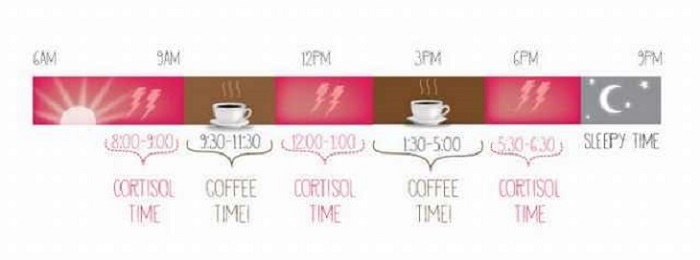
1. Your body doesn’t need coffee when you wake up.
Coffee- Drink -Facts

We naturally produce a hormone called cortisol which has a very similar effect to caffeine. This hormone is made at certain times of the day based on our circadian rhythm. It's important to identify the best time to drink your coffee so you can enjoy its maximum efficacy. 
 
2. Coffee isn’t as dehydrating as people think.  
Caffeine was once thought to be a significant diuretic, but it's really not true unless it’s consumed in large quantities. In fact, studies have shown that urine output isn’t significantly changed when a person drinks a caffeinated drink or a non-caffeinated drink. So as long as you enjoy your coffee in normal amounts, there’s no reason to fear dehydration.

3. The "powers" of coffee were discovered by goats.  
According to legend, Ethiopian shepherds were the first to notice the caffeinating effects of coffee. They were herding their goats in the area where the coffee plants grew and noticed their goats started “dancing” after eating coffee berries. 
 
4. Coffee can lead to a longer and healthier life. 
Coffee- Drink -Facts Coffee has lots of antioxidants that help our body fight chemicals called “free radicals”. Thanks to that, coffee drinkers are at a lower risk of diseases such as Parkinson’s, Type II Diabetes, and certain heart problems. However, coffee drinkers are also more likely to have unhealthy habits such as smoking and drinking alcohol. The study shown above has been adjusted to show what could happen if these other factors weren’t in effect. 
 
5. Coffee contains important nutrients. 
A single cup of coffee contains 11% of the daily recommended amount of vitamin B2, 6% for vitamin B5, 3% of Manganese and Potassium, and much more. As long as you drink good coffee, with no added chemicals or too much sugar, you're doing your body a favor. 
 
6. Coffee can help you burn fat. 
Studies have proven that caffeine can increase your metabolism by 3% to 11%. It’s one of the few natural chemicals that have the power to encourage the process of burning fat. 
 
7. All coffee is grown in "The Coffee Belt". 

All the regions that have the conditions needed for coffee growing are located in The Coffee Belt. The plants require lots of sunshine and warmth and the tropical belt has plenty of those. 
 
8. There's a reason why iced coffee is more expensive.  
The resources needed for iced coffee are more numerous and expensive than your regular coffee drink. From plastic cups, extra napkins, double brewing, and extra electrical power to make it all work. Those things add up, and so establishments charge more for their iced drinks. 
 
9. Caffeine is a crystal 
The true form of caffeine isn’t liquid but rather tiny 0.0016-inch crystals. As small as they are, they still have a powerful energizing effect on us. 
 
10. Coffee is great for your liver.
Coffee- Drink -Facts
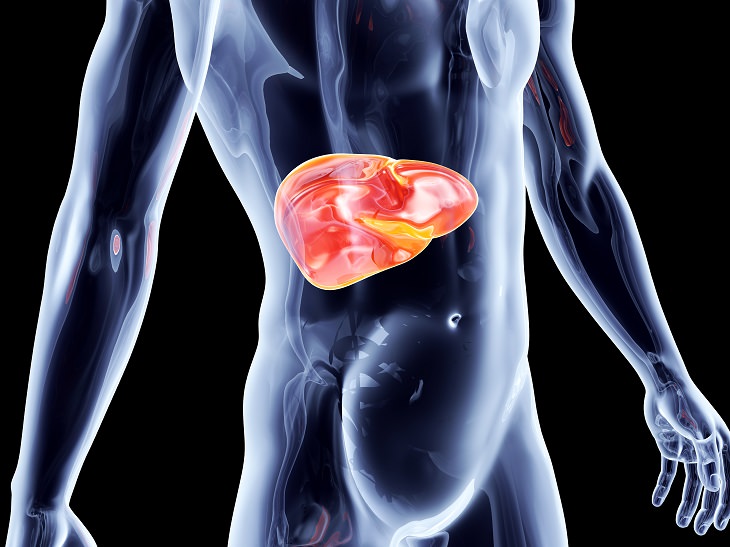
People who drink four cups of coffee a day are 80% less likely to develop cirrhosis, a condition that develops from several diseases affecting the liver. However, four cups of coffee is a lot, so don't drink that much. Even in smaller amounts, coffee can still help protect your liver. 
 
11. Caffeine kicks in quickly. 
It takes as little as ten minutes for you to start feeling the effects of caffeine after you take a sip of coffee. It's one of the fastest effecting foods we eat and drink! 
 
12. Coffee can help prevent dementia and Alzheimer’s.  
Several studies have shown that people who drink coffee are up to 65% less likely to get Alzheimer’s disease, and, as a result, are also less likely to suffer from dementia. 
 
13. The most expensive coffee on Earth is made from poop. 
The most expensive coffee types in the world are made from beans that have been digested. Black Ivory costs $50 per cup and is made from elephant poo. Luwak, aka civet, coffee is made by feeding coffee beans to mongoose, it costs $160 per pound. 
 
14. Coffee beans were once red berries. 

Coffee- Drink -Facts

Those red berries in the picture are the coffee berries, they grow on trees and from them, we get the coffee beans we need to make our favorite drink.


15. The first webcam in the world was invented for coffee.  
The first known use of a webcam dates back to 1991, at the University of Cambridge. Scientists set a camera on their coffee pot and streamed the footage live on the web so that they would be able to see if the pot was empty or not. We should all be very happy that lazy people who want coffee exist in our world. 
 
16. Coffee houses were once banned in England.
In 1675, King Charles II banned coffee shops and issued closing warrants, because he thought people were meeting in coffee houses to conspire against him. 
 
17. Caffeine improves your performance when working out.
 
Another benefit of caffeine is that it increases your levels of adrenaline and releases fatty acids from fat tissues. This leads to better physical performances by those who consume caffeine before working out.


This is only for your information, kindly take the advice of your doctor for medicines, exercises and so on.   


Labels: , , , , , , , , , , , ,

Monday, November 04, 2024

The 13 Essential Vitamins

 Mealpro

The 13 essential vitamins are nutrients that your body needs but can't produce - or produces very little of. These 13 essential vitamins need to come other sources like food or supplements.

Vitamins are essential nutrients that help your body function at its best. They play an important role in regulating bodily functions such as your metabolism, digestion and immune system. A vitamin deficiency could result in health problems, so it’s important that you get your daily dose of these indispensable chemical compounds.

There are 13 essential vitamins and each one plays a unique and vital role in keeping your body healthy. Vitamins can be broken down into two categories.

Fat-soluble vitamins are the likes of vitamins A, D, E and K are stored in the body’s fatty tissues – there can be harmful effects of too little fat that will impair absorption of these vitamins.

Water-soluble vitamins are the B vitamins that include thiamine, niacin, riboflavin and folic acid. These must be replenished regularly because they are excreted in urine.

Vitamins aid in the growth, development and function of all the cells. Your body can’t produce most, or enough, vitamins on its own so we need to get them from outside sources. Although vitamins are available in supplement form and many people do take a daily multivitamin, the vitamins found in supplements are not as easily processed by the body. The best way to meet your daily vitamin intake needs is by eating a nutrient-dense diet.

If you can name all 13 essential vitamins—good for you! But if you’re stumped on the vitamins past A, and C— keep reading.

A list of the 13 Essential Vitamins and their functions

  • A: Promotes cell development, and healthy skin, hair, nails, gums, glands….

  • C: Strengthens blood vessel walls; promotes wound healing and iron absorption; supports the immune system.

  • D: Aids calcium absorption, and builds and maintains strong bones and teeth.

  • E: Protects fatty acids; maintains muscles and red blood cells; and serves as an important antioxidant.

  • K: Used by the body for proper blood clotting.

  • B1 – thiamine: Maintains a healthy metabolism. It also helps maintain normal digestion, appetite and proper nerve function.

  • B2 – riboflavin: Essential for energy metabolism. It also aids adrenal function, supports normal vision and helps maintain healthy skin.

  • B3 – niacin: Is used to metabolize energy and promote normal growth. In large doses, Vitamin B3 can also lower cholesterol.

  • B5 – pantothenic acid: Aids energy metabolism and normalizes blood sugar levels.

  • B6 – pyroxidine: Promotes protein metabolism, metabolism of carbohydrates and the release of energy. It also plays a role in proper nerve function and the synthesis of red blood cells.

  • B7 – biotin: Maintains a healthy metabolism.

  • B9 – folate: To make DNA, RNA, red blood cells, and synthesize certain amino acids. Vitamin B9 is also important for pregnant women, as it helps prevent birth defects.

  • B12 – cobalamin: Used to make red blood cells, DNA, RNA, and myelin for nerve fibers.

Vitamins Recommended Daily Intake For a Healthy Diet

Below is a table of the quantity of vitamins you need to take for optimal health. Ideally, the vitamins and essential minerals you ingest come from quality food sources, but supplements can help where you have deficiencies in your diet.

Vitamin

Daily Intake

A

Adult men should aim for 900 micrograms (mcg) per day. Adult women should aim for 700 mcg per day.

C

Adult women typically need 75 milligrams (mg); adult men need 90 mg.

D

Recommendations vary, but generally speaking, most adults should aim for 600 international units (IU) a day to increase their vitamin D levels.

E

Adults typically need 15 mg per day.

K

Adult women typically need 90 mcg per day; adult men need 120 mcg per day.

B1

Adult women typically need 1.1 mg per day, while adult men typically need 1.2 mg.

B2

Adult women typically need 1.1 mg, adult men typically need 1.3 mg.

B3

Adult women typically need 14 mg; adult men need 16 mg.

B5

Adults typically need 5 mg per day.

B6

Adults typically need 1.3 mg.

B7

Adults typically need 30 mcg.

B9

Adults typically need 400 mcg per day.

B12

Adults typically need 2.4 mcg per day.

What foods contain the 13 essential vitamins?

Below are some examples of foods that contain each of the 13 essential vitamins. This is not meant to be a comprehensive list but the most common ingredients are included below.

  • A: Beef, shrimp, fish, sweet potato, squash, spinach.

  • C: Bell peppers, Brussel sprouts, potatoes, citrus fruits such as oranges.

  • D: Fatty fish like salmon, mackerel, branzino, and tuna, cheese, egg yolk, mushrooms.

  • E: Leafy green vegetables, whole grains, nuts, vegetable oils.

  • K: Cabbage, liver, collards, sprouts, kale, eggs, milk.

  • B1 – thiamine: Pork, fish, legumes, soymilk, watermelons, ham.

  • B2 – riboflavin: Milk, eggs, yoghurt, cheese, meats, green leafy veggies, fortified cereals, whole grains like brown rice.

  • B3 – niacin: Meat, steak, poultry, fish, mushrooms, potatoes, peanut butter.

  • B5 – pantothenic acid: Egg yolk, avocado, broccoli, tomatoes.

  • B6 – pyroxidine: Tofu, soy products, poultry, fish, meat.

  • B7 – biotin: Organ meats (e.g. liver), whole grains, fish, egg yolk.

  • B9 – folate: Asparagus, okra, spinach, turnip, broccoli, orange juice, tomato juice, legumes like chickpeas.

  • B12 – cobalamin: Fortified cereals, meat, fortified soymilk, cheese, poultry, fish, milk.

For a balanced diet include some of the foods from the above list in your nutrition plan. This will ensure you consume the 13 essential vitamins.


This is only for your information, kindly take the advice of your doctor for medicines, exercises and so on.   

https://gscrochetdesigns.blogspot.com. one can see my crochet creations  
https://gseasyrecipes.blogspot.com. feel free to view for easy, simple and healthy recipes    
https://kneereplacement-stickclub.blogspot.com. for info on knee replacement
https://cancersupportindia.blogspot.com  for infor on cancer and health related topics
https://GSiyers home remedies.blogspot.com   is the latest addition to my blogs. I'm going to add posts there, do give me your valuable feed back on my blogs. Thanks a lot, take care, be healthy and be happy.

Labels: , , , , , , , , , , , ,