Saturday, November 22, 2025

17 Surprising Facts and Benefits of Drinking Coffee

Some of us just can't make it through the day without our cup of coffee, and I can't say it's hard to see why. People call coffee "the fuel of the modern man" as a joke, but it's not really too far from the truth. Take a look at any office during the morning hours and the majority of people will be drinking coffee. While I also love tea, there is still much to be said about the benefits and the facts you never knew about coffee:


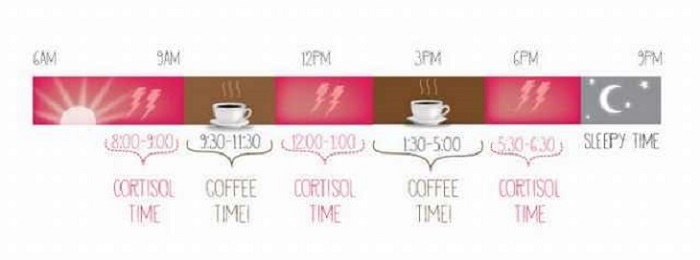
1. Your body doesn’t need coffee when you wake up.
Coffee- Drink -Facts

We naturally produce a hormone called cortisol which has a very similar effect to caffeine. This hormone is made at certain times of the day based on our circadian rhythm. It's important to identify the best time to drink your coffee so you can enjoy its maximum efficacy. 
 
2. Coffee isn’t as dehydrating as people think.  
Caffeine was once thought to be a significant diuretic, but it's really not true unless it’s consumed in large quantities. In fact, studies have shown that urine output isn’t significantly changed when a person drinks a caffeinated drink or a non-caffeinated drink. So as long as you enjoy your coffee in normal amounts, there’s no reason to fear dehydration.

3. The "powers" of coffee were discovered by goats.  
According to legend, Ethiopian shepherds were the first to notice the caffeinating effects of coffee. They were herding their goats in the area where the coffee plants grew and noticed their goats started “dancing” after eating coffee berries. 
 
4. Coffee can lead to a longer and healthier life. 
Coffee- Drink -Facts Coffee has lots of antioxidants that help our body fight chemicals called “free radicals”. Thanks to that, coffee drinkers are at a lower risk of diseases such as Parkinson’s, Type II Diabetes, and certain heart problems. However, coffee drinkers are also more likely to have unhealthy habits such as smoking and drinking alcohol. The study shown above has been adjusted to show what could happen if these other factors weren’t in effect. 
 
5. Coffee contains important nutrients. 
A single cup of coffee contains 11% of the daily recommended amount of vitamin B2, 6% for vitamin B5, 3% of Manganese and Potassium, and much more. As long as you drink good coffee, with no added chemicals or too much sugar, you're doing your body a favor. 
 
6. Coffee can help you burn fat. 
Studies have proven that caffeine can increase your metabolism by 3% to 11%. It’s one of the few natural chemicals that have the power to encourage the process of burning fat. 
 
7. All coffee is grown in "The Coffee Belt". 

All the regions that have the conditions needed for coffee growing are located in The Coffee Belt. The plants require lots of sunshine and warmth and the tropical belt has plenty of those. 
 
8. There's a reason why iced coffee is more expensive.  
The resources needed for iced coffee are more numerous and expensive than your regular coffee drink. From plastic cups, extra napkins, double brewing, and extra electrical power to make it all work. Those things add up, and so establishments charge more for their iced drinks. 
 
9. Caffeine is a crystal 
The true form of caffeine isn’t liquid but rather tiny 0.0016-inch crystals. As small as they are, they still have a powerful energizing effect on us. 
 
10. Coffee is great for your liver.
Coffee- Drink -Facts
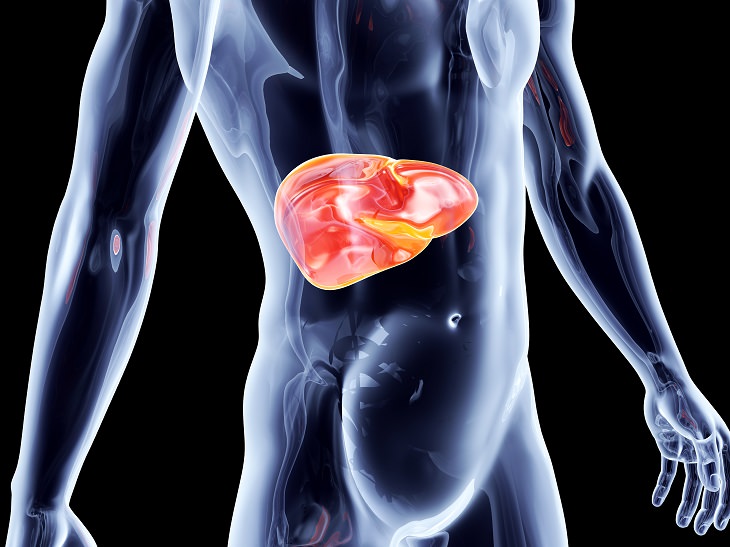
People who drink four cups of coffee a day are 80% less likely to develop cirrhosis, a condition that develops from several diseases affecting the liver. However, four cups of coffee is a lot, so don't drink that much. Even in smaller amounts, coffee can still help protect your liver. 
 
11. Caffeine kicks in quickly. 
It takes as little as ten minutes for you to start feeling the effects of caffeine after you take a sip of coffee. It's one of the fastest effecting foods we eat and drink! 
 
12. Coffee can help prevent dementia and Alzheimer’s.  
Several studies have shown that people who drink coffee are up to 65% less likely to get Alzheimer’s disease, and, as a result, are also less likely to suffer from dementia. 
 
13. The most expensive coffee on Earth is made from poop. 
The most expensive coffee types in the world are made from beans that have been digested. Black Ivory costs $50 per cup and is made from elephant poo. Luwak, aka civet, coffee is made by feeding coffee beans to mongoose, it costs $160 per pound. 
 
14. Coffee beans were once red berries. 

Coffee- Drink -Facts

Those red berries in the picture are the coffee berries, they grow on trees and from them, we get the coffee beans we need to make our favorite drink.


15. The first webcam in the world was invented for coffee.  
The first known use of a webcam dates back to 1991, at the University of Cambridge. Scientists set a camera on their coffee pot and streamed the footage live on the web so that they would be able to see if the pot was empty or not. We should all be very happy that lazy people who want coffee exist in our world. 
 
16. Coffee houses were once banned in England.
In 1675, King Charles II banned coffee shops and issued closing warrants, because he thought people were meeting in coffee houses to conspire against him. 
 
17. Caffeine improves your performance when working out.
 
Another benefit of caffeine is that it increases your levels of adrenaline and releases fatty acids from fat tissues. This leads to better physical performances by those who consume caffeine before working out.


This is only for your information, kindly take the advice of your doctor for medicines, exercises and so on.   


Labels: , , , , , , , , , , , ,

Friday, December 10, 2010

Alzheimer Disease Warning Signs

Alzheimer Disease Warning Signs

Many people confuse Alzheimer’s disease with dementia. What’s the difference? Alzheimer’s is a disease; dementia is a group of symptoms that include loss of memory, thinking, and reasoning skills. However, dementia isn’t always caused by Alzheimer’s disease; it can be result from other conditions as well.

Although some memory changes may be age-related, memory problems that interfere with daily life are not. According to experts, common early signs of Alzheimer’s disease or other dementias include:

Memory loss. Although older memories might seem unaffected, people with dementia might forget recent experiences or important dates or events that interferes with daily life. Anyone can forget some details from a recent event or conversation or recall them later. People with dementia might forget the entire thing.

Repetition. People with dementia may repeat stories, sometimes word for word. They may keep asking the same questions, no matter how many times they’re answered.

Language problems. We all struggle to remember a word occasionally. People with dementia can have profound problems remembering even basic words. Their way of speaking may become contorted and hard to follow.

Personality changes. People with dementia may have sudden mood swings. They might become emotional - upset or angry - for no particular reason. They might become withdrawn or stop doing things they usually enjoy. They could become uncharacteristically suspicious of family members -- or trusting of telemarketers.

Disorientation and confusion. People with dementia may get lost in places they know very well, like their own neighborhoods. They may have trouble completing basic and familiar tasks, like cooking dinner or shaving.

Lack of hygiene. Sometimes this is the most obvious sign of Alzheimer’s disease. People who have dressed smartly every day of their lives might start wearing stained clothing or stop bathing.

Odd behavior. We all misplace our k eys from time to time. People with Alzheimer’s disease and other dementias are prone to placing objects in odd and wholly inappropriate places. They might put a toothbrush in the fridge or milk in the cabinet under the sink.

If your loved one is exhibiting any of these Alzheimer’s warning signs, don’t panic. Having these symptoms doesn’t mean that your loved one necessarily has Alzheimer’s disease. But you need to schedule  an appointment with the doctor for an evaluation.
For a first appointment, you can start with your loved one’s primary care provider. Or you might go right to a specialist, like a psychiatrist or a neurologist. Over time, you may have a number of experts involved in your loved one’s care.

Unfortunately, there’s no definitive test for Alzheimer’s disease. So doctors can use a number of different techniques to come up with a diagnosis. In addition to a typical physical exam and blood and urine tests, these could include:

Mental status tests. The doctor may ask a series of questions that assess a person’s mental function. They test a person’s short-term memory, ability to follow instructions, and problem-solving skills. Specific tests include the mini-mental state exam (MMSE) and the “mini-cog.”
Neurological exams. In checking for signs of Alzheimer’s, doctor will also check your loved one’s neurological function, including speech, balance, coordination, and reflexes.
Imaging tests. CT scans, MRIs, and PET scans can help rule out other causes for the symptoms - like tumors or strokes.

Make sure to do your part. The doctor will need some basic information from you, so go in prepared with details about:

The Alzheimer’s symptoms you’ve noticed and when they began.

Other health conditions your loved one has.

The daily medications she uses, including supplements and alternative treatments.

Your loved one’s diet and alcohol use.

Any important changes in your loved one’s life -- like retirement, a recent move, or the death of a spouse.

Because Alzheimer’s warning signs may be confused with changes that can come with old age, its diagnosis may not be clear-cut.


If you’re not satisfied with the doctor's assessment, get a second opinion. Alzheimer’s disease can go on a long time, and during those years you’ll need to work closely with a doctor. It’s key that you find a caring, sympathetic healthcare professional you trust.


Don’t Ignore Alzheimer’s Warning Signs

Of course, you might not want to see a doctor yet. You might want to wait and see if things get worse. Many people put off consulting an expert for years - long after they’ve noticed obvious symptoms of Alzheimer’s disease. Why?

People worry that their loved ones will be offended or angry if they mention their memory problems.

Considering that Alzheimer’s disease has no cure, people might assume that there’s no point in rushing off to get the bad news.

Deep down, people don’t want to admit to themselves that something might be wrong.
These are all very understandable, very human reasons to put off seeing an expert. But if you suspect your loved one might have Alzheimer’s, you need to see a doctor soon. Here’s why.

Your loved one may not have Alzheimer’s disease. Don’t assume the worst. Even if your love one has dementia, it might not be Alzheimer’s. Other conditions can cause dementia or similar symptoms. They include vitamin deficiencies, thyroid problems, depression, drug interactions, and alcohol abuse. Many of these conditions are treatable. Putting off a trip to the doctor could leave your loved one suffering pointlessly.

The sooner Alzheimer's disease is diagnosed, the sooner you can get treatment. Alzheimer’s disease isn’t curable, but it is treatable. Drugs can help slow down the progression of Alzheimer’s symptoms for a limited time. Your loved one may also be eligible for clinical trials, in which new, cutting-edge Alzheimer’s treatments are available.

The sooner Alzheimer’s disease is diagnosed, the sooner you can plan for it. Accepting that a loved one has Alzheimer’s is terribly difficult. But the sooner you do, the better off you are. The earlier you catch it, the more time you’ll have to learn about the condition and prepare for what’s ahead.

For your loved one’s sake -- and for your own -- don’t ignore the possible warnings signs of Alzheimer’s disease. Don’t wait until there’s a crisis before you see a doctor. If you have any concerns about your loved one’s memory or behavior, schedule an evaluation now.


ps- for recipes kindly view-

http://gseasyrecipes.blogspot.com/

Labels: