Wednesday, September 08, 2021

8 Home Remedies for Restless Leg Syndrome

According to the National Heart, Lung, and Blood Institute, restless leg syndrome (RLS) affects around 15% of Americans. When RLS is a symptom of another medical problem, treating that condition will usually help clear it up. Furthermore, RLS can also be a side effect of certain medications. However, the cause of this condition is not always clear. Thankfully, there are a number of home remedies for RLS and 8 of them can be seen below.

1. Exercise and Relaxation

Do some moderate exercise every day. A brisk 30-minute walk each day is not only good for your legs, but it’s also good for your overall health. Some leg stretches may also be particularly helpful for this condition. 
 
Stress and muscle tension can also trigger RLS symptoms, so try to get some relaxation time in before going to bed. Meditation, yoga, and tai chi are great ways to relax the body and mind to reduce tension. 
 
2. Heat, Cold, Massage 
One home remedy for RLS is the application of warm and cool packs to the muscles. Some people find that alternating heat and cold eases the pain and achiness associated with the condition. You can also relax the muscles in your legs by soaking in a warm bath and massaging your legs.

3. Sleep Environment 
RLS interferes with sleep and causes fatigue. One way to break this cycle is to stick to a tight sleep schedule. For example, go to bed at the same time every night and get up at the same time each morning. 
 
You could also create a bedtime routine that involves doing something relaxing before going to bed. Such as taking a warm bath, meditating, or reading a book. Think about your sleep environment and consider removing digital clocks and electronics that glow. Invest in comfortable linens and make your bedroom an oasis for rest and relaxation.  
 
4. Vitamins and Minerals
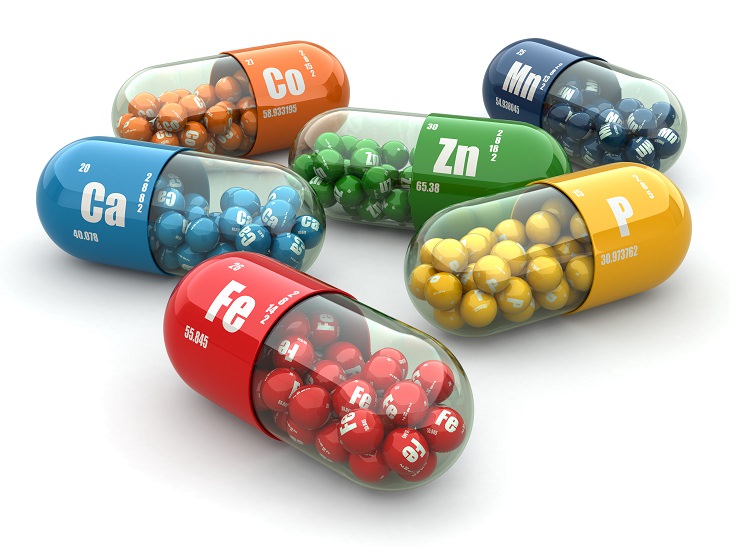
In some cases, deficiencies of certain minerals and vitamins, such as iron, magnesium, folic acid, and vitamin B may cause RLS. Before you increase your use of dietary supplements (or start taking them), talk to your doctor. 
 
In the case of vitamins, it’s certainly possible to get too much of a good thing. Getting a blood test done will help determine what vitamins and minerals you’re lacking. Your doctor can prescribe the correct supplements and a safe dosage.  
 
5. Over-the-Counter Medications 
If you’re occasionally experiencing mild to moderate pain, you can use over-the-counter pain relievers and non-steroidal anti-inflammatory drugs that include: 
 • Acetaminophen 
• Ibuprofen 
• Naproxen 
• Ketoprofen 
 
Keep in mind that long-term use of NSAIDs can cause stomach upsets, bleeding, ulcers, and increased risk of heart problems. 
 
6. Gabapentin 
This is an anticonvulsant medication used to treat seizures that are caused by epilepsy. In extended-release form, gabapentin can be effective in the treatment of severe RLS. In epilepsy sufferers, it works by lowering abnormal excitement in the brain, but researchers aren’t sure how it works to relieve RLS symptoms. Potential side effects of this drug include: 
• Headaches 
• Fatigue 
• Weight gain 
• Nausea 
• Difficulty breathing or swallowing 
• Swelling of the throat and face 
 
7. Other Prescription Medications
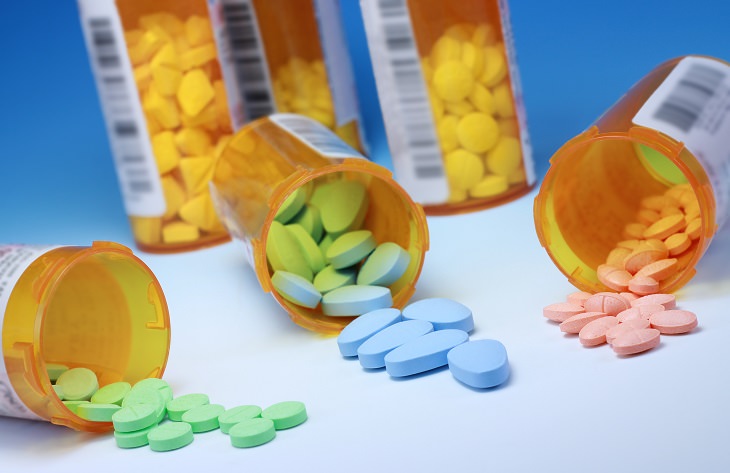
In severe cases of RLS, your doctor might recommend prescription medications to relieve pain. These medications can become addictive. Muscle relaxants and sleep aids may also help, but they don’t always relieve unpleasant leg sensations and can make you feel drowsy during the day. 
 
Medication that is intended for other diseases such as Parkinson’s can also be helpful for RLS. Work with your doctor to find the best medication. It may take a few tries or combinations of remedies to ease your symptoms.

8. Avoid Potential Triggers 
If you have RLS, avoid sitting in one position for too long. Get up and move about throughout the day. Furthermore, you should avoid food and drinks that contain caffeine, such as: 
• Tea 
• Coffee 
• Soft drinks 
• Chocolate 
 
To add to this, alcohol and tobacco can trigger RLS or make symptoms worse. Try not consuming these things for a few weeks to see if you feel better.

This is only for your information, kindly take the advice of your doctor for medicines, exercises and so on.   

https://gscrochetdesigns.blogspot.com. one can see my crochet creations  
https://gseasyrecipes.blogspot.com. feel free to view for easy, simple and healthy recipes    
https://kneereplacement-stickclub.blogspot.com. for info on knee replacement


Labels: , , , , , , , , ,

Saturday, December 21, 2019

Here’s why okra or bhindi is a superfood for diabetics!

Your very own okra or bhindi, a staple vegetable enjoyed by many is becoming a superfood for diabetes. Experts believe that the fruit-vegetable has properties that can control blood glucose level, help in weight management and boost overall health. Here are 7 benefits of okra / bhindi that you need to know-

How okra helps to control diabetes
Here are a few ways how okra or bhindi can help you control diabetes if included in your diet regularly:
It is rich in fibre: A fibre rich diet can do a lot of good to a diabetic. Okra being rich in soluble fibre helps in reducing intestinal absorption of glucose, thus regulating blood sugar levels after a meal. 

It has anti-diabetic properties: Many studies indicate that the vegetable has certain enzymes that help metabolise carbohydrates, improve insulin production and beta cells in the pancreas, the very cells responsible for insulin production. 

It helps to control weight: Weight management plays a key role in managing diabetes and keeping it’s complications at bay. Okra just helps to make your struggles with weight loss easier being low in calories — a serving of 100 gm of the fruit vegetable has less than 33 calories. 

It has a low glycemic index: Foods that are low in glycemic index release sugar gradually into the blood stream and hence help to regularise the blood sugar levels.

It is a storehouse of vitamins and minerals: Okra has a fair share of vitamin C a vital nutrient that helps improve immunity. A person with diabetes is always prone to suffer from various infections and diseases for which okra acts as a natural prevention. Also, folate or Vitamin B9 is another critical nutrient present that helps to improve brain functions. 

It is a good source of antioxidants: According to research published in Nutrition Journal, okra has a higher concentration of antioxidants than most vegetables. These antioxidants prevent damage the cells from free radicals and inhibit the growth of cancer cells keeping the vital organs healthy that could suffer due to fluctuations in blood sugar levels.

How to include okra in your diet
Here are few ways in which you can have okra in your diet:

Okra water: Wash okra or bhindi thoroughly and cut it into pieces. Next, add the pieces to a glass of water and keep it covered overnight and drink it in the morning. This water is said to mimic the properties of insulin and help regulate blood sugar levels.

Boiled okra: Admittedly, this isn’t an irresistible dish. Simply boil okra, add a dash of salt and squeeze half of lemon to it for taste. Eat it as a snack to reap the benefits.

Vegetable preparation: Aloo bhindi, bhindi masala, mixed vegetable with bhindi, any way you choose to have it, go ahead and gorge on it. Just be careful with oil and spices. Too much of oil can ruin the goodness of the vegetable.

Why you shouldn’t be too optimistic with okra:
While there are studies, that indicate that okra or bhindi can help control diabetes it doesn’t mean you throw away your medicines. Remember, nothing can cure diabetes no matter how promising it looks. So have okra as a supplement to your medications, not as a one-time cure.

this is only for your information, kindly take the advice of your doctor for medicines, exercises and so on.     
https://gscrochetdesigns.blogspot.com. one can see my crochet creations  
https://gseasyrecipes.blogspot.com. feel free to view for easy, simple and healthy recipes    
https://kneereplacement-stickclub.blogspot.com. for info on knee replacement


Labels: , , , , , , , ,