Saturday, April 20, 2019

Biomarkers found for lymph node metastasis in oral cancer

Two biomarkers are heritable DNA changes while three are somatic DNA alterations

By looking out for five biomarkers, it is now possible to tell in advance if a person with oral cancer of the gum and cheek has lymph node metastasis even before surgery is undertaken, a study has found. The ability to correctly predict absence/presence of lymph node metastasis in oral cancer patients is 80-90% based on the five biomarkers, a team has found.

As a result, an oral cancer patient can be spared of a neck dissection to investigate if the cancer has spread to the lymph nodes in case the five biomarkers are absent. Lymph node dissection increases morbidity. However, if the patient tests positive for even one biomarker then an aggressive treatment would be required. An oral cancer patient with cancer spread to the lymph node has a 50% lower chance of survival for five years or more compared with patients in whom it has not spread to the lymph node.

Hypothesis

In oral cancer patients, the cancer cells tend to commonly spread to the lymph node in the neck. But not all oral cancer patients have the tendency for the cancer to spread to other organs (metastasis). “We posited that oral cancer patients who have lymph node metastasis possess DNA alterations in specific genes that provide cancer cells the ability to spread. These DNA alterations are different from those that cause the primary cancer, and these alterations arise independent of the stage of cancer,” says the Prof.

So in some patients, the cancer would have spread to the lymph node even at an early stage of oral cancer, while in some patients with advanced (T4 stage) oral cancer, the cancer would not have spread.

To find out what determines lymph node metastasis in oral cancer patients, the team studied two groups of patients — those with lymph node metastasis and those with advanced oral cancer but without lymph node metastasis. Totally, 72 patients belonging to these two groups were studied by a team.

Five genomic biomarkers

The team found that lymph node metastasis was associated with five genomic biomarkers. 


There are five genomic features or biomarkers of lymph node metastasis in oral cancer patients. Two of these are rare, heritable DNA changes in BRCA2 and FAT1 genes. The remaining three are non-heritable (somatic) DNA alterations. The somatic DNA alterations can occur in genes belonging to three different pathways — mitotic G2/M cell-cycle pathway, homologous recombination (HR) and non-homologous end joining (NHEJ) DNA-repair pathways.

Heritable DNA changes

The protein product of FAT1 gene functions as an adhesion molecule that keeps the cells together. In the case of cancer, cellular adhesion property is sometimes lost and the cells tend to spread. “Our finding that rare alterations in FAT1 are found in metastatic oral cancer is comprehensible, but new,” Prof. says. “Also, our finding that some rare alterations in BRCA2, which cause breast cancer, can also cause metastasis is novel.”

A cell duplicates to produce two daughter cells. Many genes are involved in this cell-cycle pathway, called mitotic G2/M pathway. If DNA of one or more genes of this pathway is altered, then many adverse cellular events take place. Most importantly, chromosomes become unstable and abnormal chromosomal changes occur, eventually leading to metastasis. “We have mapped DNA alterations in genes that belong to the mitotic G2/M pathway in oral cancer patients and have found that altered genes of this pathway promote lymph node metastasis,” says the first author of the paper.

Two pathways

When two major pathways — homologous recombination and non-homologous end joining — of DNA damage repair machinery gets perturbed, cells tend to behave abnormally. “We have found that DNA alterations in oral cancer patients that can be mapped to these pathways promote lymph node metastasis,” Prof. says. “So, metastasis in oral cancer is not promoted by a unique event.”

“The results have to be validated in a larger patient cohort,” says the Dr. “We have enrolled many patients to validate the results of this study. Besides TMC, the validation has to be done at other centres in India too.”

“We have found that a patient who presents without lymph node metastasis survives longer disease-free after standard treatment for oral cancer than one with metastasis of the lymph node. Therein lies the importance of our work,” says the Prof. 

THIS IS ONLY FOR INFORMATION, ALWAYS CONSULT YOU PHYSICIAN BEFORE HAVING ANY PARTICULAR FOOD/ MEDICATION/EXERCISE/OTHER REMEDIES.                                    PS- THOSE INTERESTED IN RECIPES ARE FREE TO  VIEW MY BLOG-                                                                                           https://gseasyrecipes.blogspot.com/    
                                                                                                                                                     FOR INFO ABOUT KNEE REPLACEMENT, YOU CAN VIEW MY BLOG-                                                  https:// kneereplacement-stickclub.blogspot.com/  
         
                   FOR CROCHET DESIGNS                                                                                                                                                                                                  https://gscrochetdesigns.blogspot.com 

Labels: , , , , , , , , , , , , ,

Tuesday, April 09, 2019

Cold plasma can kill 99.9 per cent of airborne viruses

Dangerous airborne viruses can be rendered harmless on-the-fly when exposed to 'cold plasma' -- a stream of energetic, charged fragments of air molecules, scientists have found. The team hopes to one day harness this capability to replace the surgical mask.

The researchers have measured the virus-killing speed and effectiveness of nonthermal plasmas -- the ionised, or charged, particles that form around electrical discharges such as sparks. A nonthermal plasma reactor was able to inactivate or remove from the airstream 99.9 per cent of a test virus, with the vast majority due to inactivation.

Achieving these results in a fraction of a second within a stream of air holds promise for many applications where sterile air supplies are needed.

"The most difficult disease transmission route to guard against is airborne because we have relatively little to protect us when we breathe," said a research associate .

To gauge nonthermal plasmas' effectiveness, researchers pumped a model virus -- harmless to humans -- into flowing air as it entered a reactor. Inside the reactor, borosilicate glass beads are packed into a cylindrical shape, or bed. The viruses in the air flow through the spaces between the beads and that is where they are inactivated.

"By passing through the packed bed, pathogens in the air stream are oxidised by unstable atoms called radicals. What's left is a virus that has diminished ability to infect cells," he said in a statement. 

During the tests researchers also tracked the amount of viral genome that was present in the air. In this way, researchers were able to determine that more than 99 per cent of the air sterilising effect was due to inactivating the virus that was present, with the remainder of the effect due to filtering the virus from the air stream.

This parallel approach -- combining filtration and inactivation of airborne pathogens -- could provide a more efficient way of providing sterile air than technologies used today, such as filtration and ultraviolet light.  Traditional masks operate using only filtration for protection. Ultraviolet irradiation can't sterilise as quickly, as thoroughly or as compactly has nonthermal plasma.

The team has begun testing their reactor on ventilation air streams at a livestock farm. Animal agriculture and its vulnerability to contagious livestock diseases such as avian influenza has a demonstrated near-term need for such technologies.

THIS IS ONLY FOR INFORMATION, ALWAYS CONSULT YOU PHYSICIAN BEFORE HAVING ANY PARTICULAR FOOD/ MEDICATION/EXERCISE/OTHER REMEDIES.                                    PS- THOSE INTERESTED IN RECIPES ARE FREE TO  VIEW MY BLOG-                                                                                           https://gseasyrecipes.blogspot.com/                                                                                                                                                         FOR INFO ABOUT KNEE REPLACEMENT, YOU CAN VIEW MY BLOG-                                                  https:// kneereplacement-stickclub.blogspot.com/           


                   FOR CROCHET DESIGNS                                                                                                                                                                                                  https://gscrochetdesigns.blogspot.com

Labels: , , , , , , , , , , , , , ,

Monday, November 12, 2018

How to Pick Out the Right Pair of Sneakers for You!

Often when we go to buy new sneakers, whether for sports or everyday use, we tend to choose them based on their color or how they feel while we’re trying them on, while completely ignoring the real needs of our feet. Using the following guide, you can easily identify your foot type so that you can choose the best sneakers for your stability, comfort, and health.


The first thing you need to know is what type of foot you have, depending on the type of arch: high arch, medium arch or low arch. In order for you to identify your type, you must do the following:

Take a flat aluminum pan that you can put your feet in it.


feet

  Fill the pan with water halfway, so that the water doesn’t spill out when you step in it.


Now, put your foot into the pan and place all your weight on the same leg.

feet 
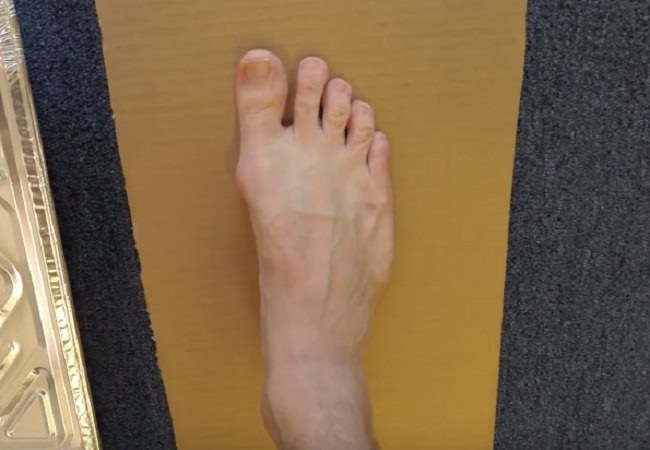
Remove your foot from the water and place it on thick paper or cardboard, with all your weight on that leg.

feet

Now all you have to do is check the results.

feet

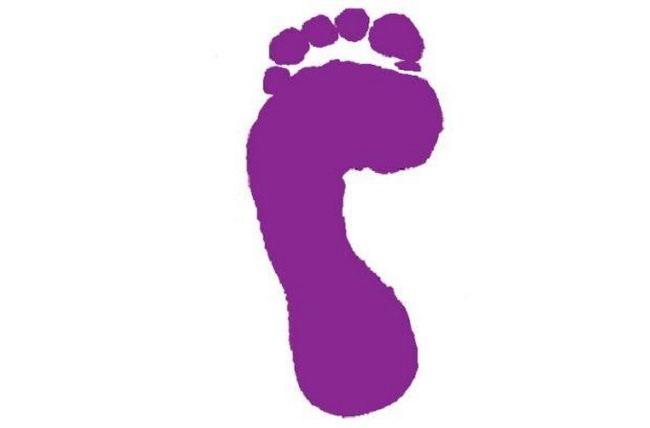
1. Medium neutral arch

You’ll see a 1-inch strip of wetness in the arch area

feet
  • Your feet are balanced, they have an excellent ability to absorb shocks and have good overall stability. However, if you put your great feet into not so great shoes, you may experience blisters or other problems.
  • The shoes that are suitable for you are Stability Shoes, which provides moderate support to the foot but are still shock absorbent, which means that you can easily find a shoe that fits your leg type. Before you buy shoes, remember to make sure they do not chafe or squeeze while trying them on.

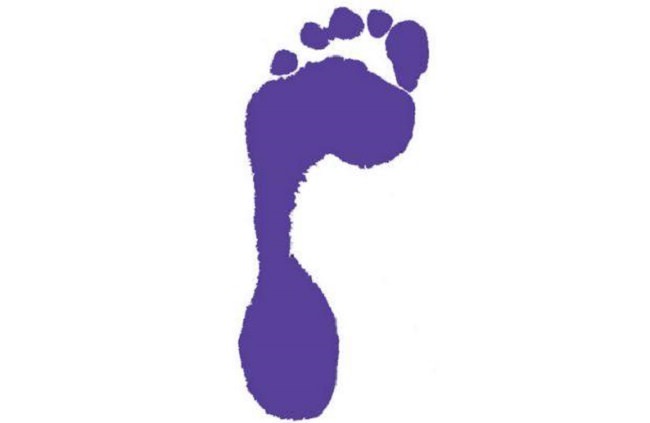
2. High arch

On the paper, you’ll notice an empty space between your heel and food pad, or you’ll notice a very thin line connecting between the two.

feet

  • You tend to lean on the outside of your feet while walking, which means that your legs are steady but aren’t very shock absorbent.
  • The shoes that are suitable for you are Neutral-Cushioned Shoes since you need well-padded shoes that are flexible enough to absorb shocks well enough to allow your feet to move freely. Also, if you often experience calf cramps, which can happen to people with such feet, be sure to choose shoes with a higher heel (not a high heeled shoe).

3. Low arch

You’ll see your whole foot stamped on the paper.

feet

  • Your feet aren’t stable enough, but at the same time, they are shock absorbent. As you walk, your feet are fully splayed out on the ground, which can create great friction and lead to injuries.
  • The most suitable shoes for you are the Motion Control Shoe. Motion control shoes aren’t too padded, providing great support to the arch of the foot so that it prevents the feet from being fully grounded at every step. Also, prefer to buy low-heeled shoes, which will help you stay steady while walking.
Once you understand and learn more about your foot type, you’ll know exactly which sneaker is a match for your physical data helping you improve your stability and health. Many professional sneaker stores have a device that allows you to get your foot type check so that you can confirm your self-test.
 

THIS IS ONLY FOR INFORMATION, ALWAYS CONSULT YOU PHYSICIAN BEFORE HAVING ANY PARTICULAR FOOD/ MEDICATION/EXERCISE/OTHER REMEDIES.                                                                                                                                                                                                             PS- THOSE INTERESTED IN RECIPES ARE FREE TO  VIEW MY BLOG-                                                                                           https://gseasyrecipes.blogspot.com/   

FOR INFO ABOUT KNEE REPLACEMENT, YOU CAN VIEW MY BLOG-                                                                                                    https:// kneereplacement-stickclub.blogspot.com/                              

FOR CROCHET DESIGNS                                                                                                                                                                                                                                 https://gscrochetdesigns.blogspot.com

Labels: , , , , , , , , , , , ,

Thursday, December 07, 2017

Angina — causes, risk factors, symptoms, diagnosis and treatment

Do you often feel a nagging pain in your chest? It’s time you stop blaming indigestion and heart burn for the same. You could have an angina attack.
What is angina?
Angina is the medical term used to describe chest pain originating from the circulatory system and the heart. It is not a disease or condition by itself. It is rather a crucial symptom that indicates an underlying heart disease.
Causes and types of angina
‘Angina is chest discomfort caused due decreased oxygen supply to a part of the heart muscle. It is caused due to partial or complete obstruction to arteries supplying the heart,’ says a consultant cardiologist.
Depending on the type of pain and the duration for which it lasts, angina is classified into 4 different types:
  • Stable angina: It occurs when the heart muscle has to work harder in order to pump blood. Situations like emotional stress, physical exertion and cold temperature may cause angina by interrupting the blood flow to the heart. This type of angina lasts for a short while and is relieved with medicines and rest.
  • Unstable angina: It is also called angina pectoris. It can occur without any exertion, while you’re at rest. Building plaque and obstruction of main coronary arteries usually is the primary reason causing unstable angina. The pain may last for 10-15 minutes.
  • Prinzmetal angina/Variant angina: It occurs due to spasms in the coronary arteries. Pain occurs at rest, particularly between midnight and early morning.    
  • Microvascualar angina: It is mild pain that usually lasts for longer than 10 minutes and may continue for 30 minutes or more. It occurs due to interrupted blood flow through the smallest coronary arteries.
Signs of angina
Dr.  explains a few feature of angina that differentiates it from regular chest pain due to other reasons not originating from the heart.
‘Angina is usually felt as pressure, heaviness, tightening, squeezing or aching across the chest, particularly behind the breastbone. This pain often radiates to the neck, jaw, arms, back or even the teeth. Patients may also suffer from indigestion, heart burn, weakness, sweating, nausea and shortness of breath.’
‘Any chest pain or discomfort which occurs at rest and continues for more than 10 minutes requires medical attention if it is associated with:
  • Profuse sweating
  • Giddiness
  • Weakness
  • Nausea
  • Light headedness
‘The threshold to consult a doctor should be low if the subject has risk factors for atherosclerosis (fat acculumation in arteries) like advanced age, smoking,diabetes, hypertension, family history of heart disease and obesity/sedentary life style,’ he explains.
Diagnosis of angina:
According to the Dr., angina can be difficult to differentiate from chest pain arising from other systems of the body. Therefore he suggests that it is best for you to let the doctor decide the cause of chest pain because self diagnosis could be misleading and may result in complications.
‘Chest pain can occur from almost any organ in chest other than heart like lungs, ribs, esophagus (food pipe), aorta (largest artery of body) and pericardium (layers of heart).  Any chest pain which typically precipitates on exertion and gets relieved on rest favours heart origin. A well localised pain, varying with phases of respiration or posture and any chest pain which is reproducible on palpation are unlikely to be coming from heart.
Depending on your explanation of chest pain and physical examination your doctor may recommend you the following tests to confirm angina and its underlying cause.
  • Blood tests: Certain blood markers like cholesterol and triglycerides can help identify the chances the artery blockage and plaque formation causing angina
  • ECG: Electrocardiogram is used to check the electrical activity of your heart using an ECG device
  • Echocardiography: It is a test that helps the doctor to visualise the heart real time to analyse how effectively it works
  • Coronary angiography: In this test, a specific dye is injected in the blood stream to check the rate at which blood flows through the arteries. It is an important test to identify CHD.
  • Stress test: A simple exercise test can determine the electrical activity and functioning of your heart while you’re exercising.
Treatment and prevention:
‘An untreated angina can result into full blown heart attack with severe damage to heart muscle. It can also result into shock like state resulting into irreversible damage to heart and abnormal heart rhythms,’ says the Dr. Therefore, early medical attention is important to get appropriate treatment at the right time. Here are some medicines that your doctor may prescribe you:
Medicines for unstable angina:
  • Blood thinning agents like heparin and nitroglycerin may be prescribed to improve blood blow though narrow arteries
  • Aspirin and clopidrogel may be prescribed to prevent blood clotting and reduce the chances of heart attack
  • Medicine to control blood pressure may be required if you are hypertensive
  • Statins may be prescribed to lower cholesterol
Medicines for stable angina:
  • Nitrates are given to prevent angina
  • Nitroglycerin, aspirin and clopidrogel may be prescribed to prevent blood clotting and improve blood flow through the arteries
  • Beta blockers may be given to lower heart rate and help it work smoothly
Surgical procedures
Angioplasty- It is the most common surgery performed to open up blocked arteries using a small device called stent.A stent is a small device that is placed in the blocked artery to open it up and improve blood flow.
Bypass surgery: In this procedure, a healthy blood vessel (called a graft) is used to form a bypass or another route to supply blood to the heart .
Since, heart disease is the underlying cause of angina, preventative measures include controlling risk factors that could lead to heart disease.
  • Eating healthy food, avoid junk is the mainstay for controlling cholesterol levels and maintaining a good lipid profile
  • Exercising regularly, at least 30 minutes every day, will help you lose weight, boost your good cholesterol levels and improve your heart function.
  • Smoking is the main cause of atherosclerosis that can lead to angina. So if you smoke, you should quit now                

    THIS IS ONLY FOR INFORMATION, ALWAYS CONSULT YOU PHYSICIAN BEFORE HAVING ANY PARTICULAR FOOD/ MEDICATION/EXERCISE/OTHER REMEDIES.   

    PS- THOSE INTERESTED IN RECIPES ARE FREE TO VIEW MY BLOG-                      

    HTTP:GSEASYRECIPES.BLOGSPOT.COM/
    FOR INFO ABOUT KNEE REPLACEMENT, YOU CAN VIEW MY BLOG-                                                                       
    HTTP://KNEE REPLACEMENT-STICK CLUB.BLOGSPOT.COM/
    FOR CROCHET DESIGNS

    HTTP://MY CROCHET CREATIONS.BLOGSPOT.COM

Labels: , , , , , , , , , , , , , , ,