The Many Uses of Hydrogen Peroxide
Hydrogen Peroxide is an active agent
composed of nothing more than water and oxygen. The oxidation process of
this substance is incredibly good at killing disease organisms. In
fact, it's considered to be one of the world's safest, all-natural,
sanitizers. It literally "burns" micro-organisms through oxidation.
However, this material has so many other
uses, it was really hard to pick only the best or most useful ones to
share with you. So, I've done my best to highlight some of the nifty
things you can do with it.
Tip: Make sure to only use the 3% solution for most of these items, and
do not use it for internal purposes (do not swallow). Higher-strength
solutions such as 30% may cause damage if ingested.
1. Whiten your clothes with HP instead of bleach
By adding a cup of HP to the white clothes
in your laundry, you will see a marked improvement in how white they
are. This is a great way of getting rid of really incessant stains such
as blood or wine. For blood, just pour directly on the spot, wait a
minute, and then rub and rinse under cold water.
2. Boost your immune system
Your body makes its own HP to battle infections. Our white blood cells,
also known as Leukocytes, are the cells responsible for fighting
disease, viruses, and infections, and some of them produce HP as their
first form of attack and defense from toxins, infections, viruses,
parasites and alike.
3. Make a rejuvenating detox bath
Take 2 quarts of 3% HP and pour it into a tub of warm water. Get in and
enjoy a good soak for about 30 minutes, adding hot water as needed. This
will help skin blemishes, detox your body and rejuvenate you in a way
you haven't felt before.
4. Treat foot fungus
To use HP to cure your foot fungus, make a mixture of 50% HP and 50%
water, and use a spray bottle to spritz the infected area (especially
the toes) every night. Let it air dry.
5. Treat Yeast Infections
Add 2 caps or 2 tablespoons of 3% HP to warm, distilled water once or
twice a week and use it to treat the problematic area.
6. Cleaning your toothbrush and other hygienic tools
There are many objects we use that need to be kept clean and sanitized,
such as your toothbrush, or your child's retainer. Use a small amount of
HP and dilute it with cold water to make a cleansing brew that will
make sure they are clean and germ-free.
7. Treating exterior Infections
If you have a cut that is infected, soak it
in 3% HP for about 5-10 minutes, several times a day. HP is extremely
good for treating infections, and you can also pour half a bottle of it
in your bath to get rid of the fungus, boils or any other skin
infections.
Note: Do not leave on open wounds for a long time, use the solution and
then wipe it off. HP can do tissue damage to open wounds if left on them
for too long.
8. Killing mite infections
Patients have reported that spraying HP on skin infected by tiny mites
that bite and cause irritation, effectively kills them with incredible
efficiency. Spray the area a few times, and wait a few minutes between
applications.
9. Taking care of your Sinus Infection
Add a tablespoon of 3% HP to 1 cup of (non-chlorinated) water, and use
it as a nasal spray. You may have to adjust the amount of HP used
according to the severity of the problem. Start with just the 1 spoon
first.
10. Use as a mouthwash and for tooth care
Take a capful or a tablespoon of 3% HP and hold it in your mouth for 10
minutes, once a day. Do not swallow, just spit it out. This will not
only get rid of and prevent canker sores but will also whiten your
teeth. It will also help in the event of a bad toothache you can't treat
right away. 10 minutes several times a day will lessen the pain to a
more manageable level.
It also makes for a great and inexpensive mouthwash. Again, make sure
not to swallow and rinse your mouth with regular water after use.
11. Lighten the color of your hair
HP is a bleaching agent and can be used to lighten your hair. Take a
bottle of 3% HP and dilute some with water (50/50). Take a shower and,
while the hair is still wet, spray it with the solution, then comb it
through. It won't look like a burnt blonde color, but a more natural
highlight for those with light brown, reddish or dirty blond hair. It is
also a gradual change so you won't have a drastic new look on your
hands.
12. Clean your contact lenses
As a great disinfectant, due to its remarkable skill in breaking down
the proteins that build upon the lens, HP can not only clean contact
lenses but will also increase the level of comfort if you have sensitive
eyes, removing those little biological irritants that most solutions
don't clean.
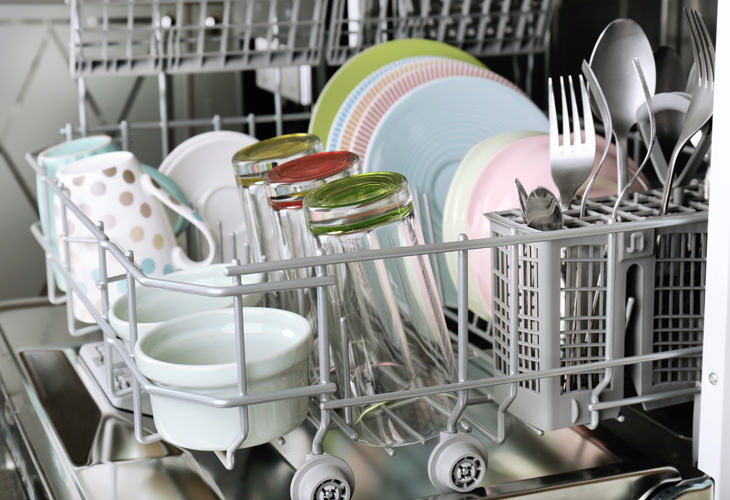
13. Boosting your dishwasher
Add about 2 oz. (60 ml) of 3% HP to your
regular formula, and see how much cleaner the dishes are.
14. Make sure your cooking surfaces are disease-free
Fill a spray bottle with the 50/50 solution we've talked about (50%
water 50% HP) and use it to spray your wooden cutting boards and cooking
areas after you are done, to kill salmonella or any other bacteria that
might be growing there. To be extra sure, use vinegar after the HP.
15. Make a cheap and effective disinfectant
Make a cheap and very effective disinfectant agent that is non-toxic and
can be used to disinfect fruits, vegetables, pet bowls, equipment and
alike. Combining vinegar and HP has been proven in several studies to
kill pretty much all Salmonella, Shigella, and E. coli bacteria. For
this, prepare TWO spray bottles. Don't mix these two together. One will
contain regular vinegar and the other regular hydrogen peroxide.
Tip: Light is bad for peroxide, rending it inactive. So the best thing
will be to keep it covered and in the bottle.
16. Treating Mold
If you have those little spots appearing on your walls, probably from
water damage, taking care of them is better done sooner than later, or
they can become toxic and dangerous. Clean them with HP a few times a
day to kill them off.
17. Help sprouting seeds
If you're trying to get a seed to grow stronger, add an ounce (30 ml) of
3% HP to 1 pint of water and let the seeds soak in it overnight. Every
time you rinse the seeds, add the same amount of HP. They will grow
faster and healthier.
18. Preparing Vegetables
Wash or soak vegetables in a full sink of cold water mixed with a 1/4
cup of 3% HP. Thin-skinned vegetables (such as lettuce) should soak for
about 20 minutes, while thicker-skinned ones (such as cucumbers) can
soak for about 30 minutes. Then drain, dry and refrigerate. This will
not only kill all bacteria and neutralize chemicals but will also make
sure they keep fresh in the refrigerator for longer.