Sunday, January 10, 2016

Neat Uses for Vodka

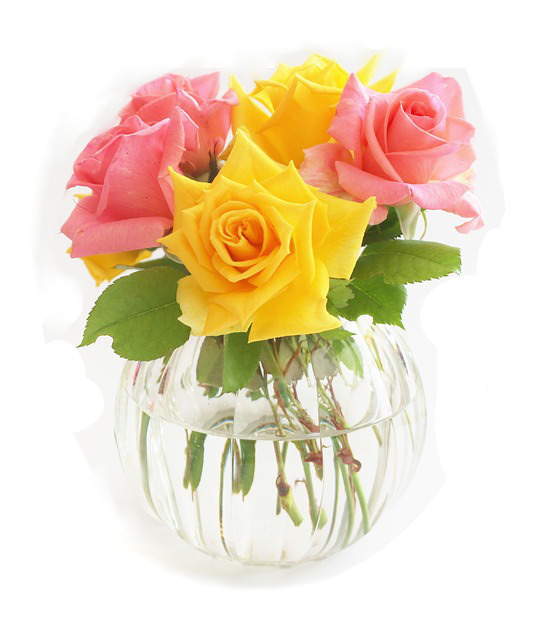
1. Keep flowers vital

Add vodka and a teaspoon of sugar to a vase of flowers.
 
2. Deodorize clothing.

Remove unpleasant odors and kill bacteria with a spritz of vodka. Hang the smelly clothing in a well-ventilated area and spray the garment with a 1/1 water/vodka solution. Let the garment dry, and the smell should be gone within a day. 
 
3. Shiny hair

Add 1.5 fl. oz (44ml) of vodka to your 12 fl. oz (354ml) shampoo for extra shiny hair.
 
4. Keep dark fabrics dark

Mix water and vodka, spray on dark clothes and linens, then machine wash.
 
5. Remove mold or mildew

Spray a bottle filled with vodka onto the mold, or mildew caused by caulking. Let this sit for 15 minutes. Scrub away the mold with an old toothbrush. 
 
6. Disinfectant for a cleaner mattress

Disinfect your mattress and pillows by spraying with a solution of water and vodka.
 
7. Sparkling clean glasses

Use vodka in a water solution to keep the lenses of glasses and sunglasses sparkling clean.
 
8. Clean windows and other kitchen surfaces.

This works for glass, chrome and porcelain: wet a soft cloth with vodka and then rub. Your surface will be shining like new.
 
9. Make homemade mouthwash

Combine a few drops of cinnamon, spearmint or tea tree oil with vodka and let this mixture sit for two weeks, for a high-octane homemade mouthwash.
 
10. Vanish foul odors from shoes

The smells that reek from your shoes are from bacteria, which like to live in the moist dark areas. Spray your shoes with vodka to kill both smells and bacteria. Soaking your feet in vodka also cures odorous feet.
 
11. Create homemade hand sanitizer

Because vodka kills bacteria, it makes for the perfect sanitizer. Fill a small spray bottle with vodka and mist your hands whenever necessary. 
 
 
12. Protect against bugs 

The high alcohol content in vodka is a killer to insects. Mix with water in a spray bottle and either squirt on yourself or the bugs, for a bite-free outdoor experience. 
 
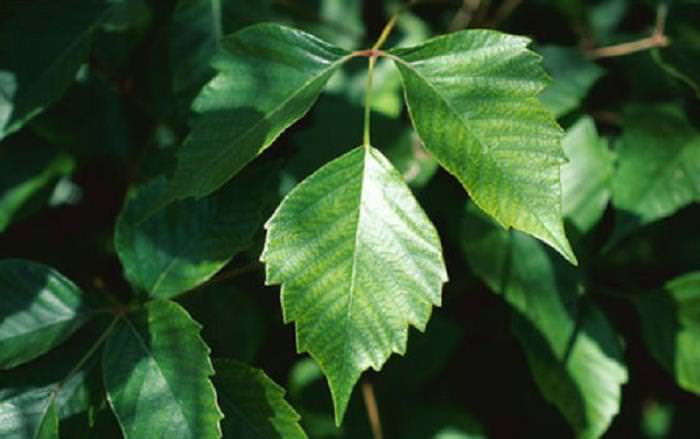
13. Treat poison ivy
vodka

Wash the infected area with vodka, then rinse with warm water. Dry and repeat, rubbing the area with a vodka dipped cotton ball several times and letting it air dry. This also works for treating Jellyfish stings.
 
14. Remove Band-Aids painlessly

Dab the area around the Band-Aid with a cotton ball dipped in vodka to ease the removal without any ripping pain.
 
15. Polish silver jewelry

Pour some vodka in a dish and swish the piece of jewelry around. Dry and shine with a cloth. If the item is really dirty let it soak and then scrub the dirt away with a toothbrush. Swish it in the vodka again and let it dry.
 
16. Use as an ice pack

Place a mixture of water and vodka in a sealable plastic bag and freeze. The vodka keeps the contents from freezing completely for a semi-solid texture which applies perfectly to bumps and bruises.

THIS IS ONLY FOR INFORMATION, ALWAYS CONSULT YOUR PHYSICIAN BEFORE HAVING ANY PARTICULAR FOOD/ MEDICATION/EXERCISE/OTHER REMEDIES.

FOR INFO ABOUT KNEE REPLACEMENT, YOU CAN VIEW MY BLOG
HTTP://KNEE REPLACEMENT-STICK CLUB.BLOGSPOT.COM/

FOR CROCHET DESIGNS- http://My Crochet Creations.blogspot.com/

Labels: , , , , , , , ,

Wednesday, October 28, 2015

11 Uses for Bleach Other than Bleaching

THIS IS ONLY FOR INFORMATION, ALWAYS CONSULT YOU PHYSICIAN BEFORE HAVING ANY PARTICULAR FOOD/ MEDICATION/EXERCISE/OTHER REMEDIES.

FOR INFO ABOUT KNEE REPLACEMENT, YOU CAN VIEW MY BLOG
HTTP://KNEE REPLACEMENT-STICK CLUB.BLOGSPOT.COM/

FOR CROCHET DESIGNS- http://My Crochet Creations.blogspot.com/


One of the most common household cleaning detergent is bleach, which is the commercial name for a number of chemicals that whiten, remove color and disinfect. The chemical we’ll be referring to in this article is chlorine. Bleach is mainly used to whiten fabrics and disinfect toilets, amongst other things, but bleach can do much more. WARNING: When dealing with bleach, make sure you wear gloves, avoid any contact with the eyes, and use it only in well-ventilated areas.
1. Herbicides
Bleach is harmful to plants and can thus be used as a highly effective herbicide. Use it on areas where you don’t want plants to grow or where weeds are a problem. Be careful to not overdo it – spray a 1/1 mixture of water and bleach, or use a few drops directly on the plant you wish to kill.

2. Pesticide and insect repellent
If you’re suffering from an infestation, it can be easily treated with bleach. Most insects breathe through their exoskeleton, so spraying them with bleach is an effective eradication method. During mosquito season, leaving a cup with a 1/1 mixture of water and bleach keeps the little biters away. Bleach can also get rid of insect eggs, as well as disrupt the chemical trails some bugs (like ants) use to find their way into your home.
3. Extend the life of flowers in a vase
If you love decorating your house with fresh flowers but are having a hard time keeping them alive, simply add a very small amount of bleach to the water. This will destroy any bacteria and fungus in the water and allow your plants to flourish, as well as prevent water and algae stains in the vase. Be careful not to add more than ¼ teaspoon to 1 cup of water.
11 Uses for Bleach
4. Remove moss and mold
To get rid of moss and mold from tiles, pour half a cup of bleach into ½ gallon of water, then use an old broom to scrub the tiles with the mixture. The bleach will remove any and all of the moss and mold, leaving your tiles clean and non-slippery. This is also effective on concrete surfaces, sidewalks, pavement and even roofing shingles.
5. Polishing china and glassware
Mix a teaspoon of bleach in a cup of water, then use a white, damp kitchen towel to polish and disinfect them. It can also be used to polish silverware but be sure to wash them thoroughly afterwards.


6. Treating foot fungus and malodorous feet
If you’re suffering from a bad case of smelly feet or any kind of foot fungus, you know the embarrassment and social stigmas that go along with them. While exposing your skin to a high concentration of bleach is very bad for it, soaking your feet in a tub filled with a gallon of hot water and ¼ cup of plain, non-concentrated bleach will do wonders for your feet. Don’t soak your feet for more than 5 minutes, and then rinse them and scrub them clean. (Do not do this if you have open wounds or sores on your feet!)
7. Powerful disinfectant
If you like to buy things at thrift stores or garage sales, or want to use something that has been stored for a while in a musty garage, you may want to get them cleaned up before you start using them. Make sure they’re safe to use with bleach, then leave them in a tub filled with a gallon of water and a ¼ cup of bleach. Leave them there for 10 minutes and then rinse them, and they’ll be as clean as a whistle.


8. Disinfect gardening tools
You wouldn’t want a doctor to use tools that were used on a sick person without disinfecting them, right? The same goes for gardening tools. You use them to cut and remove sick or rotting plants, and if you don’t disinfect them afterwards, you can infect healthy plants when you use it on them next. Get a bucket and fill it with about ½ gallon of water, and then add ½ a cup of bleach. Soak your garden tools in it, and then let them air dry. This is also effective at preventing them from rusting.


9. Cleaning your garbage cans
Even the sturdiest of garbage bags can rip and leak nasty substances into your bin, leaving it foul and smelly. When you notice that your trash can is starting to reek, mix some bleach with hot water, wear some gloves and scrub the walls of the bin, then pour the remnants into the toilet (bleaching it too) and give the bin a good rinse.
10. Polishing plastic furniture
Plastic furniture often is susceptible to grime and bacteria build-up in their nooks and crannies, making them very hard to clean. The solution is to wear a pair of gloves, mix ½ a cup of bleach into ½ a gallon of water and use a brush or a towel to scrub them clean.
11. Disinfecting towels
Got white towels that are turning beige or starting to smell funky? Soak them in water with a small amount of bleach, effectively killing any bacteria or mold that may have formed in the fibers. This is also a good thing to do when a family member is sick, and you need to disinfect the towels to reduce the likeliness of infection. Make sure you only use white, 100% cotton towels, otherwise they’ll turn yellowish.

Labels: , , , , , , , , , ,