14 Amazing Health Hacks For Your Body
Our bodies are amazing and complex systems
that we often do not have much control over. However, if you understand
some of the processes in your body, you can sometimes get it to do what
you want. The following tricks can help you be more in control without
requiring any tools. In fact, many aches and pains can be solved without
having to resort to pills or visiting the doctor.
1. Quickly relieve headaches and migraines
Why not try a natural way to relieve pain without having to resort to a
painkiller?
Acupressure is an effective way to do so in 5 minutes.
There is a Shiatsu point in your hand that is good at relieving pain in
the frontal lobe. This spot is located in the webbing between your index
finger and thumb, on the highest muscle point very close to where the
bones meet. Using your thumb and index finger, press hard on the muscle
from both sides, placing the thumb on the back of your hand and the
forefinger underneath. This technique can also be used with shoulder
pain, toothaches and labor pain.
2. Ensure you remember something
If you want to make sure to remember something, timing is key. Encoding
information before you go to sleep is one of the best ways to help your
memory. This is because memory consolidation happens when you’re
sleeping - that's when all the short-term memories are transferred to
the long-term memory. If you want to do well on a test or work
presentation, it’s best to revise before you head to bed.
3. Slow your heart rate down
If you’re nervous or have to run to get
somewhere, your heart pounds. One way to slow your speedy heart rate
down is by breathing. Your vagus nerve governs your heart beat and to
lower it back to a normal rate, you need to stimulate it. Pinch your
nose and try to breathe out while keeping your mouth closed. You’ll
increase the pressure in your chest, which will stimulate the vagus
nerve.
4. Stop a nosebleed
Most nose bleeds originate from the front of your septum, the cartilage
wall that divides the nose in two. If you want to stop any bleeding the
trick is to press hard against your upper gums. Find the spot behind the
tiny dent below your nose. I recommend placing a swab of cotton wool or
gauze behind your upper lip.
5. Control dizziness from alcohol
This won't stop you from being tipsy or drunk, but it can stop you from
falling flat on your face. Balance is controlled by the sensory organs
in your inner ear, which has fluid with the same density as blood. When
you drink alcohol your blood is diluted and the fluid that the sensory
organs float in is raised, confusing the brain and your sense of
balance. You can provide your brain with a different stimulus for
improved perception. Put your hand on something stable. Your hand's
sensitive nerves give the brain a tactile input so that it can re-assess
the situation and offer you a clear view while enjoying a drink.
6. Your sleeping position can fight acid reflux

The way you sleep can affect your acid
reflux because of the position of your internal organs. Your stomach and
esophagus connect at an angle. The position you sleep in determines
which body part is higher. If you sleep on your right side, your stomach
is positioned higher, allowing stomach acid to enter your esophagus
easily. By sleeping on your left side, you make it difficult for the
acid to reach the upper parts of your digestive system, as it would have
to go against gravity.
7. Clear a stuffed nose
Use this osteopathic trick to clear a blocked nose. You can loosen
congestion by getting the vomer bone, one of your facial bones, to rock
back and forth. First you need to thrust your tongue against the roof of
your mouth, and then you need to press one finger between your
eyebrows. Alternate between these two movements and you should begin to
feel relief after 20 seconds.
8. Give blood without pain
If you fear needle pricks, coughing might be the solution for you.
Coughing can diminish the pain. When you cough, you increase pressure in
the chest and spinal canal, inhibiting pain signals from going up the
spinal cord. It’s important to let the person taking your blood know
that you would like to try this technique.
9. Relieve a tickling throat
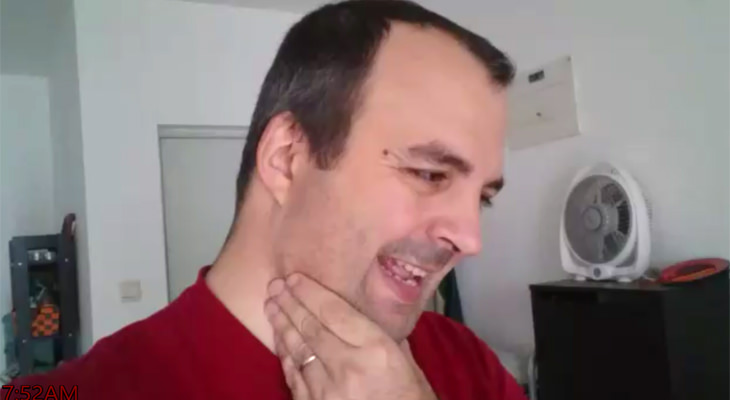
A tickling throat can drive anyone mad. All
you want to do is give it a scratch. Here’s a trick to do this
indirectly: Just scratch your ear. When you stimulate your ear nerves,
you cause a reflex in the throat, which can make your muscles spasm.
This muscle contraction soothes the itch and in turn, your throat too.
10. Cool your nerves with water
If you’re feeling a bit anxious, splash cold water on your face. This is
a terrific way to calm yourself down. If you hold your breath at the
same time, it can be even more effective. This triggers an old mammalian
reflex: Your body thinks you’re diving into cold water. Your body will
then want to economize on oxygen as it senses there will be a shortage.
This encourages you to take deeper breaths and relaxes the nervous
system.
11. Distract yourself from needing to go
If you suddenly find yourself needing to urinate and you're far from a
bathroom, here’s a clever distraction to holding it in longer. Redirect
your thoughts to something more consuming. Experts at Baylor College of
Medicine recommend thinking of something that turns you on or makes you
fantasize. This will distract your brain from your bladder until you can
find a toilet, without any unfortunate accidents.
12. Unstitch your side when running

It’s common to feel a burning pain on the
right side of your stomach when you run or overexert yourself. This pain
stems from your liver, which is located below your rib cage. This comes
from a movement pattern many people follow while running. If you exhale
when your right foot hits the ground, you apply downward pressure on
your liver, creating a stitch when it jerks your diaphragm, one of the
biggest breathing muscles. Prevent getting a stitch by paying attention
to the movement of your feet. Make an effort to exhale when your left
foot hits the ground.
13. Swallow tablets effortlessly
Many people struggle with downing pills and, to add insult to injury,
many medications come in large capsules, causing much stress and
discomfort. A lot of people will put their heads back to swallow pills.
This doesn’t help. For better success take a sip of water, tilt your
head forward and then swallow the tablet. The pill goes down easier when
floating in water.
14. Hold Your Breathe longer underwater
This trick to holding your breath underwater is to deceive your brain
into thinking there is more oxygen in your system than you actually
have. The urge to breathe comes from a buildup of carbon dioxide in the
blood, and not a lack of oxygen. You can do this by hyperventilating. If
you take a few short, quick breaths before you dive in, you can enjoy
being underwater for at least 10 seconds longer.
T