Monday, November 23, 2026

How to Enjoy Salad Without Fear of Food Poisoning

We are all told to eat more fruits and vegetables – and rightly so. They are one of the cornerstones of a healthy, balanced diet at any age. But every so often, news of a food poisoning outbreak linked to lettuce, berries, or melons makes us pause and wonder: is my salad actually safe to eat?

The good news is a reassuring yes. There is no need to give up fresh produce. With a few simple habits, you can keep enjoying your favorite fruits and vegetables while lowering your risk of ever getting sick. Here is what you need to know about the most common culprits – and how to handle each one safely. 

Lettuce and Leafy Greens 
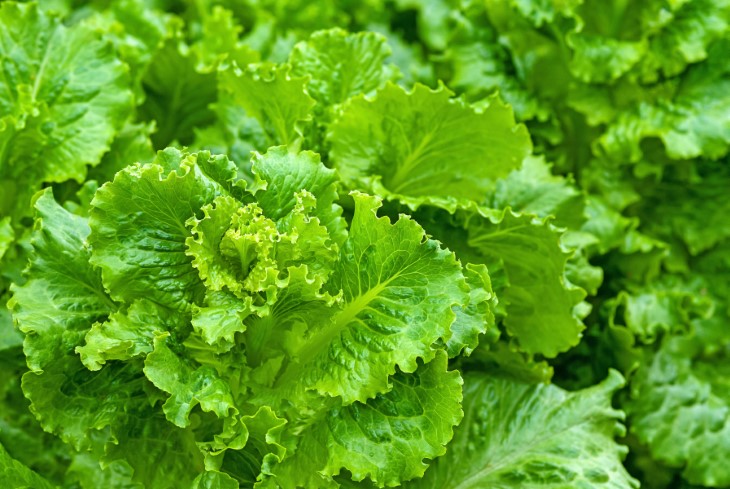
 safe salad eating

 Leafy greens like lettuce and spinach are among the most common sources of food poisoning, and the reason is simple: we usually eat them raw, so there is no cooking step to kill off any harmful germs. Contamination can happen anywhere along the way – from unclean water in the soil to dirty processing equipment.

To stay on the safe side: 

Always wash your hands, cutting board, and knife with warm water before preparing greens. 

Rinse the leaves thoroughly – even bags labeled “pre-washed.” 

Peel off and throw away the outer leaves of a lettuce head, where germs are most likely to sit. 

Skip any bag with slimy, mushy, or browned leaves, and avoid pre-made salads that have been sitting out at room temperature.

Raw Sprouts
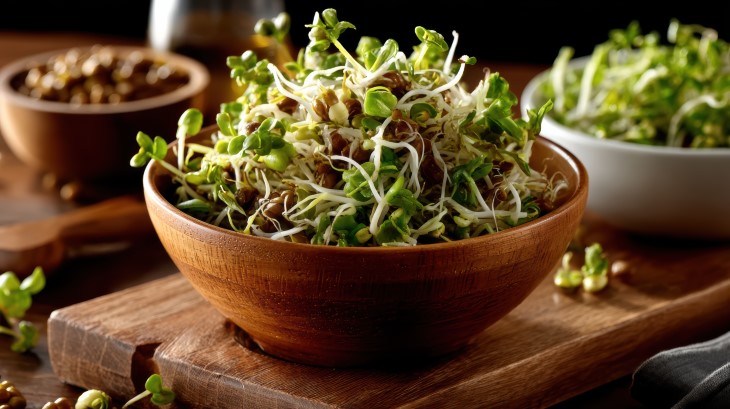
 safe salad eating

Raw sprouts – such as alfalfa, mung bean, clover, and sunflower – are one of the riskiest items in the salad bowl. Sprouts are grown in warm, moist conditions, which unfortunately are also the perfect breeding ground for bacteria like Salmonella and E. coli. 

The simplest solution is to cook your sprouts, which kills off harmful germs while still letting you enjoy them. Health authorities also advise that pregnant women avoid raw sprouts altogether, since they are especially vulnerable to these bacteria. 

Fruit: Berries and Melons
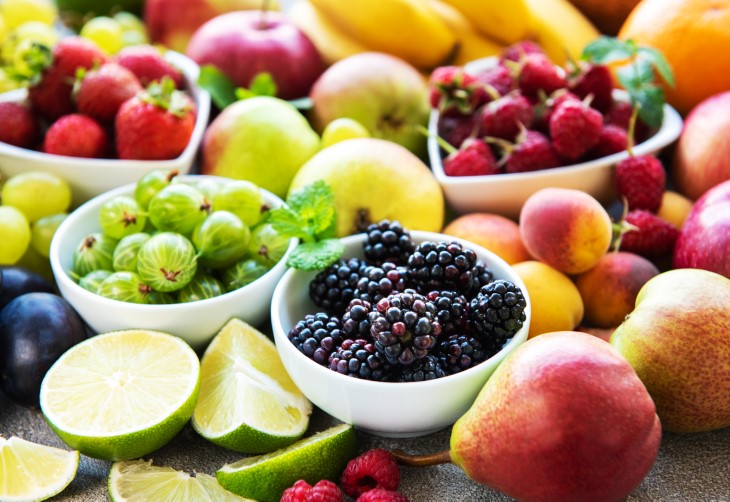
 
safe salad eating

Fresh fruit deserves a little care, too. Berries such as strawberries, raspberries, and blueberries can carry viruses and bacteria, often the result of poor hygiene during picking and packing. 

Melons like cantaloupe, watermelon, and honeydew carry a particular risk. Bacteria can live on the rough outer rind and then spread to the sweet flesh inside the moment you slice through it. A good scrub makes all the difference.

 Wash all fruit before eating, and cook it when you can for extra safety. 

For melons, scrub the entire rind well – ideally with a clean brush – before cutting. 

Eat cut fruit right away, or pop it straight into the fridge.

 Steer clear of pre-packaged fruit salads that haven't been kept chilled. 

A Simple Idea: Salads Without Leafy Greens
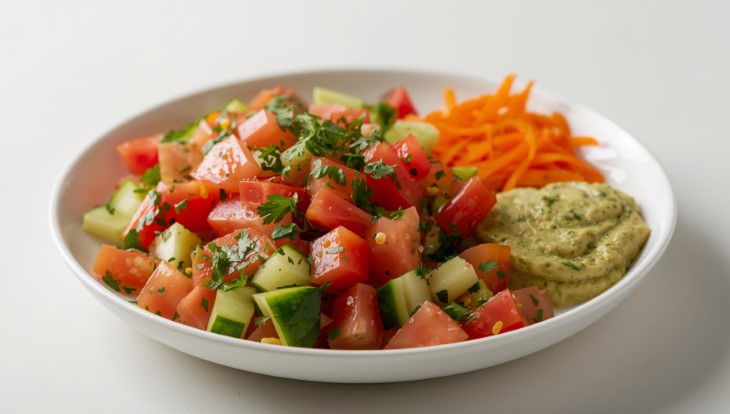
 
safe salad eating

If you'd like a break from lettuce, there are plenty of delicious salads that skip the leafy greens entirely and are naturally lower-risk. 

Hearty bean and grain salads are filling, keep well, and are perfect for making ahead. 

A few tasty options to try: Green bean salad with quinoa and feta 

Winter fruit salad with citrus, jicama, and pomegranate

Chickpea and tomato salad with feta 

Make-ahead Southwestern pasta salad


This is only for your information, kindly take the advice of your doctor for food, medicines, exercises and so on.   


Labels: , , , , , ,

Tuesday, February 21, 2017

Food-borne bacteria up miscarriage risk early in pregnancy

Pregnant women are warned to avoid many of the foods -- among them unpasteurised milk and soft cheese, raw sprouts, melon and deli meats not carefully handled -- that can harbour listeria, because the bacterium is known to cause miscarriage and still-birth, and spur premature labour. 

Listeria, a common food-borne bacterium, may pose a greater risk of miscarriage in the early stages of pregnancy than previously thought, says a study.

“For many years, listeria has been associated with adverse outcomes in pregnancy, but particularly at the end of pregnancy,” said one of the researchers Ted Golos, Professor at University of Wisconsin-Madison in the US.

“What wasn’t known with much clarity before this study is that it appears it’s a severe risk factor in early pregnancy,” Golos said. 

Pregnant women are warned to avoid many of the foods -- among them unpasteurised milk and soft cheese, raw sprouts, melon and deli meats not carefully handled -- that can harbour listeria, because the bacterium is known to cause miscarriage and still-birth, and spur premature labour. 


But when it occurs, listeria infection in pregnancy may go unnoticed. 

For the study, four pregnant rhesus macaques at the Wisconsin National Primate Research Centre were fed doses of the listeria comparable to what one might encounter in contaminated food. 

None of the monkeys showed obvious signs of infection before their pregnancies came to abrupt ends, according to the results published in the journal mBio.

But in tissue samples taken after each monkey experienced intrauterine fetal death, the researchers found that listeria had invaded the placenta -- the connection between the mother-to-be and the foetus, which usually prevents transmission of bacteria -- as well as the endometrium, the lining of the uterus.

The researchers believe the inflammation caused by the maternal immune response to the fast-moving listeria also affects the placenta, keeping it from protecting the foetus.

The results suggest listeria (and perhaps other pathogens) may be the culprit in some miscarriages that usually go without diagnosed cause.

“There are effective antibiotics available. It is treatable,” said lead author of the study Bryce Wolfe, a graduate student at University of Wisconsin-Madison.

“The issue is that because it’s asymptomatic, the foetus may be infected by the time anyone realises the mother was infected,” Wolfe explained.

 this is only for your information, kindly take the advice of your doctor for medicines, exercises and so on.
https://gscrochetdesigns.blogspot.com. one can see my crochet creations
https://gseasyrecipes.blogspot.com. feel free to view for easy, simple and healthy recipes 
https://kneereplacement-stickclub.blogspot.com. for info on knee replacement

Labels: , , , , , , , , , ,