Friday, March 25, 2022

These Yoga Poses Will Normalize Your Appetite in 5 Minutes

Stress, hormones, and even intense exercise can all make you overeat, which can soon snowball into a full-blown bad habit. This harmful habit is destructive to your heart and digestive health, plus it negates all the hard work you put into your well-being and fitness.

To combat overeating and to regain control over your own appetite, try one or more of these yoga postures, designed specifically for said problem. Apart from normalizing your appetite, these poses have tons of other health benefits and will make you feel great. On top of that, doing these yoga asanas takes only a few minutes tops. 
 
1. Downward Facing Dog
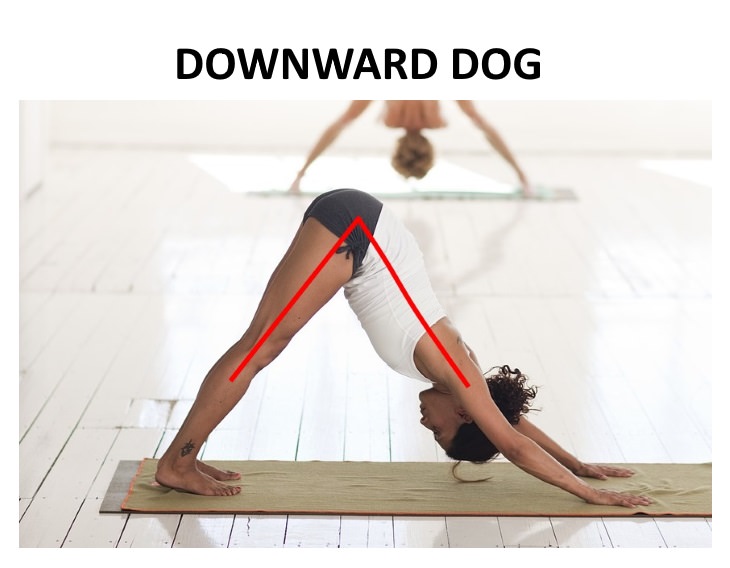
toga appetite control Downward facing dog
Downward-facing dog is one of the most famous yoga positions for a good reason, as it combines the benefits of a forward fold and engages the abdominal muscles at the same time. Apart from preventing you from overeating, it has the following health benefits: 
balances blood pressure 
engages the abdominal muscles 
relieves lower back pain 
promotes intestinal health 
 
This pose is an overall body and mind strengthener. 

How to do the pose: 
Step 1. Start from an all fours position. Your knees should be directly under your hips and hands should be at shoulder width. This alignment ensures your weight will be spread equally throughout your body once you’re in downward dog. 
 
Step 2. As you breathe in naturally, slowly lift your knees and elbows and straighten them, if possible, until your body looks like a downward letter "V". Situate yourself comfortably in the posture, breathe in slowly and mindfully, sucking your belly in and distributing the weight equally through your legs and shoulders. 
 
Hold this position for at least 10 cycles of breath, then slowly land back on your knees and elbows. 
 
Important note! A common mistake in downward dog is that people try to straighten their legs and not their lower back. The most important thing in this posture is a straight spine, so engage your belly and straighten the spine as much as you can... and the legs can stay bent. 
 
2. Plank Pose 
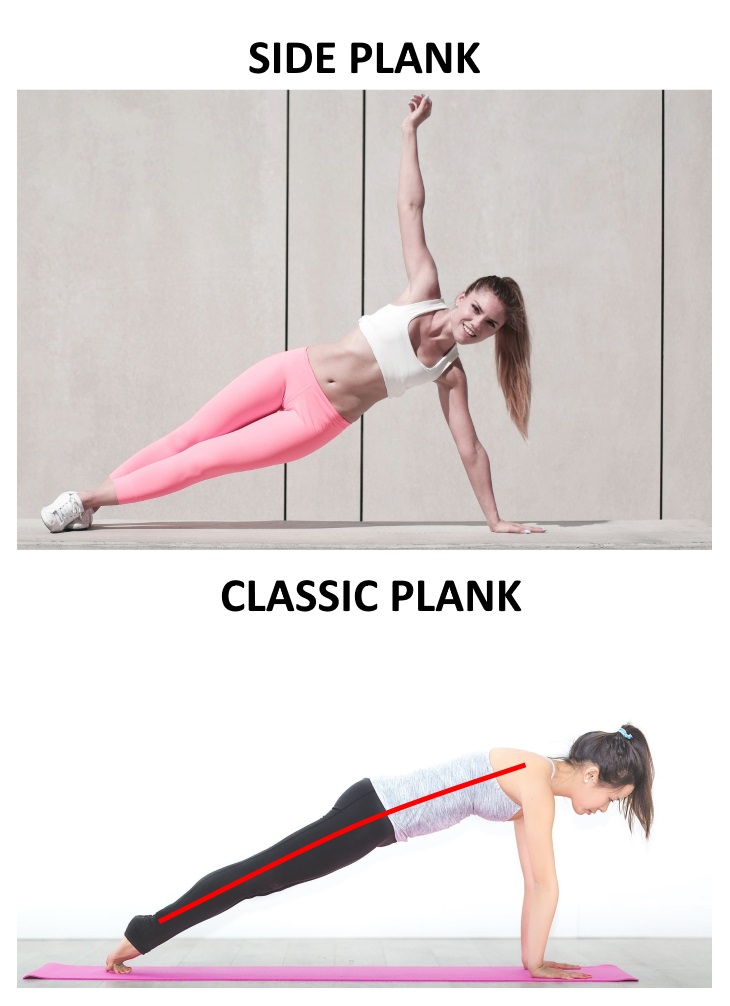
toga appetite control Plank and side plank
Another “celebrity” yoga pose, the plank is an essential component to most workout routines. Did you know that it can tame your naughty appetite, too? Apart from that, planks are excellent full-body strengtheners, as well as mood boosters and belly fat erasers. 
 
How to do the pose:  
Step 1. We recommend you start your plank from the downward facing dog position. The trick in this pose is to start when you’re exhaling and gradually moving your head and chest forward while simultaneously engaging your core and buttocks even more. Eventually, your body will form a sideways "L" position.

Step 2. Once you’re situated, make sure your spine and legs form a straight line. To do that, you have to engage your thighs and glutes quite a bit. Also, make sure to keep your neck relaxed. To do that, spread and pull your shoulders down. 
 
Hold this position as long as you can, start with around 5 breaths and then evolve until you can hold it for 2-3 minutes. 
 
When that becomes easy, you can move to a more difficult variation called the side plank (see picture above). To do it, just move your center of balance to one hand and lift the other. To maintain the balance, move the leg that’s closer to the floor a bit forward like the woman on the picture. 
 
Also, don’t forget to repeat it on the other side.

3. Lotus Pose  toga appetite control lotus

One of the most effective breathing and meditation poses is the famous lotus position. It has several benefits: it can help you focus and disconnect from the stresses of the world, concentrating on a deep breath. This calming effect is also reflected in your emotional state and appetite, calming and normalizing both.

How to do the pose: 
Step 1. Sit down on the floor with your legs bent at your knees and crisscrossed to form a comfortable seat. The goal here is for you to sit comfortably and to have a straight spine. 
 
Tip: if you did as instructed and still can’t straighten your back, grab a pillow (or two) to sit on. This will lift you up and make it easier to straighten your spine.  
 
Step 2. The standard lotus requires for you to fold your legs so that your feet stick out, like two lotus flowers. This posture can be hard on your knees, though, as it requires extreme outward knee rotation. That’s why many yoga teachers nowadays recommend spreading the knees with the feet folded below them like the picture on the right shows. 
 
You can hold this position for several minutes and simply focus on DEEP breathing.
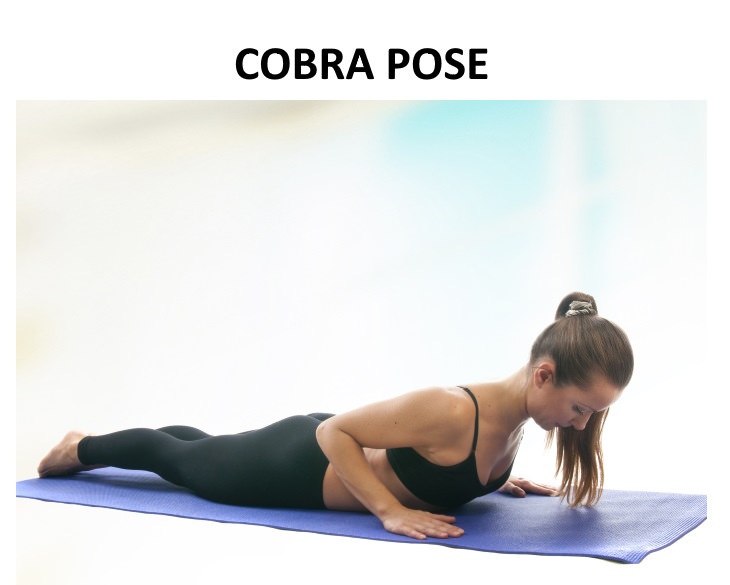
4. Cobra Pose 
toga appetite control cobra
 This wonderful pose activates the entire upper body and does wonders for your spine. It can relieve neck and back pain and is very beneficial to digestion, which is why it can normalize your urge to eat.

How to do the pose: 
Step 1. Lie down on your stomach, legs straight and arms bent in the elbows like a grasshopper. Your hands should be on the floor right next to your ribcage. Breathe in, relax your shoulders and pull out your neck. This position will ensure that you don’t hurt your neck. 
 
Step 2. On an inhale, engage your abdominals, your side body muscles and your back muscles as you slowly lift up your head, shoulders and upper torso as high up as you can. Don’t worry if your arms won’t be straight and remember that your torso should be doing all the work, and not your arms. 
 
Make sure to keep your shoulders relaxed and neck straight. 
 
Hold the position for 5 breaths or as long as you can until you return to your initial position. 
 
5. Tree Pose  toga appetite control tree pose variations

This balancing posture will calm your nerves and your digestive system. It is also beneficial for your posture and spine health.

How to do the pose: 
Step 1. Stand up straight with your arms on your sides. As you breathe in, raise one leg and put it on the other thigh. Can’t maintain the balance with your leg on your thigh? No worries, you can always keep it on your knee or slightly above the ankle. If you’re afraid of falling, practice this pose by the wall. 
 
Step 2. When it comes to your hands, you have many options: you can either keep them together in front of your torso or lift them overhead (try simply holding them up and then connecting them like on the left picture). If none of those work for you, just rest them on your sides. 
 
Hold as long as you’d like, slowly breathing and focusing on your breath and don’t forget to repeat on the other side.

6. Half-Boat  toga appetite control half-boat
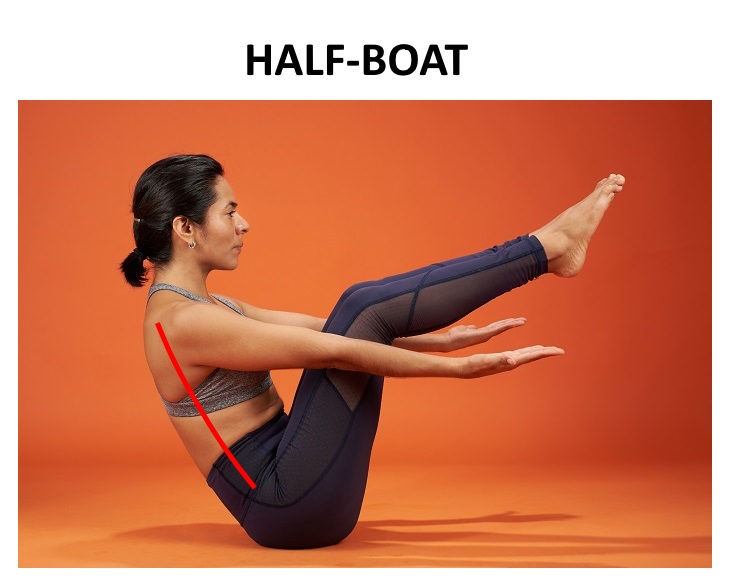
Boat positions come in different variations, and this specific one targets digestion. The side effects of doing this pose is a toned belly and thighs, and not only a happy digestive system. 
 
How to do the pose: 
Step 1. Sit up straight on the ground with your legs bent and parallel to each other. Engage your core and lift your arms, palms facing up until they’re parallel to the floor.
Step 2. When you’re ready, slowly lift your legs as high as you can by engaging your abdominal muscles. It is important to keep a straight lower back. No need to straighten your legs in this variation. 
 
Hold this position as long as you can, but don’t overdo it because it is a very intense core exercise. 
 
Tip: if you find that it is difficult for you to feel your core and maintain a sense of balance in the posture, try engaging your inner thighs or even holding a book between the legs to make you do so. 
 
7. Plow Pose  
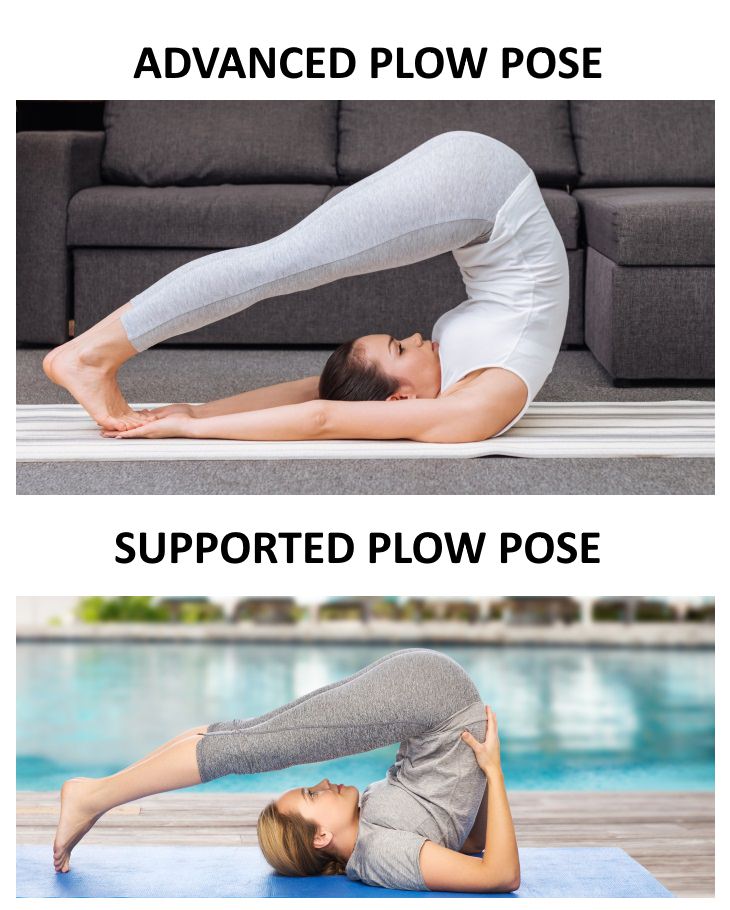
toga appetite control plow variations
Any inverted position is essential for digestive health. This position is particularly beneficial to your pancreas and liver. Many people also experience a sense of release in the lower back while doing this position, so it’s a real multitasker. 
 
We understand that this pose may look challenging, but it is much easier than it looks and we will give you a few variations of it, so find one suitable for you. 
 
Important note: Women on the first few days of their period and people who experience high blood pressure should avoid this posture.

How to do the pose: 
 
Step 1. Lie down on your back with your arms parallel to your body. Use your hands to support your lower back from the sides as you slowly lift your legs overhead. Knees can be bent or straight, feet can reach the floor or not. 
 
Step 2. If you’re a beginner, support your lower back with your arms like the woman on the lower picture. If you’re more confident, you can move your hands towards your feet and maybe even touch them (see upper picture). 
 
Wherever you are, relax and make 5-10 breaths in this position. 
 
8. Warrior Pose  
 toga appetite control warrior
From the many warrior positions, this is the one that targets increased appetite, digestion, as well as balance and flexibility. Like all the warrior positions, it also aims to boost your mood and confidence

How to do the pose: 
 
Step 1. Stand up straight. Now take a big step back with one foot, placing the foot at a 45º angle. The step should be just big enough for your knee to create a 90º angle when bent. 
 
Step 2. Once your legs are situated, stretch your hands straight parallel to the earth like the woman on the picture. You can either look straight or in the direction of the bent knee in this posture. 
 
The goal of this posture is to stretch your side body as much as you can, so stretch your hands and back leg as wide as possible to the sides, just like a starfish. Hold the posture for 5-10 breaths and repeat it on both sides.

This is only for your information, kindly take the advice of your doctor for medicines, exercises and so on.   

https://gscrochetdesigns.blogspot.com. one can see my crochet creations  
https://gseasyrecipes.blogspot.com. feel free to view for easy, simple and healthy recipes    
https://kneereplacement-stickclub.blogspot.com. for info on knee replacement

Labels: , , , , , , , , , , ,

Friday, December 13, 2019

Common Causes and Treatments for Acid Reflux

Acid reflux disease, also known as gastroesophageal reflux disease (or GERD), occurs when the lower esophageal sphincter (or valve to the stomach) doesn’t open and close properly. An faulty lower esophageal sphincter (or LES) will trigger the overproduction of stomach acids into the esophagus (heartburn). The presence of a stomach abnormality (or hiatal hernia) can also cause the LES to continually allow stomach acid up into the esophagus. This triggers the painful yet well known symptoms of heartburn—including burping, nausea, hiccups, bloating, sore throat, and burning food regurgitation.

Acid reflux is typically diagnosed when GERD symptoms occur more than twice a week. Of course, acid reflux can be exacerbated if patients:
● Are overweight
● Suffer from Dysphagia (narrowing esophagus)
● Smoke
● Eat acidic inducing foods (i.e., onions, fatty foods, garlic, chocolate, tomatoes, citrus)
● Lie down following meals
● Tend to overeat
● Snack right before bedtime
● During pregnancy
● Regularly take muscle relaxers, blood pressure medications, aspirin, or ibuprofen
● Drink gassy beverages (i.e., beer, carbonated drinks, coffee)


In many cases, doctors will recommend a combination of lifestyle changes combined with over-the-counter medications to treat GERD:
1. Lifestyle changes
Many patients with acid reflux significantly reduce their symptoms by quitting smoking, eating smaller, frequent meals to prevent heartburn, losing weight, avoiding tight or compressive clothing, and consuming meals at least 3 hours before lying down.


2. Over the counter antacids
Several over the counter remedies can do their part to help reduce acid reflux symptoms. Many health professionals recommend daily use of Riopan, Rolaids, Alka-Seltzer, Maalox, and Mylanta to help neutralize stomach acid and soothe GERD. However, keep in mind that long term antacid use can cause diarrhea or constipation.


3. Prescription medications
For chronic, severe GERD, doctors often prescribe a combination of drugs to reduce stomach acids (i.e., H2 blockers like Zantac), stomach coaters (i.e., foaming agents like Gaviscon), and Proton pump inhibitors, like Prilosec and Nexium).


4. GERD surgery
When over the counter remedies, lifestyle changes, and prescription medications are unable to provide relief from acid reflux, doctors may recommend surgery in extreme cases when GERD is impacting daily life. The common surgeries conducted as a last result on extreme GERD cases include:

● Fundoplication surgery, which creates an artificial valve by making a tiny incision in the abdomen and wrapping the upper part of the stomach around the LES to repair a hiatal hernia.
● LINX surgery, surgically implants a LINX ring around the outside of the lower end of the esophagus to strengthen the LES and block stomach content from regurgitating back up into the esophagus.


this is only for your information, kindly take the advice of your doctor for medicines, exercises and so on.     
https://gscrochetdesigns.blogspot.com. one can see my crochet creations  
https://gseasyrecipes.blogspot.com. feel free to view for easy, simple and healthy recipes    
https://kneereplacement-stickclub.blogspot.com. for info on knee replacement


Labels: , , , , , , , , , , , , , ,

Thursday, April 12, 2018

What happens to our body when we skip a meal ?

Due to our hectic schedule, quite often people don't have enough time to eat a breakfast ( the most important meal of the day), as one has to catch a bus / train to be on time at the office. At times, when one is over-worked, then one feels too tired to even cook a meal and feel sleep is more essential than eating. One may lose weight when one skips a meal, provided, one doesn't gorge in between on unwanted snacks.As for losing weight, well it depends on your physiological process, age, health and the diet that you''ll eat later on.

Some of the effects of skipping a meal are-

1) Mood swings- Mood swings and irritable attitude is very common in case you are starving yourself. Due to low blood sugar level in your body, you tend to snap and get easily annoyed. The symptoms worsen if you make it a habit. You tend to get more stressed and face trouble in making decisions. Skipping meals regularly can make you really moody and jittery all the time. You tend to have angry outbursts in situations where you would otherwise deal tactfully.

2. You might lose weight—but there's a catch.-
Despite everything you've heard about "calories in, calories out," the links between meal skipping and losing weight are tricky. Some research from Ohio State University suggests you'll drop bad weight in the short term—but you'll eventually gain back dangerous belly fat. More studies suggest the weight you lose may come from muscle, not fat, which is hardly ideal. There are some potentially great reasons to skip meals, but losing weight is probably not one of them.


3. Low brain function - There are times when you choose to compensate for a heavy meal you had by skipping another altogether. Your body weakens even if you skip one meal and subsequently your brain can't function actively and you tend to lose your focus. The brain runs on glucose primarily, hence, you can't think clearly because of low blood sugar level due to skipping a meal. It worsens in case you have made a regular habit out of it.

4. Inflammation calms down.
From arthritis to cancer to heart disease, many major health conditions stem from damage caused by chronic inflammation. Periods of fasting appear to trigger damage-repairing adaptations in your cells. While fasting comes in all shapes and sizes, some inflammation-lowering health perks could accrue after forgoing just one meal, says one of the paper's authors and a researcher.


5.More chances of overeating - Fasting increases the chances of overeating. You may choose to skip a meal as a compensatory act but there are more possibilities that you will end up binging later. Denying your body the appropriate amount of food only makes it crave for more. Most of the times you are likely to end up eating junk food and make up for the skipped meal. It's best to eat proper nutritious meals than loading up on junk food.

6. You could run low on nutrients.
While skipping a meal here and there—sometimes referred to as " intermittent fasting"—can be beneficial,a researcher says harnessing those benefits requires careful planning. Otherwise, you risk nutrient deficiencies linked to fatigue, poor mental function, and other health concerns. If you're considering fasting on a regular basis, consult with a registered dietitian or other nutrition pro to ensure you're getting enough protein, vitamins, minerals, and essential fatty acids in your meals and snacks. 


7. Gaining weight - There are high chances of gaining pounds if you skip a meal routinely. You tend to overeat usually when your body feels deprived and gives you hunger pangs. If you restrict yourself too much then it interferes with your body metabolism. Your body goes into a survival mode and starts storing everything you consume as fat. That way whatever you eat adds to your waistline and does not do much good.

8. Your risk for some diseases may increase.
If you routinely skip breakfast, you may be headed for trouble, says a researcher. One of his studies found that women who skipped breakfast regularly had a 20% increased risk of developing type 2 diabetes. Another of her studies—this one in men—linked going without a morning meal to heart disease. "Our bodies need to be fed food regularly in order to maintain healthy levels of blood lipids such as cholesterol, hormones such as insulin, and normal blood pressure," he says. "As we sleep all night we are fasting, and so if we regularly do not 'break fast' in the morning, it puts a strain on our bodies that over time can lead to insulin resistance, type 2 diabetes, and blood pressure problems." 


9. You're likely to make up for a missed meal with junk food.
Researchers found that meal-skippers grab 31% more junk food at the grocery store when shopping hungry, compared with when they had a snack beforehand. Shoppers who hit the aisles during the high-hunger hours between 4 PM and 7 PM also selected a larger percentage of high-calorie options. All this suggests your body may crave crappier food if you skip meals.

10.But you might also end up skipping exercise altogether.
Though a morning workout without food could have fat-burning benefits, the equation changes later in the day. Combine the low blood sugar that follows a skipped meal with the mental and physical demands of work, parenting, and your other daily obligations, and you may find it nearly impossible to exercise after skipping a meal, a researcher says.


11. You could "bonk" midway through your workout.
Even if you push through your fatigue and hit the gym or trail, skipping a meal can leave you feeling terrible midway through your session. Athletes call it "bonking," and it occurs when low blood sugar saps your muscles and mind of the energy they require to make it through that next mile or rep, the researcher says.

12. You might get sick.
After exercise—especially long, intense sessions—spikes in cortisol temporarily suppress your immune system. "Consuming carbohydrates during and right after training helps close that window of immunosuppression," says the author of a study. The longer you put off refueling, the greater your risk of headaches, fatigue, extreme hunger, and even infection. On the flip side, eating a meal or snack with protein and carbs within 2 hours of exercise replenishes your body's energy stores and provides the raw material to build new muscle, the researcher says. 

THIS IS ONLY FOR INFORMATION, ALWAYS CONSULT YOU PHYSICIAN BEFORE HAVING ANY PARTICULAR FOOD/ MEDICATION/EXERCISE/OTHER REMEDIES.                                                                                                                                                                                                      PS- THOSE INTERESTED IN RECIPES ARE FREE TO VIEW MY BLOG-                                                                                           https://gseasyrecipes.blogspot.com/   
FOR INFO ABOUT KNEE REPLACEMENT, YOU CAN VIEW MY BLOG-                                                           https:// kneereplacement-stickclub.blogspot.com/                              

FOR CROCHET DESIGNS                                                                                                                                                                                                                                         https://my crochet creations.blogspot.com/


Labels: , , , , , , , , ,