Thursday, March 11, 2021

Face Masks: 10 Tips to Help Skin Irritation and Acne

Face masks have become an essential item during the COVID-19 pandemic. Medical staff members wear tightly-fitting respirators or surgical masks throughout their work shift, and the rest of us typically wear cloth masks, bandanas, or single-use surgical masks when we go about our daily tasks outdoors. What most people hadn’t anticipated is the amount of skin irritation, acne, bruising, and other skin problems daily mask-wearing would cause, no matter the kind of mask you use. 

If you find that wearing a mask makes your skin break out, or you notice that it makes your skin red and irritated, know that you’re not alone, as many people are facing the same problem these days. That being said, don’t feel like you’re powerless because there are several things you can do to help your skin recover from irritation and prevent future breakouts and rashes. In this article, we’ve collected 10 essential tips from dermatologists and skincare enthusiasts alike that will soothe and protect your skin from mask-related irritation. 
 
Why Do Face Masks Irritate the Skin?  
Skin irritation when wearing protective equipment like face masks is extremely common. Irritation can appear as red bumps or patches on the skin, patches of sensitivity that will burn when you wash your face, or even pimples. There are several reasons why this happens. To begin with, the skin on your face is thinner and significantly more sensitive than the skin on your body, and so it is more susceptible to sensitivity, redness, and blemishes than the body. 
 
A mask creates a barrier between the environment and your skin, and excess heat and humidity get trapped in the mask - creating the perfect environment for bacteria to multiply. Apart from that, a face mask will fit more tightly in some areas, typically the jawline, chin, and nose, and the friction it creates harms your skin's barrier and makes it even more susceptible to irritation and blemishes. So, heat, humidity, and friction combined make masks a potential skin irritant. 
 
Needless to say, tight-fitting respirators like the widely-known N-95 will be more suffocating and irritating for the skin, which is why only essential workers, specifically medical staff, are recommended to wear these masks. Respirators can even cause bruising on the skin, which sadly cannot be prevented. 
 
That being said, not wearing face masks is not an option, for the safety of others and our own are more important than having beautiful skin. Thankfully, you can make certain tweaks in your self-care routine to prevent and treat mask-related skin irritation. We list these tips and tricks, along with a soothing face mask recipe you can do at home below. 
 
1. Use a lighter moisturizer when wearing a mask  
As we've mentioned previously, one of the reasons skin irritation occurs is excess moisture that gets trapped in the skin. If you're using a thick moisturizer every day before wearing a face mask, it can make irritation worse, as it creates an occlusive layer on the skin that traps moisture and heat in the skin. Instead, opt for a moisturizer with a more lightweight texture, maybe even a gel moisturizer when you know you'll be wearing a mask. This is especially true for those of you who have oily, combination, or normal skin, as wearing a heavy moisturizer can cause acne and breakouts. 
 
2. Cleanse your face with lukewarm water only  
If you wash your face immediately after returning home and taking off the face mask, this may actually be causing even more irritation. While washing the face, you're actually somewhat stripping your skin of its lipid barrier, which is fine when your skin is in good shape but might be harmful when it's irritated by the face mask. To calm your skin and decrease the amount of redness, breakouts, and dry patches that might appear after wearing a mask, try only using lukewarm water on the face - no soap or cleansers, no cleansing wipes, and no micellar water. To finish off, gently pat-dry the skin with a clean towel. 
 
3. Replace or wash your mask regularly  
It doesn't matter if you're using a disposable surgical mask, a respirator, or a cloth mask, you have to replace or clean it according to the manufacturer's instructions, usually after a single use. When it comes to reusable cloth face masks, you should wash them, preferably in the washing machine, after every use.  
 
In addition, be mindful of the detergent you're using to wash a cloth mask. Opt for hypoallergenic detergents, like those intended for infants and kids, and avoid highly-fragranced options and fabric softener, since fragrance can cause further irritation or even an allergic reaction. If you suspect that your face mask is causing an allergic reaction and you see swollen red spots or patches on your skin, red or irritated nose, mouth, or eyes, you need to call a doctor. 
 
4. Lay off the makeup when wearing a mask  
If you're a makeup wearer, consider not applying any complexion products like foundation, blush, concealer, etc. on your skin when wearing a mask, at least not in the areas where the mask sits on your face. You can still wear some mascara or undereye concealer, of course, if you so wish, but avoiding any extra layers of product on the skin will make it more resilient against irritation. 
 
Dermatologists point out an additional concern: wearing makeup underneath a mask may increase your risk of developing a skin allergy towards some of the ingredients in the makeup you're using in the long term.

5. Shave off the beard
Facial hair can further irritate the skin, and it can trap more moisture and heat than smooth skin, so it's best to shave your face clean if you're wearing a mask regularly and experiencing some irritation as a result. In addition, some face masks can be rendered ineffective when you have facial hair, which is why the CDC even published facial hairstyle guidelines for those who wear respirators, such as medical workers.

6. Choose a face masks made of natural fabrics
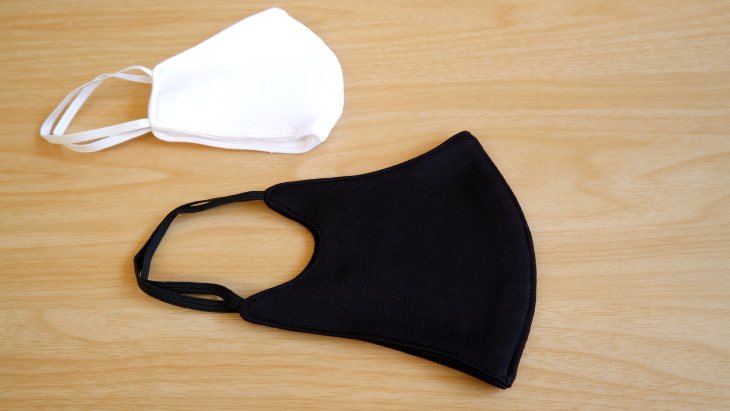
10 Tips to Help Skin Irritation and Acne When Wearing a Mask Choose natural fabrics
Obviously, not everyone can choose the type of face mask they wear, with certain occupations being forced to wear respirators on a daily basis. However, many people do have the option of selecting the type of fabric they want their face mask to have, and if you find that surgical masks are quite irritating for your skin, we recommend you try a face mask made of a natural type of fabric, like cotton. 
 
Do keep in mind, however, that single-layer cotton masks will not be effective at protecting you and others from germs, so make sure the mask you use has several layers of fabric. Stay away from synthetic fabrics as much as you can.
 
7. Avoid spot treatments and exfoliating products
When you get blemishes or red bumps on the skin, it's only natural that you reach for a spot treatment of some sort, like benzoyl peroxide or sulfur treatment. Or maybe, you're just the type of person who uses an exfoliating cream, toner or scrub from time to time to keep your skin smooth. 
 
If you suspect that the skin problem was caused by a face mask, it's safest to avoid an exfoliating or spot treatment for a few days until your skin regenerates, as these treatments can potentially exacerbate the problem and make your skin sting and leave scars. Stay away from any treatments that contain any active ingredients, such as retinol, vitamin C, or others, as they may likewise sting and dry out your already sensitized skin.

8. Don’t chew on gum when wearing a mask
Chewing gum while wearing a face mask can actually cause skin rashes or bumps around the mouth - a condition called perioral dermatitis. This is because of the mint and other essential oils chewing gum contains, which could be irritating for skin that's already weakened by wearing masks on a daily basis. 
 
The same condition could arise because of your toothpaste, with toothpaste varieties that contain the ingredient SLS (Sodium Lauryl Sulfate), peppermint or cinnamon essential oils being the most common irritants. If you get rashes around your mouth or on your lips after wearing a face mask and you don't chew gum, consider changing your toothpaste for a hypoallergenic kind - such as kids' toothpaste or toothpaste low in fluoride and intended for sensitive teeth. 
 
9. Apply a calming treatment at night
During the day, we recommended a lightweight moisturizer to minimize the likelihood of excess humidity and heat in your skin, but the night-time is the time to replenish and restore your skin. To do so, dermatologists recommend using thick, occlusive moisturizers that will replenish your skin's barrier function, which will automatically reduce the redness and any other skin issues you may be experiencing as a result of wearing a mask. 
 
Opt for fragrance-free moisturizers, such that contain skin-barrier-friendly and soothing ingredients, such as but not limited to:
Ceramides 
 
Cholesterol 
 
Centella Asiatica, also known as Tiger Grass 
 
Oatmeal 
 
Panthenol 
 
Nourishing oils 
 
Zinc oxide. 
 
10. Oatmeal water mask for skin irritation
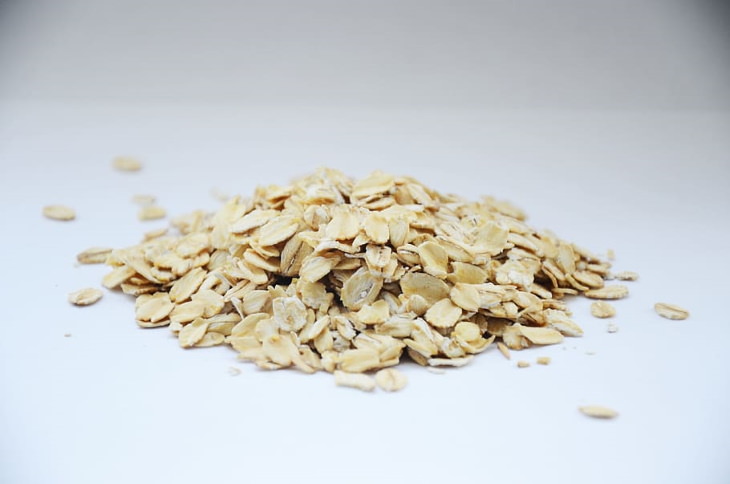
10 Tips to Help Skin Irritation and Acne When Wearing a Mask Oatmeal mask
Oatmeal is one of the most soothing ingredients for the skin and the body overall, with colloidal oatmeal baths (ground up oatmeal grain diluted in water) being recommended for all kinds of skin irritation starting with eczema and ending with skin burns. The nutrients, vitamins, and minerals oatmeal contains have anti-inflammatory, calming, moisturizing, and restorative properties, which make it perfect for skin irritation of any kind. 
 
We recommend using colloidal oatmeal as part of your nighttime skincare routine. To use colloidal oatmeal to soothe your skin, follow this recipe: 
 
1. Process about 1 tablespoon of plain oatmeal into a very fine powder in a food blender, add it to 1 glass of warm water and mix until the water is dissolved completely, forming a milky-white liquid. 
 
2. Soak a cotton pad with the solution you've created, gently wiping across your face, as you would with a facial toner. No need to wash off the mixture with water. Your skin will feel slightly moisturized after using colloidal oatmeal, but we recommend applying moisturizer over top to seal in the moisture.


This is only for your information, kindly take the advice of your doctor for medicines, exercises and so on.     

https://gscrochetdesigns.blogspot.com. one can see my crochet creations  
https://gseasyrecipes.blogspot.com. feel free to view for easy, simple and healthy recipes    
https://kneereplacement-stickclub.blogspot.com. for info on knee replacement


Labels: , , , , , , , , , , , ,

Monday, June 15, 2020

4 Simple Tips to Get Rid of Pink Eye at Home

We all love summer for its sunshine and the ability to finally spend a bit more time in nature, but the same activities expose us to germs and allergens, making us a lot more likely to get conjunctivitis, or as it is known by most - pink eye. In the vast majority of cases, pink eye is a condition you can treat at home with over-the-counter products and things you already have at home. To help you treat this annoying condition safely and effectively, we’ve listed several useful tips below, as well as a quick guide to different types of the condition.

There Are 4 Different Kinds of Conjunctivitis

Conjunctivitis is an inflammation or infection of the transparent membrane that covers the eye white called the conjunctiva. When this happens, it can make your eyes red, itchy, and irritated. Depending on the variety of pink eye, you can also experience discharge from the eyes. In order to treat this condition properly and safely, you’ll need to determine the kind of conjunctivitis you’re experiencing first.
According to Mayo Clinic here 4 main varieties of pink eye:
  • Bacterial conjunctivitis can be caused by many different types of bacteria and its characteristic symptom is mucus or discharge that can make your eyes crusty and even make your eyelashes stick together. It typically clears up within 4-5 days, but more serious cases will require a trip to the doctor and treatment with antibiotics.
  • Viral conjunctivitis is a common symptom of a cold or any other respiratory viral infection. These infections tend to last longer than bacterial ones and can only be treated symptomatically.
  • Allergic pink eye is a common symptom of an allergic reaction. It usually subsides within a day or two after you take allergy medication and minimize contact with the allergen.
  • Irritative conjunctivitis is the result of intense rubbing, dry eye, exposure to pollutants like smog, cigarette smoke, or soap. In order to treat this condition, avoid the irritants, and follow the topical treatment tips we list below.

How to Treat Pink Eye

After you’ve determined the cause of the conjunctivitis, you also have to assess its severity. Although most cases can be safely treated at home, more serious and severe cases require medical assistance. The American Association of Ophthalmology (AAO) states you should visit a doctor if you experience the following symptoms:
  • You're experience pain
  • You have trouble seeing
  • Your eyes become sensitive to light
  • Your symptoms persist for a week or more
  • Your symptoms are getting worse after a few days
  • Your eye produces a lot of mucus
  • You have a fever or body aches.

If your symptoms are not severe, however, you can safely treat your symptoms at home. Here are some useful tips for treating pink eye at home:
1. Avoid the Cause

The first thing you should do is to avoid the cause of the conjunctivitis, if possible. That means staying away from swimming pools if you suspect chlorine is the cause, closing any open windows if you're suffering from seasonal allergies, and not rubbing your eyes with your hands, no matter what the cause of the condition, as rubbing will only worsen your symptoms and potentially introduce other pathogens.

2. Stop Wearing Contacts and Makeup for a Few Days

image.gifDoctors mostly recommend avoiding wearing reusable contact lenses for 10-12 or until the condition clears up in those who suffer from viral or bacterial conjunctivitis, as these can harbor pathogens and be the cause of reinfection in some cases. Makeup wearers should also avoid applying eyeliner, mascara, fake eyelashes, or other eye makeup during any eye infection for the same reasons.
But really, we'd recommend avoiding both of these things for everyone who is experiencing pink eye, not only bacterial and viral cases because both contacts and eye makeup can further irritate the eyes and hinder recovery.

3. Apply Eye Compresses

image.gifDepending on the type of pink eye you're experiencing, cold or warm eye compresses can help relieve the discomfort you're experiencing:
  • Cold compresses will work well at soothing the itching and irritation if the pink eye is caused by an allergy, irritation, or a virus. To apply a cold compress, simply soak a clean towel or cloth in cold water, remove the excess water by wringing it out, and cover your eyes for a few minutes. You can repeat this process several times a day.
     
  • Warm compresses will be beneficial to those suffering from bacterial conjunctivitis, as they will help loosen and remove mucus from the eye area. Follow the same instructions as in the cold compresses, but use warm water (not too hot, it shouldn't burn to the touch) and keep the compress on until the towel cools down.

4. Use Hydrating Eye Drops

image.gifThis method works for all cases of conjunctivitis, as lubricating eye drops, also known as artificial tears, will help moisturize, soothe, and flush out any irritants from your eye. Artificial tears are available in all pharmacies over-the-counter. You can use them several times a day, and you can even put them in the fridge to keep them cool and have an even more soothing cooling effect. Importantly, doctors advise against using Visine or other redness-reducing drops if you have pink eye, as these may sting, feel uncomfortable, and even worsen your symptoms.
Lastly, we'd like to give you a few more hygienic tips that will help clear out conjunctivitis faster and prevent it from spreading to others if you have a viral or bacterial pink eye:
1. Don't share towels, pillows, or anything that touches the eyes with others.
2. Use a fresh face towel, pillowcase, and sheets every day until your conjunctivitis is gone.
3. Don't touch your eyes with your hands, and if you do, wash them immediately.

image.gif


This is only for your information, kindly take the advice of your doctor for medicines, exercises and so on.     

https://gscrochetdesigns.blogspot.com. one can see my crochet creations  
https://gseasyrecipes.blogspot.com. feel free to view for easy, simple and healthy recipes    
https://kneereplacement-stickclub.blogspot.com. for info on knee replacement

image.gif

Labels: , , , , ,

Monday, May 11, 2020

Face Masks: 10 Tips to Help Skin Irritation and Acne

Face masks have become an essential item during the COVID-19 pandemic. Medical staff members wear tightly-fitting respirators or surgical masks throughout their work shift, and the rest of us typically wear cloth masks, bandanas, or single-use surgical masks when we go about our daily tasks outdoors. What most people hadn’t anticipated is the amount of skin irritation, acne, bruising, and other skin problems daily mask-wearing would cause, no matter the kind of mask you use.

If you find that wearing a mask makes your skin break out, or you notice that it makes your skin red and irritated, know that you’re not alone, as many people are facing the same problem these days. That being said, don’t feel like you’re powerless because there are several things you can do to help your skin recover from irritation and prevent future breakouts and rashes. In this article, we’ve collected 10 essential tips from dermatologists and skincare enthusiasts alike that will soothe and protect your skin from mask-related irritation.


Why Do Face Masks Irritate the Skin?
Skin irritation when wearing protective equipment like face masks is extremely common. Irritation can appear as red bumps or patches on the skin, patches of sensitivity that will burn when you wash your face, or even pimples. There are several reasons why this happens. To begin with, the skin on your face is thinner and significantly more sensitive than the skin on your body, and so it is more susceptible to sensitivity, redness, and blemishes than the body.
A mask creates a barrier between the environment and your skin, and excess heat and humidity get trapped in the mask - creating the perfect environment for bacteria to multiply. Apart from that, a face mask will fit more tightly in some areas, typically the jawline, chin, and nose, and the friction it creates harms your skin's barrier and makes it even more susceptible to irritation and blemishes. So, heat, humidity, and friction combined make masks a potential skin irritant.

Needless to say, tight-fitting respirators like the widely-known N-95 will be more suffocating and irritating for the skin, which is why only essential workers, specifically medical staff, are recommended to wear these masks. Respirators can even cause bruising on the skin, which sadly cannot be prevented.


That being said, not wearing face masks is not an option, for the safety of others and our own are more important than having beautiful skin. Thankfully, you can make certain tweaks in your self-care routine to prevent and treat mask-related skin irritation. We list these tips and tricks, along with a soothing face mask recipe you can do at home below.
 

1. Use a lighter moisturizer when wearing a mask
As we've mentioned previously, one of the reasons skin irritation occurs is excess moisture that gets trapped in the skin. If you're using a thick moisturizer every day before wearing a face mask, it can make irritation worse, as it creates an occlusive layer on the skin that traps moisture and heat in the skin. Instead, opt for a moisturizer with a more lightweight texture, maybe even a gel moisturizer when you know you'll be wearing a mask. This is especially true for those of you who have oily, combination, or normal skin, as wearing a heavy moisturizer can cause acne and breakouts.
 

2. Cleanse your face with lukewarm water only
If you wash your face immediately after returning home and taking off the face mask, this may actually be causing even more irritation. While washing the face, you're actually somewhat stripping your skin of its lipid barrier, which is fine when your skin is in good shape but might be harmful when it's irritated by the face mask. To calm your skin and decrease the amount of redness, breakouts, and dry patches that might appear after wearing a mask, try only using lukewarm water on the face - no soap or cleansers, no cleansing wipes, and no micellar water. To finish off, gently pat-dry the skin with a clean towel.
 

3. Replace or wash your mask regularly
It doesn't matter if you're using a disposable surgical mask, a respirator, or a cloth mask, you have to replace or clean it according to the manufacturer's instructions, usually after a single use. When it comes to reusable cloth face masks, you should wash them, preferably in the washing machine, after every use. To learn more on the topic, follow this link, Know When and Why You Should Change Your Face Mask.
In addition, be mindful of the detergent you're using to wash a cloth mask. Opt for hypoallergenic detergents, like those intended for infants and kids, and avoid highly-fragranced options and fabric softener, since fragrance can cause further irritation or even an allergic reaction. If you suspect that your face mask is causing an allergic reaction and you see swollen red spots or patches on your skin, red or irritated nose, mouth, or eyes, you need to call a doctor.
 

4. Lay off the makeup when wearing a mask
If you're a makeup wearer, consider not applying any complexion products like foundation, blush, concealer, etc. on your skin when wearing a mask, at least not in the areas where the mask sits on your face. You can still wear some mascara or undereye concealer, of course, if you so wish, but avoiding any extra layers of product on the skin will make it more resilient against irritation.
Dermatologists point out an additional concern: wearing makeup underneath a mask may increase your risk of developing a skin allergy towards some of the ingredients in the makeup you're using in the long term.
 

5. Shave off the beard
Facial hair can further irritate the skin, and it can trap more moisture and heat than smooth skin, so it's best to shave your face clean if you're wearing a mask regularly and experiencing some irritation as a result. In addition, some face masks can be rendered ineffective when you have facial hair, which is why the CDC even published facial hairstyle guidelines for those who wear respirators, such as medical workers. To view the infographic image illustrating these guidelines, click here.
 

6. Choose a face masks made of natural fabrics
Obviously, not everyone can choose the type of face mask they wear, with certain occupations being forced to wear respirators on a daily basis. However, many people do have the option of selecting the type of fabric they want their face mask to have, and if you find that surgical masks are quite irritating for your skin, we recommend you try a face mask made of a natural type of fabric, like cotton.
Do keep in mind, however, that single-layer cotton masks will not be effective at protecting you and others from germs, so make sure the mask you use has several layers of fabric. Stay away from synthetic fabrics as much as you can.
 

7. Avoid spot treatments and exfoliating products
When you get blemishes or red bumps on the skin, it's only natural that you reach for a spot treatment of some sort, like benzoyl peroxide or sulfur treatment. Or maybe, you're just the type of person who uses an exfoliating cream, toner or scrub from time to time to keep your skin smooth.
If you suspect that the skin problem was caused by a face mask, it's safest to avoid an exfoliating or spot treatment for a few days until your skin regenerates, as these treatments can potentially exacerbate the problem and make your skin sting and leave scars. Stay away from any treatments that contain any active ingredients, such as retinol, vitamin C, or others, as they may likewise sting and dry out your already sensitized skin.
 

8. Don’t chew on gum when wearing a mask
Chewing gum while wearing a face mask can actually cause skin rashes or bumps around the mouth - a condition called perioral dermatitis. This is because of the mint and other essential oils chewing gum contains, which could be irritating for skin that's already weakened by wearing masks on a daily basis.
The same condition could arise because of your toothpaste, with toothpaste varieties that contain the ingredient SLS (Sodium Lauryl Sulfate), peppermint or cinnamon essential oils being the most common irritants. If you get rashes around your mouth or on your lips after wearing a face mask and you don't chew gum, consider changing your toothpaste for a hypoallergenic kind - such as kids' toothpaste or toothpaste low in fluoride and intended for sensitive teeth.


9. Apply a calming treatment at night
During the day, we recommended a lightweight moisturizer to minimize the likelihood of excess humidity and heat in your skin, but the night-time is the time to replenish and restore your skin. To do so, dermatologists recommend using thick, occlusive moisturizers that will replenish your skin's barrier function, which will automatically reduce the redness and any other skin issues you may be experiencing as a result of wearing a mask.
Opt for fragrance-free moisturizers, such that contain skin-barrier-friendly and soothing ingredients, such as but not limited to:
    Ceramides
    Cholesterol
    Centella Asiatica, also known as Tiger Grass
    Oatmeal
    Panthenol
    Nourishing oils
    Zinc oxide.

10. Oatmeal water mask for skin irritation
Oatmeal is one of the most soothing ingredients for the skin and the body overall, with colloidal oatmeal baths (ground up oatmeal grain diluted in water) being recommended for all kinds of skin irritation starting with eczema and ending with skin burns. The nutrients, vitamins, and minerals oatmeal contains have anti-inflammatory, calming, moisturizing, and restorative properties, which make it perfect for skin irritation of any kind.
We recommend using colloidal oatmeal as part of your nighttime skincare routine. To use colloidal oatmeal to soothe your skin, follow this recipe:
1. Process about 1 tablespoon of plain oatmeal into a very fine powder in a food blender, add it to 1 glass of warm water and mix until the water is dissolved completely, forming a milky-white liquid.
2. Soak a cotton pad with the solution you've created, gently wiping across your face, as you would with a facial toner. No need to wash off the mixture with water. Your skin will feel slightly moisturized after using colloidal oatmeal, but we recommend applying moisturizer over top to seal in the moisture.


This is only for your information, kindly take the advice of your doctor for medicines, exercises and so on.     

https://gscrochetdesigns.blogspot.com. one can see my crochet creations  
https://gseasyrecipes.blogspot.com. feel free to view for easy, simple and healthy recipes    
https://kneereplacement-stickclub.blogspot.com. for info on knee replacement

Labels: , , , , , , , , , ,