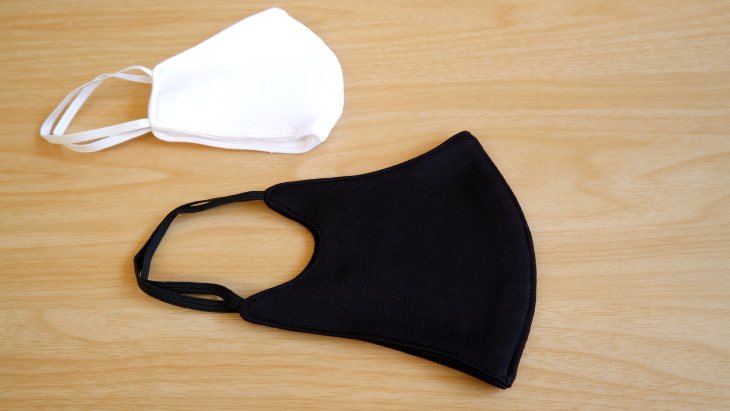
If you find that wearing a mask makes your
skin break out, or you notice that it makes your skin red and irritated,
know that you’re not alone, as many people are facing the same problem
these days. That being said, don’t feel like you’re powerless because
there are several things you can do to help your skin recover from
irritation and prevent future breakouts and rashes. In this article,
we’ve collected 10 essential tips from dermatologists and skincare
enthusiasts alike that will soothe and protect your skin from
mask-related irritation.
Why Do Face Masks Irritate the Skin?
Skin irritation when wearing protective equipment like face masks is
extremely common. Irritation can appear as red bumps or patches on the
skin, patches of sensitivity that will burn when you wash your face, or
even pimples. There are several reasons why this happens. To begin with,
the skin on your face is thinner and significantly more sensitive than
the skin on your body, and so it is more susceptible to sensitivity,
redness, and blemishes than the body.
A mask creates a barrier between the environment and your skin, and
excess heat and humidity get trapped in the mask - creating the perfect
environment for bacteria to multiply. Apart from that, a face mask will
fit more tightly in some areas, typically the jawline, chin, and nose,
and the friction it creates harms your skin's barrier and makes it even
more susceptible to irritation and blemishes. So, heat, humidity, and
friction combined make masks a potential skin irritant.
Needless to say, tight-fitting respirators like the widely-known N-95
will be more suffocating and irritating for the skin, which is why only
essential workers, specifically medical staff, are recommended to wear
these masks. Respirators can even cause bruising on the skin, which
sadly cannot be prevented.
That being said, not wearing face masks is not an option, for the safety
of others and our own are more important than having beautiful skin.
Thankfully, you can make certain tweaks in your self-care routine to
prevent and treat mask-related skin irritation. We list these tips and
tricks, along with a soothing face mask recipe you can do at home below.
1. Use a lighter moisturizer when wearing a mask
As we've mentioned previously, one of the reasons skin irritation occurs
is excess moisture that gets trapped in the skin. If you're using a
thick moisturizer every day before wearing a face mask, it can make
irritation worse, as it creates an occlusive layer on the skin that
traps moisture and heat in the skin. Instead, opt for a moisturizer with
a more lightweight texture, maybe even a gel moisturizer when you know
you'll be wearing a mask. This is especially true for those of you who
have oily, combination, or normal skin, as wearing a heavy moisturizer
can cause acne and breakouts.
2. Cleanse your face with lukewarm water only
If you wash your face immediately after returning home and taking off
the face mask, this may actually be causing even more irritation. While
washing the face, you're actually somewhat stripping your skin of its
lipid barrier, which is fine when your skin is in good shape but might
be harmful when it's irritated by the face mask. To calm your skin and
decrease the amount of redness, breakouts, and dry patches that might
appear after wearing a mask, try only using lukewarm water on the face -
no soap or cleansers, no cleansing wipes, and no micellar water. To
finish off, gently pat-dry the skin with a clean towel.
3. Replace or wash your mask regularly
It doesn't matter if you're using a disposable surgical mask, a
respirator, or a cloth mask, you have to replace or clean it according
to the manufacturer's instructions, usually after a single use. When it
comes to reusable cloth face masks, you should wash them, preferably in
the washing machine, after every use.
In addition, be mindful of the detergent you're using to wash a cloth
mask. Opt for hypoallergenic detergents, like those intended for infants
and kids, and avoid highly-fragranced options and fabric softener,
since fragrance can cause further irritation or even an allergic
reaction. If you suspect that your face mask is causing an allergic
reaction and you see swollen red spots or patches on your skin, red or
irritated nose, mouth, or eyes, you need to call a doctor.
4. Lay off the makeup when wearing a mask
If you're a makeup wearer, consider not applying any complexion products
like foundation, blush, concealer, etc. on your skin when wearing a
mask, at least not in the areas where the mask sits on your face. You
can still wear some mascara or undereye concealer, of course, if you so
wish, but avoiding any extra layers of product on the skin will make it
more resilient against irritation.
Dermatologists point out an additional concern: wearing makeup
underneath a mask may increase your risk of developing a skin allergy
towards some of the ingredients in the makeup you're using in the long
term.