Tuesday, November 09, 2021

Warning signs of lung infection and ways you can treat i

Lung infections can cause mild to severe health problems
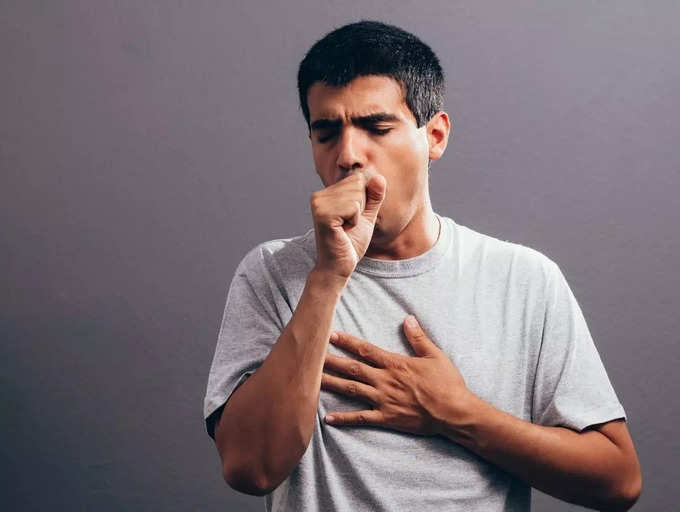
Our respiratory health can be affected by many factors. Post-Diwali, given that the air quality in the country has dropped down considerably, our lungs are bound to suffer. Doctors and medical professionals are concerned about the acute rise in the number of people suffering with chest pain and breathing issues.


To top it off, lung infections can also take a serious toll on a person. Caused by a virus, bacteria, and sometimes even a fungus, one of the most common types of lung infection is pneumonia, which can go from mild to life-threatening problems. That said, it is extremely crucial to know all about the signs and symptoms of a lung infection and figure out ways to treat it immediately.

Persistent cough with thick mucus can be a sign of lung infection

A person dealing with a lung infection may cough persistently, helping him or her get rid of the mucus produced from inflammation of the airways and lungs. Respiratory illnesses like bronchitis or pneumonia may trigger coughing that may be accompanied with thick mucus ranging from clear, yellowish-grey, green, white colour. Sometimes, the mucus may carry blood. This type of cough may continue for many weeks.

Shortness of breath and heavy chest pain can cause distress
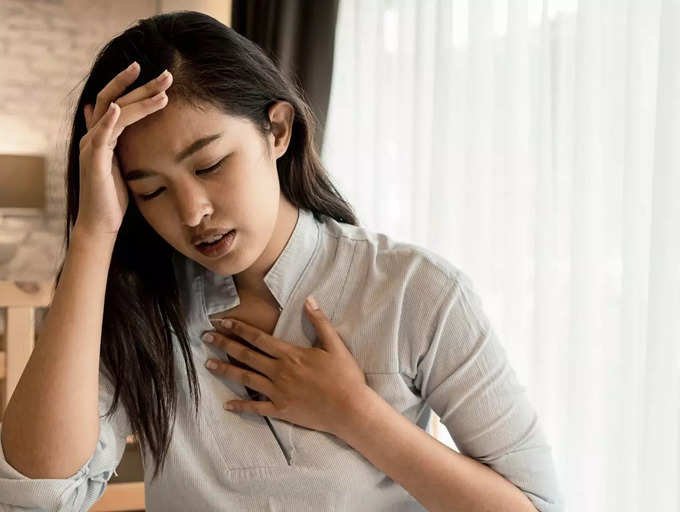
Shortness of breath means when you find it difficult to breathe or have trouble finishing a cycle of breath. Besides lung infection, it can be a sign of many other dangerous illnesses including a heart attack, which is why it is all the more important to get it diagnosed in time. A lung infection may cause shortness of breath accompanied with a stabbing chest pain.

You may experience wheezing
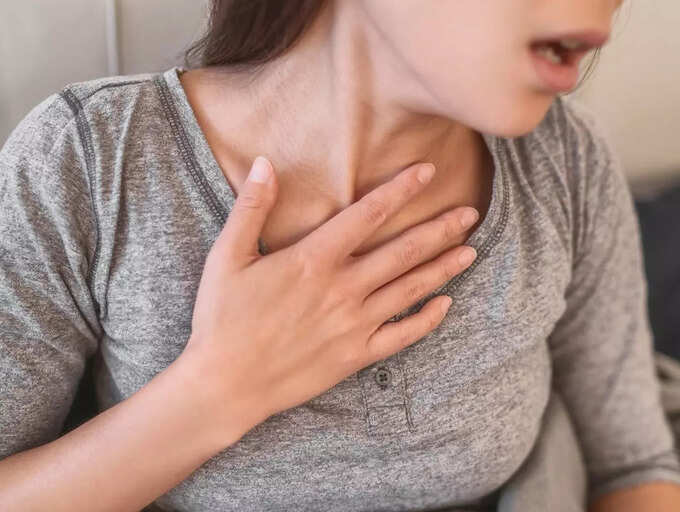
When you have a lung infection, your airways may narrow down due to inflammation. This could therefore lead to wheezing, a high-pitched whistling sound when you exhale.

Lung infections may come with fever, chills and fatigue

Any form of infection can cause serious inflammation in the body, leading to severe health issues. Lung infections are no different. That said, it may be accompanied with fever, chills and fatigue, only indicating that your body is trying to fight off the infection.

Treatments

Doctors may prescribe antibiotics to treat a bacterial lung infection. Additionally, lung infections caused by a fungus can be treated with the help of antifungal medications. However, these might not help with an infection caused by a virus. You'll have to wait for your body to fight off the infection on its own.

Home remedies to treat lung infections

While most lung infections can be treated with prescribed medications, certain home remedies can help speed up the recovery and ease your symptoms. Here are some of the ways you can do that.

- Drink lots and lots of fluid

- Get plenty of rest

- Make sure you follow a healthy diet

- Make use of humidifier or remember to practice steam inhalation

- Drink warm drinks

- Avoid smoking or being around a smoker

- Do not lie flat while sleeping. Instead keep your head elevated to avoid letting the mucus settle in your chest.

This is only for your information, kindly take the advice of your doctor for medicines, exercises and so on.   

https://gscrochetdesigns.blogspot.com. one can see my crochet creations  
https://gseasyrecipes.blogspot.com. feel free to view for easy, simple and healthy recipes    
https://kneereplacement-stickclub.blogspot.com. for info on knee replacement


Labels: , , , , , , , , , , , , , ,

Monday, May 10, 2021

Coronavirus Second Wave: Is Chest Pain A Symptom of COVID-19?

COVID-19 Second Wave: Is Chest Pain A Symptom of COVID-19?  

India is currently fighting its biggest battle against the ferocious second wave of coronavirus which has already taken several lives from different corners of the country. Many experts have warned that the new wave of COVID-19 can bring in several symptoms which are different from the first wave. The constant mutations of the virus are leading to a challenging situation to detect the infection early and start the treatment. Apart from the common symptoms of the COVID-19 infection which were noticed in the first wave such as — dry cough, loss of smell and taste, fever, headache, etc. The second wave has brought in symptoms such as — abdominal pain, diarrhea, conjunctivitis, etc. However, this is not it, many patients who have been detected with COVID-19 irrespective of being serious or mild have complained of acute chest pain. Why COVID-19 patients are suffering from chest pain? Is it a new symptom of novel coronavirus? health experts have debunked the rumors and have listed multiple factors leading to chest pain in corona-positive patients.

What Causes Chest Pain in COVID-19 Patients?

According to health experts, since the virus has mutated quite a few times in the recent past, it has now become difficult for the RT-PCR tests to detect the virus infection amongst people. What is to be done in this case? Learn the new symptoms of the virus infection. Here’s why some people are experiencing chest pain during the onset of the infection.

Dry Cough

Dry cough is one of the most common symptoms of coronavirus. How does that affect your chest pain? Coughing violently can make their muscles near the ribs tear, causing acute discomfort in breathing and thus can eventually lead to chest pain.

Lung Infection

Since the outbreak of the novel coronavirus, cases of lung infection due to COVID is being reported often. Especially in the second wave of coronavirus — lungs are the most vulnerable organs to the virus infection caused by COVID. So how does lung infection leads to chest pain? Lung infection can lead to inflammation in the lungs which can obstruct the breathing process leading to acute chest pain.

COVID-19 Pneumonia

Pneumonia is one of the most common symptoms which can be seen in COVID-19 patients whose condition is severe. So what exactly happens? When a person gets COVID pneumonia the air sacs present inside the lungs get inflamed and thus leads to difficulty in breathing. This can further lead to fluid buildup inside the lungs and cause chest pain.

So, if you have chest pain that is persistent then you may consider rising a doctor or getting yourself a test done for the COVID-19 infection. 

This is only for your information, kindly take the advice of your doctor for medicines, exercises and so on.     

https://gscrochetdesigns.blogspot.com. one can see my crochet creations  
https://gseasyrecipes.blogspot.com. feel free to view for easy, simple and healthy recipes    
https://kneereplacement-stickclub.blogspot.com. for info on knee replacement


Labels: , , , , , , , ,