Saturday, February 26, 2022

Long term implications of Gastroesophageal Reflux Disease (GERD); what are the risks involved?

The impact of untreated GERD
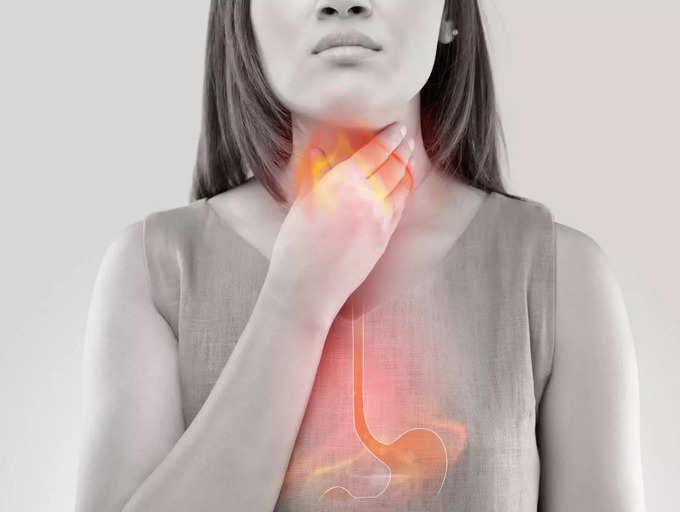
Have you ever experienced a painful burning sensation in the chest or regurgitated food or sour liquid? If yes, then it's probably a mild heartburn or a short term digestive disorder, which could go away on its own. However, if you experience the same on a daily basis and overlook the signs, it could lead to uncontrolled heartburn, which is a common sign of gastroesophageal reflux disease, or GERD.

What is GERD? How to identify it early?
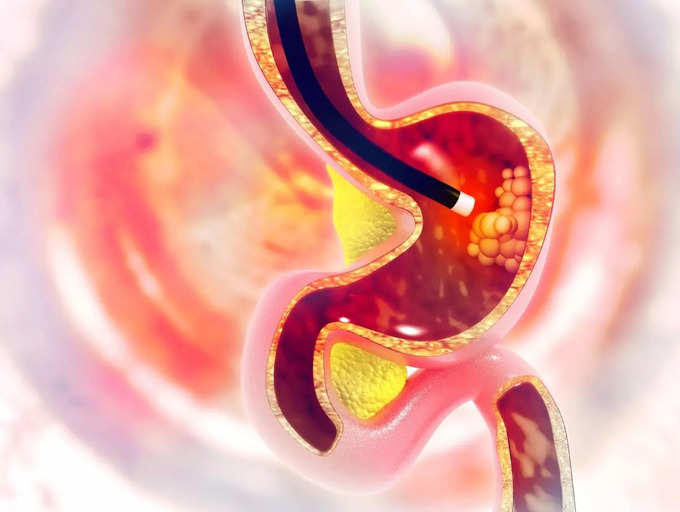
Gastroesophageal Reflux Disease (GERD) is a digestive disorder that occurs when the lower esophageal sphincter (LES), that contains the food and acids inside the stomach, does not function properly. The LES or the ring of muscles normally remains closed and keeps the top of the stomach covered. Only when you're swallowing a food, it relaxes and opens, allowing the food to pass through.

GERD occurs when the LES opens even when you're not swallowing anything, allowing the stomach's content and digestive acids to flow back into the ring that connects the mouth and the stomach called the esophagus, causing irritation.

The tell-tale sign of GERD is acid reflux or heartburn. However, it is not serious until you experience the symptoms more than twice a week.

Other symptoms include:

- Nausea

- Vomiting

- Difficulty swallowing

- Bad breath

- Chest pain

- Sore throat or hoarse voice


Can untreated GERD (chronic acid reflux) lead to long term concerns?

While most people experience occasional heartburn, also known as gastroesophageal reflux, it takes the form of GERD in case it occurs daily and is left untreated. That said, untreated gastroesophageal reflux disease can lead to many long term complications because over time, the reflux of stomach acid damages the tissue lining the esophagus, causing inflammation and pain. In adults, long term, untreated GERD can cause permanent damage to the esophagus, leading to many other health complications.

Esophagitis
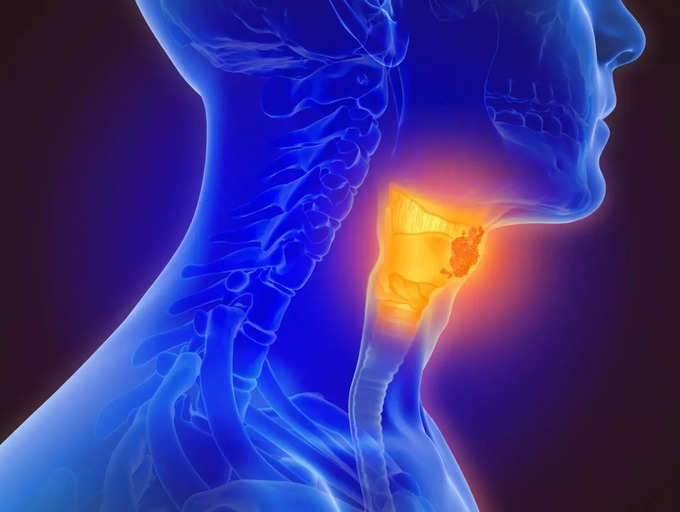
When the stomach's content and acids are repeatedly pushed back up into the esophagus, it can irritate the sensitive lining of the esophagus, causing long-term damage and injury. This can further trigger painful inflammation called esophagitis. This condition can cause ulcers in your esophagus, leading to further complications such as chest pain, bleeding, heartburn, difficulty swallowing food and more.

Barrett's Esophagus and the risk of esophageal cancer
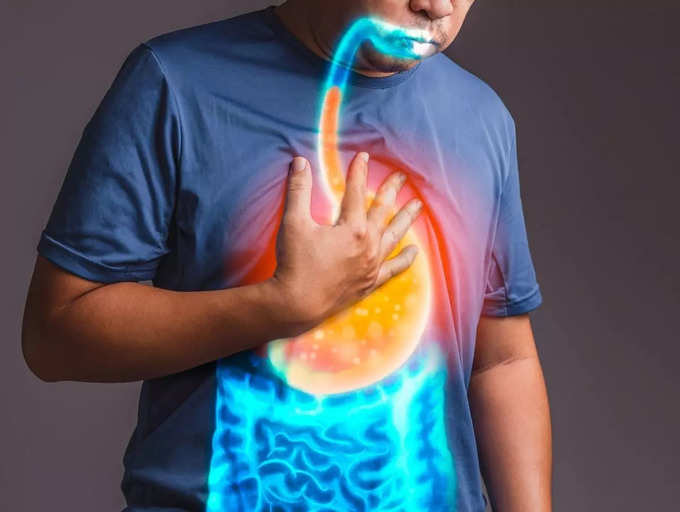
The National Institute of Diabetes and Digestive and Kidney Diseases states that only a small percentage of people with GERD develop Barrett’s esophagus, with an average age of 55 and most commonly in men.

Barrett's Esophagus is a condition that occurs in people who suffer from long term persistent GERD. It is an outcome of the damage caused by the acid reflux, which leads to the changes in the cells existing in the lining of the esophagus. The condition is also a major risk factor for esophageal cancer.

There are two types of esophageal cancer: Adenocarcinoma and Squamous cell carcinoma.

While adenocarcinoma develops in the lower part of the esophagus, squamous cell carcinoma starts from the cells in the lining of the esophagus. The latter form of cancer affects the upper and middle part of the esophagus.

The risk factors for Barrett's esophagus include chronic GERD, obesity, smoking, and large meal intake with foods that are highly greasy and processed.

Strictures or narrowing of the esophagus

 

Persistent damage to the esophagus can lead to scarring, also known as strictures, which can cause narrowing down of the esophagus. This in turn can make swallowing foods difficult and can prevent foods and drinks from reaching the stomach.

Respiratory complications

While it may come as a surprise, GERD can also lead to asthma flare-ups. During an acid reflux, when the acid from the stomach flows back up into the esophagus, small amounts of acid may also end up in the mouth and be inhaled, causing airway inflammation. The irritation can then lead to asthma attacks.

Having said that, people with GERD are more likely to develop other respiratory complications including chronic cough, hoarse voice, aspiration pneumonia, idiopathic pulmonary fibrosis and more.

Treatment options for GERD

Doctors and medical professionals may prescribe certain medications to treat GERD. However, make sure to consult your physician for effective results. Common over-the-counter (OTC) medications include:

- Antacids: Antacids help ease mild and occasional symptoms of acid reflux and GERD. These help eliminate the acid in the esophagus and stomach and stop heartburn.

- H2 receptor blockers: Those with chronic reflux may be prescribed H2 blockers which work towards blocking acid secretion in the stomach.

- Proton pump inhibitors (PPIs): PPIs also lower the amount of acid in the stomach and help ease irritation in the esophagus.

Those who have mild symptoms of GERD can resort to these lifestyle changes that can decrease one's risk of developing severe complications.

- Maintain healthy weight

- Quit smoking and alcohol consumption

- Practice portion control (avoid eating large meals)

- Do not lie down immediately after eating a heavy meal

- Avoid foods that are processed, fried and oily

- Say no to colas and other carbonated beverages, caffeine and citrus fruits

This is only for your information, kindly take the advice of your doctor for medicines, exercises and so on.   

https://gscrochetdesigns.blogspot.com. one can see my crochet creations  
https://gseasyrecipes.blogspot.com. feel free to view for easy, simple and healthy recipes    
https://kneereplacement-stickclub.blogspot.com. for info on knee replacement

Labels: , , , , , , , , ,

Thursday, April 11, 2019

How to fight head and neck cancer

April 7-14 is celebrated as Global Head and Neck Cancer Awareness Week. In the wake of this, an oncologist tells us how we can be better prepared to fight this disease.

Head and neck cancer is the sixth most common cancer in the world. In central Asia, it is the most common one.

Smoking, consumption of alcohol, and chewing of tobacco are the main causes. Human Papilloma Virus (HPV) infection is also a risk factor.


Persistent mouth ulcers, painful ulcerative lesion on the lip, a hoarse voice, dysphagia, and lump in the throat are the major symptoms.

The disease can be diagnosed by clinical examination, CT scan, MRI, and biopsy. After the diagnosis and staging of the disease, head and neck cancer is treated through surgery, radiotherapy, and chemotherapy.

In the early stages, the disease is mainly treated by surgery. In certain clinical situations, radiotherapy is the treatment of choice. Bulky tumours are generally best treated with a combination of surgery and radiotherapy. More than 60% of head and neck cancers are advanced locoregional diseases. 

The use of radiotherapy with concurrent chemotherapy has been demonstrated to be associated with survival advantage over radiotherapy alone.

Although platinum-based chemotherapy is a preferred choice of treatment for fit patients, targeted therapies for platinum-unfit patients come with good survival advantages. 

Recently, targeted therapies and immune-oncology drugs have also shown promising results in relapsed cases. 


THIS IS ONLY FOR INFORMATION, ALWAYS CONSULT YOU PHYSICIAN BEFORE HAVING ANY PARTICULAR FOOD/ MEDICATION/EXERCISE/OTHER REMEDIES.                                    PS- THOSE INTERESTED IN RECIPES ARE FREE TO  VIEW MY BLOG-                                                                                           https://gseasyrecipes.blogspot.com/    
                                                                                                                                                     FOR INFO ABOUT KNEE REPLACEMENT, YOU CAN VIEW MY BLOG-                                                  https:// kneereplacement-stickclub.blogspot.com/  
         
                   FOR CROCHET DESIGNS                                                                                                                                                                                                  https://gscrochetdesigns.blogspot.com

Labels: , , , , , , , , , , , , , ,

Saturday, December 29, 2018

How to manage foreign bodies in our ear/ nose/ throat

Foreign body is an object or piece of extraneous matter that has entered the body by accident or design. It is common to see certain items getting stuck in the ear, nose or throat especially, in young children. While most of the time they do not raise an alarm, however, sometimes they can lead to severe consequences like rupture of the eardrum or even choking.

 Children , as they explore the environment around them, they tend to put items such as peas, beans, marbles, beads, cotton, paper, etc, in their mouth, nose or ears. A similar trend can be seen in adults with mental disorders.

Trauma/ fall/accident can force foreign bodies like rock, pebbles into the ear, nose or throat.

Adults while riding a bike or sleeping on the ground (campsites) can have insects: flies, ants, roaches fly into the nose or ear.

Choking occurs when foreign bodies block the airway, common reasons are: not chewing the food properly, diseases like Parkinsonism, drinking alcohol or certain drugs that slowdowns the process of swallowing.

Foreign bodies in the ear Symptoms: Pain in the ear, discharge or bleeding from the ear, feeling of fullness or pressure in the ear and dizziness and nausea in extreme cases.
Management:
Make sure the patient is sitting in an upright position, pull the pinna or outer semicircle of the ear towards the back. This can help you see the object clearly and also loosen it to wiggle out. If you can see the object clearly, use a tweezers to grasp the object and gently remove.

In case a live insect gets trapped inside the ear lie down and place few drops of warm vegetable or baby oil. Use oil only if symptoms of eardrum perforation like pain, bleeding/discharge from the ear is absent.

Magnets are sometimes used if the object is metal

Cleaning the ear canal with water

A machine with suction to help pull the object out

Tilting the head to the affected side can facilitate gravity to dislodge the object.

After removal of the object, your child's physician will then re-examine the ear to determine if there has been any injury to the ear canal. Antibiotic drops for the ear may be prescribed to treat any possible infections.

Foreign bodies in the nose:
Symptoms: 
Pain and difficulty in breathing from that side of the nose.
Management: Keep the uninvolved nostril closed by pressing a finger against the side of the nose and gently ask the person to blow from the affected nostril.
Suction machines with tubes attached
Instruments may be inserted in the nose

After removal of the object, your child's physician may prescribe nose drops or antibiotic ointments to treat any possible infections.

Foreign bodies in the throat: Symptoms: Choking, inability to breathe and speak  
Coughing at first
Wheezing (a whistling sound, usually made when the child breathes out) 

Although the initial symptoms listed above may subside, the foreign body may still be obstructing the airway. The following symptoms may indicate that the foreign body is still causing an airway obstruction:
Stridor (a high-pitched sound usually heard when the child breathes)
Cough that gets worse
Child is unable to speak
Pain in the throat area or chest
Hoarse voice
Blueness around the lips
Not breathing
 The child may become unconscious
 
Management: Perform Heimlich maneuver, abdominal thrusts, if trained otherwise, it is advised to call for medical help immediately.
How can you prevent foreign bodies from entering your ear, nose, throat?

Discourage talking, playing, laughing when food is in the mouth.
Do not give whole grapes, popcorn, nuts to children below 3 years.
Keep small objects out of reach of small children.
Teach children to avoid placing objects into their nose, ears.

THIS IS ONLY FOR INFORMATION, ALWAYS CONSULT YOU PHYSICIAN BEFORE HAVING ANY PARTICULAR FOOD/ MEDICATION/EXERCISE/OTHER REMEDIES.                                                                                
 PS- THOSE INTERESTED IN RECIPES ARE FREE TO  VIEW MY BLOG-                                                                                           https://gseasyrecipes.blogspot.com/                                                                                                                                                                             FOR INFO ABOUT KNEE REPLACEMENT, YOU CAN VIEW MY BLOG-                                               
     https:// kneereplacement-stickclub.blogspot.com/                                                                                     
  FOR CROCHET DESIGNS                                                                                                                                                                                                              https://gscrochetdesigns.blogspot.com

Labels: , , , , , , , , , , , , , , , ,