Long term implications of Gastroesophageal Reflux Disease (GERD); what are the risks involved?
The impact of untreated GERD
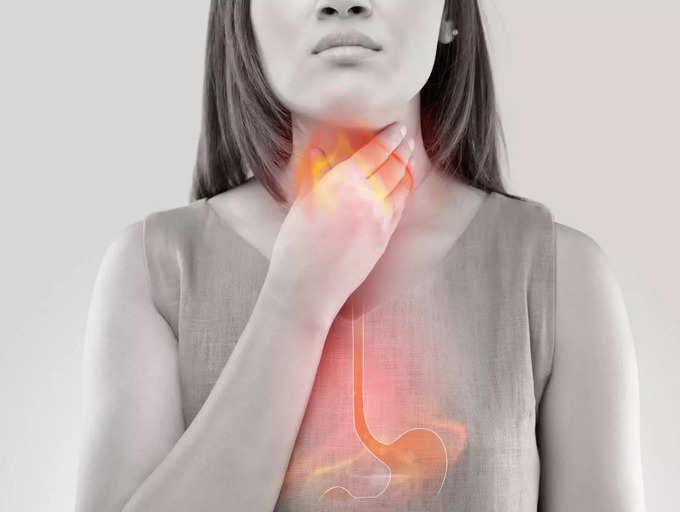
Have you ever experienced a painful burning sensation in the chest or regurgitated food or sour liquid? If yes, then it's probably a mild heartburn or a short term digestive disorder, which could go away on its own. However, if you experience the same on a daily basis and overlook the signs, it could lead to uncontrolled heartburn, which is a common sign of gastroesophageal reflux disease, or GERD.
What is GERD? How to identify it early?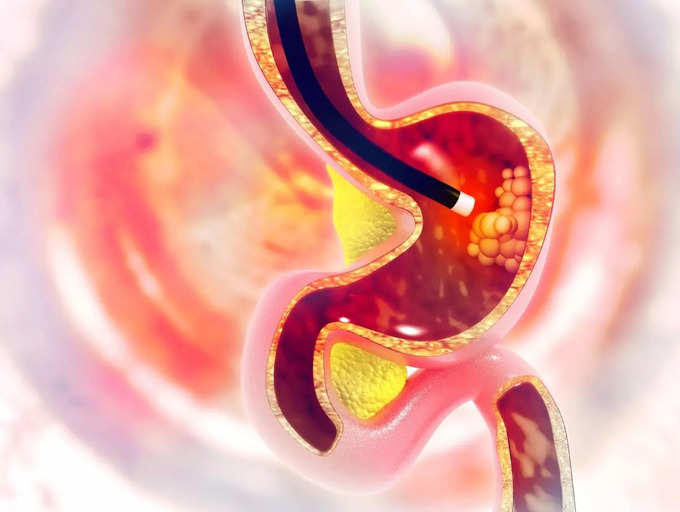
Gastroesophageal Reflux Disease (GERD) is a digestive disorder that occurs when the lower esophageal sphincter (LES), that contains the food and acids inside the stomach, does not function properly. The LES or the ring of muscles normally remains closed and keeps the top of the stomach covered. Only when you're swallowing a food, it relaxes and opens, allowing the food to pass through.
GERD occurs when the LES opens even when you're not swallowing anything, allowing the stomach's content and digestive acids to flow back into the ring that connects the mouth and the stomach called the esophagus, causing irritation.
The tell-tale sign of GERD is acid reflux or heartburn. However, it is not serious until you experience the symptoms more than twice a week.
Other symptoms include:
- Nausea
- Vomiting
- Difficulty swallowing
- Bad breath
- Chest pain
- Sore throat or hoarse voice
Can untreated GERD (chronic acid reflux) lead to long term concerns?

While most people experience occasional heartburn, also known as gastroesophageal reflux, it takes the form of GERD in case it occurs daily and is left untreated. That said, untreated gastroesophageal reflux disease can lead to many long term complications because over time, the reflux of stomach acid damages the tissue lining the esophagus, causing inflammation and pain. In adults, long term, untreated GERD can cause permanent damage to the esophagus, leading to many other health complications.
Esophagitis
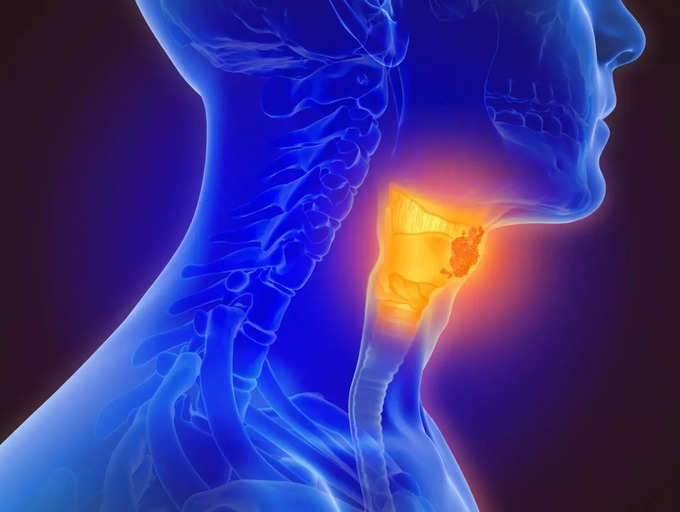
When the stomach's content and acids are repeatedly pushed back up into the esophagus, it can irritate the sensitive lining of the esophagus, causing long-term damage and injury. This can further trigger painful inflammation called esophagitis. This condition can cause ulcers in your esophagus, leading to further complications such as chest pain, bleeding, heartburn, difficulty swallowing food and more.
Barrett's Esophagus and the risk of esophageal cancer
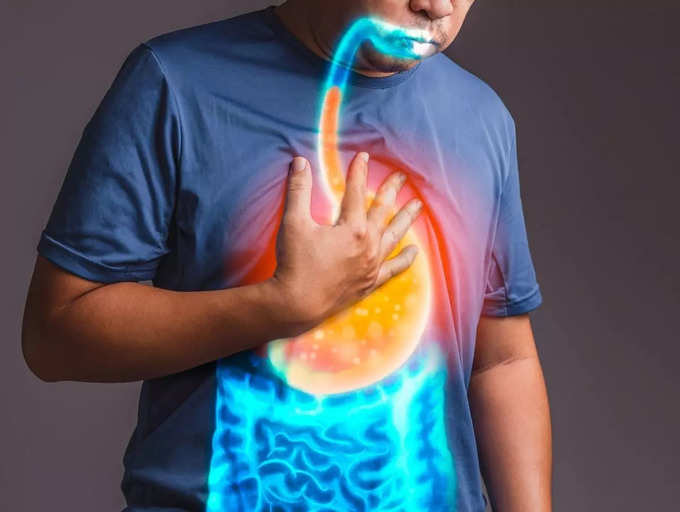
The National Institute of Diabetes and Digestive and Kidney Diseases states that only a small percentage of people with GERD develop Barrett’s esophagus, with an average age of 55 and most commonly in men.
Barrett's Esophagus is a condition that occurs in people who suffer from long term persistent GERD. It is an outcome of the damage caused by the acid reflux, which leads to the changes in the cells existing in the lining of the esophagus. The condition is also a major risk factor for esophageal cancer.
There are two types of esophageal cancer: Adenocarcinoma and Squamous cell carcinoma.
While adenocarcinoma develops in the lower part of the esophagus, squamous cell carcinoma starts from the cells in the lining of the esophagus. The latter form of cancer affects the upper and middle part of the esophagus.
The risk factors for Barrett's esophagus include chronic GERD, obesity, smoking, and large meal intake with foods that are highly greasy and processed.
Strictures or narrowing of the esophagus

Persistent damage to the esophagus can lead to scarring, also known as strictures, which can cause narrowing down of the esophagus. This in turn can make swallowing foods difficult and can prevent foods and drinks from reaching the stomach.
Respiratory complications

While it may come as a surprise, GERD can also lead to asthma flare-ups. During an acid reflux, when the acid from the stomach flows back up into the esophagus, small amounts of acid may also end up in the mouth and be inhaled, causing airway inflammation. The irritation can then lead to asthma attacks.
Having said that, people with GERD are more likely to develop other respiratory complications including chronic cough, hoarse voice, aspiration pneumonia, idiopathic pulmonary fibrosis and more.
Treatment options for GERD

Doctors and medical professionals may prescribe certain medications to treat GERD. However, make sure to consult your physician for effective results. Common over-the-counter (OTC) medications include:
- Antacids: Antacids help ease mild and occasional symptoms of acid reflux and GERD. These help eliminate the acid in the esophagus and stomach and stop heartburn.
- H2 receptor blockers: Those with chronic reflux may be prescribed H2 blockers which work towards blocking acid secretion in the stomach.
- Proton pump inhibitors (PPIs): PPIs also lower the amount of acid in the stomach and help ease irritation in the esophagus.
Those who have mild symptoms of GERD can resort to these lifestyle changes that can decrease one's risk of developing severe complications.
- Maintain healthy weight
- Quit smoking and alcohol consumption
- Practice portion control (avoid eating large meals)
- Do not lie down immediately after eating a heavy meal
- Avoid foods that are processed, fried and oily
- Say no to colas and other carbonated beverages, caffeine and citrus fruits