Monday, May 23, 2022

8 Signs That Are Indicative of Stress

According to an American Psychological Association survey, Americans are more stressed than ever before, and nearly one third believe that stress has a negative impact on their physical and mental health. If you have any of the following symptoms, then stress might be making you ill.

1. You Break Out in Hives
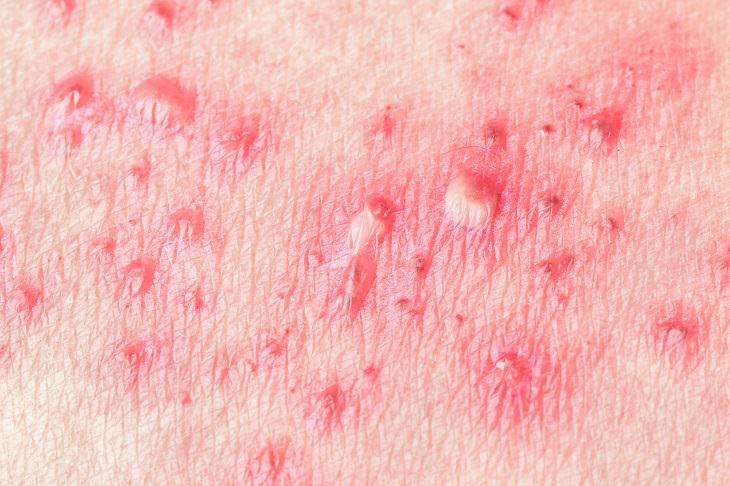
If you suddenly break out in itchy red bumps, stress could be to blame. When you experience excessive stress, your immune system goes haywire and your body starts releasing histamine to fight off your ailments. However, if your stress doesn’t go away, you will develop an allergic reaction that will result in hives. When your immune system is weakened by stress, your skin can also become irritated by things it never used to be sensitive to, such as cold, heat, lotions, soap, or laundry detergent.

What to do: Put a cool, damp towel on the affected area. If this doesn’t work, take an antihistamine.

2. Your Weight Starts to Fluctuate
Shanna Levine, MD, a primary care physician and clinical instructor of medicine at Icahn School of Medicine at Mount Sinai in New York City, says that “stress triggers the release of the hormone cortisol, which impairs your body’s ability to process blood sugar and changes the way you metabolize fat, protein, and carbs, which can lead to weight gain or loss.” Stress can also cause people to overeat or undereat. What to do: Snack on nuts. The protein will help if you’re undereating, and the fiber will fill you up if you’ve been bingeing. 
 
3. You Keep Getting Headaches
f you rarely suffer from headaches but suddenly you keep getting pounding headaches, it could be due to stress. When you’re stressed, your body releases chemicals that can cause changes to nerves and blood vessels in the brain, which brings on a headache. If you’re prone to migraines, stress can trigger them or make them much worse. It’s also common for your muscles to tense up when you’re stressed, which can also cause a headache. 
 
What to do: If you don’t want to take some ibuprofen, try dabbing lavender oil or peppermint oil on your temples when a headache starts. 
 
4. Your Tummy Is Just Off 
Stress can disrupt the function of your GI tract in more than one way. For example, it can cause the body to produce more digestive acid, leading to heartburn. According to Deborah Rhodes, MD, a Mayo Clinic internal medicine physician, “it can also slow the emptying of food from the stomach, which causes gas and bloating, and may even increase the number of times your colon contracts, leading to cramping and diarrhea." What to do: Take an over-the-counter antacid or drink some ginger tea. 
 
5. You Always Have a Cold 
Stress suppresses the immune system, which makes it a lot easier for you to get sick and much harder for you to fight off bugs. Researchers at Carnegie Mellon University in Pittsburgh infected volunteers with a cold virus; those who declared that they were coping with many stresses were found to be twice as likely to get sick than those with fewer stress-related problems. 
 
What to do: One study found that zinc supplements can shorten the duration of a cold by about a day if taken within 24 hours of feeling sick. Meditation, exercise, and plenty of sleep can also help you de-stress and boost your immune system.  
 
6. You Have Acne Again
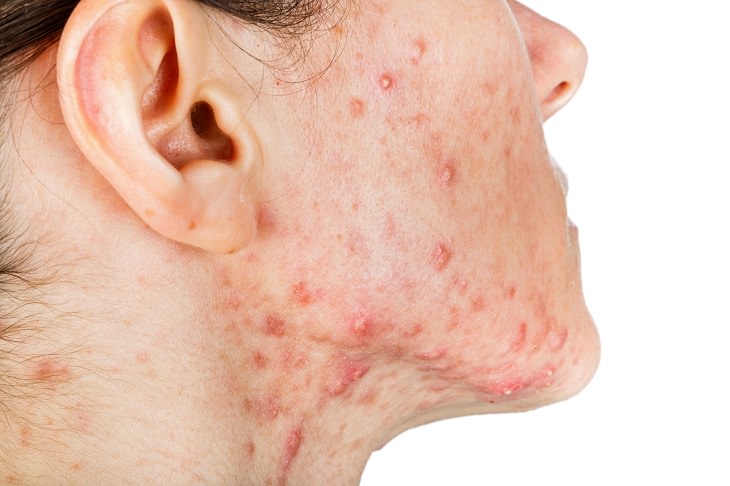
You thought acne was a thing of the past, but if your face is suddenly a mess of pimples, stress might be the reason why. When you’re stressed, your body pumps out more hormones, like cortisol, which causes skin glands to produce more oil. This excess oil can get trapped inside hair follicles, along with dead skin cells and dirt, producing pimples. 
 
What to do: Topical creams containing benzoyl peroxide or salicylic acid can clear up acne if applied regularly. For a more natural approach, you can wash your face with green tea or dab on some pure aloe vera. 
 
7. Your Brain Feels Fuzzy 
Stress can make you mentally sick, too. Too much of the stress hormone cortisol can make it much harder to focus or concentrate, causing memory problems as well as anxiety or depression. 
 
What to do: Relax until you regain your focus. Practice closing your eyes and breathing in and out, concentrating on only your breath. 
 
8. Your Hair Is Falling Out 
Losing a few strands of hair is perfectly normal, but stress can make it worse. Significant stress pushes a large number of hair follicles into what’s known as a resting phase, and then a few months later those hairs fall out. Stress can also cause the body’s immune system to attack your hair follicles, resulting in hair loss.  
 
What to do: Be patient. Once your stress levels have decreased, your hair should begin to grow back.


This is only for your information, kindly take the advice of your doctor for medicines, exercises and so on.   

https://gscrochetdesigns.blogspot.com. one can see my crochet creations  
https://gseasyrecipes.blogspot.com. feel free to view for easy, simple and healthy recipes    
https://kneereplacement-stickclub.blogspot.com. for info on knee replacement


Labels: , , , , , , , , ,

Monday, October 18, 2021

Flu Vaccination: Side effects that need immediate attention

Flu cases surge amid COVID-19 pandemic

Lately, there has been a widespread surge in the number of flu cases globally. While the novel coronavirus continues to be a predominant disease, with the flu season here, matters have only worsened. Apart from urging people to get their COVID-19 vaccines, doctors and medical professionals have highlighted the importance of taking your flu vaccine shot.

Just like the COVID vaccines, flu shots also trigger certain side effects that are non life-threatening and are manageable. However, some people may develop post-vaccination symptoms that may call for immediate attention. That said, here's a look at what you can expect after a flu vaccination.

A possible 'twindemic' is on the rise, what you should know?

As compared to this year, flu cases during the 2020-2021 season was "unusually low", as per the Centre for Disease Control and Prevention (CDC). Apart from the nationwide lockdowns, quarantine policies and mask mandates, social distancing, immediate COVID testing, maintenance of proper hygiene, all played a crucial role in curbing the rise in the case numbers.

However, the tables have turned and both the SARs-COV-2 virus and the flu have become more rampant than ever. Some have even been experiencing the "worst cold ever." This according to experts can lead to a possible "twindemic", a leading concern all across the world. Given that people have become more relaxed and less vigilant, we could be witnessing a dangerous rise in flu cases in the coming days.

Yes! It is safe to get your COVID-19 and flu shot together

The flu season is here and we've all been concerned about the toll it could take on us, especially with COVID-19 still wreaking a lot of havoc in and around the world.

That said, getting yourself vaccinated has become more important than ever.

A lot of people have been wondering whether or not they can get their flu shot and COVID-19 vaccine together. The Centre for Disease Control and Prevention (CDC) clarifies and says that it is absolutely safe to get both the vaccine doses around the same time, and that getting the two vaccines together does not pose any harm.

While usually people are advised to space out the vaccine shots, with COVID and flu vaccines, there is no need, as per experts.

How soon should you get your flu vaccine and when?

The flu virus can affect us at any time. However, September-October is the period when it thrives and worsens, which is why it is also the best time to get your flu vaccines.

While wearing your masks, taking all precautionary measures, maintaining distance and proper hygiene, all contribute to keeping you safe, getting your flu shot is extremely necessary. With COVID-19 and the flu circulating at the same time, the possibilities of a potential third wave have only increased.

That said, the earlier you get your vaccine shot, the more protected you will be.

Most common side effects to expect

Considering flu vaccines trigger immune responses, it causes inflammation in the body, leading to certain side effects. It is the way your body tells you that the vaccine is doing its job. That said, here are some of the most common symptoms you can experience after a flu jab.

- Fever and chills

- Headache

- Pain at the injection site

- Nausea

- Body ache and joint pain

These side effects are easily manageable at home and will diminish over a day or two, causing no concern at all.

Flu vaccine side effects that call for medical attention

According to the CDC, some people may experience severe allergic reactions, which may need immediate medical attention.

- Shortness of breath

- Swelling around eyes and lips

- Pale skin

- Extreme fatigue and weakness

- Hives

- Wheezing

- Heart palpitations and dizziness

In case of the above mentioned side effects, act immediately and call your doctor.

Do not hesitate to get your vaccines

Vaccine side effects are a common occurrence. Flu vaccines can trigger certain adverse reactions, which can be managed at home. However. severe side effects need professional help, but it is usually very rare.

If you're someone hesitant to get the vaccines, you must understand that side effects experienced from a flu vaccine far outweighs the risk of catching the virus itself. 


This is only for your information, kindly take the advice of your doctor for medicines, exercises and so on.   

https://gscrochetdesigns.blogspot.com. one can see my crochet creations  
https://gseasyrecipes.blogspot.com. feel free to view for easy, simple and healthy recipes    
https://kneereplacement-stickclub.blogspot.com. for info on knee replacement

Labels: , , , , , , , , ,