Monday, May 23, 2022

8 Signs That Are Indicative of Stress

According to an American Psychological Association survey, Americans are more stressed than ever before, and nearly one third believe that stress has a negative impact on their physical and mental health. If you have any of the following symptoms, then stress might be making you ill.

1. You Break Out in Hives
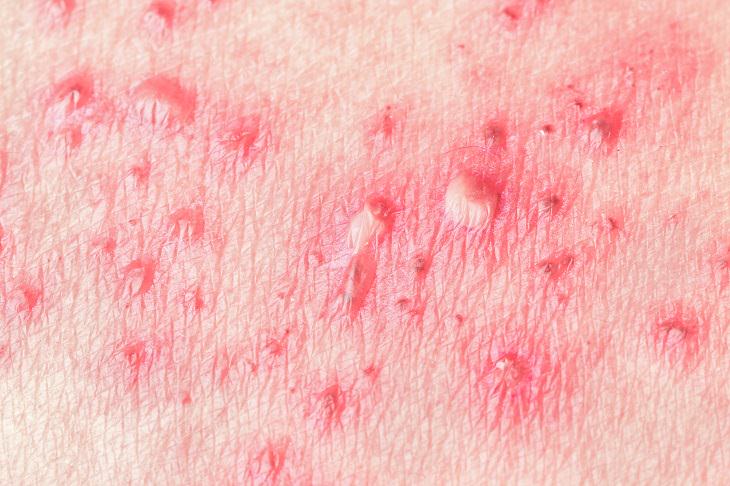
If you suddenly break out in itchy red bumps, stress could be to blame. When you experience excessive stress, your immune system goes haywire and your body starts releasing histamine to fight off your ailments. However, if your stress doesn’t go away, you will develop an allergic reaction that will result in hives. When your immune system is weakened by stress, your skin can also become irritated by things it never used to be sensitive to, such as cold, heat, lotions, soap, or laundry detergent.

What to do: Put a cool, damp towel on the affected area. If this doesn’t work, take an antihistamine.

2. Your Weight Starts to Fluctuate
Shanna Levine, MD, a primary care physician and clinical instructor of medicine at Icahn School of Medicine at Mount Sinai in New York City, says that “stress triggers the release of the hormone cortisol, which impairs your body’s ability to process blood sugar and changes the way you metabolize fat, protein, and carbs, which can lead to weight gain or loss.” Stress can also cause people to overeat or undereat. What to do: Snack on nuts. The protein will help if you’re undereating, and the fiber will fill you up if you’ve been bingeing. 
 
3. You Keep Getting Headaches
f you rarely suffer from headaches but suddenly you keep getting pounding headaches, it could be due to stress. When you’re stressed, your body releases chemicals that can cause changes to nerves and blood vessels in the brain, which brings on a headache. If you’re prone to migraines, stress can trigger them or make them much worse. It’s also common for your muscles to tense up when you’re stressed, which can also cause a headache. 
 
What to do: If you don’t want to take some ibuprofen, try dabbing lavender oil or peppermint oil on your temples when a headache starts. 
 
4. Your Tummy Is Just Off 
Stress can disrupt the function of your GI tract in more than one way. For example, it can cause the body to produce more digestive acid, leading to heartburn. According to Deborah Rhodes, MD, a Mayo Clinic internal medicine physician, “it can also slow the emptying of food from the stomach, which causes gas and bloating, and may even increase the number of times your colon contracts, leading to cramping and diarrhea." What to do: Take an over-the-counter antacid or drink some ginger tea. 
 
5. You Always Have a Cold 
Stress suppresses the immune system, which makes it a lot easier for you to get sick and much harder for you to fight off bugs. Researchers at Carnegie Mellon University in Pittsburgh infected volunteers with a cold virus; those who declared that they were coping with many stresses were found to be twice as likely to get sick than those with fewer stress-related problems. 
 
What to do: One study found that zinc supplements can shorten the duration of a cold by about a day if taken within 24 hours of feeling sick. Meditation, exercise, and plenty of sleep can also help you de-stress and boost your immune system.  
 
6. You Have Acne Again

You thought acne was a thing of the past, but if your face is suddenly a mess of pimples, stress might be the reason why. When you’re stressed, your body pumps out more hormones, like cortisol, which causes skin glands to produce more oil. This excess oil can get trapped inside hair follicles, along with dead skin cells and dirt, producing pimples. 
 
What to do: Topical creams containing benzoyl peroxide or salicylic acid can clear up acne if applied regularly. For a more natural approach, you can wash your face with green tea or dab on some pure aloe vera. 
 
7. Your Brain Feels Fuzzy 
Stress can make you mentally sick, too. Too much of the stress hormone cortisol can make it much harder to focus or concentrate, causing memory problems as well as anxiety or depression. 
 
What to do: Relax until you regain your focus. Practice closing your eyes and breathing in and out, concentrating on only your breath. 
 
8. Your Hair Is Falling Out 
Losing a few strands of hair is perfectly normal, but stress can make it worse. Significant stress pushes a large number of hair follicles into what’s known as a resting phase, and then a few months later those hairs fall out. Stress can also cause the body’s immune system to attack your hair follicles, resulting in hair loss.  
 
What to do: Be patient. Once your stress levels have decreased, your hair should begin to grow back.


This is only for your information, kindly take the advice of your doctor for medicines, exercises and so on.   

https://gscrochetdesigns.blogspot.com. one can see my crochet creations  
https://gseasyrecipes.blogspot.com. feel free to view for easy, simple and healthy recipes    
https://kneereplacement-stickclub.blogspot.com. for info on knee replacement


Labels: , , , , , , , , ,

Sunday, May 16, 2021

How to Tell If You Have a Magnesium Deficiency

Magnesium is one of those vital vitamins your body needs to work properly. Without it your body cannot effectively regulate cholesterol levels or break down fat. Magnesium also controls the production of antioxidants, proteins, and enzymes. Magnesium is also responsible for creating and repairing DNA and RNA strains. 
 
Usually you get magnesium from foods and beverages you consume, but increasingly people are suffering from a deficiency – in fact four out of five Americans are said to be deficient in magnesium. The good news is that your body lets you know when it’s lacking in minerals. Here are 8 outward warning signs that may indicate that you need more magnesium.
1. Easily injured 
Magnesium plays a vital role in your muscle health and ensures that your bones and musculo-skeletal system function correctly. One consequence of a magnesium deficiency is that you develop osteoporosis. This means you will get injured fairly easily and your muscles will be much weaker, because magnesium builds blocks of muscles and produces proteins. 
 
This symptom is one of the more tell-tale signs of a magnesium deficiency. It’s recommended that you take calcium and magnesium supplements in this case.

2. Bad headaches   Magnesium  deficiency
There are many causes behind the classic headache, but if you find yourself suffering from severe migraines or tension headaches, this could indicate a magnesium deficiency. You can try to alter this by eating foods rich in magnesium or by taking magnesium supplements. If your headaches persist you should get in contact with your physician to investigate other possible causes.

3. Insomnia 
While the most common cause behind the tens of millions of insomnia cases is stress, it can also be caused by a magnesium deficiency. If you find yourself having difficulty falling asleep or you're waking up during the night, it’s best to have your magnesium levels checked out. 
 
4. Muscle cramps 
Magnesium plays a key role in making sure your muscles are relaxed and support your body’s general cellular function. Since you use your muscles daily it’s important to provide them with the right minerals so that they function correctly. Both a lack of magnesium and potassium are well known causes of muscle cramps so it’s recommended that you increase both of these minerals via supplements. 
 
5. Hypertension 
The leading cause behind hypertension, also called high blood pressure, is too much sodium. The second cause is a magnesium deficiency, and it is a notable symptom of this deficiency. It might be worth considering a magnesium supplement before resorting to strong prescription medication. 
 
6. Anxiety and depression 
A lack of magnesium might actually be bringing you down or giving you anxiety and panic attacks. Magnesium controls your mood and works to calm your body. The common modern day problems of anxiety and depression might be driven by low magnesium levels. It’s worth trying magnesium supplements for a few days to see if there’s a change in your mood before committing to antidepressants.

7. Muscle pain 
Low levels of magnesium are known for causing muscle cramps. It can also trigger more severe muscle pain, known as fibromyalgia. This painful symptom is a tell-tale sign of a magnesium deficiency. To test whether your fibromyalgia is magnesium related take supplement pills for a few days to see if the pain subsides. 
 
8. Spikes in blood sugar 
Magnesium is also an important component in leveling out your blood sugar level and works to improve glucose absorption. If you notice that your blood sugar spikes or that you are feeling tired all the time, no matter how much you eat, you might be magnesium-deficient. Similarly you might be running low on magnesium if you are chronically fatigued and develop adrenal fatigue.

This is only for your information, kindly take the advice of your doctor for medicines, exercises and so on.     

https://gscrochetdesigns.blogspot.com. one can see my crochet creations  
https://gseasyrecipes.blogspot.com. feel free to view for easy, simple and healthy recipes    
https://kneereplacement-stickclub.blogspot.com. for info on knee replacement

Labels: , , , , , , , , ,