Wednesday, August 06, 2025

Here's How to Prevent and Treat Intestinal Parasites

It’s a common misconception for people to think that intestinal parasites are only a thing in underdeveloped countries, but they’re much more common in developed countries than you might think. Over 3 billion people around the world have or have had intestinal parasites at some point in their lives, according to the World Health Organization. Here’s all you need to know about them: 

What are intestinal parasites?
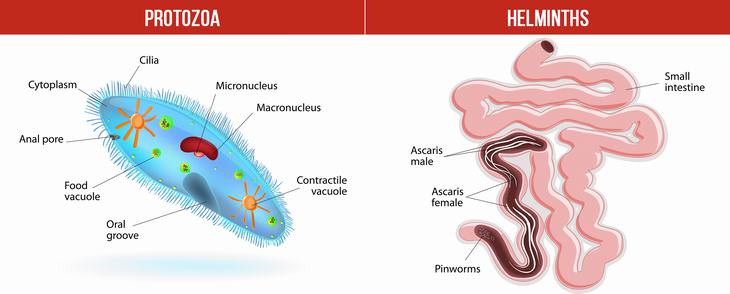
Here's How to Prevent and Treat Intestinal Parasites
There are many different kinds of parasite, however the two main types of intestinal parasite are helminths and protozoa. The former consists of worms with many cells that cannot multiply within the confines of the human body. Examples of these are tapeworms, pinworms and roundworms. On the other hand, protozoa are single-cell organisms that have the ability to multiply inside the human body. They can cause very serious infections.
 
 
How do you get intestinal parasites?
 
Intestinal parasites are usually transmitted when coming into contact with infected feces, such as through contaminated soil, food or water. Other factors, such as visiting an area known to have parasites, poor hygiene, and sanitation, having a weak immune system, handling animals, and the age of the individual, increase the risk of contracting intestinal parasites. Children and the elderly are most at risk, and what’s more is that intestinal parasites are contagious and can be passed on to others with ease. 
 
Why are intestinal parasites dangerous?  
 
In essence, intestinal parasites are dangerous because they feed off of our bodies. When our intestines become hosts for parasites, not even the high level of acidity in the gut is enough for the body to protect itself, so it turns to the immune system for protection instead. This often leads to an inflamed gut. 
 
Intestinal parasites inhibit the correct absorption of nutrients into the body, as well as release toxins into the bloodstream and lymphatic system. In addition, a bowel obstruction can occur in the event of a severe infection. This obstruction (if not a total blockage) prevents food, fluids, and gas from moving through the intestines normally. Severe infestation can even cause anemia due to bleeding in the intestines. 
 
Key symptoms of a parasitic infection in the body 
 
1. Excessive food cravings or alternatively loss of appetite 
 
2. Weight loss 
 
3. Stomach pain 
 
4. Constipation, diarrhea, gas, or other symptoms of irritable bowel syndrome (IBS) 
 
5. Blood sugar fluctuations 
 
6. Skin disorders, such as acute itching or pain around the rectum and other body parts, rashes or other skin irritations 
 
7. Anxiety and depression 

8. Sleep disorders 
 
9. Pain or aching muscles or joints 
 
10. Fatigue and exhaustion 
 
11. Iron-deficiency or anemia 
 
12. Immune disorders with an excessive number of bacterial, fungal or viral infections 
 
13. Diminished libido 
 
14. Bloody stools or light-colored stool 
 
15. Nausea or vomiting 
 
16. White specks in stool 
 
17. Sulfur burps 
 
How to treat intestinal parasites
 
You can rid yourself of a parasitic infection through conventional medication or through the use of alternative medical treatments. Consult your doctor if you believe that you might be hosting an intestinal parasite. 
 
 Conventional medicine 
 
Your doctor will be able to tell you if you have an intestinal parasite by conducting a simple stool test. If the test is positive, then they will prescribe medication accordingly.
 
Alternative medicine 
 
1. Herbs  
 
Garlic, goldenseal, barberry, anise, Oregon grape, wormwood, wormseed, black walnuts, curled mint, cloves, oregano, thyme, and olive leaf are among the most commonly-prescribed herbs to treat intestinal parasites, but consult your physician prior to ingesting any. 
 
2. Supplements 
 
You should always consult a physician prior to taking any supplements, but probiotics, digestive enzymes, vitamin C and zinc can all help to heal you of internal parasites. 
 
3. Homeopathic remedies 
 
Cina, indigo, spigelia, podophyllum, cuprum oxidatum nigrum, teucrium, sabadilla, stanum are all good remedies for intestinal parasites. 
 
4. Diet 
 
A diet rich in raw garlic, pumpkin seeds, papaya seeds, pineapple, carrots, beets, and pomegranates can help to kill parasites. 
 
5. Intestinal cleansing 
Try eating a high-fiber diet inclusive of psyllium husks, citrus pectin, papaya extract, bentonite clay, activated charcoal, pumpkin seeds,beetroot, and flaxseed. These will do wonders for detoxifying your body. 
 
Preventing infection 

Parasitic infections are highly contagious, with parasite eggs potentially being passed on easily to anything (or anyone) you touch. It’s crucial to wash your hands and maintain good hygiene to reduce the chances of further transmission. Pay attention to the quality of drinking water and the hygienic conditions of where your food is being prepared if you’re traveling overseas, and also wash any fruits and vegetables.


This is only for your information, kindly take the advice of your doctor for medicines, exercises and so on.   


Labels: , , , , , , , , , , ,

Tuesday, July 27, 2021

What Is Viral Hepatitis? Know Its Symptoms, Types And Treatment Options

World Hepatitis Day 2021: What Is Viral Hepatitis? Know Its Symptoms, Types And Treatment Options 

The liver is one of the most vital organs of our body and plays a major role in the digestion process. Any damage caused to the liver, ultimately affects the entire functioning of the body. Hepatitis refers to a highly contagious liver infection that causes an inflammation of the liver in which tissues react to irritation or injury which generally results in swelling and pain. This happens due to a variety of infectious viruses and non-infectious agents leading to a range of health problems, some of which can even be fatal. There are many causes of hepatitis in which viral hepatitis is a major one. Viral hepatitis is caused by a virus and can either be acute or chronic.

World Hepatitis Day 2021: Know all about hepatitis

Types of viral hepatitis

There are 5 viruses that can cause viral hepatitis. These include:

Hepatitis A and Hepatitis E- This type of hepatitis is common and spreads by ingesting contaminated food or water. It does not lead to any form of chronic infection and usually has no complications. Therefore, a person can generally recover from this virus within a few months. However, in rare cases, this virus can become fatal leading to liver failure and may even require liver transplantation surgery.

Hepatitis B- This type of hepatitis usually leads to chronic infection. However, one can carry the virus without feeling sick and can spread it. Hence, it is recommended to get vaccinated to prevent it. It spreads by contaminated needles, contaminated blood transfusion, tattoo, unsafe sex, and sharing toothbrush or razors.

Hepatitis C- It is one of the most common causes of liver disease and does not show any symptoms. It can further lead to chronic infections and no vaccine has been developed yet to prevent this virus. Mode of spread is similar to hepatitis B.

Hepatitis D- This type of hepatitis only affects people who are already infected by the hepatitis B virus. Therefore, vaccination against hepatitis B can also help prevent this type.

Warning signs

  • Urine dark in color
  • Stomach pain
  • Jaundice
  • Low-grade fever
  • Loss of appetite
  • Fatigue
  • Feeling sick
  • Aching joints
  • Pale or clay-colored stool

Treatment

While there is no treatment to cure hepatitis A or hepatitis E, they are usually self-remitting. Hepatis B and hepatitis C can be cured through medication. Apart from maintaining hygiene and sanitization, one must visit a doctor if they have any symptoms of viral hepatitis for better management. Ignorance of symptoms can make the condition worse.

Implications of viral hepatitis

  • Liver cancer
  • Destruction of the liver tissues
  • Weakening the immune system
  • Liver failure
  • Death in certain acute cases

Prevention

  • Get vaccinated for hepatitis A and hepatitis B
  • Use protection during sexual intercourse
  • Avoid sharing needles
  • Maintain good hygiene
  • Wash hands with soap regularly
  • Avoid using items of an infected person
  • Take precautions while getting inked or pierced
  • Avoid sharing water or any fluids

Correlation with COVID-19

Although the recovery rate from the virus is increasing gradually, Covid-19 is creating new variants that are spreading rapidly. It has been shown basis a recent CDC study that Covid may also cause viral hepatitis while inducing a dysregulated innate immune response. Therefore, it is very important to take preventive measures to avoid the risk of viral hepatitis. Even while working at hospitals, nursing homes, dormitories, daycare centers or clinics, certain preventive measures can lower the risk of this contagious disease.

This is only for your information, kindly take the advice of your doctor for medicines, exercises and so on.   

https://gscrochetdesigns.blogspot.com. one can see my crochet creations  
https://gseasyrecipes.blogspot.com. feel free to view for easy, simple and healthy recipes    
https://kneereplacement-stickclub.blogspot.com. for info on knee replacement


Labels: , , , , , , , ,

Monday, June 22, 2020

Newborn babies with COVID-19 may have only mild illness, mostly with fever


Worried about your newborn babies amidst the COVID-19 pandemic? The finding of a new study may give you some relief. A report from Ann & Robert H. Lurie Children’s Hospital of Chicago has shown that infants under 90 days of age who tested positive for COVID-19 tend to be well, with little or no respiratory symptoms. Fever was often found to be the primary or only symptom in newborn babies infected with the novel coronavirus, noted the study, published in The Journal of Pediatrics. 

“While there is limited data on infants with COVID-19 from the United States, our findings suggest that these babies mostly have mild illness and may not be at higher risk of severe disease as initially reported from China,” said lead author Leena B. Mithal, paediatric infectious diseases expert from Lurie Children’s and Assistant Professor of Paediatrics at Northwestern University, US.
 
The researchers also found that none of the infants who were admitted to the hospital’s general inpatient service required oxygen, respiratory support, or intensive care. Despite mild clinical illness, the infants had notably high viral loads in their nasal specimens. However, Dr. Mithal is unclear whether young infants with fever and a positive test for SARS-CoV-2 require hospital admission. “The decision to admit to the hospital is based on age, need for preemptive treatment of bacterial infection, clinical assessment, feeding tolerance, and adequacy of follow-up,” she added.
Mithal believes there may be opportunities to utilize rapid SARS-CoV-2 testing to determine disposition of clinically well infants with fever.

How to keep your little one safe during the pandemic
These are a few guidelines recommended by health experts and health care organizations to protect your baby from the COVID-19 virus.

Practise Good Hand Hygiene: Always clean your hands before touching your baby and as far as possible avoid touching his mouth or nose. According to health experts, you need to wash your hands with soap and water for 20 seconds in order to keep germs away. If you’re using an alcohol-based hand sanitizer, rub it in your hands for at least 30 seconds.

Maintain social distancing: Instead of having friends and relatives visit your place to meet your baby, introduce your baby to them via video call. Because a study reveals that up to 45 per cent of coronavirus cases s are asymptomatic, that is the infected person show no symptoms.

Regularly clean your baby’s toys and gear: Health care agencies advise parents of newborns to regularly disinfect high-touch surfaces in their home and clean their baby’s toys and gear with warm water. Make sure to regularly clean your baby’s bottles, bedding and clothes as well.

Take precautionary measures while breastfeeding: Breastfeeding is good for your baby. It is more important to breastfeed your baby during the pandemic, says a study from the University of Pennsylvania. If breastfeeding mothers have any COVID-19 symptoms, the WHO advises that they should clean their breast pump and hands before going near the baby. They should also wear a mask while feeding the baby. Also, they shouldn’t forget to clean the breast pump with warm water after each use.


This is only for your information, kindly take the advice of your doctor for medicines, exercises and so on.     

https://gscrochetdesigns.blogspot.com. one can see my crochet creations  
https://gseasyrecipes.blogspot.com. feel free to view for easy, simple and healthy recipes    
https://kneereplacement-stickclub.blogspot.com. for info on knee replacement


Labels: , , , , , , , ,