Wednesday, August 06, 2025

Here's How to Prevent and Treat Intestinal Parasites

It’s a common misconception for people to think that intestinal parasites are only a thing in underdeveloped countries, but they’re much more common in developed countries than you might think. Over 3 billion people around the world have or have had intestinal parasites at some point in their lives, according to the World Health Organization. Here’s all you need to know about them: 

What are intestinal parasites?
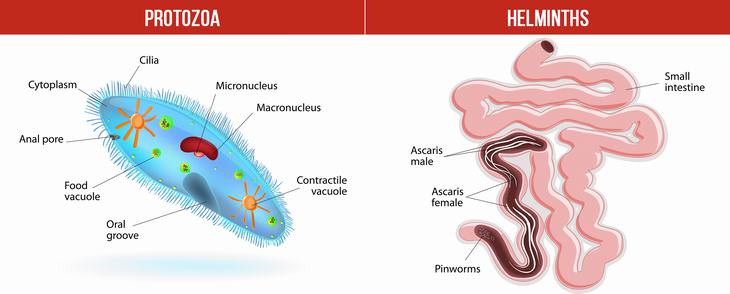
Here's How to Prevent and Treat Intestinal Parasites
There are many different kinds of parasite, however the two main types of intestinal parasite are helminths and protozoa. The former consists of worms with many cells that cannot multiply within the confines of the human body. Examples of these are tapeworms, pinworms and roundworms. On the other hand, protozoa are single-cell organisms that have the ability to multiply inside the human body. They can cause very serious infections.
 
 
How do you get intestinal parasites?
 
Intestinal parasites are usually transmitted when coming into contact with infected feces, such as through contaminated soil, food or water. Other factors, such as visiting an area known to have parasites, poor hygiene, and sanitation, having a weak immune system, handling animals, and the age of the individual, increase the risk of contracting intestinal parasites. Children and the elderly are most at risk, and what’s more is that intestinal parasites are contagious and can be passed on to others with ease. 
 
Why are intestinal parasites dangerous?  
 
In essence, intestinal parasites are dangerous because they feed off of our bodies. When our intestines become hosts for parasites, not even the high level of acidity in the gut is enough for the body to protect itself, so it turns to the immune system for protection instead. This often leads to an inflamed gut. 
 
Intestinal parasites inhibit the correct absorption of nutrients into the body, as well as release toxins into the bloodstream and lymphatic system. In addition, a bowel obstruction can occur in the event of a severe infection. This obstruction (if not a total blockage) prevents food, fluids, and gas from moving through the intestines normally. Severe infestation can even cause anemia due to bleeding in the intestines. 
 
Key symptoms of a parasitic infection in the body 
 
1. Excessive food cravings or alternatively loss of appetite 
 
2. Weight loss 
 
3. Stomach pain 
 
4. Constipation, diarrhea, gas, or other symptoms of irritable bowel syndrome (IBS) 
 
5. Blood sugar fluctuations 
 
6. Skin disorders, such as acute itching or pain around the rectum and other body parts, rashes or other skin irritations 
 
7. Anxiety and depression 

8. Sleep disorders 
 
9. Pain or aching muscles or joints 
 
10. Fatigue and exhaustion 
 
11. Iron-deficiency or anemia 
 
12. Immune disorders with an excessive number of bacterial, fungal or viral infections 
 
13. Diminished libido 
 
14. Bloody stools or light-colored stool 
 
15. Nausea or vomiting 
 
16. White specks in stool 
 
17. Sulfur burps 
 
How to treat intestinal parasites
 
You can rid yourself of a parasitic infection through conventional medication or through the use of alternative medical treatments. Consult your doctor if you believe that you might be hosting an intestinal parasite. 
 
 Conventional medicine 
 
Your doctor will be able to tell you if you have an intestinal parasite by conducting a simple stool test. If the test is positive, then they will prescribe medication accordingly.
 
Alternative medicine 
 
1. Herbs  
 
Garlic, goldenseal, barberry, anise, Oregon grape, wormwood, wormseed, black walnuts, curled mint, cloves, oregano, thyme, and olive leaf are among the most commonly-prescribed herbs to treat intestinal parasites, but consult your physician prior to ingesting any. 
 
2. Supplements 
 
You should always consult a physician prior to taking any supplements, but probiotics, digestive enzymes, vitamin C and zinc can all help to heal you of internal parasites. 
 
3. Homeopathic remedies 
 
Cina, indigo, spigelia, podophyllum, cuprum oxidatum nigrum, teucrium, sabadilla, stanum are all good remedies for intestinal parasites. 
 
4. Diet 
 
A diet rich in raw garlic, pumpkin seeds, papaya seeds, pineapple, carrots, beets, and pomegranates can help to kill parasites. 
 
5. Intestinal cleansing 
Try eating a high-fiber diet inclusive of psyllium husks, citrus pectin, papaya extract, bentonite clay, activated charcoal, pumpkin seeds,beetroot, and flaxseed. These will do wonders for detoxifying your body. 
 
Preventing infection 

Parasitic infections are highly contagious, with parasite eggs potentially being passed on easily to anything (or anyone) you touch. It’s crucial to wash your hands and maintain good hygiene to reduce the chances of further transmission. Pay attention to the quality of drinking water and the hygienic conditions of where your food is being prepared if you’re traveling overseas, and also wash any fruits and vegetables.


This is only for your information, kindly take the advice of your doctor for medicines, exercises and so on.   


Labels: , , , , , , , , , , ,

Friday, October 15, 2021

What is dust? And where does it all come from?

Everything in our homes gathers dust. But what exactly is it? Where does it come from, and why does it keep coming back? Is it from outside? Is it fibres from our clothes and cells from our skin?

Yes, but it’s a lot more than that.

People from all around Australia have been sending their dust to Macquarie University’s DustSafe program. Instead of emptying the vacuum cleaner into the bin, they package it up and we analyse it. As a result, we are getting to know the secrets of your dust! In total, 35 countries are part of this program.

Here’s a taste of what we know so far.

Dust is everywhere

Dust is everywhere. It settles on all surfaces in the natural environment as well as inside homes and buildings — where we spend about 90% of our time, even before COVID.

Some dust is natural, coming from rocks, soils and even space. But the DustSafe program is revealing Australian house dust can include nasties such as:

Dust from inside your home

Some estimates suggest one third of trace element contaminants in household dust originate from sources inside your home, with the rest migrating from outside via air, clothes, pets, shoes and the like.

You and your pets are constantly contributing skin cells and hair to dust. Dust is also made up of decomposing insects, bits of food, plastic and soil.

Intuitively, one might think having pets transporting a variety of organic contaminants including feces into homes is somewhat gross. However, there is emerging evidence that some “filth” is beneficial as it may help your immune system and reduce allergy risk.

Cooking, open fireplaces and smoking indoors adds very fine dust to your home along with contaminants of concern, which are associated with poor health outcomes.

Dust contains a wide collection of chemicals, including those listed on the UN’s Stockholm Convention on Persistent Organic Pollutants, which are linked to certain cancers, birth defects, dysfunctional immune and reproductive systems, greater susceptibility to disease and damage to the nervous system.

Chemicals used in pesticides and in our clothing and furniture also combine with dust in our homes. Toxic flame retardants are used in countless domestic products including children’s pyjamas and can make their way into dust.

Dust also contains microplastics from clothes, packaging, carpeting and furnishings. They’re easily inhaled and ingested, especially by children who often put their hands in their mouth.

Pefluorinated chemicals or PFAS — known as the “forever chemicals” — are used in many domestic products including cosmetics and some non-stick surfaces. These chemicals are in our house dust, too.

Dust from outside your home

About two-thirds of household dust comes from outdoors.

Garden soil and road dust gets tracked in on your shoes or blown in on windy days. Outdoor dust particles get in on the hairs of your pets. Vehicle exhaust dust also gets inside.

Recent dust storms have transported topsoil from farming lands and desert regions to our homes in the city.

Bushfires create fine particulate atmospheric dust, which can contain toxic components from past pollution.

Dust from nearby mines and industry can result in toxic exposures to children.

Poor air quality and damp homes are a source of disease and death.

By deduction, dust would also contribute to adverse health outcomes. Certain types of dust are particularly bad; there are renewed exposures concerns about silicosis dust for tradespeople, and asbestos dust from home renovation.

Excessive use of disinfectants and antibacterial products has been linked to the increased prevalence of antibiotic resistant genes, which we can detect in our dust.

Nearly one in five Australians have allergic rhinitis (hay fever), caused by dust related allergens such as dust mites, pollen, pet dander and skin particles.

Take action against dust!

House dust is part of life. Even in closed-up homes, it will still settle from the indoor atmosphere, leak from the ceiling cornices and attic spaces, and seep into your living areas through cracks around windows and doors.

Any particles of dirt, smoke, fibres or crushed materials that go into the air eventually come down as dust.

But there’s much you can do.

We can try to stop dust getting inside. Use door mats and take your shoes off indoors. Mud-covered children or pets can be towelled down at the door and dusty work clothes should be removed upon entering.

We can choose wisely what chemicals we allow into our homes and how they are used.

Reducing our use of plastics, pesticides and waterproofers will help to reduce the chemical load. Quit unnecessary antibacterial products. A damp cloth with soap or a detergent is just as useful to clean a surface.

Regular vacuuming helps enormously. Vacuum cleaners fitted with a fine particle filter (such as HEPA filter) are more effective at removing allergen-causing dust.

Dusting with a dry cloth or feather duster is likely to recirculate the dust back into the air, so use a damp cloth instead.

Wet mopping of hard floor surfaces also removes fine dust left behind by sweeping or vacuuming.

This is only for your information, kindly take the advice of your doctor for medicines, exercises and so on.   

https://gscrochetdesigns.blogspot.com. one can see my crochet creations  
https://gseasyrecipes.blogspot.com. feel free to view for easy, simple and healthy recipes    
https://kneereplacement-stickclub.blogspot.com. for info on knee replacement


Labels: , , , , , , , , , , ,