Wednesday, August 06, 2025

80% of IT employees have fatty liver: 6 morning habits to reverse the condition in 3 months

Fatty liver disease, once seen mostly in heavy drinkers, is now a rising concern among working professionals, especially in the tech industry. According to recent updates by Union Health Minister JP Nadda, nearly 80% of IT employees may be silently living with Metabolic Dysfunction-Associated Fatty Liver Disease (MAFLD). What’s worse is that this condition generally hides behind long desk hours, skipped meals, and chronic stress.


The good news? MAFLD can be reversed. But it takes consistency, awareness, and a little shift in the daily routine, starting right from the morning.


Here are 6 morning habits that could help reduce liver fat, support recovery, and bring the liver back to health within just three months.

readmore

Start the day with warm lemon water and a pinch of cinnamon

 

While lemon water isn’t a miracle drink, its role in stimulating bile production is real. What truly enhances this benefit is adding a pinch of Ceylon cinnamon, a natural anti-inflammatory agent that helps regulate blood sugar levels. High insulin levels are a known trigger for fat accumulation in the liver.

A warm glass of water with fresh lemon and cinnamon powder first thing in the morning helps wake up the metabolism gently and sets the tone for fat regulation.


Practice 12 minutes of liver-focused yoga

 

While all exercise helps, targeted movements in yoga have shown added benefit in stimulating the liver and reducing abdominal fat.

Bhujangasana (Cobra Pose), Ardha Matsyendrasana (Spinal Twist), and even Kapalbhati breathing work deeply on the abdominal region. Practicing a simple 12-minute flow daily helps massage the liver, boost circulation, and enhance fat metabolism.


Have a pre-breakfast shot of raw beetroot-carrot juice (100 ml only)
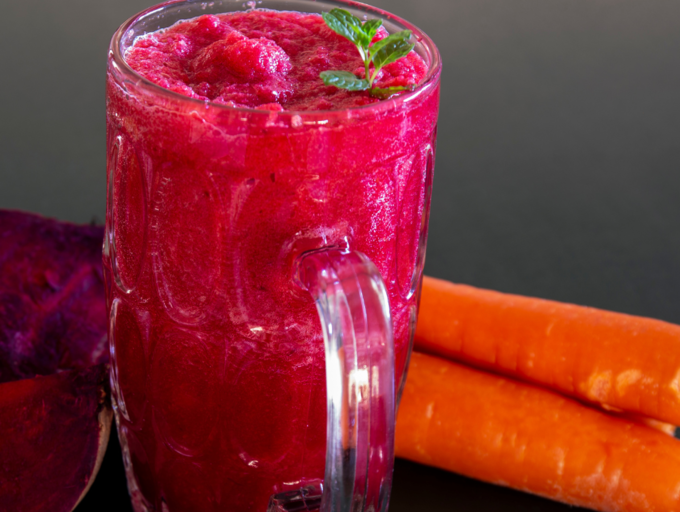
​Beets and carrots are rich in compounds like betaine, betalains, and carotenoids that are clinically shown to reduce oxidative stress in liver cells.

Drinking a small shot of freshly made beetroot-carrot juice (not more than 100 ml) about 30 minutes before breakfast supports enzyme activity and gently cleanses the liver without overwhelming the digestive system.


Break the fast with a bowl of cooked millets and walnuts
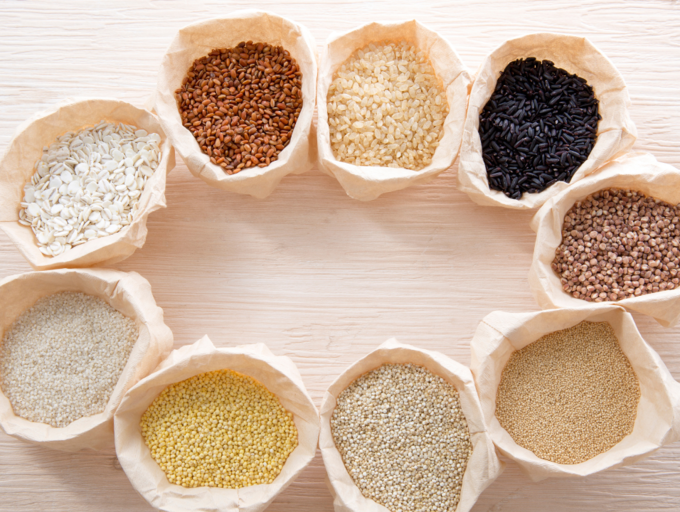
 

 A liver-friendly breakfast should be light, anti-inflammatory, and rich in fiber, not fat.

Instead of processed cereals or refined flour items, a bowl of warm millets (like foxtail or kodo) topped with soaked walnuts, flax seeds, and a spoon of amla chutney supports liver repair. Walnuts are packed with omega-3s, and millets are low-glycemic, keeping both blood sugar and fat levels in check.


Spend 7 minutes in the natural morning sunlight without gadgets

 

Morning sunlight, particularly between 7 to 9 AM, helps regulate the body’s circadian rhythm, lowers cortisol, and supports liver enzyme activity indirectly by improving sleep quality and hormonal balance.

This habit also acts as a "digital detox," offering quiet time before the workday begins. Sitting near a window won’t provide the same benefits; actual outdoor light is needed.

Sip dandelion or fennel tea instead of caffeine
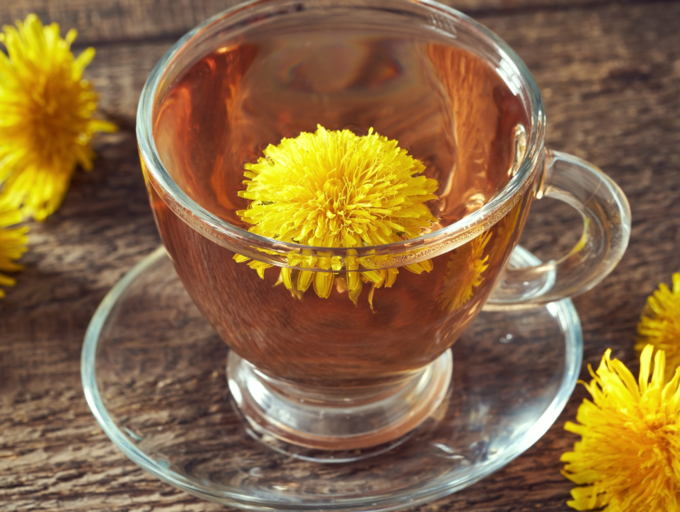
 

 Moderate coffee is actually shown to protect the liver. But when stress, dehydration, and poor gut health are in the mix, as they often are in IT jobs, caffeine can worsen the situation.

Instead, a warm cup of dandelion root tea or fennel tea early in the morning soothes the gut, reduces bloating, and helps flush mild toxins. Both have traditional use in liver support and are backed by modest scientific evidence.


Lost weight

If you're obese, lose weight


What causes Fatty liver?
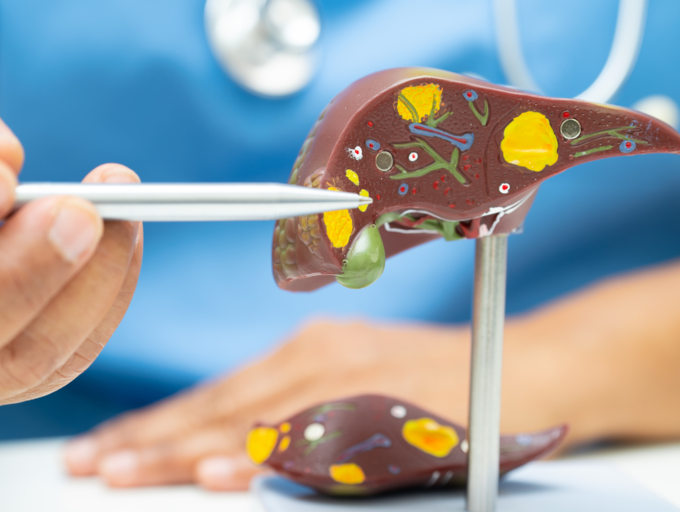
 

Fatty liver is caused by a buildup of excess fat in the liver cells, which can be triggered by a number of factors. The two main types of fatty liver disease are metabolic dysfunction-associated steatotic liver disease (MASLD), previously known as nonalcoholic fatty liver disease (NAFLD), and alcohol-related liver disease. The most common causes of MASLD are closely linked to metabolic conditions, including obesity, type 2 diabetes, insulin resistance, high blood pressure, and high levels of fat in the blood (triglycerides and cholesterol).  


Start today
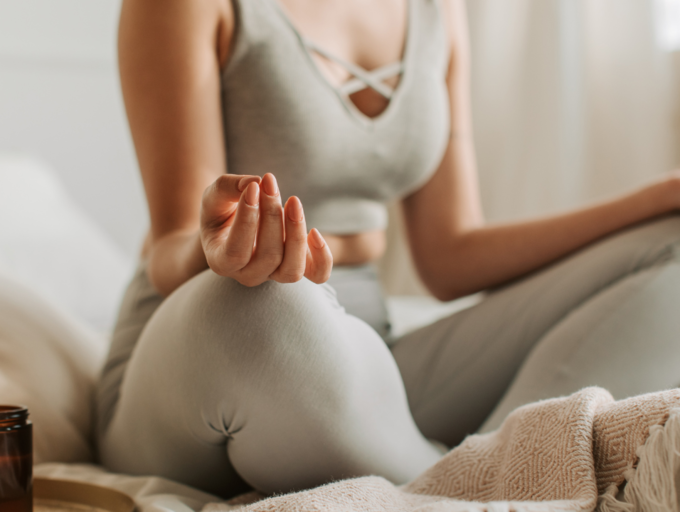
 

Start your wellness journey today. You don't have to wait for good health habits. 


This is only for your information, kindly take the advice of your doctor for medicines, exercises and so on.   

Labels: , , , , , , , ,

Saturday, February 23, 2019

Train your brain to form good habits through repetition

The researchers have created a model which shows that forming good (and bad) habits depends more on how often you perform an action than on how much satisfaction you get from it.

"Psychologists have been trying to understand what drives our habits for over a century, and one of the recurring questions is how much habits are a product of what we want versus what we do," said an Assistant Prof.

"Our model helps to answer that by suggesting that habits themselves are a product of our previous actions, but in certain situations those habits can be supplanted by our desire to get the best outcome," she  added.

For the study, the researchers developed a computer simulation, in which digital rodents were given a choice of two levers, one of which was associated with the chance of getting a reward.

The lever with the reward was the 'correct' one, and the lever without was the 'wrong' one.

The chance of getting a reward was swapped between the two levers, and the simulated rodents were trained to choose the 'correct' one.

When the digital rodents were trained for a short time, they managed to choose the new, 'correct' lever when the chance of a reward was swapped. However, when they were trained extensively on one lever, the digital rats stuck to the 'wrong' lever stubbornly, even when it no longer had the chance for a reward.

The rodents preferred to stick to the repeated action that they were used to, rather than have the chance for a reward.

THIS IS ONLY FOR INFORMATION, ALWAYS CONSULT YOU PHYSICIAN BEFORE HAVING ANY PARTICULAR FOOD/ MEDICATION/EXERCISE/OTHER REMEDIES.                                    PS- THOSE INTERESTED IN RECIPES ARE FREE TO  VIEW MY BLOG-                                                                                           https://gseasyrecipes.blogspot.com/                                                                                                                                                         FOR INFO ABOUT KNEE REPLACEMENT, YOU CAN VIEW MY BLOG-                                                  https:// kneereplacement-stickclub.blogspot.com/           

                                                                           FOR CROCHET DESIGNS                                                                                                                                                                                                  https://gscrochetdesigns.blogspot.com

Labels: , , , ,

Friday, January 11, 2019

Importance Of Meditation

Mental health plays a very important role in our physical health. If you're mentally strong, you can overcome your stress, anxiety and n number of illness. Our minds are assaulted on a daily basis and all that clutter can cause brain fog and paralysis. Meditation is a way of decluttering your mind.

Various benefits of meditation
1) It calms the body and the mind. It lowers the stress hormone, cortisol and  makes you feel calm.

2) Students who have trained in mindful meditation have secured better grades. It is better to introduce meditation on schools from early stages, to benefit students.

3) Meditation results in brain changes which protect against mental health conditions.

4) Your recall memory improves with daily meditation. This happens, as our mind is clear of all unwanted things.

5) Leads to more creativity and better ideas- this happens due to decluttering of the mind, so it can think clearly, leading to newer thoughts and ideas. This happens due to more free space in the brain, as all unwanted thoughts have been cleared.

6) Meditation is very helpful to the elderly, makes them feel less lonely and reduces genes linked to inflammation.

7) Once you start with daily meditation, you're able to get over your addiction problems- smoking drinking, drug abuse and so on.

8) Our anxiety level decreases, as meditation loosens connections to particular neural pathways.

9) You're able to live in the moment easier. Breathing is one of the techniques for this, which is used by many now. This improves our mental and physical health.

10) Meditation helps the body to react positively to all situations, even negative ones. Brain scans have showed that the brain is calmer after meditation even for a few minutes. This shows that it can have a very positive effect on your mental and physical health to a great extent.

Mindful meditation- means living in the moment. It was started by the Buddhists.
Now this method is used as a cognitive therapy.
It is a seated meditation that focuses attention on breathing, body sensations and mental relaxation.
Why is this form of meditation unique?  Its primary focus is on current physical state.

Mindfulness involves 6 neuro-psychological processes that lead to a person's meditative state of self-awareness.
1) Non-attachment and de-centering, where you let go of the ego.
2) Intention and motivation to achieve mindfulness.
3) Attention and regulation
4) Extinction and reconstruction-changing behaviours and attitudes
5) Emotion regulation
6) Pro-social behaviour- A sense of empathy for others.

Mental Benefits of Mindfulness
Mindfulness increases brain gyrification( folding of brain tissue), which allows the brain to process information more efficiently- providing a better grasp of life's stressors.
1) Fights PTSD
2) Fights depression
3) Fights anxiety
4) Fights memory loss
5) Improves academic performance
6) Helps regulate emotions

Physical Benefits
In addition to reducing stress and boosting relaxation, research suggests mindfulness can lower stress-induced inflammation, which is the cause of  many physical diseases.
1) Reduces heart diseases
2) Reduces rheumatoid arthritis
3) Fights chronic pain
4) Helps irritable bowel diseases
5) Slows HIV progression
6) Improves sleep
7) Aids in weight loss
8) Lessens cold and flu's ill-effects

How To start meditation
Breath- don't try to calm your mind, instead appreciate the sensation of your breath. When your mind starts wandering away into thoughts, just recognise that you're thinking. Then return to appreciate the sensation of your breath.

Emotions- Long time meditators show increased size in brain regions, associated with emotion regulation. Larger volumes in these regions might account for meditators' singular abilities and habits to cultivate positive thoughts and emotions, retain emotional stability, and engage in mindful behaviour.

Arms and hands- Relax your shoulders and arms, letting your hands rest on your thighs. Alternately, one hand on another in your lap.

Eyes- Decide what you're going to do with your eyes. If you want the experience to be more body-based, close them. If you want to feel more anchored in space you're in, keep them open.

Legs/ Feet- If you;re sitting on a chair, keep your feet flat on the floor and your spine straight. If you're sitting cross-legged on a cushion, the important thing is to have your knees below your hips.

Time- Meditation isn't about the length of time, it is about frequency. In the same way, you don't get strong, by lifting one giant weight one time, you should try and sit regularly. Five or ten minutes a day is a great start.

Meditation is a holistic approach and involves breathing which is linked to calming your mind. You set aside a dedicated amount of time that is purely yours and you relax your arms and hands and your legs and feet to reflect the lotus position.
Closing your eyes will help you focus on your breathing and to fully concentrate.

Meditation is acknowledging and observing whatever happens- pleasant or unpleasant in a relaxed way.
The goal of meditation is not to empty the mind, but to observe the present moment non-judgementally.

It gives insight into how the mind works, reducing attachment, letting us relax more deeply.
Transforming the mind and using it as a device to explore itself and the nature of reality.

Some of the common hindrances you may find yourself experience are things such as straying, laziness, sleepiness. It can be confronting being alone with your thoughts and this might be entirely new to you.
Be prepared for deep-seated emotional issues to surface. The good news is that it’s better to get it out than keep it in!

Various steps for Meditation  by Swami Vishnudevananda
1)  Place- It is the most important step, as the place you choose, should be mainly for meditation. The atmosphere, you build up will help to calm the mind.

2) Time- is again very important, as you'ld not think of other chores and concerns, it can be dawn or dusk, whatever time suits you best.

3) Habit- Choosing the same place and time each day conditions the mind to slow down more quickly.

4)Posture-  Sit with your back, neck and head in a straight line, facing north or east.

5) Breath- Regulate your breathing- start with a minute of deep breathing, then slow it down. Establish a rhythmic breathing pattern- inhaling, then exhaling for 3 seconds.

6) Mind-Instruct your mind to remain quiet for the duration of your meditation session.

7) The focal point- Now bring the mind to rest on the focal point of your choice- either the Ajna chakra ( the point between your eyebrows), or the Anahata chakra ( in the middle of your chest).

8) The object- Choose an object for concentration- a mantra or a positive quality like love or compassion, or any symbol of an uplifting nature. Hold your object of concentration at your chosen focal point throughout your session.

9) Giving space- Give your mind some space. Allow it to  wander at first, it will jump around, but will certainly settle down into concentration as your breathing becomes more rhythmic.

10) Disassociating- If the mind persists in wandering, simply disassociate from it and watch it objectively, as though you're watching a film.

11) Pure thought- Meditation comes when you reach a sate of pure thought, but still retain your awareness of duality.

12) Samadhi- After long practice, duality disappears and samadhi, the super-conscious state is attained.

THIS IS ONLY FOR INFORMATION, ALWAYS CONSULT YOU PHYSICIAN BEFORE HAVING ANY PARTICULAR FOOD/ MEDICATION/EXERCISE/OTHER REMEDIES.                                                                                
 PS- THOSE INTERESTED IN RECIPES ARE FREE TO  VIEW MY BLOG-                                                                                           https://gseasyrecipes.blogspot.com/                                                                                                                                                                             FOR INFO ABOUT KNEE REPLACEMENT, YOU CAN VIEW MY BLOG-                                               
     https:// kneereplacement-stickclub.blogspot.com/                                                                                     
  FOR CROCHET DESIGNS                                                                                                                                                                                                         https://gscrochetdesigns.blogspot.com
  

Labels: , , , , , , , , , , , ,

Monday, November 26, 2018

Habits That Boost Your Immune System Naturally

We all know that we must have a good immune system , to protect us from getting sick.  Often one may wonder, if it is in our hands to boost our immunity, surely, it is all in your hands.

What you eat, your attitude, and the amount of exercise you get can all play a role in strengthening your immune system and preventing illness


What exactly is the Immune System?
The immune system in layman language can be considered as a protective cover of the human health system. We are surrounded by millions of pathogens (disease-causing germs) that have the ability to enter into the body and cause damage to it. Our immune system, in reality, is the body’s natural shield against these pathogens.

How can you boost your Immunity? 
You definitely cannot evade all the pathogens and get a top-notch, impeccable immune system, but you can at least try and listen to what your body has to say and take steps accordingly.
The first and foremost protective measure can be to follow certain general good-health guidelines.
  1. Do not smoke. There can be no compromise on this issue. Smoking or consuming tobacco in any form brings about a host of health complications; the most pronounced of them all is probably cancer. Smoking, in more ways than one, can spell real trouble for your immune system. So better cut down on your puffs or gear up to face the various medical banes of smoking.
  2. Eat a diet which is rich in fruits, vegetables, whole grains and low in saturated fat. Some examples may include citrus fruits, green leafy vegetables such as spinach or lettuce, yoghurt, almonds and  lean meat. Sipping on green tea thrice a day is a wise choice in this regard. These measures strengthen the immune system to a great extent.
  3. Drink plenty of water. Water keeps the body hydrated, the ultimate prerequisite for a strong immune system. It helps to flush out all the toxins and ensures that the cells get the optimum levels of oxygen. Drinking a glass of lukewarm water mixed with honey and lemon on an empty stomach after getting up in the morning can prove to be one of the best health choices that you can make for your body.
  4. If you drink alcohol, drink only in moderation. Excessive alcohol consumption causes dehydration and it can deprive your body of the valuable immunity-boosting nutrients. It also impairs the body’s ability to fight off germs and infections.
  5. Get adequate sleep. One reason behind stressing on the need to get adequate sleep is because it’s so closely linked to the immune system. While you sleep, the body secretes certain hormones and substances which help better fight infections and diseases. This makes these hormones so vital and indispensable at the same time. So, now you know what wonders can those 8 hours of sleep do to you.
  6. Exercise Regularly. If you're looking for a safe and smart way to boost your immunity, regular exercise is the answer to it. But we are not talking about being an ardent, hard-core gym-junkie; rather exercising in moderate amounts would suffice. Cardiovascular exercises such as walking or swimming, performed 30-45 minutes a day, can prove to be very beneficial.7.
    7.Have a giggle-Laughter can boost your immune system along with your mood. It raises levels of antibodies in the blood and those of the white blood cells that attack and kill bacteria and viruses. It also increases the number of antibodies in the mucus made in the nose and respiratory passages, the entry points for many germs—here are some other  weird facts about laughter you probably didn't know.

    8.Sing your way healthy-A study of a German choir revealed that singing activates the spleen, helping to increase the blood concentrations of antibodies and boost the immune system. If group singing isn’t for you, belt out your favorite tunes in the shower. 

    For benefits of music see my next post
    9.Choose friendly fats-Some fats are essential for building cells and for the production of prostaglandins, hormone-like compounds that help to regulate the immune system’s response to infection, such as the way it reacts by making white blood cells that combat invaders. Italian athletes on very low-fat diets were found to be significantly short of these cells. The secret is to choose your fats with care. Opt for unsaturated vegetable fats rather than saturated ones from animal foods, which reduce the ability of white blood cells to zap bacteria. And avoid trans fats, manufactured fats labeled as “hydrogenated” or “partially hydrogenated.” Often found in processed foods and baked goods, they can interfere with the immune system.

    10.Stay away from sugar- Just 10 teaspoons of sugar—the amount in two 12-ounce cans of soda or carbonated lemonade—impairs the ability of white blood cells to deactivate or kill bacteria. Opt instead for a natural sweetener, such as one made from the stevia plant to boost the immune system. Try to limit calorie-free alternatives such as aspartame.

    11.Feast on fish-Oily fish such as sardines, herring, and mackerel contain protein—essential for building the cells that boost your immune system—and the fatty acids called omega-3s, which regulate immune system function. When the body is attacked, acute inflammation is the body’s first response. But omega-3s lower the production of inflammatory compounds and increase the production of anti-inflammatory ones, thus aiding recovery and even suppressing the growth of cancer cells. In clinical trials, omega-3s have also been found to activate parts of the immune system that switch off the activities of attack cells once their job is done.

    12.Make room for mushrooms-The rare reishi mushroom has been valued in the Far East for more than 2,000 years. Experts now know that this fungus stimulates the production of T-cells—white blood cells involved in protecting the body from infection. It increases levels of substances that strengthen the immune response. And it promotes sleep and reduces stress by suppressing the production of the stimulant hormone adrenaline.

    13. Eat more citrus-Vitamin C, found in high concentrations in oranges, lemons, limes, and grapefruit, boosts the activity of phagocytes (cells that engulf and digest bacteria) in the blood (and, vitamin C is found in these foods that aren't oranges as well !). The body can’t store vitamin C, so you need to consume some every day to boost your immune system.

    14. But get rest too-Moderation is key. If you work out intensively for 90 minutes, production of germ-fighting cells called macrophages dips temporarily, increasing the risk of infection. So always include plenty of recovery days in your training schedule to preserve immune system health.

     15.Toughen up with almonds -To help ward off viral infections, make 3 ounces of almonds part of your daily diet—but keep the skins on. Italian researchers studying the herpes viruses that cause cold sores have found that a chemical in almond skins improves the ability of white blood cells to detect viruses; they found that the chemical could also help prevent a virus from spreading throughout the body. Add a handful of almonds to your morning cereal or oatmeal to boost your immune system and keep viruses at bay.

    16.Don’t let yourself freeze-Mom was right: You’re more likely to catch an infection if you—especially your extremities—are cold. In one study, 90 people kept their feet in a bowl of cold water for 20 minutes and the same number put their feet in an empty container for a similar length of time. Five days later, 20 percent of people with chilled feet had developed colds compared with 9 percent of those whose feet stayed warm. Having cold extremities seems to reduce the supply of white blood cells, the immune system’s first line of defense against invaders.

    17. Resist infection with veggies-Garlic and onions in soup, stews, and other dishes are both sources of potent antiviral substances that can boost your resistance to infection. Plenty of other vegetables can add to your infection-fighting armory, including carrots and sweet potatoes. They are rich in beta carotene, which has an anti-inflammatory action and raises the rate at which white blood cells are produced. Other powerful allies include chili peppers, which thin nasal mucus; shiitake mushrooms, which aid white blood cell production; and ginger, which counteracts inflammation (ginger also has these other surprising benefits as well.).


Including good hygiene habits in your daily routine, such as washing your hands properly, bathing and brushing your teeth daily, etc. can be useful as well.

THIS IS ONLY FOR INFORMATION, ALWAYS CONSULT YOU PHYSICIAN BEFORE HAVING ANY PARTICULAR FOOD/ MEDICATION/EXERCISE/OTHER REMEDIES.                                                                                                                                                                                                                                                                                        PS- THOSE INTERESTED IN RECIPES ARE FREE TO  VIEW MY BLOG-                                                                                           https://gseasyrecipes.blogspot.com/                                                                                                                                                                             FOR INFO ABOUT KNEE REPLACEMENT, YOU CAN VIEW MY BLOG-                                                                                                                             https:// kneereplacement-stickclub.blogspot.com/                                                                                       FOR CROCHET DESIGNS                                                                                                                                                                                                                                 https://gscrochetdesigns.blogspot.com

Labels: , , , , , , , , , , , , , , , , , ,