Thursday, October 21, 2021

Difference between water weight and fat weight

Difference between water weight and fat weight
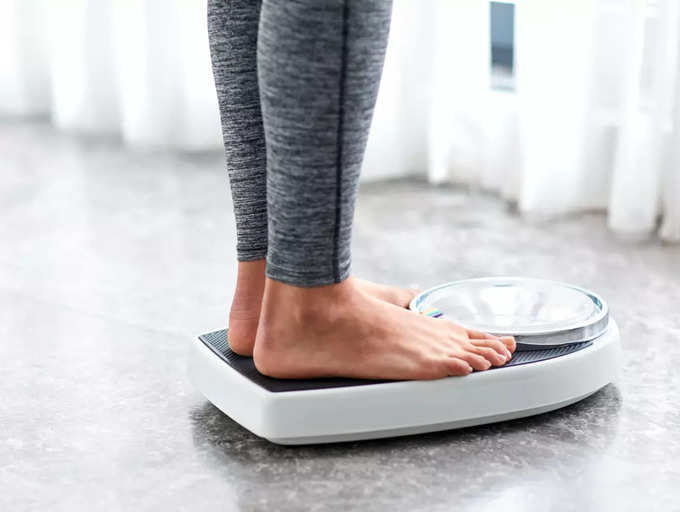
When you start a weight loss journey, you initially seem to lose weight, but after some time, you might notice your weight loss has reached a plateau. This is because you initially lose water weight and not fat.

Apart from getting your fat weight measured, is there a way of telling that what you are losing is water weight or fat weight?

There is no definite way though, but if your weight is fluctuating a lot and you are losing weight really quickly, it's most likely water weight.

On the other hand, if you are losing weight slowly while following a healthy diet and exercise regimen, your body has started to look leaner, you are losing fat. 

Water weight and fat

We all have heard the term water weight before also. When you measure yourself on the weighing machine, it's your total weight. You will be surprised to know that most weight in your body comes from water, which is the heaviest thing in your body, apart from your bones.

When you initially start losing weight, most of the initial kilos lost are in the form of water. When you restrict calories and burn off extra calories by working out, your body turns to glycogen for energy. Glycogen is a storage form of the simple sugar glucose and is stored in your liver and muscles until your body is ready to use it.

But glycogen holds onto water. It holds three times its weight in water. One gram of glycogen in your muscles holds 3 grams of water.

When you use glycogen, either through exercising or calorie restriction, you also lose water weight.

But when you replenish your glycogen stores, you can regain the water weight. 

​Fat loss vs water weight

One of the biggest signs of water weight is frequent fluctuations in weight. If you follow a healthy routine and you are seeing your weight going up and down a lot, it's most likely water weight. The amount of water weight your body holds onto depends on many different things - from your hormones to how much water you drink and more.

If you are losing weight over time, do not get frustrated if the numbers go up on some days.

​Weight loss duration

One more way to tell if you are losing water weight or having fat loss is, if you lose 1-kilo overnight, it's a clear indication that you can attribute that weight loss to water. Most people can lose 1 - 1.5 kilos of actual weight in a week and around 1 per cent of their body fat in a month.

This holds the same for weight gain. If you step on the scale and see you are 1.5 kilos heavier, it's surely more water that your body is holding. As it's not possible to gain this much weight in a day.


This is only for your information, kindly take the advice of your doctor for medicines, exercises and so on.   

https://gscrochetdesigns.blogspot.com. one can see my crochet creations  
https://gseasyrecipes.blogspot.com. feel free to view for easy, simple and healthy recipes    
https://kneereplacement-stickclub.blogspot.com. for info on knee replacement


Labels: , , , , ,

Monday, March 09, 2020

7 Steps to Break Your Sugar Addiction

Most of us are aware that sugar is not the best substance to load into our body, but many of us struggle with breaking free from it - many of us are even addicted to it.

In fact, one study found that a greater neurological reward was provided by intense sweetness than by cocaine. Similar findings are also made when we look at withdrawal from sweetness as well, indicating that weaning off sugar may cause the same neurological symptoms as withdrawing from alcohol, nicotine, and morphine.

Additionally, we all face the reality that sugar is readily available in our food as a cheap fix for our cravings, 24 hours a day, in thousands of different venues and forms. Furthermore, we often use sugar as a reward and it’s the main food substance during celebrations.

So, given these studies and the vast availability of sugar, is there any hope for us? Can we really break free from the chains of our sugar addiction? The answer is yes, and it doesn’t include admitting yourself to a rehab facility for six weeks. The start of your sugarless healing can come in the shape of seven easy steps:

Step 1: Don’t replace real sugar with artificial sugar

In an attempt to provide us all with the sweetness we crave without the excess calories we dread, companies created artificial sweeteners. The first, saccharin, was discovered in the 1870s by a scientist at John Hopkins University.

He wasn’t actually trying to come up with a way to sweeten our foods, he was working on coal tar derivatives and some white substance spilled onto his hand. Later that evening, when he was eating dinner, some of the substances transferred to a roll, making it exceptionally sweet.  After this fateful contamination, the world of food has never been the same.

Artificial sweeteners have been blamed for a lot of things that ail us – but more recently, their effect on our ability to lose weight has come into focus. As it turns out, a lack of calories doesn’t always mean a lack of consequences. A study published in the journal Diabetes Care back in 2013 found that artificial sweeteners can actually alter the way the body metabolizes sugar.

A 2008 study found that rats which were given artificial sweeteners ate more calories throughout the day and gained weight as a result. The researchers carrying out this study found that the ingestion of artificial sweeteners essentially caused confusion between the gut and the brain. The author of the study stated that, “sweet foods provide a salient orosensory stimulus that strongly predicts someone is about to take in a lot of calories. Ingestive and digestive reflexes gear up for that intake but when false sweetness isn’t followed by a lot of calories, the system gets confused. Thus, people may eat more or expend less energy than they otherwise would.”

While these studies give incentive from a weight loss approach to kick the fake sugar habit, it’s what artificial sweeteners are doing to your sugar-laden diet that is most concerning for a sugar addict. Why? Studies show that replacing regular sugar with artificial sweeteners is like kicking your cigarette habit by switching to cigars. You’re still getting the sweetness you crave, so you’re not really taking away that sweet taste which is damaging your health.

If you stick to a no-sugar plan, your cravings for sweetness will eventually stop.


Step 2: Start an exercise regimen and add milk to your diet
Eating a lot of sugar has been shown to enhance reward mechanisms in the brain, thus making it hard to break the habit. For example, rats that were given sucrose wanted more of it and self-fed with it if it was available in their cage. This really is no different to an individual who keeps candy bars and cookies in their home or office desk.  If it’s there, and you have a preference for it, there’s a good chance that you’ll eat it, and you’ll probably feel pretty good after eating it – until you crash and need more. But what if you could replicate these feel-good effects through other foods?

Well, one study, for example, found that consumption of whey protein (a major protein found in milk) increased serotonin (a feel-good hormone that is associated with mood elevation). Other studies have found a link between exercise and increased serotonin production.


Step 3. Say “no” to fat-free products
Here’s the low down on fat-free foods. Fat gets removed and sugar gets added. This is because manufacturers are selling you on the fact that the product is fat-free, not sugar-free. Major culprits include fat-free salad dressing, cookies, cakes, muffins and peanut butter.

The solution to this? Buy full-fat salad dressings and peanut butter. The monounsaturated fats in them will actually help to increase your overall sense of satisfaction.


Step 4: Improve your sleep habits
A 2013 study found that our circadian sleep cycles have a whole lot more to do with when we reach for a sugary snack late at night. Another study found that when individuals were sleep-deprived, their reward activation centers in the brain were increased, thereby making it more difficult to say no to some candy. The bottom line is this – while diet and exercise help a lot with staying away from sweets, neither of them will be as effective if you don’t get enough sleep.


 Step 5: Keep healthy snacks close by
One tactic that seems to work is to keep healthy snacks on hand. Therefore, when you have an urge for a sugary treat, you can distract yourself by taking a few mouthfuls of something healthy. Figure out what your trigger is and have something on hand to distract yourself. It could be an apple, a bag of healthy popcorn, or even string cheese.


Step 6. Chew gum
A 2009 study found that individuals who chewed gum for at least three hours in the afternoon reduced their cravings for sweet snacks. While the study used a sugar-free gum variety, which contains artificial sweeteners, it nonetheless provides an interesting tactic to decrease your sweet cravings.


Step 7: Never forget the benefit to your body
If you remain constantly aware of the damage that sugar is doing to your body, you should be able to convince yourself to stay away from it. Remain focused and never forget that decreasing your sugar intake has benefits well beyond the perfect body.


This is only for your information, kindly take the advice of your doctor for medicines, exercises and so on.     

https://gscrochetdesigns.blogspot.com. one can see my crochet creations  
https://gseasyrecipes.blogspot.com. feel free to view for easy, simple and healthy recipes    
https://kneereplacement-stickclub.blogspot.com. for info on knee replacement


Source: huffingtonpost

Labels: , , , , , , , , , , , , ,