Tuesday, September 09, 2025

Turns Out, 'Dopamine Anchoring' Is the Anti-Procrastination Trick You Need to Cross Off Your Decluttering and Organizing Home Chores

We've all been guilty of enthusiastically penning a comprehensive to-do list, only to then put it off until the very last moment. But what if I told you that there's a science-backed way to overcome mental roadblocks and tackle your home refresh chores in a fun way?

And that's through dopamine anchoring. This science-backed method helps you associate otherwise taxing things like decluttering your home with a positive feeling, which makes ticking off chores and making progress a whole lot easier.

Now, let's gain a deeper understanding of what dopamine anchoring entails, how it benefits us, and how to activate it at home.

Associating positive thoughts through rewards is at the heart of this concept.

"Dopamine anchoring refers to a psychological technique of using conditioning to intentionally pair a behavior someone might usually avoid doing with a pleasurable reward," says Dr. Ashwini Nadkarni, assistant professor of psychiatry at Harvard Medical School.

"This way, your brain forms an association between something that's either unpleasant or neutral with something that generates a dopamine-boosting stimulus, and over time, links the two together to enhance motivation."

Let's be real, your home will encounter plenty of different types of mess, especially with the festive season slowly creeping up. And to tackle each space, you will need some sort of motivation to help you through it. This is where dopamine anchoring comes in handy.

How Can it Help With Decluttering and Organizing?

 By using dopamine anchoring, you can move the past any mental decluttering roadblocks.

Anna Tatsioni, design director at Decorilla, explains that dopamine anchoring is all about pairing the good with the bad to make tasks and chores manageable. So blending this concept with easy home organization ideas or actioning it alongside your decluttering schedule is super helpful.

"Most interior designers and homeowners who have renovated will be all too familiar with how overwhelming decluttering can be. It's an inevitable first step in most interior design projects, and to make this much more enjoyable (and less mentally taxing), I recommend dopamine anchoring," she says.

"For example, I save a new episode of my favorite podcast to listen to while I sort through items. Another option is rewarding myself with a sweet treat after finishing a room. As long as I’m sandwiching the chore of decluttering with a positive experience, it makes the process feel less like a chore and more like part of the creative process."

By pairing the task of organizing with something that feels good, Anna finds that dopamine anchoring keeps momentum high and helps transform cluttered rooms into clean canvases that are ready for an update. "It’s a small psychological trick, but it can make the process of preparing a home for interior styling far more enjoyable and satisfying," she notes.

Another clever (and satisfying) way to imbibe this practice into your daily routine could also be to treat yourself to dopamine decor that doubles as organizers. This way, you can keep your space tidy while using stylish storage ideas to keep clutter at bay.


How You Can Use Dopamine Anchoring at Home

Take your time and don't rush the process of learning how to use dopamine anchoring to your advantage. 

"Dopamine anchoring works because we are working with our preferences and interests rather than trying to force habit changes and motivation with willpower alone," says cognitive behavior therapist Caitlyn Oscarson. "This allows change that feels like it's going along with the current instead of pushing upstream."

When you're practicing this approach at home, she recommends starting small. "Select one area that you want to declutter or organize, and pick a simple salient reinforcer to get you started," she advises. "Then personalize it by really thinking about what sort of activity is enjoyable and reinforcing to you."

She points out that keeping it consistent is key. "Pair the same pleasurable activity with organizing or decluttering to solidify the association and track visible wins," she adds.

"Before and after photos or a simple tally can reinforce momentum. Also, remember to be patient. These associations can take time, so don't worry if it doesn't feel like it is working at first."

Whether you're organizing your closet, decluttering your kitchen, or making your way through your household cleaning schedule, let dopamine anchoring aid you in your day-to-day tasks.


This is only for your information, kindly take the advice of your doctor for medicines, exercises and so on.   

https://gscrochetdesigns.blogspot.com. one can see my crochet creations  
https://gseasyrecipes.blogspot.com. feel free to view for easy, simple and healthy recipes    
https://kneereplacement-stickclub.blogspot.com. for info on knee replacement
https://GSiyers home remedies.blogspot.com   is the latest addition to my blogs


Labels: , , ,

Wednesday, October 06, 2021

These easy activities can prevent the progression of dementia, as per study

How to stop dementia from progressing?

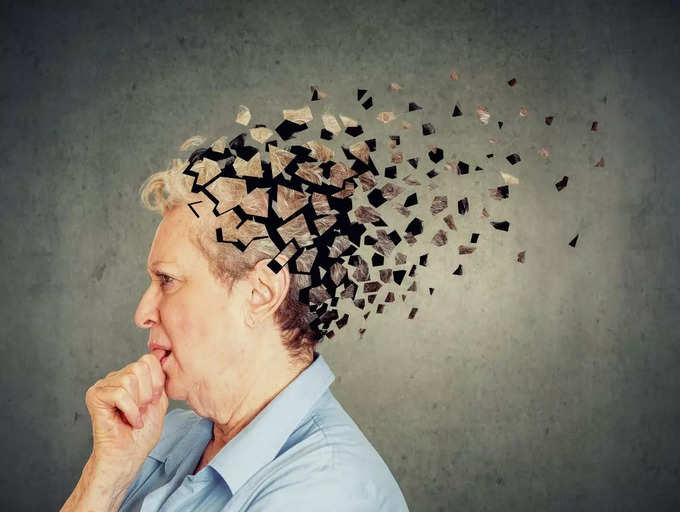
Dementia is a group of symptoms that can range from memory loss to impaired thinking and problem-solving abilities that usually occurs in old age. Alzheimer's is the most common cause of progressive dementia, which according to a recent study can be prevented through different activities.

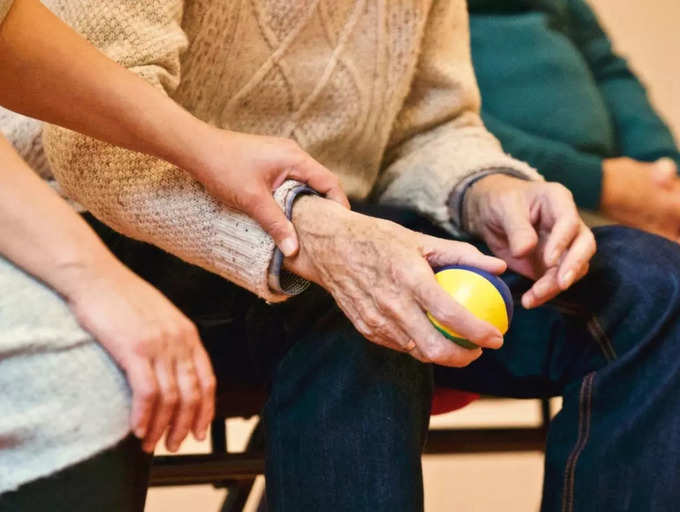
According to a study conducted by Richmond Villages Willaston, it was found that providing independence to dementia patients in their day to day functions not only helped them live well, but also made them manage their condition better and more efficiently.

That said, researchers highlight 5 such activities that promote independence in patients and also prevent disease progression.

Decluttering or sorting out

Surely a person with dementia is not capable of handling all the household chores. However, they can help declutter, meaning they can help remove all non-essential and unnecessary items from overcrowded places.

Fran Vandelli, the lead researcher of the dementia study said, “Removing trip hazards is important for all older people, as our balance and sight decrease with age."

“It’s particularly helpful for those with dementia who can struggle with their sense of depth or perception, putting them at higher risk of falls," he adds.

He further notes, “Given people with dementia may struggle to find things, decluttering makes it easier to find what they need – helping them stay independent for longer.”

Mopping

Being physically active can reduce the risk of many chronic illnesses. Those with dementia can also benefit from it.

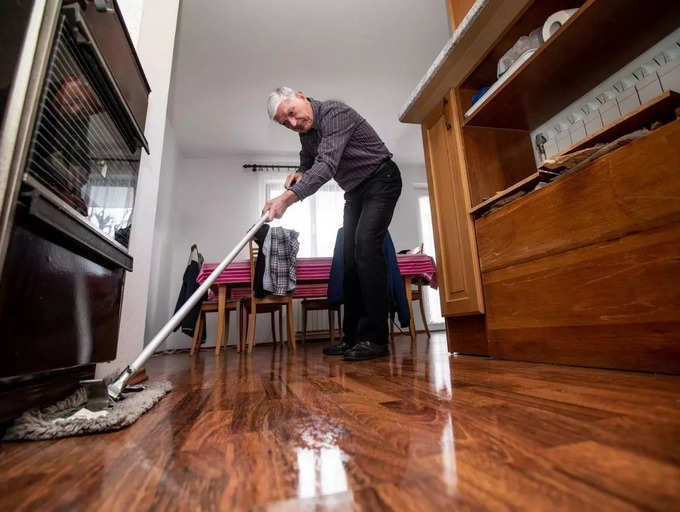
As per Fran, “Mopping is great cardio, with an hour burning off up to 170 calories - equivalent to 15 minutes jogging on a treadmill!"

“Cardiovascular exercises are particularly good for preventing vascular dementia – a common form triggered by a lack of blood circulation in the brain,"

Another benefit of mopping constitutes the strengthening of our core, reducing the risk of injuries.

Gardening

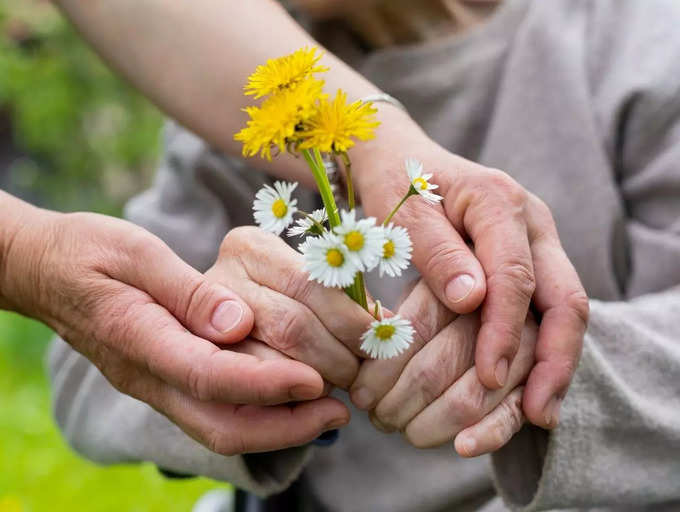
Apart from mopping, gardening can also be a good way to exercise. It can help manage stress levels and limit feelings of anxiety.

“Gardening and being outdoors can help people manage depression, which can exhibit similar symptoms to dementia such as difficulty concentrating, disturbed sleep, confusion, and memory lapses," says Fran.

He adds, "As a result, depression can make the symptoms of dementia seem worse.”

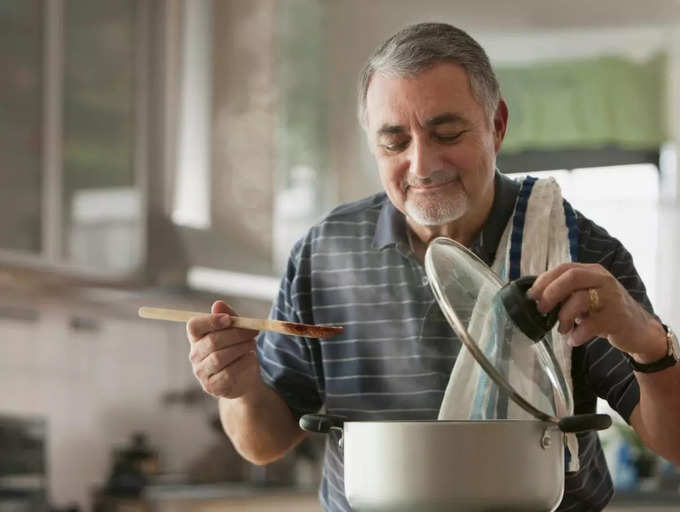
Cooking meals

Home-cooked meals are a great way to avoid processed foods that are bad for our cardiovascular health.

“For people living with dementia, cooking and baking can be a good way to get enjoyment – retaining those important feelings of purpose and independence," explains Fran.

It not only helps people with dementia stay on their feet but also prevents cognitive decline.

Making tea and drinking with friends and family

Research shows that withdrawal from society can lead to cognitive decline. That said, it is important to keep dementia patients active and engaged. Therefore, let them make you some tea and enjoy it together.

According to Fran, “As well as maintaining our social skills, staying hydrated will defend you from UTIs and constipation."

“Both of these can cause delirium, intensifying the symptoms of dementia," he adds.

This is only for your information, kindly take the advice of your doctor for medicines, exercises and so on.   

https://gscrochetdesigns.blogspot.com. one can see my crochet creations  
https://gseasyrecipes.blogspot.com. feel free to view for easy, simple and healthy recipes    
https://kneereplacement-stickclub.blogspot.com. for info on knee replacement


Labels: , , , , , , , , , , ,

Monday, September 20, 2021

Performing these 5 household chores can reduce the risk of dementia

5 household chores that are good for your mental health

Dementia is a chronic mental health condition that is diagnosed in millions of elderly people across the globe every year. The umbrella term used to describe a group of symptoms affecting memory, thinking and social abilities can severely affect a person's day to day life. There is no way to stop the condition from developing nor it can be treated. It can only be managed with the help of medications and therapies.

However, there is always an option to cut down the risk of infection by taking some small measures from an early age and staying physically active is one of them. Studies suggest that staying active including performing some household chores can cut down the risk of dementia later in life.

How household chores are beneficial

As per a study, general mundane activities like cleaning and gardening can lower the risk of dementia and even make it manageable if performed regularly. Engaging in certain household chores helps to create greater brain volume. Surprisingly, those who performed household chores had greater brain volume as compared to those who perform any kind of strenuous physical exercise. The study published in the journal Neurology specifically mentioned 5 household chores that can be beneficial for those suffering from dementia. 

​Cleaning

Cleaning and your mental health have a strong link. Decluttering the home and space around you can help to reduce stress, anxiety, and depressive symptoms. Cleaning is meditative, which helps to release endorphins in the brain, altering the perception of pain and triggering a positive feeling. It also helps to improve concentration and lift your mood, a common area of concern in the case of dementia.

​Tidying

Studies suggest that keeping your space messed up can make the symptoms of depression worse. Besides, it leads to decreased focus, confusion, and tension. Keeping your surroundings arranged can provide a sense of self-control over the environment and also eases the stress level. For people suffering from dementia, decluttering can help to concentrate and decreases the episodes of mood swings.

​Cooking

Cooking is not only a random household task. It is a brain-stimulating activity, which helps to keep your brain healthy. This activity strengthens the frontal lobes of the brain and improves all sorts of functions related to it. Getting to know herbs and spices can improve sensory acuity and memory. Most important of all paying attention to the recipe helps to improve attention and optimise brain functioning.

​Gardening

Spending time in nature may help to rejuvenate your mind, body, and soul. Gardening helps you connect with others and reduce your stress level. It boosts mental well-being and helps to develop healthy relationships with others. Besides, spending some time in the Sun can also lift your mood and make you feel calm.

​Heavy housework

Heavy household chores including mopping, cleaning dishes and laundry also have a positive impact on your mental health. It helps to ease the symptoms of depression, which is linked with the onset of dementia in several cases. It also lifts your mood and gives a sense of satisfaction. However, those suffering from joint issues should avoid performing heavy load work as it may lead to fracture.

This is only for your information, kindly take the advice of your doctor for medicines, exercises and so on.   

https://gscrochetdesigns.blogspot.com. one can see my crochet creations  
https://gseasyrecipes.blogspot.com. feel free to view for easy, simple and healthy recipes    
https://kneereplacement-stickclub.blogspot.com. for info on knee replacement


Labels: , , , , , , ,