Sunday, March 31, 2019

Causes of a Lump on the Neck or Behind the Ear

Lumps on the neck or behind the ears are rather common. Sometimes, lumps can be caused by acne or lipomas and are not really dangerous. But there are cases when neck and ear lumps may be a sign of a more dangerous or even a life-threatening health issue. Here are the most common reasons for neck and ear lumps to appear, and what to do should you notice any lumps. 
 
1. Have the lumps checked for cancerous cells
Lumps on the neck toward the back may be caused by NPC nasopharyngeal cancer, being spread to the lymph nodes in the neck. These lumps aren't usually painful, however, they shouldn't be ignored. Other symptoms may include impaired, nasal blockages and nosebleeds, blurred vision, facial pain or numbness and headaches. Even if you experience no other symptoms other then lumps on your neck be sure to schedule a visit to a doctor, in order to exclude any severe cases. 

Lumps behind the ears may also accompany some type of cancers - including skin cancer - or it can be caused by benign tumors. However, both malignant and benign lumps may be painless and can grow in size with time or they may remain the same. So, no matter what size your lump is, consult your doctor to find out what the lump really is and the best option would be to have it treated or removed. 

2. Have your lymphatic system checked
The lymph nodes become enlarged and swollen when the lymphatic system breaks down, a medical condition that is known as lymphadenopathy. Our lymphatic system consists of lymph vessels and hundreds of lymph nodes that filter bacteria and other toxins from our bodies by trapping and destroying them. The enlargement of lymph nodes in different parts of the body, including the neck, the area around the ears and under the arms is caused by this medical condition. If you notice any of the lymph nodes enlarged, it is best to visit your doctor, no matter where the lymph nodes are located.
Also, enlarged lymph nodes in the neck, under the arms, or in the groin are common symptoms of Hodgkin Lymphoma, a type of cancer that starts in white blood cells, or lymphocytes. Other symptoms of this disease may include night sweats, weight loss, fever, and a persistent cough. Although in most cases swollen lymph nodes may be caused by an infection, it's always better not to ignore these symptoms and have it seen to immediately. 
3. Have your body systems checked for infections
In some situations, a lump may be caused by viral and bacterial infections which are also caused by swelling and lumps around the neck and ears. Mononucleosis, strep throat, chickenpox, and measles cause lumps behind the ears due to infections. Some of the infections may also cause mastoiditis or the inflammation of the mastoid bone which is found behind the ear. This causes the diseased bone to protrude and form a lump behind the ear. 
4. Check if your lumps are caused by sebaceous cysts
A sebaceous cyst may cause ear and neck lumps which form in damaged or blocked sebaceous glands that produce oil coating for our skin and hair. But, due to traumas like scratches, wounds or acne, sebaceous glands, or their passages, may become impaired, causing a cyst. Doctors are able to diagnose the cysts during visual examinations, though in some cases, additional testing needs to be done


THIS IS ONLY FOR INFORMATION, ALWAYS CONSULT YOU PHYSICIAN BEFORE HAVING ANY PARTICULAR FOOD/ MEDICATION/EXERCISE/OTHER REMEDIES.                                    PS- THOSE INTERESTED IN RECIPES ARE FREE TO  VIEW MY BLOG-                                                                                           https://gseasyrecipes.blogspot.com/                                                                                                                                                         FOR INFO ABOUT KNEE REPLACEMENT, YOU CAN VIEW MY BLOG-                                                  https:// kneereplacement-stickclub.blogspot.com/           

                   FOR CROCHET DESIGNS                                                                                                                                                                                                  https://gscrochetdesigns.blogspot.com

Labels: , , , , , ,

Monday, December 24, 2018

Pain-free alternative for diabetics

No more finger pricking to check glucose!

Scientists have developed disposable paper-based sensors that can measure glucose concentrations in saliva, paving the way for a pain-free alternative to diabetics for monitoring their blood sugar levels daily -- as per a study.

A team from the Sensors Lab used inkjet technology to produce sensors sensitive to small sugar concentrations in biofluids.

Why diabetics need this

Inexpensive and easy-to-use diagnostic tools for fast health screening are imperative, especially in the developing world, where portability and affordability are a necessity.

Today, the majority of daily glucose monitoring tools rely on piercing the skin to draw blood.

The pain and discomfort associated with finger pricking have created a global need to develop non-invasive, portable glucose assays.

How did they create these paper sensors?

Strips of pH-sensitive paper are commonly used to test whether a liquid is acidic or alkaline.
Researchers applied similar principles to create paper sensors that quickly indicate disease bio-markers.
 
Key to this approach is replacing traditional electronic circuitry in the sensors with low-cost plastics that can be manufactured quickly and in large quantities.
 
Utilising a commercial ink made from conducting polymers, the team printed microscale electrode patterns onto glossy paper sheets.
 
They printed a sensing layer containing an enzyme, glucose oxidase, on top of the tiny electrodes.
The biochemical reaction between available glucose and the enzyme creates electrical signals easily correlated to blood sugar levels.

Challenges of developing this pain-free alternative

"Paper is porous, which makes it challenging to print conducting and biological inks that are dissolved in water," said a researcher of the study.

"Printing the enzyme is tricky, as well -- it's sensitive to variations of temperature, the voltage applied at the cartridge, and the pH of the ink,"he added.

While fluids, such as sweat or saliva, contain enough sugar for monitoring purposes, they also contain molecules, such as ascorbic acid, that interfere electrically with conducting polymers.
Coating the sensor with a nafion polymer membrane that repels the negative charges present in most interfering species enabled measurement of only the relevant glucose levels in saliva samples from volunteers.
a) Photograph of glucose biosensors inkjet-printed on paper b) Photograph of fully printed biosensor c) 3D schematic of working electrode with all separately printed layers d) Cross sectional SEM image of the working electrode [Image: Nature]

The novel sensor has a bright future

This fully printed, all-polymer biosensor with its ease of fabrication, accuracy, sensitivity and compatibility with easy-to-obtain biofluids such as saliva aids in the development of next generation low-cost, non-invasive, eco-friendly, and disposable diagnostic tools.
Experiments showed the top coating gave the sensor an unprecedented shelf life -- the enzyme could be kept alive and active for a month if stored in a sealed bag.
These results are encouraging the team to expand the capabilities of this approach by incorporating different enzymes into the sensing layer.

THIS IS ONLY FOR INFORMATION, ALWAYS CONSULT YOU PHYSICIAN BEFORE HAVING ANY PARTICULAR FOOD/ MEDICATION/EXERCISE/OTHER REMEDIES.                                                                                
 PS- THOSE INTERESTED IN RECIPES ARE FREE TO  VIEW MY BLOG-                                                                                           https://gseasyrecipes.blogspot.com/                                                                                                                                                                             FOR INFO ABOUT KNEE REPLACEMENT, YOU CAN VIEW MY BLOG-                                               
     https:// kneereplacement-stickclub.blogspot.com/                                                                                     
  FOR CROCHET DESIGNS                                                                                                                                                                                                                                 https://gscrochetdesigns.blogspot.com


Labels: , , , , , , , , , , , , , ,

Thursday, August 28, 2014

Researchers, including one of Indian-origin, have developed a smartphone app that checks for jaundice in newborns and can deliver results to parents and pediatricians within minutes.

Jaundice is a common condition in babies less than a week old. Skin that turns yellow can be a sure sign that a newborn is jaundiced and isn't adequately eliminating the chemical bilirubin.

However, that discolouration is sometimes hard to see, and severe jaundice left untreated can harm a
baby.

The new app, developed by the University of Washington engineers and physicians, could serve as a screening tool to determine whether a baby needs a blood test - the gold standard for detecting high levels of bilirubin.

"Virtually every baby gets jaundiced, and we're sending them home from the hospital even before bilirubin levels reach their peak," said James Taylor, a UW professor of pediatrics and medical director of the newborn nursery at UW Medical Center.

"This smartphone test is really for babies in the first few days after they go home. A parent or health care provider can get an accurate picture of bilirubin to bridge the gap after leaving the hospital," Taylor said.

The app, called BiliCam, uses a smartphone's camera and flash and a colour calibration card.

A parent or health care professional would download the app, place the card on her baby's belly, then take a picture with the card in view. The card calibrates and accounts for different lighting conditions and skin tones.

Data from the photo are sent to the cloud and are analysed by machine-learning algorithms, and a report on the newborn's bilirubin levels is sent almost instantly to the parent's phone.

"This is a way to provide peace of mind for the parents of newborns," said Shwetak Patel, a UW associate professor of computer science and engineering and of electrical engineering.

A noninvasive jaundice screening tool is available in some hospitals, but the instrument costs several thousand dollars and isn't feasible for home use, researchers said.

Currently, both doctors and parents assess jaundice by looking for the yellow colour in a newborn's skin, but this visual assessment is only moderately accurate.

The UW team developed BiliCam to be easy to use and affordable for both clinicians and parents, especially during the first several days after birth when it's crucial to check for jaundice.

The team ran a clinical study with 100 newborns and their families at UW Medical Center.

They used a blood test, the current screening tool used in hospitals, and BiliCam to test the babies when they were between two and five days old.

They found that BiliCam performed as well as or better than the current screening tool. Though it wouldn't replace a blood test, BiliCam could let parents know if they should take that next step, researchers said.

THIS IS ONLY FOR INFORMATION, ALWAYS CONSULT YOU PHYSICIAN BEFORE HAVING ANY PARTICULAR FOOD/ MEDICATION/EXERCISE/OTHER REMEDIES.


PS- THOSE INTERESTED IN RECIPES ARE FREE TO VIEW MY BLOG-
HTTP:GSEASYRECIPES.BLOGSPOT.COM/
FOR INFO ABOUT KNEE REPLACEMENT, YOU CAN VIEW MY BLOG-
HTTP://KNEE REPLACEMENT-STICK CLUB.BLOGSPOT.COM/

FOR CROCHET DESIGNS


HTTP://MY CROCHET CREATIONS.BLOGSPOT.COM


Labels: , , , , , , , ,

Saturday, January 25, 2014

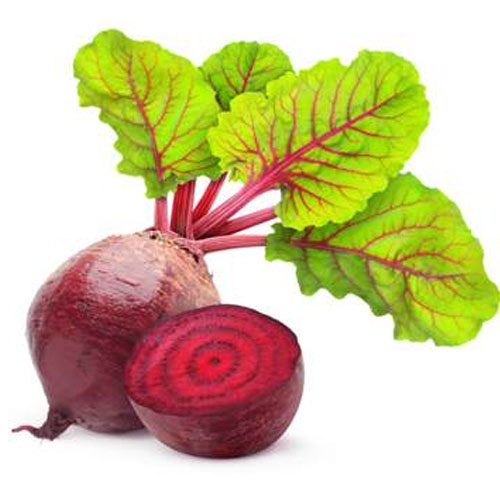
How beetroot can help reduce high BP or hypertension

We all have heard that including veggies in our diets is an essential step to staying healthy. But did you know that eating something like beetroot can take care of your blood pressure problems? Yes, the pink root has a number of health benefits right from helping pregnant mums have healthy babies to beating osteoporosis to keeping your blood sugar in check. Here is how beetroot can help you maintain your blood pressure levels naturally.

How it helps you:
According to the British Heart foundation, eating vegetables rich in nitrates could help reduce blood pressure drastically. In another study at the Queen Mary’s University in the year 2010 the same theory was proved again. Beetroot is a great source of nitrates, which when consumed, is converted to nitrites and a gas called nitric oxides. Both these components help to widen the arteries and lower blood pressure. Researchers also found that having just about 500 grams of beetroot every day reduces a person’s blood pressure in about six hours. 

How to use it

Tip #1: Beetroot is a great addition to a salad. To add it to a salad par-boiling it makes it softer to eat and it does not lose any of its nutrients.

Wash one beet well and par boil it. You can do so either in a cooker or a vessel of boiling water. Throw away the water that it boils in as this could contain mud that is normally found around the root. Now peel the beetroot, slice it and eat it as a salad. You could finely chopped pieces to a mixed salad as well.

Tip #2: If boiling the beetroot seems too tedious, try beetroot juice instead. Cut the beetroot into fine pieces or grate it. Add it to a blender and extract the juice. Add a tiny pinch of salt (if you want) and drink this juice first thing in the morning on an empty stomach.


ps- this is only for information, always consult you physician before having any particular food/ medication/exercise/other remedies.
ps- those interested in recipes are free to view my blog-

http://gseasyrecipes.blogspot.com/


for info about knee replacement, you can view my blog-


http://Knee replacement-stick club.blogspot.com/


for crochet designs


http://My Crochet Creations.blogspot.com


Labels: , , , , , , , ,