Friday, July 24, 2015

Best Superfoods for Diabetics

Dark chocolate

Chocolate is rich in flavonoids, and research shows that these nutrients reduce insulin resistance, improve insulin sensitivity, drop insulin levels and fasting blood glucose, and blunt cravings. But not all chocolate is created equal. In a 2008 study from the University of Copenhagen, people who ate dark chocolate reported that they felt less like eating sweet, salty, or fatty foods compared to volunteers given milk chocolate, with its lower levels of beneficial flavonoids (and, often, more sugar and fat, too). Dark chocolate also cut the amount of pizza that volunteers consumed later in the same day, by 15 percent. The flavonoids in chocolate have also been shown to lower stroke risk, calm blood pressure, and reduce your risk for a heart attack by 2 percent over 5 years.

Broccoli

Broccoli is an anti-diabetes superhero. As with other cruciferous veggies, like kale and cauliflower, it contains a compound called sulforaphane, which triggers several anti-inflammatory processes that improve blood sugar control and protect blood vessels from the cardiovascular damage that’s often a consequence of diabetes. (Heart disease is the leading cause of death for people with diabetes, so this protection could be a lifesaver.) Sulforaphane also helps flip on the body’s natural detox mechanisms, coaxing enzymes to turn dangerous cancer-causing chemicals into more innocent forms that the body can easily release

Blueberries

Blueberries really stand out: They contain both insoluble fiber (which “flushes” fat out of your system) and soluble fiber (which slows down the emptying of your stomach, and improves blood sugar control). In a study by the USDA, people who consumed 2 1/2 cups of wild blueberry juice per day for 12 weeks lowered their blood glucose levels, lifted depression, and improved their memories. Researchers credit these results to anthocyanins in the berries, a natural chemical that shrinks fat cells and also stimulates the release of adiponectin, a hormone that regulates blood glucose levels, among other things. Increasing adiponectin levels can help keep blood sugar low and increase our sensitivity to insulin.

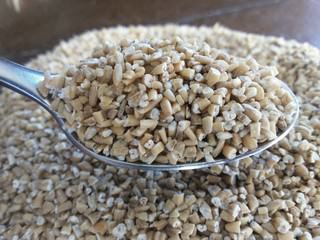
Steel-cut oats

You may not think of oatmeal as a superfood, but it can help reduce the risk of developing type 2 diabetes. Oatmeal contains high amounts of magnesium, which helps the body use glucose and secrete insulin properly. An eight-year trial showed a 19 percent decrease in type 2 diabetes' risk in women with a magnesium-rich diet, and a 31 percent decreased risk in women who regularly ate whole grains. Steel-cut oats are just as easy to cook as quick-cooking oatmeal, but when grains are left whole they are filled with the fiber, nutrients, and bound antioxidants that challenge digestion in a good way, allowing blood sugar to remain more stable. 

Fish

Fish is a slimming star: rich in protein, it will help to keep you satisfied; but also, fish contains a special type of fat that helps cool inflammation. Thousands of studies show that people with the highest blood levels of omega-3 fatty acids have less body-wide inflammation, the very inflammation that leads to and worsens diabetes and weight problems. A fish-rich diet can also reduce your risk of developing health problems, especially stroke, as a result of your diabetes. People who ate baked, broiled, or steamed fish reduced their odds for a stroke by 3 percent, as reported in a 2010 Emory University study. (However, fried fish—such as fast-food fish sandwiches, fish sticks, and fried seafood of any type—increased risk.)

Olive oil

Following a Mediterranean-style diet rich in olive oil helps reduce the risk of type 2 diabetes by as much as 50 percent compared to a diet low in fat, according to a recent Spanish study. Independently, researchers at Technical University of Munich (TUM) and the University of Vienna found that olive oil improved satiety the most when compared to lard, butter, and rapeseed (canola) oil. In addition to being a standout source of health-promoting monounsaturated fats, olive oil is also rich in antioxidant nutrients that protect cells from damage, and prevents the development of heart disease.

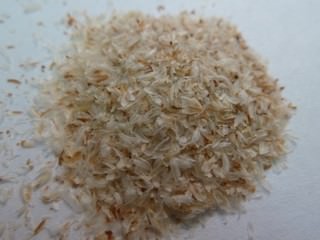
Psyllium husk

This fiber supplement, long used for constipation relief, is proven to help people with diabetes control blood sugar better. People who took psyllium before a meal saw their post-meal blood sugar levels rise 2 percent less than those who didn’t use the supplement. One caution: The researchers recommend waiting at least 4 hours after taking psyllium before taking medications, because psyllium can decrease their absorption.

cannellini beans

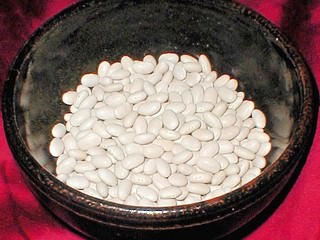
Cannellini beans

Packed with protein and cholesterol-lowering soluble fiber, legumes such as tender, white cannellini beans are slow to raise blood sugar. As part of a 2012 University of Toronto study, 121 people with type 2 diabetes followed a healthy diet containing a daily cup of beans or whole grains. After three months, the bean group saw their A1c levels—a check of average blood sugar levels—fall nearly twice as much as the whole-grain group.

Spinach

Spinach is one of many leafy greens that have been shown to drop the risk of developing diabetes; collards are another great choice. People who consume more than one serving a day of spinach and other leafy greens slashed their risk by 14 percent, compared to people who ate less than 1/2 a serving daily, found one British study. This green is particularly rich in vitamin K, along with several minerals including magnesium, folate, phosphorus, potassium, and zinc. It’s also a good source of the plant chemicals lutein and zeaxanthin, and various flavonoids. Although spinach is technically a rich source of calcium, another nutrient in spinach called oxalic acid prevents much of that calcium from being absorbed, but you can blanch spinach (boil it for just one minute) to reduce this chemical.

Sweet potatoes

One analysis found that sweet potatoes reduce HbA1c measures between 0.30 and 0.57 percent and fasting blood glucose by 10 to 15 points. Sweet potato also contains anthocyanins, which are the natural pigments that give the sweet potato its deep orange color and the antioxidants believed to have anti-inflammatory, antiviral, and antimicrobial qualities

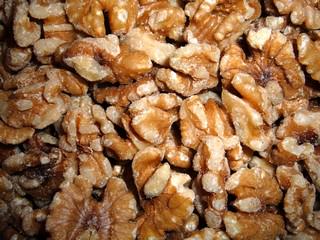
Walnuts

The most widespread tree nut in the world, walnuts contain the polyunsaturated fatty acid called alpha-linolenic acid, which has been shown to lower inflammation. The L-arginine, omega-3s, fiber, vitamin E, and other phytochemicals found in walnuts and other tree nuts make them potent: scientists have found them to have antioxidant, anticancer, antiviral, and anti-high cholesterol actions. These powers can help stop and reverse the progression of chronic conditions such as diabetes and heart disease. Snack on walnuts in their shells; the time it takes to crack them open can help you slow down, so your body has more time to register the food and you feel full with fewer calories.

Quinoa

Quinoa tastes like a grain, but it’s more closely related to spinach than it is to rice. Contrary to most grains, quinoa is a dense source of “complete” protein (14 grams per ½ cup!), boasting all nine essential amino acids. One is lysine, which helps the body absorb all that fat-burning calcium and also helps produce carnitine, a nutrient responsible for converting fatty acids into energy and helping to lower cholesterol. One of the most fiber-rich grain-like foods, quinoa contains 2.6 grams per 1/2 cup, and fiber helps to balance blood sugar levels and keep you fuller and longer.

Cinnamon

Several studies show that this delicious spice can help reduce blood sugar. One, published in the journal Diabetes Care, noted how people with type 2 diabetes who’d taken one or more grams of cinnamon daily had dropped their fasting blood sugar by a whopping 30 percent, compared to people who took no cinnamon. They also reduced their triglycerides, LDL cholesterol, and total cholesterol by upwards of 25 percent. Here's why: Cinnamon is rich in chromium, a mineral that enhances the effects of insulin. It’s also loaded with polyphenols, antioxidants that gather up all the free radicals in your blood to protect you from cancer and also lower systemic inflammation, further guarding you from diabetes and heart disease. 

Collard greens

Dark green leafy vegetables like collard greens are excellent sources of vitamin C, which helps lower cortisol in the body and consequently reduces inflammation as well. Collard greens (and other cruciferous veggies like kale and Brussels sprouts) are also a good source of alpha-lipoic acid (ALA), a micronutrient that helps the body deal with stress. When scientists at the Linus Pauling Institute at Oregon State University gave aging rats ALA, they found that the animals' bodies created their own antioxidants, making them better able to resist toxins in the environment, and to reduce inflammation. Good news for diabetes: ALA also helps reduces blood sugar and can help to strengthen the nerves damaged by diabetic neuropathy. Just be careful not to overcook it, which creates a strong sulfur smell. Just five minutes of steaming, and you’re done.

Turmeric

Turmeric may have been protecting the health of an entire Indian subcontinent for about 5,000 years. A traditional Indian diet features white rice and flour breads, which as rapidly digested carbs would ordinarily raise blood sugar dramatically. But the presence of turmeric—the yellow spice that lends its color to many curry dishes—helps to manage the potent impact on blood sugar. Curcumin, the active ingredient in turmeric, is the compound believed to regulate fat metabolism in the body. Curcumin acts directly on fat cells, pancreatic cells, kidney cells, and muscle cells, dampening inflammation and blocking the nefarious activities of cancer-causing tumor necrosis factor and interleukin-6. Experts believe the combined action of all of these factors together gives curcumin the power to reverse insulin resistance, high blood sugar and high cholesterol, and other symptoms linked to obesity. 
THIS IS ONLY FOR INFORMATION, ALWAYS CONSULT YOU PHYSICIAN BEFORE HAVING ANY PARTICULAR FOOD/ MEDICATION/EXERCISE/OTHER REMEDIES.


PS- THOSE INTERESTED IN RECIPES ARE FREE TO VIEW MY BLOG-
HTTP:GSEASYRECIPES.BLOGSPOT.COM


FOR INFO ABOUT KNEE REPLACEMENT, YOU CAN VIEW MY BLOG
HTTP://KNEE REPLACEMENT-STICK CLUB.BLOGSPOT.COM/

FOR CROCHET DESIGNS- http://My Crochet Creations.blogspot.com/

Labels: , , , , , , , , , , , , ,

Monday, September 29, 2014

Magnesium and its effect on Diabetics, Cardivascular Health, Osteoporosis etc

 Magnesium, an abundant mineral in the body, is naturally present in many foods, added to other food products, available as a dietary supplement, and present in some medicines (such as antacids and laxatives). Magnesium is a cofactor in more than 300 enzyme systems that regulate diverse biochemical reactions in the body, including protein synthesis, muscle and nerve function, blood glucose control, and blood pressure regulation . Magnesium is required for energy production, oxidative phosphorylation, and glycolysis. It contributes to the structural development of bone and is required for the synthesis of DNA, RNA, and the antioxidant glutathione. Magnesium also plays a role in the active transport of calcium and potassium ions across cell membranes, a process that is important to nerve impulse conduction, muscle contraction, and normal heart rhythm .

An adult body contains approximately 25 g magnesium, with 50% to 60% present in the bones and most of the rest in soft tissues . Less than 1% of total magnesium is in blood serum, and these levels are kept under tight control. Normal serum magnesium concentrations range between 0.75 and 0.95 millimoles (mmol)/L . Hypomagnesemia is defined as a serum magnesium level less than 0.75 mmol/L. Magnesium homeostasis is largely controlled by the kidney, which typically excretes about 120 mg magnesium into the urine each day. Urinary excretion is reduced when magnesium status is low .

 Assessing magnesium status is difficult because most magnesium is inside cells or in bone. The most commonly used and readily available method for assessing magnesium status is measurement of serum magnesium concentration, even though serum levels have little correlation with total body magnesium levels or concentrations in specific tissues . Other methods for assessing magnesium status include measuring magnesium concentrations in erythrocytes, saliva, and urine; measuring ionized magnesium concentrations in blood, plasma, or serum; and conducting a magnesium-loading (or "tolerance") test. No single method is considered satisfactory. Some experts  but not others consider the tolerance test (in which urinary magnesium is measured after parenteral infusion of a dose of magnesium) to be the best method to assess magnesium status in adults. To comprehensively evaluate magnesium status, both laboratory tests and a clinical assessment might be required .

Magnesium and Health

Habitually low intakes of magnesium induce changes in biochemical pathways that can increase the risk of illness over time. This section focuses on four diseases and disorders in which magnesium might be involved: hypertension and cardiovascular disease, type 2 diabetes, osteoporosis, and migraine headaches.

Hypertension and cardiovascular disease

Hypertension is a major risk factor for heart disease and stroke. Studies to date, however, have found that magnesium supplementation lowers blood pressure, at best, to only a small extent. A meta-analysis of 12 clinical trials found that magnesium supplementation for 8–26 weeks in 545 hypertensive participants resulted in only a small reduction (2.2 mmHg) in diastolic blood pressure . The dose of magnesium ranged from approximately 243 to 973 mg/day. The authors of another meta-analysis of 22 studies with 1,173 normotensive and hypertensive adults concluded that magnesium supplementation for 3–24 weeks decreased systolic blood pressure by 3–4 mmHg and diastolic blood pressure by 2–3 mmHg. The effects were somewhat larger when supplemental magnesium intakes of the participants in the nine crossover-design trials exceeded 370 mg/day. A diet containing more magnesium because of added fruits and vegetables, more low-fat or non-fat dairy products, and less fat overall was shown to lower systolic and diastolic blood pressure by an average of 5.5 and 3.0 mmHg, respectively . However, this Dietary Approaches to Stop Hypertension (DASH) diet also increases intakes of other nutrients, such as potassium and calcium, that are associated with reductions in blood pressure, so any independent contribution of magnesium cannot be determined.

Several prospective studies have examined associations between magnesium intakes and heart disease. The Atherosclerosis Risk in Communities study assessed heart disease risk factors and levels of serum magnesium in a cohort of 14,232 white and African-American men and women aged 45 to 64 years at baseline. Over an average of 12 years of follow-up, individuals in the highest quartile of the normal physiologic range of serum magnesium (at least 0.88 mmol/L) had a 38% reduced risk of sudden cardiac death compared with individuals in the lowest quartile (0.75 mmol/L or less). However, dietary magnesium intakes had no association with risk of sudden cardiac death. Another prospective study tracked 88,375 female nurses in the United States to determine whether serum magnesium levels measured early in the study and magnesium intakes from food and supplements assessed every 2 to 4 years were associated with sudden cardiac death over 26 years of follow-up . Women in the highest compared with the lowest quartile of ingested and plasma magnesium concentrations had a 34% and 77% lower risk of sudden cardiac death, respectively. Another prospective population study of 7,664 adults aged 20 to 75 years in the Netherlands who did not have cardiovascular disease found that low urinary magnesium excretion levels (a marker for low dietary magnesium intake) were associated with a higher risk of ischemic heart disease over a median follow-up period of 10.5 years. Plasma magnesium concentrations were not associated with risk of ischemic heart disease . A systematic review and meta-analysis of prospective studies found that higher serum levels of magnesium were significantly associated with a lower risk of cardiovascular disease, and higher dietary magnesium intakes (up to approximately 250 mg/day) were associated with a significantly lower risk of ischemic heart disease caused by a reduced blood supply to the heart muscle .

Higher magnesium intakes might reduce the risk of stroke. In a meta-analysis of 7 prospective trials with a total of 241,378 participants, an additional 100 mg/day magnesium in the diet was associated with an 8% decreased risk of total stroke, especially ischemic rather than hemorrhagic stroke . One limitation of such observational studies, however, is the possibility of confounding with other nutrients or dietary components that could also affect the risk of stroke.

A large, well-designed clinical trial is needed to better understand the contributions of magnesium from food and dietary supplements to heart health and the primary prevention of cardiovascular disease .

Type 2 diabetes

Diets with higher amounts of magnesium are associated with a significantly lower risk of diabetes, possibly because of the important role of magnesium in glucose metabolism . Hypomagnesemia might worsen insulin resistance, a condition that often precedes diabetes, or it might be a consequence of insulin resistance . Diabetes leads to increased urinary losses of magnesium, and the subsequent magnesium inadequacy might impair insulin secretion and action, thereby worsening diabetes control .

Most investigations of magnesium intake and risk of type 2 diabetes have been prospective cohort studies. A meta-analysis of 7 of these studies, which included 286,668 patients and 10,912 cases of diabetes over 6 to 17 years of follow-up, found that a 100 mg/day increase in total magnesium intake decreased the risk of diabetes by a statistically significant 15% . Another meta-analysis of 8 prospective cohort studies that followed 271,869 men and women over 4 to 18 years found a significant inverse association between magnesium intake from food and risk of type 2 diabetes; the relative risk reduction was 23% when the highest to lowest intakes were compared .

A 2011 meta-analysis of prospective cohort studies of the association between magnesium intake and risk of type 2 diabetes included 13 studies with a total of 536,318 participants and 24,516 cases of diabetes . The mean length of follow-up ranged from 4 to 20 years. Investigators found an inverse association between magnesium intake and risk of type 2 diabetes in a dose-responsive fashion, but this association achieved statistical significance only in overweight (body mass index [BMI] 25 or higher) but not normal-weight individuals (BMI less than 25). Again, a limitation of these observational studies is the possibility of confounding with other dietary components or lifestyle or environmental variables that are correlated with magnesium intake.

Only a few small, short-term clinical trials have examined the potential effects of supplemental magnesium on control of type 2 diabetes and the results are conflicting . For example, 128 patients with poorly controlled diabetes in a Brazilian clinical trial received a placebo or a supplement containing either 500 mg/day or 1,000 mg/day magnesium oxide (providing 300 or 600 mg elemental magnesium, respectively) . After 30 days of supplementation, plasma, cellular, and urine magnesium levels increased in participants receiving the larger dose of the supplement, and their glycemic control improved. In another small trial in Mexico, participants with type 2 diabetes and hypomagnesemia who received a liquid supplement of magnesium chloride (providing 300 mg/day elemental magnesium) for 16 weeks showed significant reductions in fasting glucose and glycosylated hemoglobin concentrations compared with participants receiving a placebo, and their serum magnesium levels became normal . In contrast, neither a supplement of magnesium aspartate (providing 369 mg/day elemental magnesium) nor a placebo taken for 3 months had any effect on glycemic control in 50 patients with type 2 diabetes who were taking insulin .

The American Diabetes Association states that there is insufficient evidence to support the routine use of magnesium to improve glycemic control in people with diabetes . It further notes that there is no clear scientific evidence that vitamin and mineral supplementation benefits people with diabetes who do not have underlying nutritional deficiencies.

Osteoporosis

Magnesium is involved in bone formation and influences the activities of osteoblasts and osteoclasts . Magnesium also affects the concentrations of both parathyroid hormone and the active form of vitamin D, which are major regulators of bone homeostasis. Several population-based studies have found positive associations between magnesium intake and bone mineral density in both men and women . Other research has found that women with osteoporosis have lower serum magnesium levels than women with osteopenia and those who do not have osteoporosis or osteopenia . These and other findings indicate that magnesium deficiency might be a risk factor for osteoporosis .
Although limited in number, studies suggest that increasing magnesium intakes from food or supplements might increase bone mineral density in postmenopausal and elderly women . For example, one short-term study found that 290 mg/day elemental magnesium (as magnesium citrate) for 30 days in 20 postmenopausal women with osteoporosis suppressed bone turnover compared with placebo, suggesting that bone loss decreased .

Diets that provide recommended levels of magnesium enhance bone health, but further research is needed to elucidate the role of magnesium in the prevention and management of osteoporosis.

Migraine headaches

Magnesium deficiency is related to factors that promote headaches, including neurotransmitter release and vasoconstriction . People who experience migraine headaches have lower levels of serum and tissue magnesium than those who do not.

However, research on the use of magnesium supplements to prevent or reduce symptoms of migraine headaches is limited. Three of four small, short-term, placebo-controlled trials found modest reductions in the frequency of migraines in patients given up to 600 mg/day magnesium . The authors of a review on migraine prophylaxis suggested that taking 300 mg magnesium twice a day, either alone or in combination with medication, can prevent migraines .

In their evidence-based guideline update, the American Academy of Neurology and the American Headache Society concluded that magnesium therapy is "probably effective" for migraine prevention. Because the typical dose of magnesium used for migraine prevention exceeds the UL, this treatment should be used only under the direction and supervision of a healthcare provider.

Health Risks from Excessive Magnesium

Too much magnesium from food does not pose a health risk in healthy individuals because the kidneys eliminate excess amounts in the urine . However, high doses of magnesium from dietary supplements or medications often result in diarrhea that can be accompanied by nausea and abdominal cramping . Forms of magnesium most commonly reported to cause diarrhea include magnesium carbonate, chloride, gluconate, and oxide. The diarrhea and laxative effects of magnesium salts are due to the osmotic activity of unabsorbed salts in the intestine and colon and the stimulation of gastric motility .

Very large doses of magnesium-containing laxatives and antacids (typically providing more than 5,000 mg/day magnesium) have been associated with magnesium toxicity , including fatal hypermagnesemia in a 28-month-old boy  and an elderly man . Symptoms of magnesium toxicity, which usually develop after serum concentrations exceed 1.74–2.61 mmol/L, can include hypotension, nausea, vomiting, facial flushing, retention of urine, ileus, depression, and lethargy before progressing to muscle weakness, difficulty breathing, extreme hypotension, irregular heartbeat, and cardiac arrest . The risk of magnesium toxicity increases with impaired renal function or kidney failure because the ability to remove excess magnesium is reduced or lost .


Magnesium Deficiency

Symptomatic magnesium deficiency due to low dietary intake in otherwise-healthy people is uncommon because the kidneys limit urinary excretion of this mineral . However, habitually low intakes or excessive losses of magnesium due to certain health conditions, chronic alcoholism, and/or the use of certain medications can lead to magnesium deficiency.

Early signs of magnesium deficiency include loss of appetite, nausea, vomiting, fatigue, and weakness. As magnesium deficiency worsens, numbness, tingling, muscle contractions and cramps, seizures, personality changes, abnormal heart rhythms, and coronary spasms can occur . Severe magnesium deficiency can result in hypocalcemia or hypokalemia (low serum calcium or potassium levels, respectively) because mineral homeostasis is disrupted .

 Selected Food Sources of Magnesium

foods Milligrams
(mg) per
serving
Percent
DV*
Almonds, dry roasted, 1 ounce8020
Spinach, boiled, ½ cup7820
Cashews, dry roasted, 1 ounce7419
Peanuts, oil roasted, ¼ cup6316
Cereal, shredded wheat, 2 large biscuits6115
Soymilk, plain or vanilla, 1 cup6115
Black beans, cooked, ½ cup6015
Edamame, shelled, cooked, ½ cup5013
Peanut butter, smooth, 2 tablespoons4912
Bread, whole wheat, 2 slices4612
Avocado, cubed, 1 cup4411
Potato, baked with skin, 3.5 ounces4311
Rice, brown, cooked, ½ cup4211
Yogurt, plain, low fat, 8 ounces4211
Breakfast cereals, fortified with 10% of the DV for magnesium4010
Oatmeal, instant, 1 packet369
Kidney beans, canned, ½ cup359
Banana, 1 medium328
Salmon, Atlantic, farmed, cooked, 3 ounces267
Milk, 1 cup24–276–7
Halibut, cooked, 3 ounces246
Raisins, ½ cup236
Chicken breast, roasted, 3 ounces226
Beef, ground, 90% lean, pan broiled, 3 ounces205
Broccoli, chopped and cooked, ½ cup123
Rice, white, cooked, ½ cup103
Apple, 1 medium92
Carrot, raw, 1 medium72
*DV = Daily Value. The DV for magnesium is 400 mg for adults and children aged 4 and older. Foods providing 20% or more of the DV are considered to be high sources of a nutrient.

 Recommended Dietary Allowances (RDAs) for Magnesium

Age Male Female Pregnancy Lactation
Birth to 6 months30 mg*30 mg*  
7–12 months75 mg*75 mg*  
1–3 years80 mg80 mg  
4–8 years130 mg130 mg  
9–13 years240 mg240 mg  
14–18 years410 mg360 mg400 mg360 mg
19–30 years400 mg310 mg350 mg310 mg
31–50 years420 mg320 mg360 mg320 mg
51+ years420 mg320 mg  
*Adequate Intake (AI)
 ps- note that there are risks by taking excessive of magnesium, so kindly consult your doctor before taking any steps.

THIS IS ONLY FOR INFORMATION, ALWAYS CONSULT YOU PHYSICIAN BEFORE HAVING ANY PARTICULAR FOOD/ MEDICATION/EXERCISE/OTHER REMEDIES.


PS- THOSE INTERESTED IN RECIPES ARE FREE TO VIEW MY BLOG-

HTTP:GSEASYRECIPES.BLOGSPOT.COM/
FOR INFO ABOUT KNEE REPLACEMENT, YOU CAN VIEW MY BLOG-
HTTP://KNEE REPLACEMENT-STICK CLUB.BLOGSPOT.COM/

FOR CROCHET DESIGNS


HTTP://MY CROCHET CREATIONS.BLOGSPOT.COM

Labels: , , , , , , , , , , , , ,

Monday, May 26, 2014

11 Foods That Help Prevent and Fight Diabetes.

If you are diabetic, or you know someone who is diabetic, you need to know about these "superfoods" which are a great addition to any diabetes diet. Some of these foods are so helpful, they can even prevant the onset of the disase. They are all very helpful in lowering blood sugar, burning fat, reducing inflammation, and provide many other health benefits.
Cinnamon:
Diabetic foodsThis delicious spice has been shown by many studies to help reduce blood sugar levels. People with type 2 diabetes who’d eaten one or more grams of cinnamon daily, had dropped their fasting blood sugar by 30 percent. Cinnamon can also reduce triglycerides, LDL cholesterol, and total cholesterol levels by up to 25 percent. The main reason for all of this is chromium, a mineral that enhances the effects of insulin, and antioxidants that gather up all the free radicals in your blood.
 
Steel-cut oats:
Diabetic foodsOatmeal is probably not something you would consider a superfood but it can help reduce the risk of developing type 2 diabetes. It has high amounts of magnesium, which helps the body use glucose and secrete insulin properly. Unlike quick cooking oatmeal, the whole grains are filled with fiber, nutrients, and bound antioxidants that help blood sugar levels remain stable.
 
Sweet potatoes:

Diabetic foods
Sweet potatoes are true super heroes capable of lowering your HbA1c measures and fasting blood glucose rates. They also contain types of antioxidants that are believed to have anti-inflammatory, anti-viral, and anti-microbial qualities.   
   
Collard greens:
Diabetic foods
Vegetables like collard greens are excellent sources of vitamin C and alpha-lipoic acid (ALA), a micronutrient that helps the body deal with stress. The best thing about it for diabetics? ALA also helps reduces blood sugar and can help strengthen the nerves damaged by diabetic neuropathy.
   
Broccoli:
Diabetic foodsBroccoli contains a compound called sulforaphane which triggers several anti - inflammatory processes that improve blood sugar control and protect the blood vessels. Sulforaphane also helps the body’s natural detox mechanisms, coaxing enzymes to turn dangerous toxins into neutral
compounds.

   
Olive oil:

Diabetic foodsA diet rich in olive oil helps reduce the risk of type 2 diabetes by as much as 50 percent, compared to a diet low in fat. In addition to being an excellent source of health promoting fats, olive oil is also rich in antioxidant nutrients. It can protect your cells and prevents the development of heart disease.
   
Psyllium husk:
Diabetic foodsThis fiber supplement is proven to help people with diabetes control their blood sugar better. There is however, something you need to be aware of if you start eating this daily. It's recommended to wait at least 4 hours after taking psyllium, before taking medication. This is due to the fact that
psyllium can decrease the medication
absorption.

   
Quinoa:
Diabetic foodsAlthough it tastes like a grain, quinoa is more closely related to spinach than it is to rice, and unlike most grains, quinoa is a dense source of “complete” protein. One of the most fiber rich foods out there, quinoa helps balance blood sugar levels and keep you fuller, longer.


Walnuts:
Diabetic foodsWalnuts contain the polyunsaturated fatty acid alpha-linolenic, which has been shown to lower inflammation. The omega-3s, fibers, vitamin E and other phytochemicals found in walnuts can help stop and reverse the progression of chronic conditions such as diabetes and several others.
   
Cannellini beans:
Diabetic foods
Full of protein and cholesterol lowering soluble fibers, tender, white cannellini beans are very slow when it comes to raiseing your blood sugar. As a result, people with type 2 diabetes who had a daily cup of beans saw their A1c levels (a check of average blood sugar levels)
significantly lower.

   
Dark chocolate:
Diabetic foods
Research shows that the nutrients in dark chocolate reduce insulin resistance, improve insulin sensitivity, and calm bad cravings. This only applies to dark chocolate, milk chocolate has lower levels of beneficial flavonoids and often, more sugar and fat.


THIS IS ONLY FOR INFORMATION, ALWAYS CONSULT YOU PHYSICIAN BEFORE HAVING ANY PARTICULAR FOOD/ MEDICATION/EXERCISE/OTHER REMEDIES.


PS- THOSE INTERESTED IN RECIPES ARE FREE TO VIEW MY BLOG-
HTTP:GSEASYRECIPES.BLOGSPOT.COM/
FOR INFO ABOUT KNEE REPLACEMENT, YOU CAN VIEW MY BLOG-
HTTP://KNEE REPLACEMENT-STICK CLUB.BLOGSPOT.COM/

FOR CROCHET DESIGNS


HTTP://MY CROCHET CREATIONS.BLOGSPOT.COM

Labels: , , , , , , , , , , , , , , ,