Thursday, July 29, 2021

Coronavirus: What is COVID toes? Causes, symptoms and all you need to know

All you need to know about COVID toes
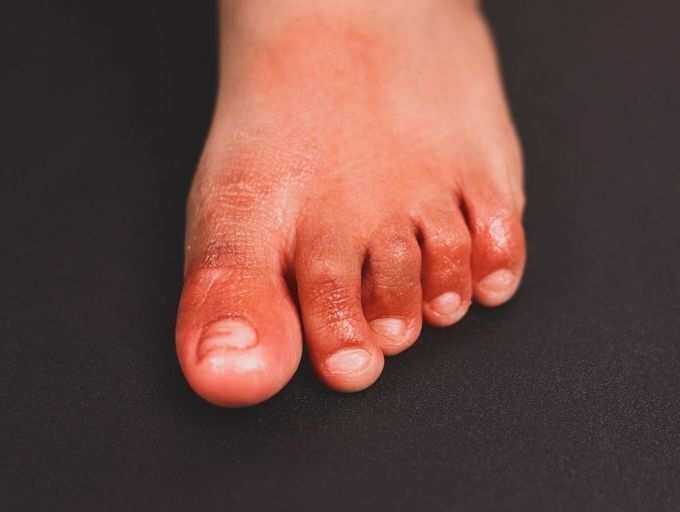
The novel coronavirus has impacted people in various ways. From taking a toll on respiratory health and other vital organs, the SARs-COV-2 virus has also affected people's fingers and toes. While it may not seem very dangerous, it can lead to discomfort and pain. Currently termed as 'COVID toes', while rare, it is said to be more prone in younger patients. A 13-year-old teenager recently reported suffering from the ailment, which prevented her from walking and also made it difficult for her to wear shoes. That said, for those of you, unaware of this unusual COVID effect, here's what it is and everything else you need to know.

What is COVID toes?
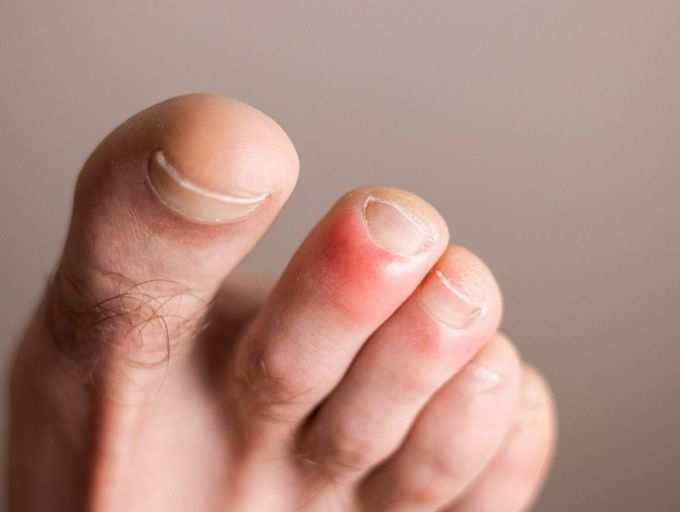
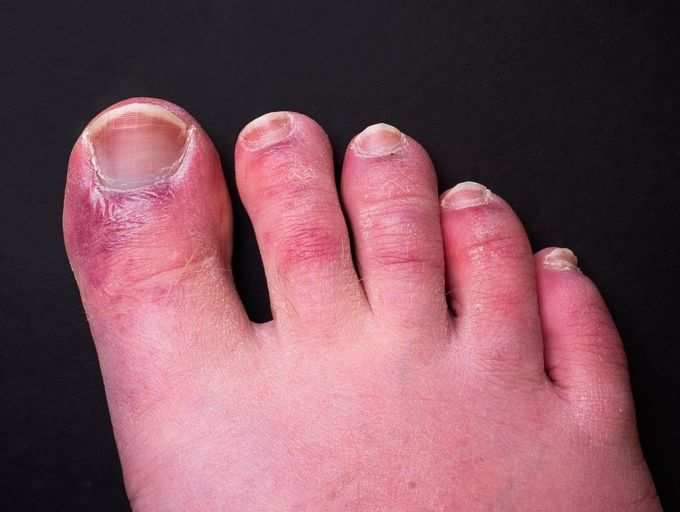
As per the College of Podiatry, Covid toes is the name given to chilblain-like lesions which appear on the toes of some people after having contracted COVID-19. According to research, it can occur both on fingers and the toes. However, it is more common. Besides causing lesions, it can lead to bright red colouration on the fingers or toes, which eventually turns purple. The most dangerous aspect of this ailment is that it can go from impacting one toe to all the other toes.

readmore

Are there any specific causes?

Up until now, there have been no specific causes behind COVID toes, however, research is still ongoing.

Experts believe that COVID toes is an outcome of the immune system reacting to an active coronavirus infection. That means it could be an antiviral immune response triggered by the immune system of younger patients, which in turn results in changes in microangiopathic - small blood vessel disease.

Another theory suggests that COVID toes could be a direct result of the SARs-COV-2 virus. Walking barefoot in homes, lack of physical movements and a sedentary lifestyle is said to be some of the causes.

readmore

Associated symptoms

For many people, COVID toes only lead to discoloration and swelling of the feet or hands. However, it can be painless and people usually don't feel anything.

In other cases, in addition to the swelling and the discolouration, COVID toes can cause blisters, itchy rashes, painful bumps and areas of rough skin. In severe cases, a small amount of pus may also develop under the skin.

Treatment

In most cases, COVID toes heals on its own. However, if the ailment lingers on for longer periods of time, contact a dermatologist, who can prescribe you the right medications or ointments to apply on the affected area.

This is only for your information, kindly take the advice of your doctor for medicines, exercises and so on.   

https://gscrochetdesigns.blogspot.com. one can see my crochet creations  
https://gseasyrecipes.blogspot.com. feel free to view for easy, simple and healthy recipes    
https://kneereplacement-stickclub.blogspot.com. for info on knee replacement


Labels: , , , , , , , , , , , , ,

Monday, January 25, 2021

Post COVID syndrome: Two most common symptoms experienced by COVID-recovered patients

3 signs COVID-19 is spreading to your skin, check now

All of us know by this time the fairly common symptoms of COVID-19- fever, dry cough and muscle pain- the ones which can take a while to settle down and may also signal the severity and type of infection you have.

Some other possible signs of infection may also be dangerous, but often go unnoticed. For example, the presence of COVID toes and rashes.

2. COVID-19 can cause inflammation on the skin

While it can be easily dismissed as a normal rash or sign of allergy, unusual rashes, redness and bumps can often act as a sign of severe COVID-19.

Nearly 1 in 6 patients with skin symptoms go on to require acute hospital care, and many others suffer from lingering symptoms weeks and months after recovery. Hence, these are not the symptoms to be taken lightly.

Studies have also shown that rashes and bumps are also predominant signs of infection in younger children, who showcase different symptoms than adults.

We tell you about some signs to check for:

3. Rashes

For many people suffering from COVID-19, the virus can spread to the veins and arteries and cause inflammation, which shows up on the skin. This rapid inflammation can result in rashes, which can be described as 'red, itchy and even bumpy looking spots' at times.

In younger children and babies, the appearance of mottled or patchy skin, which can happen on the legs, hands, belly or the back could be a sign to look out for.

Patchy, bumpy skin with redness can also happen due to the change in the blood pressure levels and flow of oxygen in the body. It can also be resultant of extreme chills and shivers which happen with a fever.

4. COVID toes

COVID toes, first discovered in kids is now a common sign exhibited by adults as well.

Again resultant of inflammation in the body caused by viral spread, COVID toes can cause swelling, lesions and discolouration in the fingers and toes. They have been likened to be similar to winter frostbites and chilblains.

Along with discolouration and swelling, it can also lead to blisters, and cause itches, pain and roughness.

5 . Dry lips

As many patients have pointed out, lips can become sore if they have been suffering from coronavirus infection.

Developing dry, scaly lips during the infection phase can be common and the soreness can also spread inside the mouth. It is most likely a cause of skin dryness and blisters which happen with the infection.

Dry lips can also happen when you are dehydrated, or not getting ample nutrition during recovery.

Another sneaky sign, bluish tint on the lips, caused by oxygen deprivation- can also act as a warning sign of attention. 

6. Who is more likely to be at risk?

Studies have pointed out people who have certain pre-existing medical conditions, such as respiratory disorders, obesity, seniors (which could impact immunity) are more likely to be at risk of developing long COVID.

Diabetic patients, who have recovered from COVID-19 need to pay extra attention since they have a higher risk of developing skin infection, suffer from bleeds and cuts.

This is only for your information, kindly take the advice of your doctor for medicines, exercises and so on.     

https://gscrochetdesigns.blogspot.com. one can see my crochet creations  
https://gseasyrecipes.blogspot.com. feel free to view for easy, simple and healthy recipes    
https://kneereplacement-stickclub.blogspot.com. for info on knee replacement


Labels: , , , ,